Optimizing Superfine Graphite Powder Production: A Comprehensive Guide to Advanced Milling and Classification Techniques
Introduction
Graphite, a naturally occurring form of crystalline carbon, is indispensable in a vast array of modern industries. Its unique properties—excellent electrical conductivity, high thermal resistance, superior lubrication, and chemical inertness—make it a critical raw material for lithium-ion batteries, refractories, lubricants, nuclear reactors, and advanced composites. As the demand for higher-performance materials grows, particularly in the electric vehicle (EV) and energy storage sectors, the need for superfine graphite powder with precise particle size distribution and high purity has never been more critical.
The production of superfine graphite powder (defined here as particles in the 45-5μm range, or 325-2500 mesh) presents significant engineering challenges. Traditional grinding methods often fall short in terms of energy efficiency, particle size uniformity, and operational stability. This comprehensive guide delves into the advanced milling and classification techniques that are revolutionizing graphite processing, enabling manufacturers to achieve superior product quality and operational excellence.
The Science of Graphite Milling: From Coarse to Superfine
Graphite is unique in its response to mechanical stress. Due to its layered hexagonal lattice structure, it is highly anisotropic. Under compression and shear forces, the layers can slide over one another, leading to delamination and size reduction. However, graphite is also soft and can be smeared rather than fractured if the milling energy is not correctly applied. This necessitates equipment that can generate precise shear and impact forces without excessive heat generation, which could oxidize or degrade the graphite’s structural integrity.
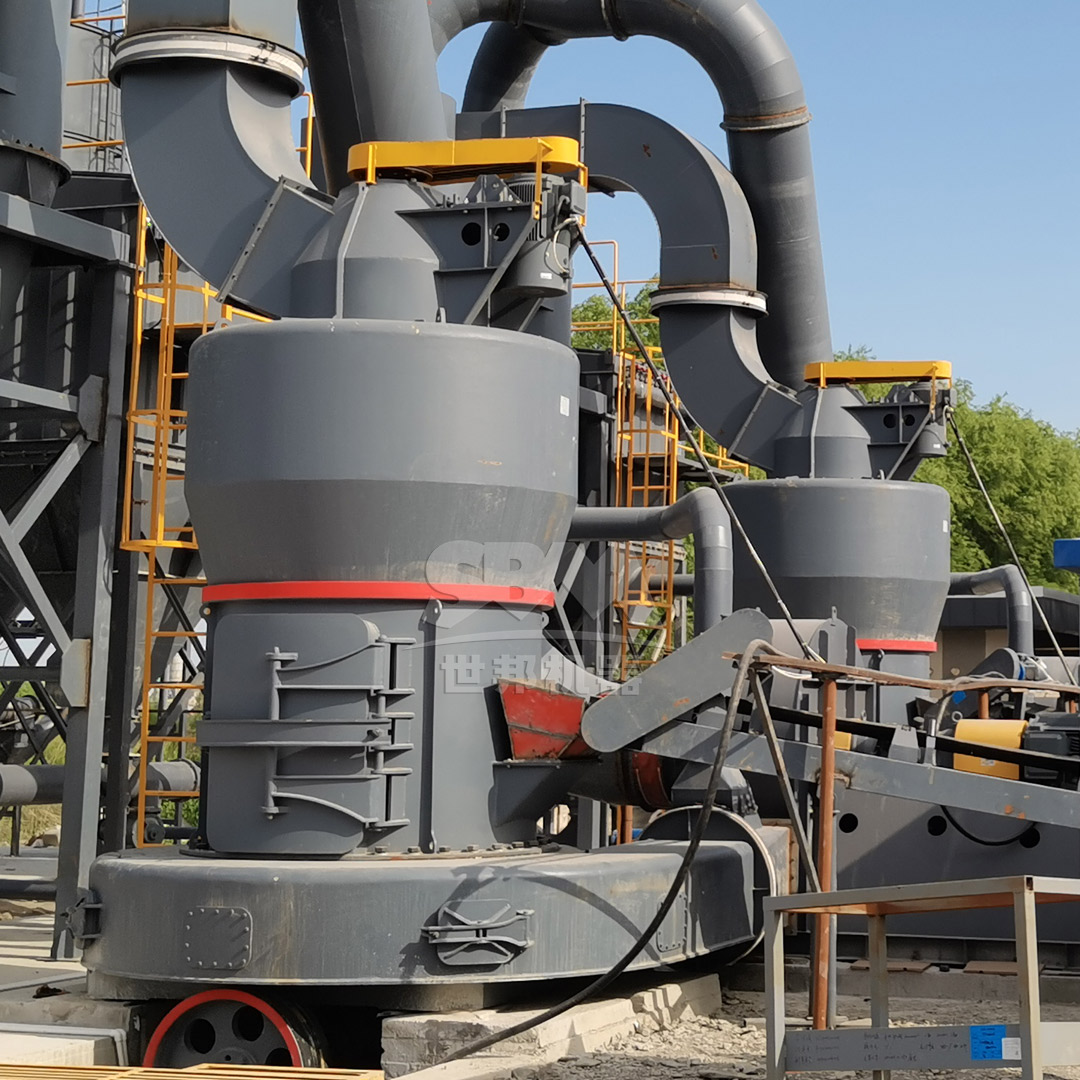
The journey from raw graphite lumps (often 10-50mm) to superfine powder involves a multi-stage process. Primary crushing reduces the size to below 20mm, suitable for feeding into high-efficiency mills. The core of the process, however, lies in the secondary and tertiary grinding stages. Two dominant technologies have emerged as leaders in this space: the roller mill (in its various forms) and the vertical roller mill (VRM). Each employs a unique grinding principle to achieve the fineness required for superfine graphite.
Advanced Milling Technologies for Superfine Graphite
1. Vertical Roller Mills (VRMs) for High-Capacity Production
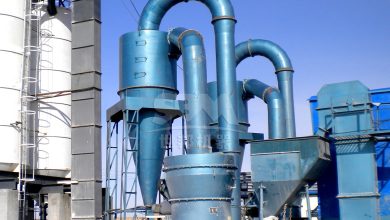
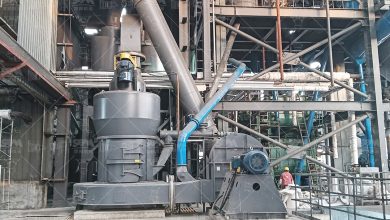
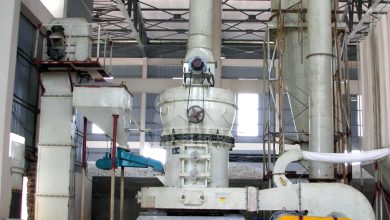
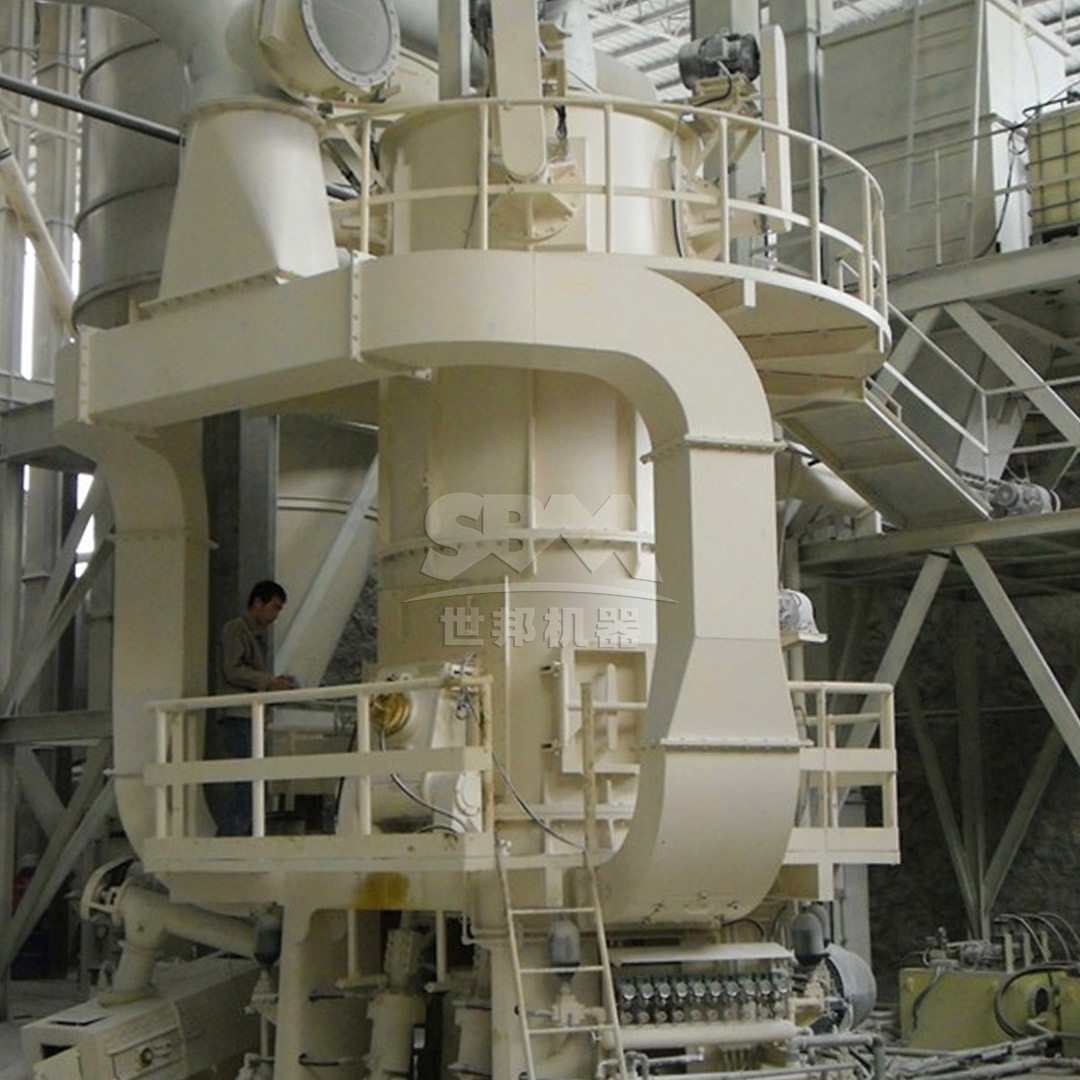
For large-scale operations requiring consistent output and fineness (600-45μm range), the Vertical Roller Mill is the workhorse of the industry. Unlike ball mills that rely on impact, VRMs utilize a ‘bed grinding’ principle. Material is fed onto a rotating grinding table, and hydraulic or pneumatic pressure forces grinding rollers against the material bed. This creates a stable layer of material that is crushed and ground under controlled pressure. The classified hot air or gas stream then lifts the fine particles to a dynamic classifier, while coarse particles return to the table for further grinding.
The advantages of VRMs for graphite are substantial. They offer significantly lower energy consumption (30-50% less than a ball mill system), a smaller footprint, and a quieter, cleaner operation due to negative pressure sealing. Furthermore, the ability to integrate drying, grinding, and classification in one unit simplifies the circuit and reduces capital expenditure. This technology is ideal for producing bulk graphite powders for applications like steelmaking additives and foundry facings.
2. Ultrafine Roller Mills for Precision Superfine (45-5μm) Production
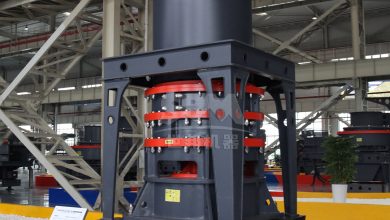
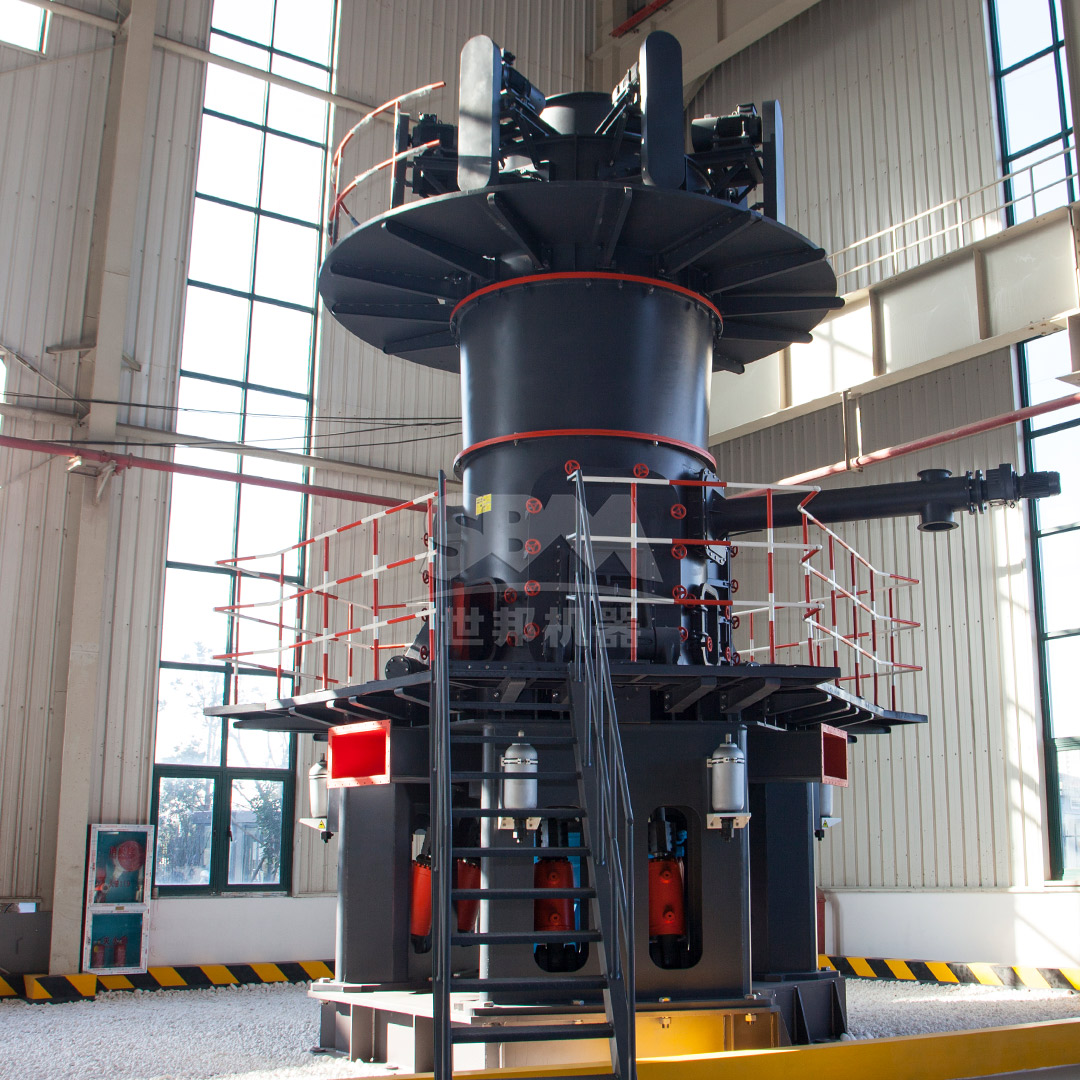
When the target fineness moves into the critical 325-2500 mesh (45-5μm) range, standard VRMs often reach their economic and technical limits. This is where specialized Ultrafine Roller Mills, such as the SCM Series Ultrafine Mill from our company, become indispensable. The SCM series is meticulously designed for the most demanding superfine applications, including high-purity graphite for anode materials in Li-ion batteries.
Our Recommendation: For producing high-value superfine graphite powder with precise particle size control, we highly recommend the SCM Series Ultrafine Mill (45-5μm). Engineered for efficiency, it achieves a capacity double that of jet mills while consuming 30% less energy. Its high-precision vertical turbine classifier ensures a sharp cut-off with no coarse powder mixing, guaranteeing uniform finished products that meet the most stringent battery-grade specifications. Models range from the SCM800 (0.5-4.5 t/h) to the powerful SCM1680 (5-25 t/h), ensuring a solution for any production scale.
The Art and Science of Fine Classification
The quality of superfine graphite is defined not just by its average particle size (D50), but by its entire particle size distribution (PSD). A product with too many oversized particles will negatively impact battery electrode density and performance, while an excess of ultra-fines (slimes) can cause processing difficulties. Therefore, classification is as critical as grinding.
Modern classification relies on dynamic air classifiers, specifically turbine classifiers. These are high-speed rotating cages that use centrifugal forces to separate fine particles from coarse ones. The key parameters for tuning a classifier are the rotor speed and the air volume.
- Rotor Speed: Higher RPMs generate stronger centrifugal force, which throws coarser particles to the periphery to be returned for regrinding. This sets the ‘cut point’ for particle size.
- Air Volume: The airflow drags particles through the classifier. Higher airflow can shift the cut point to a coarser size by allowing larger particles to be carried away.
The challenge in classifying superfine graphite is the tendency for fine, soft particles to agglomerate due to van der Waals forces and static electricity. Advanced classifiers must incorporate features to disperse these agglomerates before they enter the classification zone. Techniques include using a secondary air stream to break up clumps and optimizing the inlet geometry to create a uniform, well-dispersed particle cloud.
Eco-Friendly and Intelligent Operations
Modern graphite processing facilities must prioritize sustainability. Dust control is paramount, as fine graphite is both a valuable product and a respiratory hazard. The use of high-efficiency pulse dust collectors is non-negotiable. Modern units can achieve emission levels below 10 mg/Nm³, far exceeding international standards.
Furthermore, intelligent automation is transforming the industry. Expert-level control systems now monitor and adjust grinding pressure, classifier speed, and feed rate in real-time based on feedback from particle size analyzers. This ‘smart mill’ concept reduces manual intervention, ensures product consistency, and maximizes throughput while minimizing energy consumption. Our LM Series and SCM Series mills are equipped with such advanced PLC systems, supporting both local and remote operation for maximum flexibility.
Conclusion: Partnering for Superior Results
Optimizing the production of superfine graphite powder is a complex interplay of material science, mechanical engineering, and process control. From the robust, high-capacity grinding of the MTW Series for coarser products to the precision superfine capabilities of the SCM Series, selecting the right milling and classification technology is the foundation of a successful operation.
Investing in advanced, energy-efficient, and intelligent equipment is the only path forward in a competitive market that demands both quality and sustainability. By leveraging modern roller mill technologies and precise air classification, manufacturers can unlock the full potential of their graphite resources, delivering the high-performance powders that power tomorrow’s technologies. For a tailored solution for your specific graphite grinding needs, we invite you to explore our complete range of milling solutions and consult with our engineering experts.