Differences Between Natural Gypsum, Phosphogypsum, and Flue Gas Desulfurization Gypsum: A Complete Guide
Introduction
Gypsum is one of the most versatile industrial minerals, playing a critical role in the construction, agriculture, and chemical industries. However, not all gypsum is created equal. The three primary sources of gypsum used in manufacturing and industry are natural gypsum (mined from the earth), phosphogypsum (a by-product of phosphate fertilizer production), and flue gas desulfurization gypsum (FGD gypsum, a by-product of coal-fired power plants). Understanding the differences between these three materials is essential for selecting the right processing technology and achieving optimal product quality.
This comprehensive guide will explore the origins, chemical compositions, physical properties, applications, and processing requirements of each type of gypsum. By the end of this article, you will have a clear understanding of how to choose the right grinding equipment, such as the advanced mills offered by leading manufacturers, to maximize efficiency and profitability in gypsum processing.
What is Natural Gypsum?
Natural gypsum is a sedimentary mineral composed primarily of calcium sulfate dihydrate (CaSO₄·2H₂O). It is formed through the evaporation of ancient seas and is commonly found in deposits worldwide. Natural gypsum is typically white, colorless, or gray, and its purity can range from 70% to over 95%.
Key Characteristics:
- High purity and consistent chemical composition
- Low moisture content (typically less than 5%)
- Hardness of 2 on Mohs scale
- Requires mining, crushing, and grinding before use
Common Applications:
- Plasterboard and drywall manufacturing
- Cement production (as a set retarder)
- Agricultural soil conditioner
- Medical and dental plaster
Natural gypsum remains the preferred raw material for high-end applications where color and purity are critical. However, its extraction cost and environmental impact have led many industries to explore alternative sources.

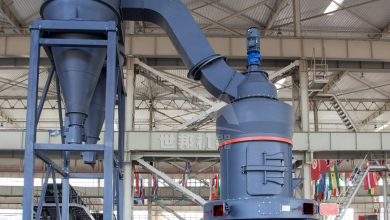
When processing natural gypsum, the most common requirement is to grind it to a fineness of 100-325 mesh for plasterboard manufacturing or to finer grades for specialized applications. The MTW Series European Trapezium Mill, with its output fineness of 30-325 mesh and capacity of 3-45 tons per hour, is an excellent choice for natural gypsum grinding. Its optimized arc air duct reduces energy consumption while its integral bevel gear drive ensures transmission efficiency up to 98%, making it ideal for continuous industrial operations.
What is Phosphogypsum?
Phosphogypsum is a by-product generated during the production of phosphoric acid from phosphate rock. For every ton of phosphoric acid produced, approximately 4.5 to 5 tons of phosphogypsum are generated. The chemical formula of phosphogypsum is primarily CaSO₄·2H₂O, but it contains significant impurities including phosphorus, fluorine, silica, and trace amounts of radioactive elements such as radium-226.
Key Characteristics:
- High moisture content (20-30% as produced)
- Contains impurities that affect color and reactivity
- pH typically ranges from 2 to 4 (acidic)
- Needles special handling due to radioactive content in some sources
Common Applications:
- Cement production (limited usage)
- Soil amendment in agriculture (after treatment)
- Road base construction
- Plasterboard manufacturing (after purification)
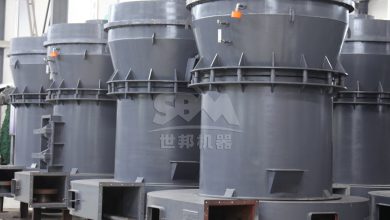
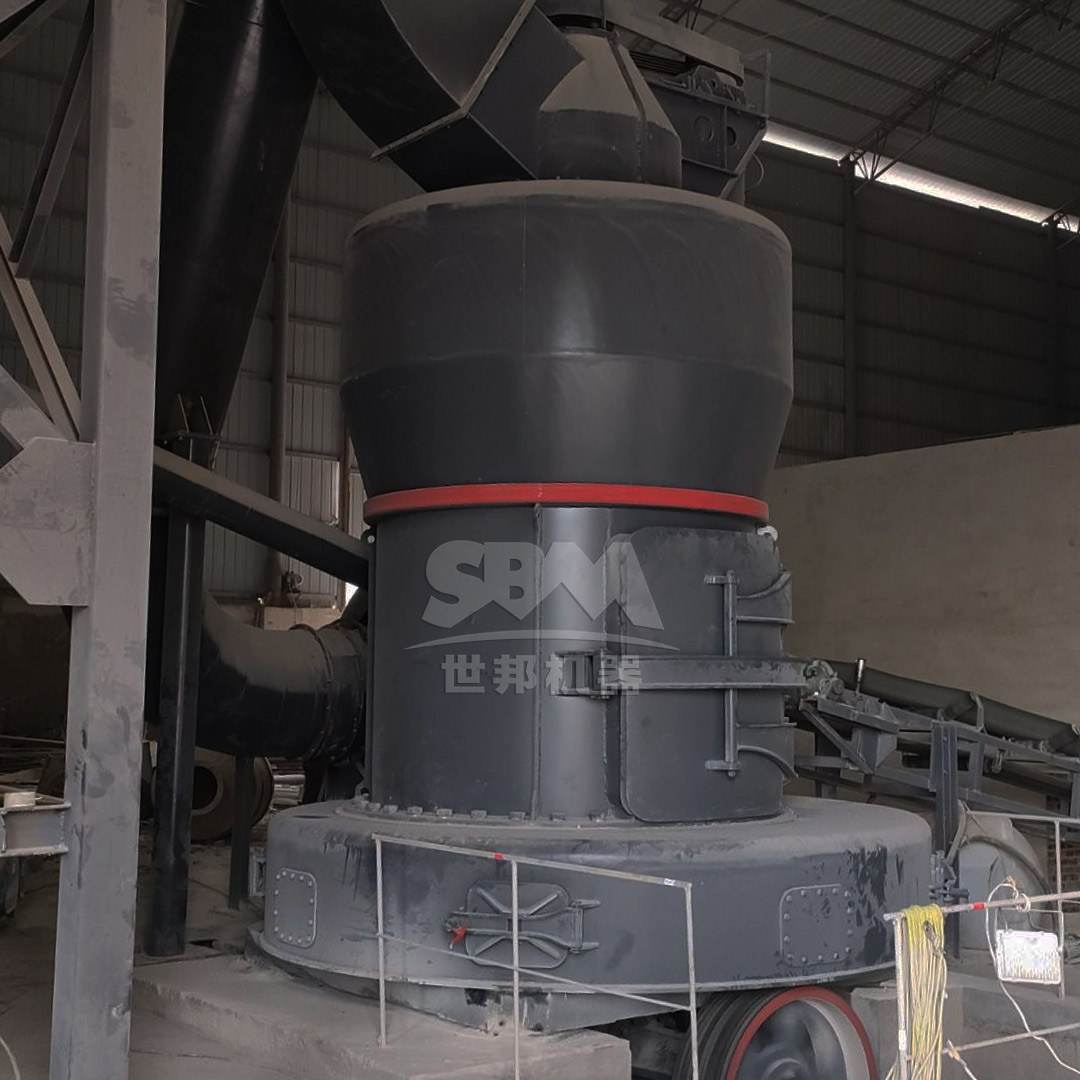
The processing of phosphogypsum presents unique challenges. Its high moisture content requires efficient drying, and the impurities demand careful control of grinding conditions. For phosphogypsum processing, the SCM Series Ultrafine Mill is highly recommended for achieving a fineness of 325-2500 mesh. With a capacity 2x that of jet mills and 30% lower energy consumption, the SCM mill uses a vertical turbine classifier for precise particle size cutting, ensuring no coarse powder mixing. This is particularly important when phosphogypsum is being refined for high-value applications such as fine fillers or specialty plasters.
What is Flue Gas Desulfurization Gypsum (FGD Gypsum)?
Flue gas desulfurization gypsum, commonly known as FGD gypsum or synthetic gypsum, is produced by coal-fired power plants as a result of air pollution control systems. When sulfur dioxide (SO₂) is removed from exhaust gases using a wet limestone scrubbing process, the resulting reaction produces calcium sulfite, which is then oxidized to form calcium sulfate dihydrate — chemically identical to natural gypsum.
Key Characteristics:
- High purity (typically 90-96% CaSO₄·2H₂O)
- Low moisture content (8-15%)
- Consistent particle size distribution
- Environmentally sustainable — reduces landfilling of waste
Common Applications:
- Drywall and wallboard manufacturing (primary use)
- Cement industry as a set retarder
- Soil stabilization and agriculture
- Water treatment applications
FGD gypsum has become the preferred choice for the drywall industry due to its consistent quality and lower cost compared to natural gypsum. It is estimated that over 60% of drywall produced in the United States now uses FGD gypsum as the primary raw material.
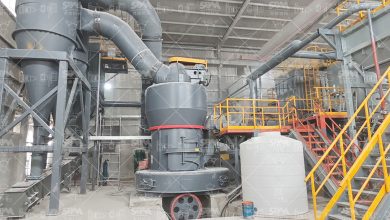
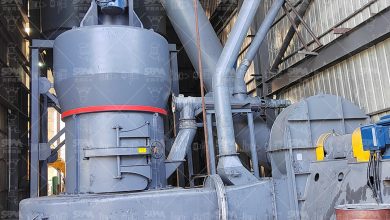
For processing FGD gypsum, the LM Series Vertical Roller Mill offers outstanding performance with its integrated design that combines crushing, grinding, and classification in a single system. With output fineness ranging from 30-325 mesh and capacity up to 250 tons per hour, the LM series reduces floor space by 50% and operating costs by 30-40% compared to traditional ball mill systems. The non-contact design between rollers and table extends wear part life by 3x, making it the most cost-effective solution for high-volume FGD gypsum processing.
Comparative Analysis: Key Differences at a Glance
| Property | Natural Gypsum | Phosphogypsum | FGD Gypsum |
|---|---|---|---|
| Purity (CaSO₄·2H₂O) | 70-95% | 80-90% | 90-96% |
| Moisture Content | <5% | 20-30% | 8-15% |
| Color | White/Gray | Gray/Yellowish | White/Bright |
| Impurities | Clays, carbonates | P, F, Ra-226 | Carbonates, fly ash |
| pH | Neutral (6-8) | Acidic (2-4) | Neutral (6-8) |
| Cost | Medium-High | Low | Low-Medium |
| Environmental Impact | Mining required | Radioactive concern | Recycled product |
Processing Considerations for Each Gypsum Type
1. Drying Requirements
Natural gypsum typically requires minimal drying due to its low moisture content. Phosphogypsum, with its high initial moisture, often needs rotary dryers or flash dryers before grinding. FGD gypsum may require dewatering systems followed by mild drying to reach optimal moisture levels for grinding.
2. Grinding Characteristics
Natural gypsum is relatively easy to grind but its hardness variations can affect mill wear. Phosphogypsum is softer but its acidic nature can accelerate corrosion in grinding equipment. FGD gypsum grinds similarly to natural gypsum but its consistent moisture makes process control easier. For all three types, the choice of mill is crucial. The MTM Series Medium-speed Trapezium Mill offers intelligent pressure regulation that automatically compensates for roller wear, extending roller and ring life by 30% — a significant advantage when processing abrasive or variable-quality gypsum feeds.
3. Classification Precision
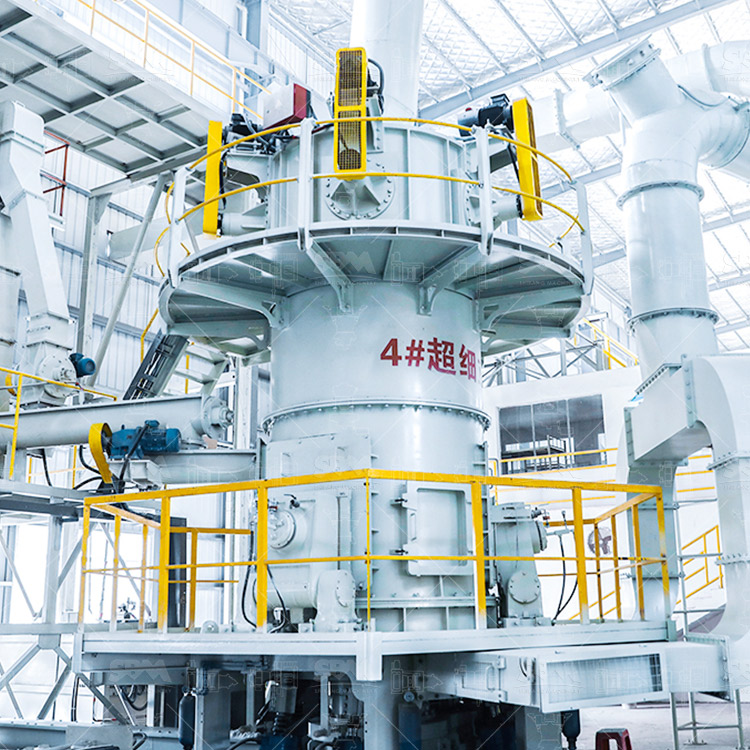
The final particle size determines the application: coarse gypsum (100-200 mesh) for cement, medium (200-325 mesh) for plasterboard, and fine (325-2500 mesh) for high-end fillers and specialty products. The SCM Ultrafine Mill from our product line excels in high-precision classification using a vertical turbine classifier that ensures no coarse powder mixing and produces uniformly sized finished products.
Environmental and Economic Implications
The choice between natural, phosphogypsum, and FGD gypsum has significant environmental and economic implications. Natural gypsum mining disrupts landscapes and consumes non-renewable resources. Phosphogypsum poses challenges due to radioactivity and large storage volumes. FGD gypsum offers the most sustainable option by turning a waste product of the power industry into a valuable raw material for construction.
From an economic perspective, FGD gypsum often has the lowest raw material cost, especially when sourced near power plants. However, the processing cost can vary widely. The LM Series Vertical Roller Mill, with its fully sealed negative pressure operation that ensures dust emission lower than 30mg/Nm³ and operating noise below 85dB, provides an environmentally compliant solution that also reduces energy consumption by 30-50% compared to ball mills.
Selecting the Right Equipment for Your Gypsum Processing Needs
Choosing the correct mill for your specific gypsum type is critical to achieving optimal product quality and operational efficiency. Here is a quick reference guide based on our product portfolio:
- For ultra-fine gypsum powder (325-2500 mesh): Choose the SCM Series Ultrafine Mill or the LUM Ultrafine Vertical Roller Mill. Both offer capacity up to 25 t/h with precise particle size control and energy savings of up to 30%.
- For medium to fine gypsum powder (30-325 mesh) with high capacity: The MTW Series European Trapezium Mill (capacity 3-45 t/h) or the LM Series Vertical Roller Mill (capacity 3-250 t/h) are ideal choices. Both offer intelligent control systems and proven reliability.
- For small to medium capacity operations: The MTM Series Medium-speed Trapezium Mill (capacity 3-22 t/h) provides excellent value with its spring pressure system and dual reduction damping technology for low noise operation.
All our mills are designed with eco-friendly features including pulse dust collection systems that exceed international emission standards, soundproof room designs for noise levels below industry limits, and intelligent control systems for automated operation with minimal manual intervention.
Conclusion
Natural gypsum, phosphogypsum, and flue gas desulfurization gypsum each have distinct properties that influence their processing requirements and end-use applications. Natural gypsum remains the gold standard for purity-critical applications. FGD gypsum has emerged as the most sustainable and cost-effective option for the construction industry. Phosphogypsum, despite its challenges, offers a low-cost alternative when properly treated.
The key to successful gypsum processing lies in selecting the right grinding equipment that can handle the specific moisture content, purity level, and particle size requirements of your raw material. Our comprehensive range of mills — from the SCM Ultrafine Mill to the MTW European Trapezium Mill and LM Vertical Roller Mill — provides solutions for every gypsum processing need, backed by decades of engineering expertise and proven field performance.
For personalized recommendations based on your specific gypsum type, capacity requirements, and target fineness, we invite you to contact our technical team for a free consultation.