Talc Powder in Plastic: Key Applications, Benefits, and Industry Insights
Introduction
Talc, a naturally occurring hydrated magnesium silicate mineral, has long been a cornerstone additive in the plastics industry. Its unique properties—ranging from chemical inertness and thermal stability to its platy morphology—make it an indispensable filler for improving the performance, processing, and cost-efficiency of plastic compounds. As the demand for lighter, stronger, and more sustainable materials grows, the role of high-quality talc powder becomes even more critical. This article delves into the key applications of talc powder in plastics, explores its myriad benefits, and provides industry insights on how to optimize talc utilization through advanced grinding technologies.
Key Applications of Talc in Plastics
1. Automotive Components
One of the largest markets for talc-filled polypropylene (PP) is the automotive industry. Talc is extensively used in interior and exterior automotive parts such as dashboard panels, door trims, bumpers, and under-the-hood components. The addition of talc enhances the stiffness, dimensional stability, and heat resistance of PP, allowing manufacturers to produce lightweight parts that meet rigorous safety and performance standards. By replacing heavier materials like metal or unfilled plastics, talc-filled PP contributes directly to vehicle weight reduction, improving fuel efficiency and reducing CO2 emissions.
2. Packaging Materials
In the packaging sector, talc is used to improve the mechanical properties of plastic films and rigid containers. For example, talc is added to polypropylene (PP) and polyethylene (PE) to increase rigidity, reduce creep, and improve barrier properties. In thin-wall packaging, talc helps maintain structural integrity while allowing for material down-gauging—using less plastic without sacrificing performance. This is a key driver for sustainable packaging initiatives. Talc also acts as an anti-blocking agent in films, preventing layers from sticking together.
3. Household Goods and Appliances
Talc-filled plastics are common in household appliances, garden furniture, and consumer goods. The filler provides a superior surface finish, reduces warpage, and improves scratch resistance. For large parts like washing machine drums, air conditioner housings, and vacuum cleaner components, talc enhances the material’s heat deflection temperature, ensuring the parts remain dimensionally stable even under thermal stress. The excellent dispersion of high-quality talc also contributes to a consistent color and gloss.
4. Industrial Applications
In industrial settings, talc is used in plastic compounds for pipes, fittings, cable conduits, and electrical enclosures. Its electrical insulating properties and moisture resistance make it ideal for these demanding applications. Furthermore, the lubricating effect of talc improves the flow characteristics of the polymer melt, facilitating easier injection molding or extrusion of complex shapes.
Benefits of Using Talc Powder in Plastics
Enhanced Mechanical Strength
The platy structure of talc particles acts as a reinforcing agent. When properly dispersed within the polymer matrix, these platelets create a tortuous path for crack propagation, significantly increasing the flexural modulus, tensile strength, and impact resistance of the final product. This reinforcement allows for the production of thinner, lighter parts without compromising on strength.
Improved Thermal Properties
Talc has a high melting point (approximately 1500°C) and excellent thermal conductivity. When compounded into plastics, it raises the heat deflection temperature (HDT) and Vicat softening point. This is particularly valuable for applications that experience high temperatures, such as automotive engine compartments or kitchen appliances. Parts retain their shape and rigidity even under prolonged thermal exposure.
Dimensional Stability and Warpage Reduction
One of the most significant advantages of talc is its ability to reduce shrinkage and warpage. As the plastic cools after molding, the talc particles restrict the movement of polymer chains, leading to more uniform contraction. This results in parts with tighter tolerances and fewer defects, which is critical for precision components like automotive bezels and electronic housings.
Cost Reduction
Talc is generally more cost-effective than the base polymer. By incorporating a high percentage of talc (often 20-40% by weight), manufacturers can significantly reduce raw material costs. This economic benefit does not come at the expense of performance; in fact, the improved mechanical and thermal properties often allow for the use of less material overall.
Improved Processing
Talc powder acts as a processing aid. Its fine particles reduce melt viscosity and improve flowability, allowing for faster injection cycles and lower energy consumption. It also acts as a nucleating agent for semi-crystalline polymers like PP, promoting faster crystallization and reducing cycle times. This translates directly into higher production throughput and lower operational costs.
Industry Insights: The Importance of Particle Size and Purity
Not all talc powders are created equal. The performance of talc in plastics is heavily dependent on its particle size distribution, particle shape (aspect ratio), and chemical purity. For demanding applications like automotive parts, ultra-fine talc with a high aspect ratio is preferred, as it provides superior reinforcement. Ideal particle sizes range from 5 to 45 micrometers (325-2500 mesh). However, achieving such fine, consistent powders requires advanced milling equipment.
Traditional ball mills or jet mills often struggle with energy efficiency and precise classification. Jet mills, while capable of producing fine powders, are notoriously energy-intensive. This is where modern ultra-fine grinding technologies come into play, offering a more efficient and sustainable solution.
Optimizing Talc Production with Advanced Grinding Mills
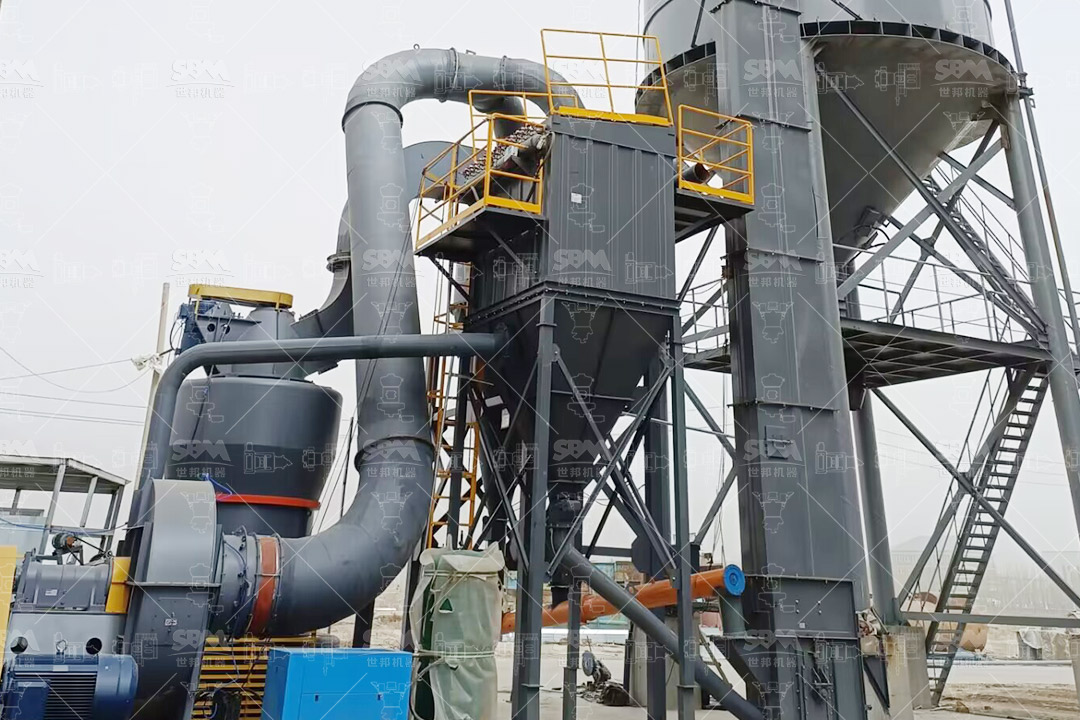
To unlock the full potential of talc as a plastic filler, manufacturers must invest in milling equipment that can deliver high-purity, ultra-fine powders with a narrow particle size distribution. Our company offers two exceptional solutions tailored to different production scales and fineness requirements: the SCM Series Ultrafine Mill and the LUM Ultrafine Vertical Roller Mill.
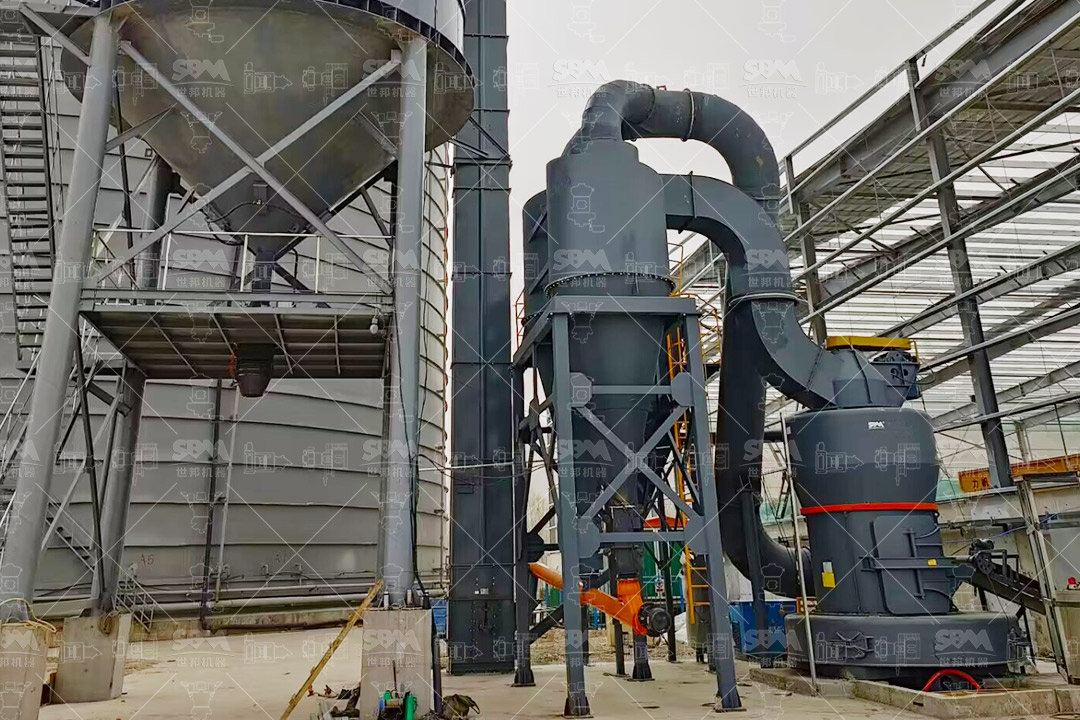
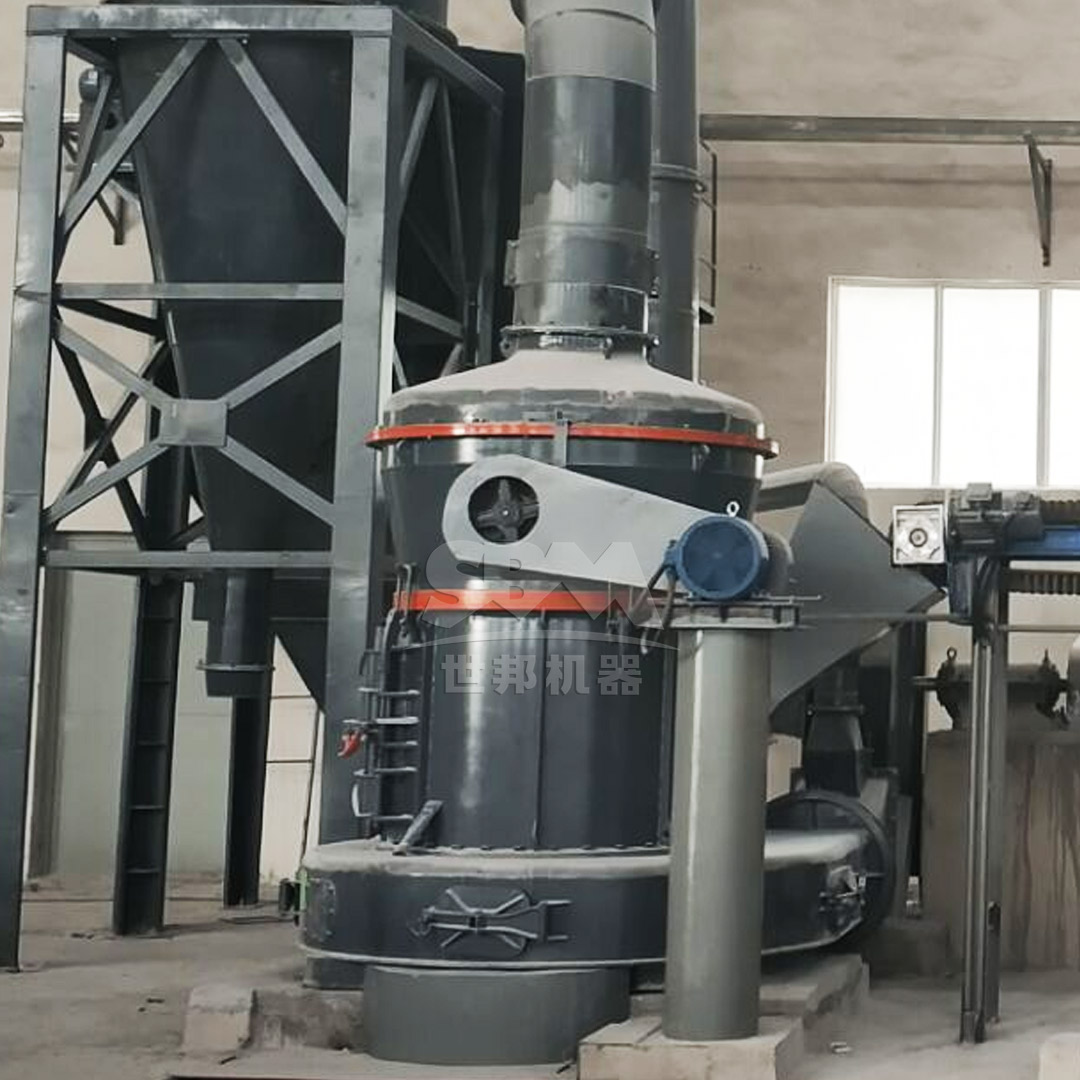
For the production of premium talc powders with a fineness of 325-2500 mesh (45-5μm), the SCM Series Ultrafine Mill is the ideal choice. With a capacity range of 0.5 to 25 tons per hour, it features a vertical turbine classifier that ensures high-precision cutting and no coarse powder mixing. Its design is highly energy-efficient, consuming 30% less energy than a jet mill while achieving double the capacity. The durable, wear-resistant components made from special materials ensure a long service life and stable operation.
For larger-scale operations requiring capacities from 1.6 to 15 tons per hour at the same ultra-fine fineness, the LUM Ultrafine Vertical Roller Mill offers an unbeatable advantage. This system integrates grinding, classification, and drying into a single compact unit. Its unique roller and liner curves, combined with multi-rotor classifying technology, guarantee a product with no coarse particles. The PLC automation system enables smart control, making it a highly reliable and eco-friendly solution with negative pressure operation that prevents any dust leakage. Whether you need to process 1.6 t/h or 15 t/h, the LUM series provides the robustness and precision required for the most stringent plastic applications.
Conclusion
Talc powder remains a critical functional filler in the plastics industry, enabling the production of lighter, stronger, and more cost-effective products across automotive, packaging, and industrial sectors. The key to maximizing its benefits lies in the quality of the talc itself. By utilizing advanced grinding technologies like our SCM and LUM series mills, compounders can achieve the precise particle size, high purity, and consistent quality required for high-performance applications. As the industry moves towards greater sustainability and material efficiency, the partnership between superior mineral processing and innovative plastic compounding will only grow stronger.