Graphite Electrode Grinding Mill: A Comprehensive Guide to Selecting the Right Powder Making Machine
Introduction: The Importance of Graphite Electrode Grinding
Graphite electrodes are critical components in the electric arc furnace (EAF) steelmaking industry. Their performance directly impacts energy efficiency, product quality, and production costs. To manufacture high-quality graphite electrodes, the raw materials—such as calcined petroleum coke (CPC) and coal tar pitch—must be ground into a fine, uniform powder. This process requires specialized grinding equipment that can handle the unique properties of carbon-based materials, including their abrasiveness, volatility, and specific particle size distribution requirements.
Selecting the correct grinding mill is a strategic decision. An improperly chosen machine can lead to high energy consumption, frequent maintenance, inconsistent product quality, and significant operational downtime. This comprehensive guide will walk you through the critical factors in selecting a graphite electrode grinding mill, from understanding material properties to evaluating different mill types and their technical advantages.
We will cover the key specifications of graphite powder, including fineness requirements (typically ranging from 45 micrometers for coarse grinding to 5 micrometers for ultra-fine processing), capacity demands, and the importance of energy efficiency in a competitive market. The goal is to provide engineers and plant managers with the knowledge they need to make an informed investment.
Key Selection Criteria for Graphite Electrode Mills
1. Output Fineness (Mesh Size)
Graphite electrode manufacturing requires precise control over particle size. The binder (coal tar pitch) must thoroughly coat the filler particles. If the powder is too coarse, the electrode will have poor density and mechanical strength. If it is too fine, excessive shrinkage can occur during baking. The target fineness for most electrode applications falls between 325 mesh (45μm) and 600 mesh (23μm), with some ultra-high power (UHP) electrodes requiring even finer materials up to 2500 mesh (5μm).
2. Capacity Requirements
Production throughput is a primary economic driver. A mill must match the plant’s overall production targets. Small-scale operations might need 0.5 to 3 tons per hour, while large integrated manufacturers may require capacities exceeding 25 tons per hour. Selecting a machine with a capacity buffer is wise, but oversizing leads to unnecessary capital expenditure and energy waste.
3. Energy Efficiency
Grinding is one of the most energy-intensive processes in electrode production. Energy costs represent a significant portion of operating expenses. Mills that utilize advanced principles like layer grinding (in vertical roller mills) or high-pressure roll grinding can reduce energy consumption by up to 30-40% compared to traditional ball mills. Look for features like intelligent control systems that automatically adjust parameters to maintain grinding efficiency.
4. Maintenance and Durability
Graphite raw materials are highly abrasive. The grinding rollers, rings, and liners must be constructed from wear-resistant materials. A mill with a long service life for its wear parts, such as those using special alloy steel, directly reduces maintenance costs and downtime. Ease of maintenance is equally important; features like quick-change roller assemblies or combined shovel blades can significantly impact operational availability.
5. Environmental and Noise Control
Modern manufacturing facilities must comply with strict environmental regulations. Fine graphite dust is both a health hazard and a safety risk (explosive in high concentrations). A high-efficiency pulse dust collector system is essential. Furthermore, noise pollution from grinding mills can be a workplace hazard. Mills with soundproof room designs or damping systems provide a safer and more compliant working environment.
Types of Grinding Mills for Graphite Electrode Production
Conventional Ball Mills
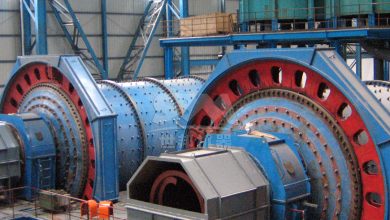
Ball mills are a robust and time-tested solution for grinding graphite. They offer a high crushing ratio and are suitable for dry or wet grinding. However, their main drawbacks are high energy consumption and large footprint. For graphite electrode production, they are often used for primary grinding rather than fine finishing, as they struggle to efficiently produce material below 45μm. The impact and attrition mechanism consumes significant power, making them less economical for fine grinding tasks.
Medium-Speed Trapezium Mills
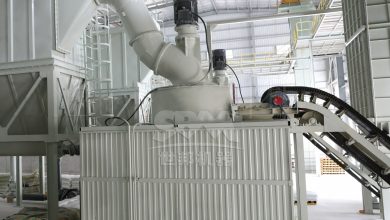
These mills, such as the MTM series, offer a good balance between capacity and fineness. They utilize a trapezoidal grinding ring and roller design to improve grinding efficiency. The intelligent pressure regulation system compensates for roller wear, maintaining consistent output. They are well-suited for producing graphite powder in the 45-325 mesh range with capacities up to 22 tons per hour. Their damping and noise reduction features make them a viable choice for industrial settings.
Ultrafine Grinding Mills
For high-end graphite electrodes requiring extremely fine and uniform powder (down to 5μm or 2500 mesh), ultrafine mills are essential. Vertical roller mills (like the LUM series) and ultra-fine ring-roller mills (like the SCM series) are the primary contenders. They operate on the principle of layer grinding, which is inherently more energy-efficient than impact grinding. They also feature advanced high-precision classifiers that ensure no coarse particles contaminate the final product.
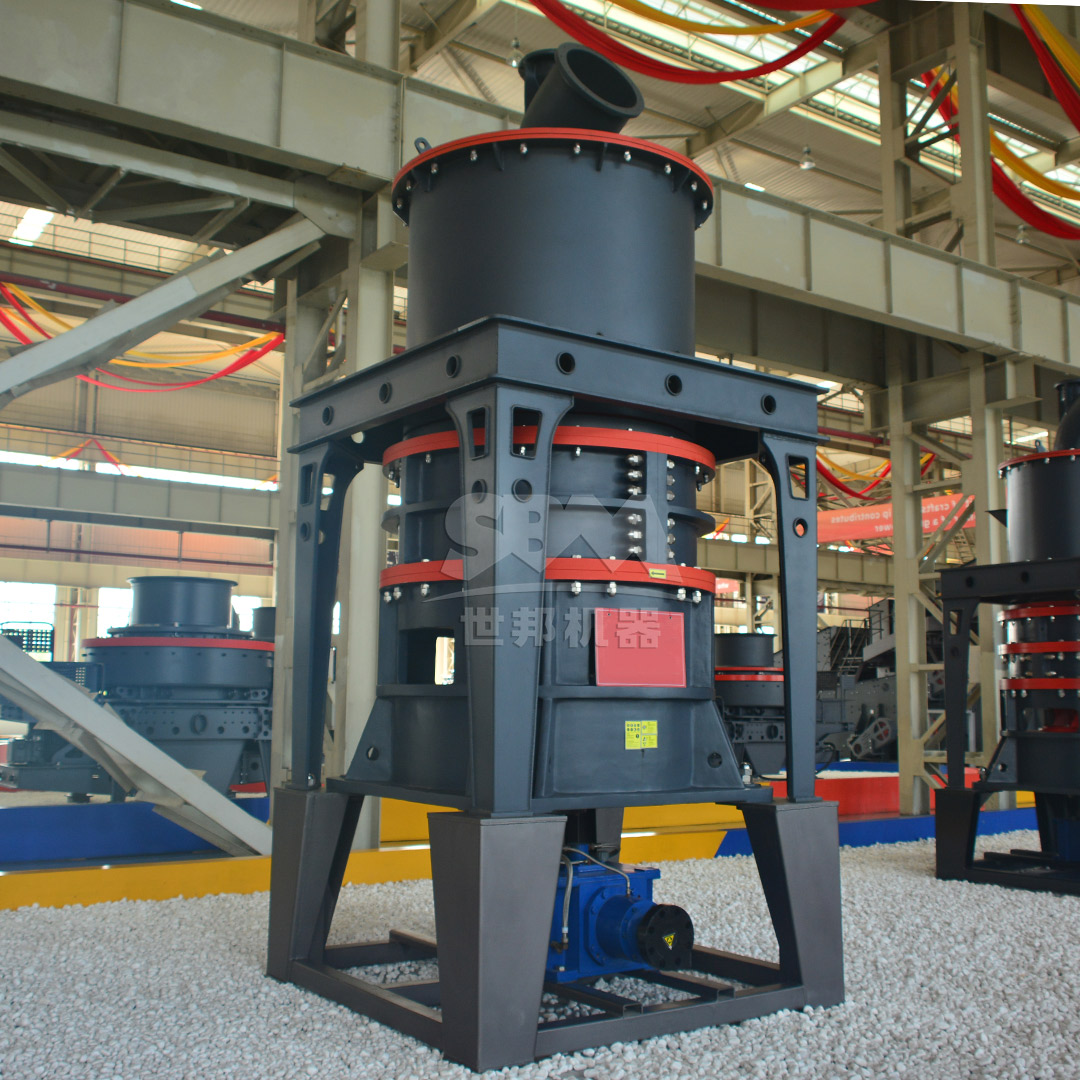
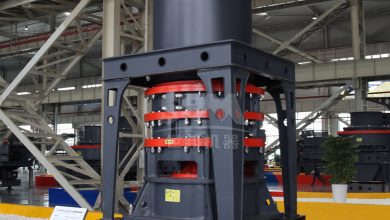
To meet the stringent demands of UHP graphite electrode production, we highly recommend the SCM Series Ultrafine Mill. This machine is specifically engineered for grinding materials like calcined petroleum coke to a fineness of 325-2500 mesh (45-5μm). Its key advantage is its capacity, which is double that of traditional jet mills while consuming 30% less energy. The vertical turbine classifier provides ultra-precise particle size cutting, guaranteeing a uniform powder. With durable grinding rollers and rings made from special materials, the SCM series offers exceptional longevity and stable operation, making it an ideal choice for high-value electrode manufacturing.
European Trapezium Mills
Designed for high capacity and efficiency in the 30-325 mesh range, the MTW series European Trapezium Mill is another strong candidate for bulk graphite grinding. Its patented features, including an integral bevel gear drive with 98% transmission efficiency and an anti-wear shovel design, significantly reduce operational costs. The optimized arc air duct reduces airflow energy loss. This mill is an excellent choice for primary and intermediate grinding stages where high throughput is prioritized over extremely fine output.
Working Principle and Process Flow
Understanding the working principle helps in selecting the right mill. For instance, the SCM Ultrafine Mill uses a multi-layer grinding ring system. The main motor drives the rings to rotate at high speed. Materials are dispersed into the grinding path by centrifugal force and crushed between the roller and ring. The fine particles are then carried by the airflow to the classifier. Coarse particles fall back for re-grinding, while the finished powder is collected by a cyclone and pulse dust removal system. This closed-loop, negative pressure system ensures zero dust leakage.
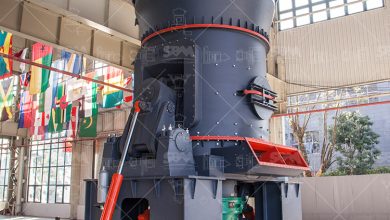
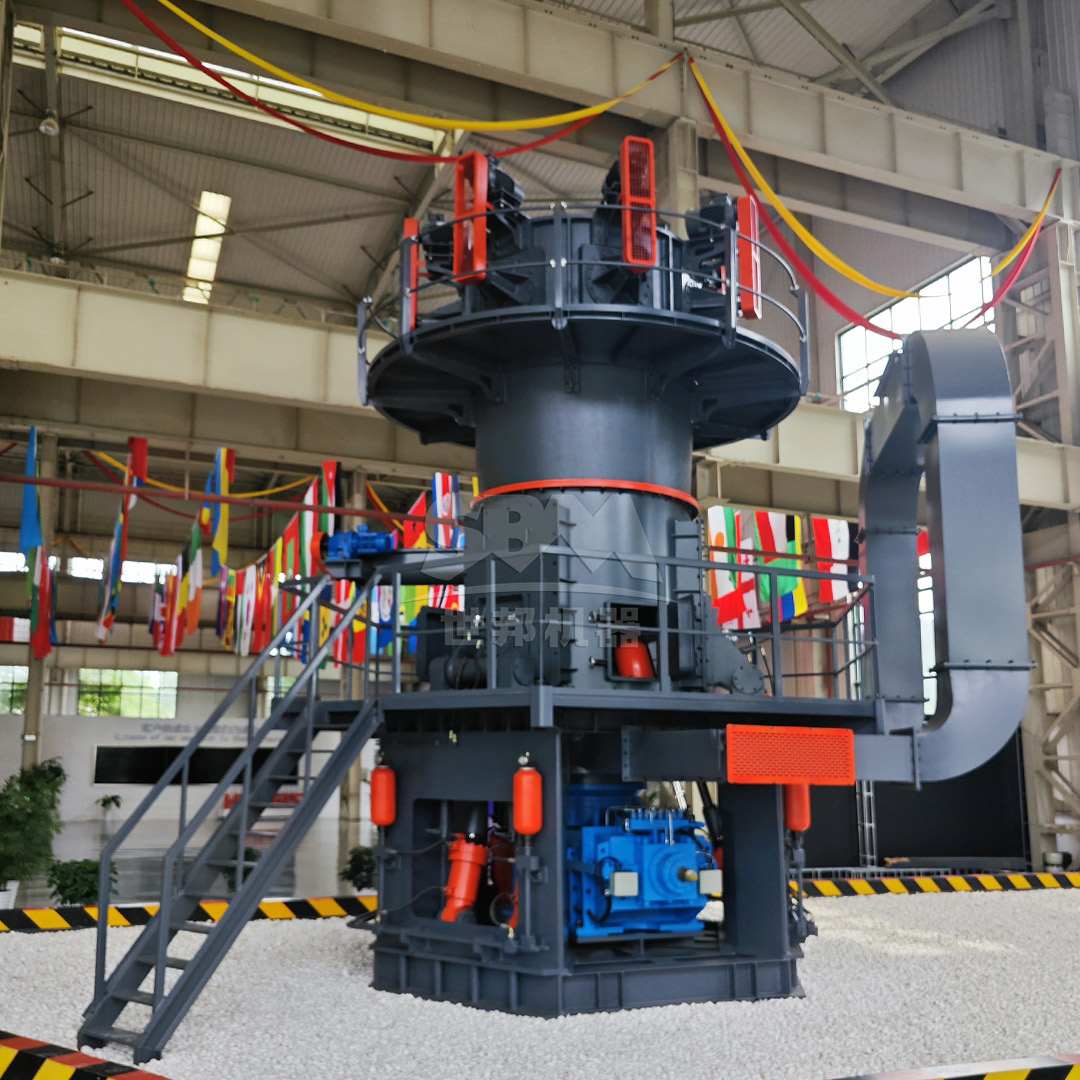
In contrast, the LM Series Vertical Roller Mill operates on a different principle. The grinding table rotates, and materials spread under centrifugal force. Grinding rollers apply hydraulic pressure to crush the material layer (bed grinding). Hot air lifts the fine powder to a dynamic separator. This design is not only efficient but also allows for the integration of drying, grinding, and classification in a single unit, reducing the plant footprint by up to 50%.
Comparison of Key Specifications
When comparing models, consider the input size, output fineness, and capacity in relation to your specific needs. For a typical graphite electrode plant, a mill with an input size capacity of up to 20-30mm is sufficient for pre-crushed material. The choice between a mill offering 30-325 mesh vs. 325-2500 mesh depends on whether you are making standard or UHP electrodes.
For large-scale industrial applications requiring high throughput and lower energy costs, the LM Series Vertical Roller Mill is an exceptional choice. With capacities ranging from 3 to 250 tons per hour, it is designed for heavy-duty operations. Its integrated design combines crushing, grinding, and selection, reducing the need for additional equipment. The non-contact design between rollers and the table extends the wear part life by three times, significantly lowering maintenance costs. The system’s expert-level intelligent control ensures stable product quality with minimal human intervention. This is the premier solution for high-capacity graphite powder production.
Conclusion: Making the Right Investment
Selecting the right graphite electrode grinding mill is a complex decision that impacts financial performance and product quality. The key is to match the machine’s capabilities to your specific raw material characteristics and target product fineness. For ultra-fine grinding where precision is paramount, the SCM series stands out. For high-capacity, energy-efficient intermediate grinding, the MTW series is a market leader. For the largest integrated operations requiring maximum throughput and lowest cost per ton, the LM series vertical roller mill is the most advanced solution available today.
We at [Your Company Name] provide a complete range of grinding solutions tailored to the graphite and carbon industries. Our expert team can analyze your material and provide a customized recommendation, ensuring you achieve the optimal balance of efficiency, durability, and product quality. Investing in the right technology is the foundation of success in the demanding world of graphite electrode manufacturing.