Phosphate Chemical Industry Collective Surge! New Opportunities for Phosphorus Rock Grinding Mill Manufacturers
Introduction: The Rising Tide of the Phosphate Chemical Industry
The global phosphate chemical industry is experiencing a remarkable collective surge. Driven by the increasing demand for phosphate fertilizers in agriculture, the expansion of specialty chemical applications, and the critical role of phosphorus in lithium-iron-phosphate (LFP) batteries for electric vehicles and energy storage systems, the market for phosphate rock is more vibrant than ever. This rapid growth presents unprecedented new opportunities for grinding mill manufacturers who specialize in processing phosphorus rock. As the backbone of phosphate fertilizer production—from single superphosphate (SSP) and triple superphosphate (TSP) to monoammonium phosphate (MAP) and diammonium phosphate (DAP)—the efficiency of the grinding process directly impacts final product quality, cost, and environmental compliance.
Why Grinding Mills Are Critical in the Phosphate Value Chain
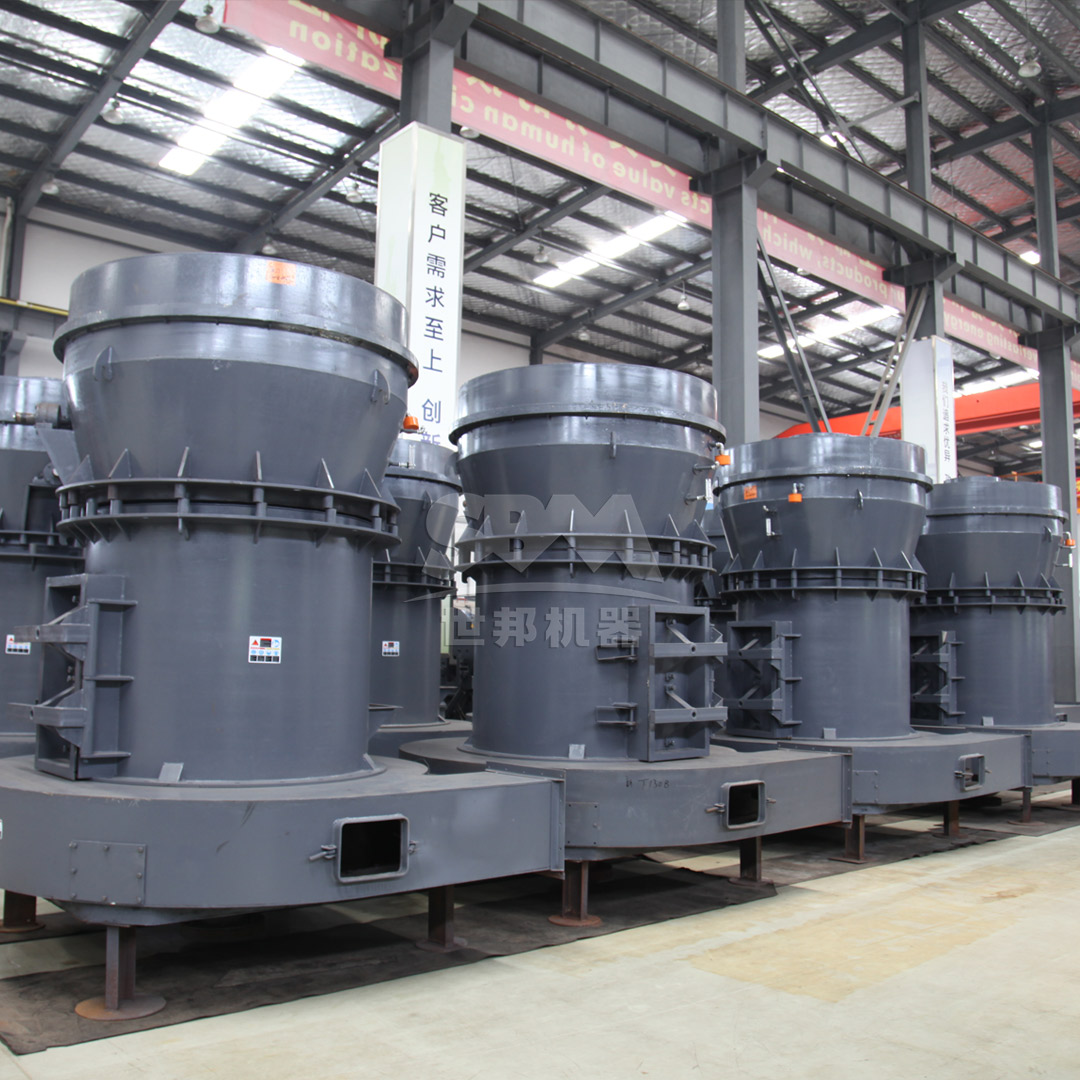
Phosphorus rock, also known as phosphate ore, must be ground into a fine powder before it can be treated with sulfuric or phosphoric acid. The fineness and consistency of the ground rock are decisive factors in the chemical reaction rate and the overall efficiency of the downstream process. A poorly ground rock leads to incomplete reactions, higher acid consumption, and lower quality fertilizers. As environmental regulations tighten worldwide, there is also a push for grinding systems that consume less energy, produce less noise, and operate with zero dust emissions. This is where advanced grinding mill technology becomes a game-changer.
Key Challenges in Phosphorus Rock Grinding
Phosphate rock has unique physical and chemical properties that pose specific challenges. It is often hard, abrasive, and can have a high moisture content. The material’s Mohs hardness typically ranges from 5 to 6, requiring robust, wear-resistant equipment. Traditional ball mills, while reliable, suffer from high energy consumption and significant wear and tear. The industry’s collective shift toward more efficient, eco-friendly solutions has opened the door for next-generation mills like the vertical roller mill, ultrafine mill, and European trapezium mill. Manufacturers who can deliver higher capacity, lower operating costs, and precise product fineness control are now leading the market.
Technological Innovations Driving the Grinding Market
Modern grinding mills are no longer just crushing machines; they are integrated processing systems. Intelligent control systems allow for automatic feedback on finished product granularity, ensuring consistent quality. Advanced classification technology, such as vertical turbine classifiers, provides precise particle size cutting without coarse powder mixing. Innovations in wear-resistant materials, like specialized alloy rollers and liners, extend service life by several times compared to conventional equipment. Furthermore, the push for green manufacturing has led to the development of fully sealed, negative-pressure grinding systems with pulse dust collectors that achieve emission levels surpassing international standards.
Product Spotlight: SCM Series Ultrafine Mill for Premium Phosphate Powders
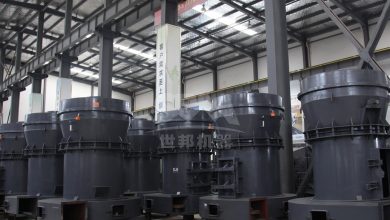
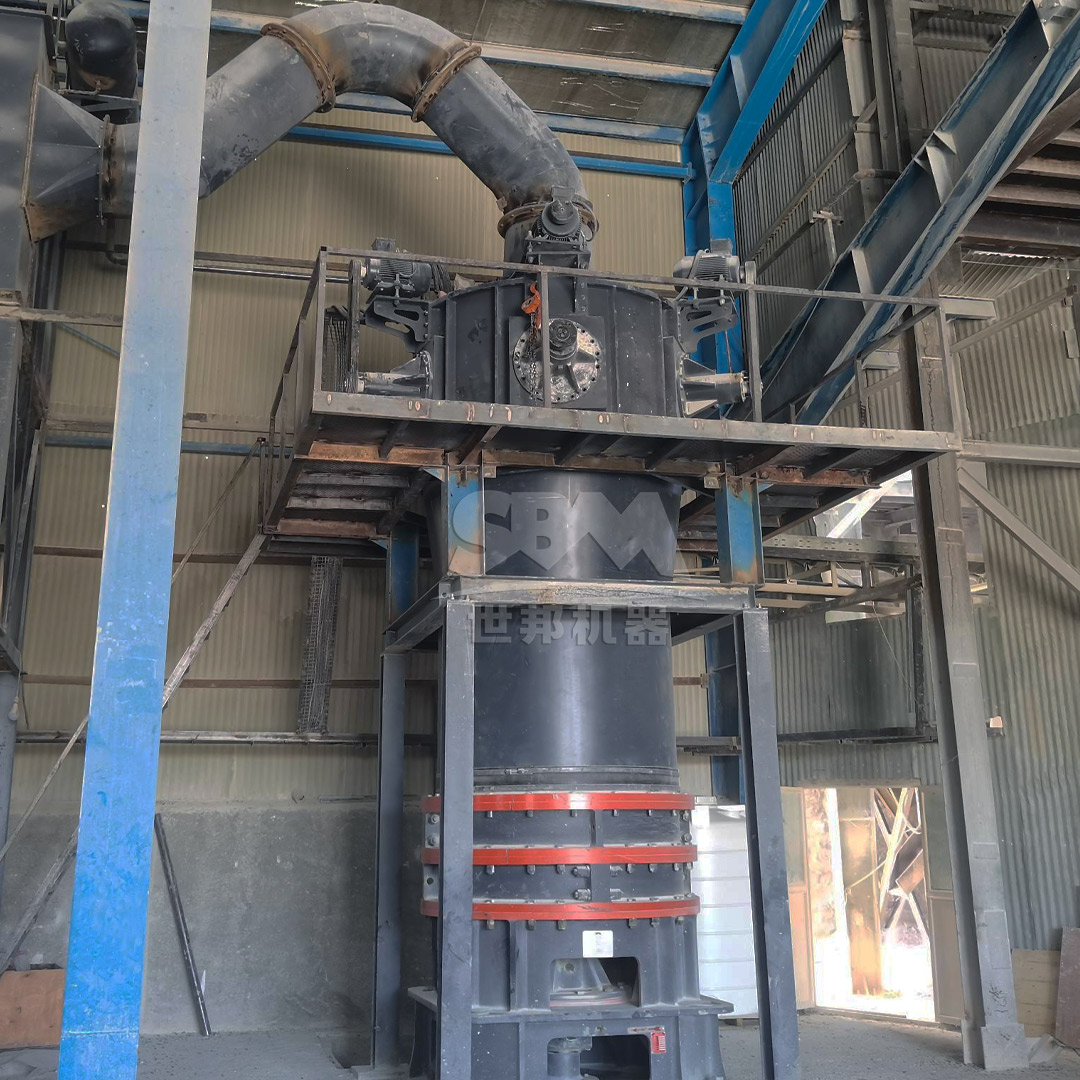
For phosphate rock grinding applications requiring ultra-fine and super-fine powders, the SCM Series Ultrafine Mill (45-5μm) stands out as a top-tier solution. Designed with an input size of up to 20mm, this mill achieves an impressive output fineness ranging from 325 to 2500 mesh. Its capacity spans from 0.5 to 25 ton/h, depending on the model. The SCM mill’s core advantage lies in its high efficiency and energy savings—its capacity is twice that of traditional jet mills, while consuming 30% less energy. This is achieved through its patented three-layer grinding ring design and intelligent control system with automatic granularity feedback. The durable construction, featuring special material rollers and rings, ensures stable operation and a significantly extended service life. For producers aiming to create high-value specialty phosphate products, the SCM Series is an ideal investment.
Product Spotlight: MTW Series European Trapezium Mill for High-Capacity Production
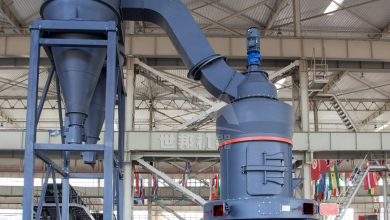
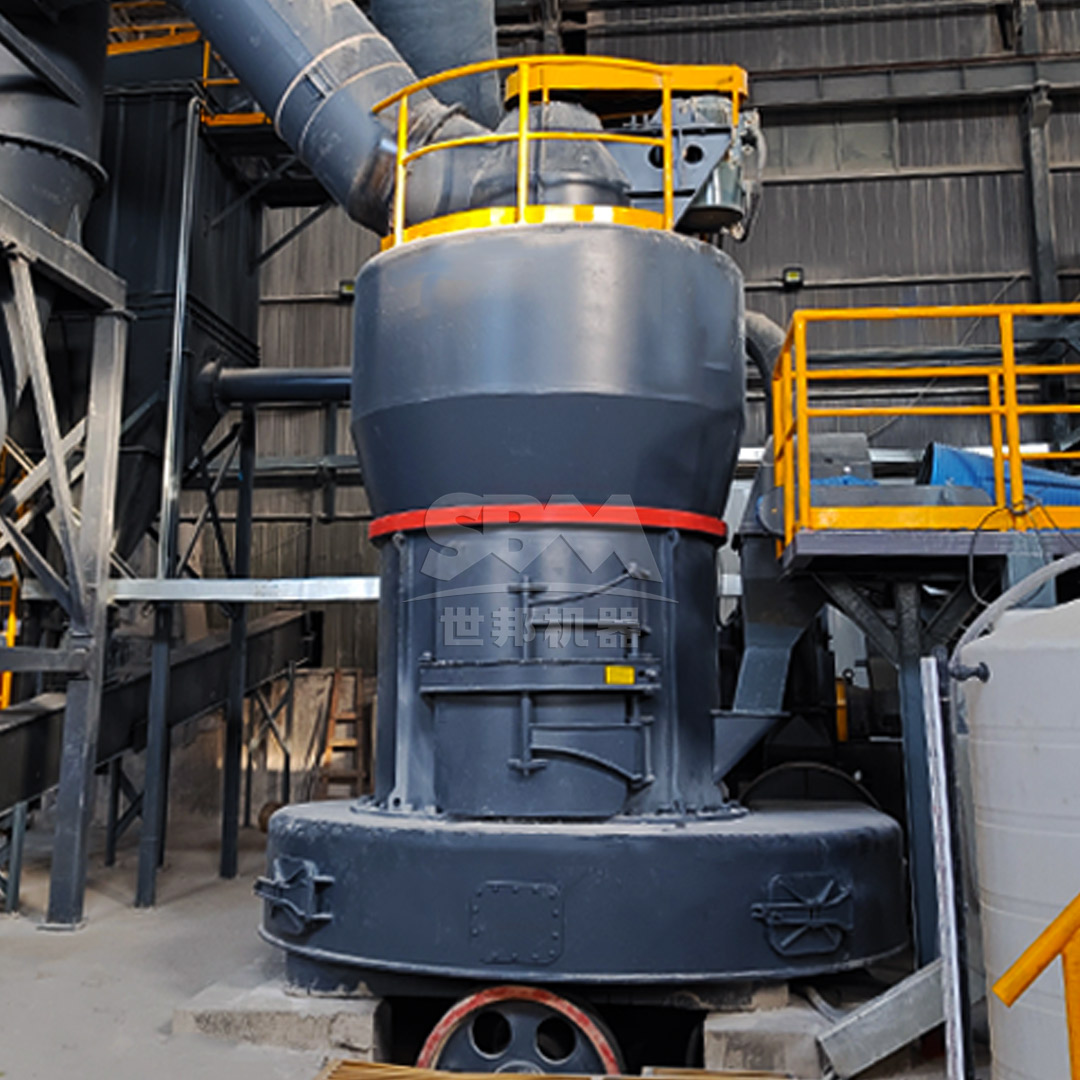
When the requirement shifts to high-capacity grinding of phosphate rock for standard fertilizer production, the MTW Series European Trapezium Mill (600-45μm) emerges as a market leader. Capable of processing feed sizes up to 50mm and delivering a fineness of 30-325 mesh, this mill offers an exceptional capacity range of 3 to 45 ton/h. The MTW mill is renowned for its low operating cost and high reliability. Its anti-wear combined shovel blades significantly reduce maintenance costs, while the optimized arc air duct minimizes airflow energy loss. The integral bevel gear drive boasts a transmission efficiency of up to 98%, saving both space and installation costs. With its patented internal suction oil lubrication system and internationally advanced pulse dust removal technology, the MTW mill is not only powerful but also environmentally responsible.
LM Series Vertical Roller Mill: The Integrated Powerhouse
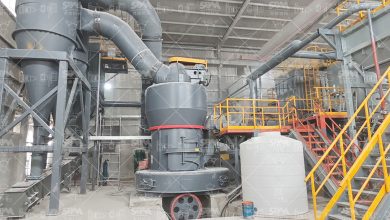
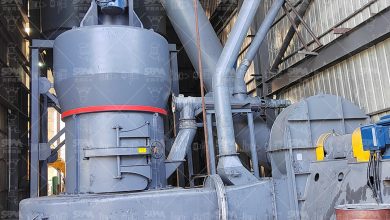
For large-scale phosphorus chemical plants requiring massive throughput and integrated processing, the LM Series Vertical Roller Mill (600-45μm) offers a comprehensive solution. With a capacity ranging from 3 to 250 ton/h, this mill integrates crushing, grinding, and classification into a single unit, reducing floor space by 50% and infrastructure costs by 40%. Its non-contact design between rollers and table extends wear part life by three times, while energy consumption is 30-40% lower than ball mill systems. The expert-level auto-control system supports remote monitoring, making it suitable for modern, automated industrial facilities.
Market Outlook and Future Trends
The future of phosphorus rock grinding is clearly oriented toward intelligence, sustainability, and scale. As the global demand for phosphate fertilizers continues to grow—particularly in developing regions like Africa, South America, and parts of Asia—the need for reliable, efficient grinding equipment will intensify. Manufacturers that offer turnkey solutions, including pre-grinding, fine grinding, and dust control systems, will capture the most value. Moreover, the trend toward battery-grade phosphates requires unprecedented precision in particle size distribution, which only advanced ultrafine mills can provide. Companies like ours, with a product portfolio spanning from hammer mills for coarse crushing to ultrafine vertical roller mills for micro-powder production, are uniquely positioned to serve every segment of this booming industry.
Conclusion: Seizing the Moment
The collective surge of the phosphate chemical industry is not a short-lived trend; it is a structural shift driven by global food security needs and the green energy transition. For phosphorus rock grinding mill manufacturers, this is the moment to innovate, expand, and deliver solutions that enable our partners to produce more with less. Whether it is the ultra-fine precision of the SCM Series, the high-capacity efficiency of the MTW Series, or the integrated power of the LM Vertical Roller Mill, our company has the technology to help you succeed. We invite you to partner with us and grind your way to a more profitable and sustainable future.