
What Causes Low Output of Limestone Vertical Mill?
Introduction
Limestone vertical mills are widely used in the cement, power, metallurgy, and chemical industries for their high grinding efficiency, compact footprint, and excellent product quality. However, many operators encounter a common problem: low output. When the production rate falls below the designed capacity, it directly affects the entire production line’s profitability and energy consumption. Understanding the root causes is the first step toward effective troubleshooting.
In this article, we analyze the major factors that lead to reduced output in limestone vertical mills and provide practical solutions. We also introduce two high-performance equipment options from our company that can significantly enhance grinding capacity and stability.
1. Material Properties and Feed Conditions
The physical and chemical properties of limestone have a profound impact on mill performance. Key factors include:
- Moisture content: High moisture (above 2-3%) causes material to stick to the grinding table and rollers, forming a cushion layer that reduces grinding efficiency. It also leads to clogging in the classifier and dust collector.
- Hardness and grindability: Limestone with high quartz content or high Bond Work Index is harder to grind, requiring more energy and reducing throughput.
- Particle size distribution: If the feed contains excessive fines or coarse lumps beyond the mill’s rated input size (e.g., >50mm for most vertical mills), the grinding process becomes unstable.
- Feed rate inconsistency: Fluctuations in feed rate cause the grinding bed to become too thin or too thick, leading to vibration or reduced grinding pressure.
Solution: Ensure proper pre-blending and moisture control. Install a pre-grinding system or use a hammer mill to homogenize feed size. For high-moisture limestone, consider using a hot air generator to dry the material during grinding.
2. Grinding Parameters and Operational Settings
Incorrect operational parameters are among the most frequent causes of low output. Critical parameters include:
- Grinding pressure: Too low pressure results in insufficient crushing; too high pressure causes excessive vibration and wear. The optimal pressure depends on material grindability and feed size.
- Classifier speed: If the classifier is set too fine, more material is recirculated, reducing output. If too coarse, product quality suffers but output may increase—however, this is not a sustainable solution.
- Air volume and temperature: Insufficient air flow cannot lift ground particles to the classifier, causing re-grinding and lower output. Low air temperature fails to dry the material, leading to clogging.
- Grinding bed thickness: The bed should be stable and uniform. An unstable bed reduces grinding efficiency and increases power consumption per ton.
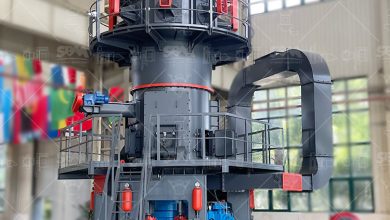
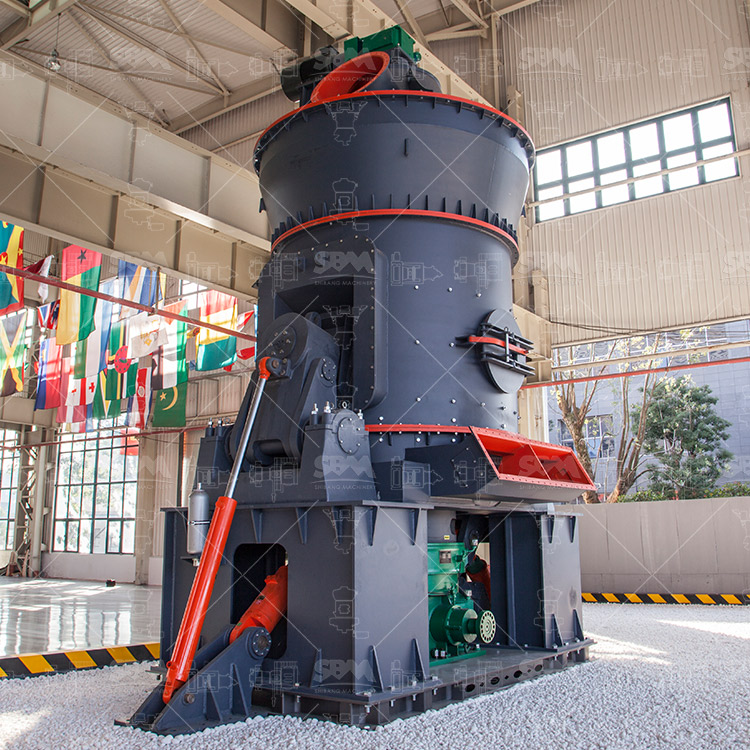
Solution: Implement an intelligent control system that automatically adjusts these parameters based on real-time feedback. Our LM Series Vertical Roller Mill features an expert-level auto-control system that monitors grinding pressure, bed thickness, and classifier speed to maintain optimal output.
3. Equipment Wear and Maintenance Status
Wear of grinding rollers, table liners, and classifier blades is inevitable but must be managed. Key issues:
- Worn roller and liner profiles: As wear progresses, the grinding gap increases, reducing crushing force and output. Uneven wear causes vibration and poor bed formation.
- Damaged classifier blades: Worn or broken blades lead to coarse particles in the finished product, forcing operators to increase classifier speed, which reduces output.
- Leaking hydraulic system: Pressure loss in the hydraulic system reduces grinding force.
- Blocked air ducts or nozzle ring: Material buildup restricts airflow, lowering lifting capacity and output.
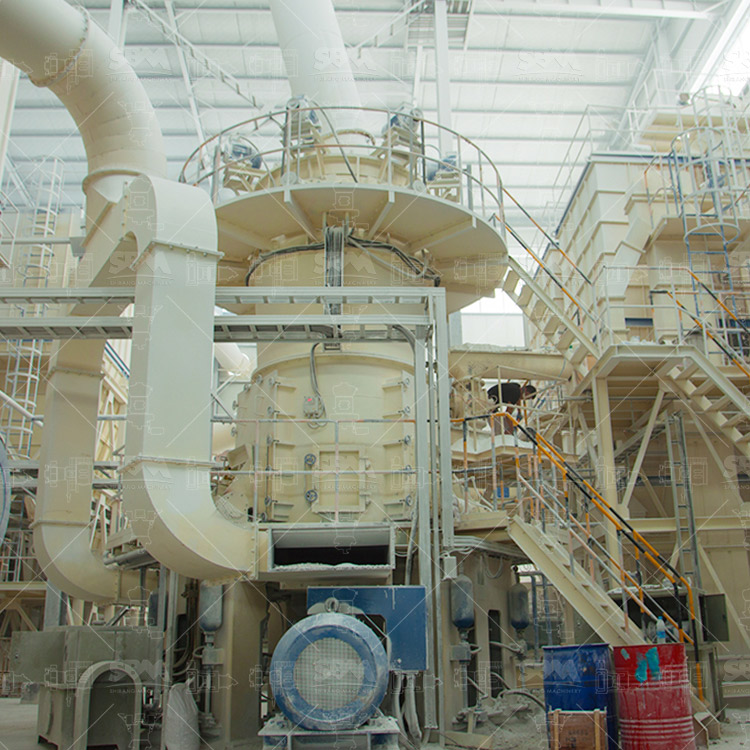
Solution: Establish a regular maintenance schedule. Use wear-resistant materials such as high-chrome alloys or ceramic composites. Our LM Series Vertical Roller Mill uses a modular grinding roller assembly with a quick-change system, reducing downtime by up to 50%. Additionally, the non-contact design between rollers and table extends wear part life by 3 times compared to traditional mills.
4. System Configuration and Auxiliary Equipment
The vertical mill is part of an integrated grinding system. Poorly matched auxiliary equipment can bottleneck output:
- Inadequate fan capacity: If the system fan cannot provide sufficient airflow, material transport is hindered.
- Undersized dust collector: A clogged or undersized bag filter increases system resistance, reducing air volume.
- Feeders with insufficient capacity: A feeder that cannot deliver the required tonnage will starve the mill.
- Improper duct design: Excessive bends or insufficient diameters cause pressure losses.
Solution: Conduct a system audit. Upgrade the fan and dust collector if necessary. For new projects, choose a complete grinding system from a reputable supplier. Our company offers not only the LM Series Vertical Roller Mill but also the MTW Series European Trapezium Mill, which is ideal for medium-fine limestone grinding with capacities up to 45 t/h.
5. Recommended Products to Boost Limestone Mill Output
If you are struggling with low output from your existing limestone vertical mill, or if you are planning a new production line, our company provides two outstanding solutions:
LM Series Vertical Roller Mill (600-45μm)
Our flagship vertical mill integrates crushing, grinding, and classification. With a capacity range of 3-250 t/h, it can handle large-scale limestone processing. Key advantages include:
- Low operating cost: Energy consumption is 30-40% lower than ball mill systems.
- Intelligent control: Real-time monitoring reduces manual intervention.
- Environmental compliance: Fully sealed negative pressure operation ensures dust emission < 20 mg/m³.
- Patented technology: Modular roller assembly, dynamic classifier multi-stage adjustment, and hot air circulation energy-saving system.
For limestone grinding to 170-45μm, models such as LM130K, LM150K, LM170K, LM190K, LM220K, and LM280K deliver reliable high output.
MTW Series European Trapezium Mill (600-45μm)
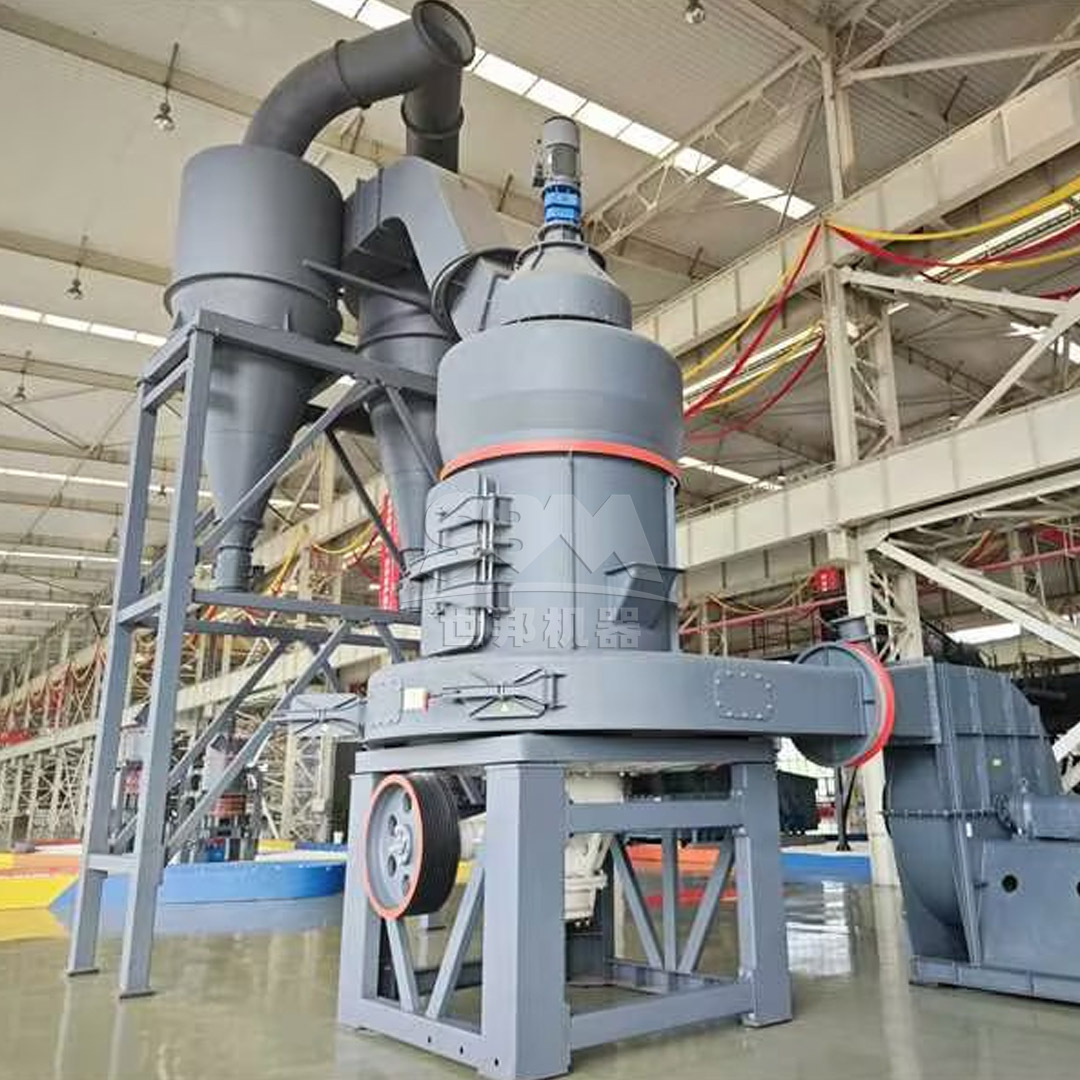
For medium-capacity limestone grinding (3-45 t/h), the MTW mill is an excellent choice. Its anti-wear shovel design and optimized arc air duct reduce airflow energy loss, improving transmission efficiency. The integral bevel gear drive achieves 98% transmission efficiency, saving space and installation costs. The wear-resistant volute structure reduces maintenance costs by 30%.
6. Best Practices to Maintain High Output
- Regular inspection: Check roller and table wear every 500 hours; replace or hard-face as needed.
- Optimize feed size: Keep feed size below 50mm (or per mill specification). Use a pre-grinding roller mill like our LM-Y Vertical Pre-grinding Roller Mill to reduce feed size and increase system capacity by 30-50%.
- Control moisture: Dry limestone to less than 1% moisture before grinding.
- Automate: Install a PLC-based control system that adjusts grinding pressure, classifier speed, and air volume automatically.
- Train operators: Ensure operators understand the relationship between feed rate, grinding pressure, and output.
Conclusion
Low output of a limestone vertical mill is rarely caused by a single factor. It is usually the result of material properties, operational parameters, equipment wear, and system configuration. By systematically diagnosing each area, you can restore and even exceed the mill’s rated capacity.
For superior performance and reliability, consider our LM Series Vertical Roller Mill or MTW Series European Trapezium Mill. Both are engineered to deliver high output, low energy consumption, and long service life. Contact our engineers today for a customized solution that maximizes your limestone grinding efficiency.