
What Equipment Can Grind Electrolytic Manganese? Electrolytic Manganese Powder Grinding Mill Equipment
Introduction to Electrolytic Manganese
Electrolytic manganese is a high-purity manganese product produced through the electrolysis of manganese sulfate solution. It typically contains 99.7% to 99.9% manganese, making it one of the purest forms of manganese available in the market. This remarkable purity gives electrolytic manganese unique physical and chemical properties that are essential across a wide range of industries, including steel production, battery manufacturing, electronics, and chemical processing.
As industries continue to demand higher performance materials, the need for finely ground electrolytic manganese powder has grown substantially. Whether used as an alloying additive in specialty steels, a cathode material precursor in lithium-ion batteries, or a raw material in the production of manganese-based chemicals, the particle size and uniformity of electrolytic manganese powder directly influence the quality and performance of the final product. Therefore, selecting the right grinding equipment is not merely a matter of production efficiency—it is a critical factor in achieving product consistency and meeting stringent industry standards.
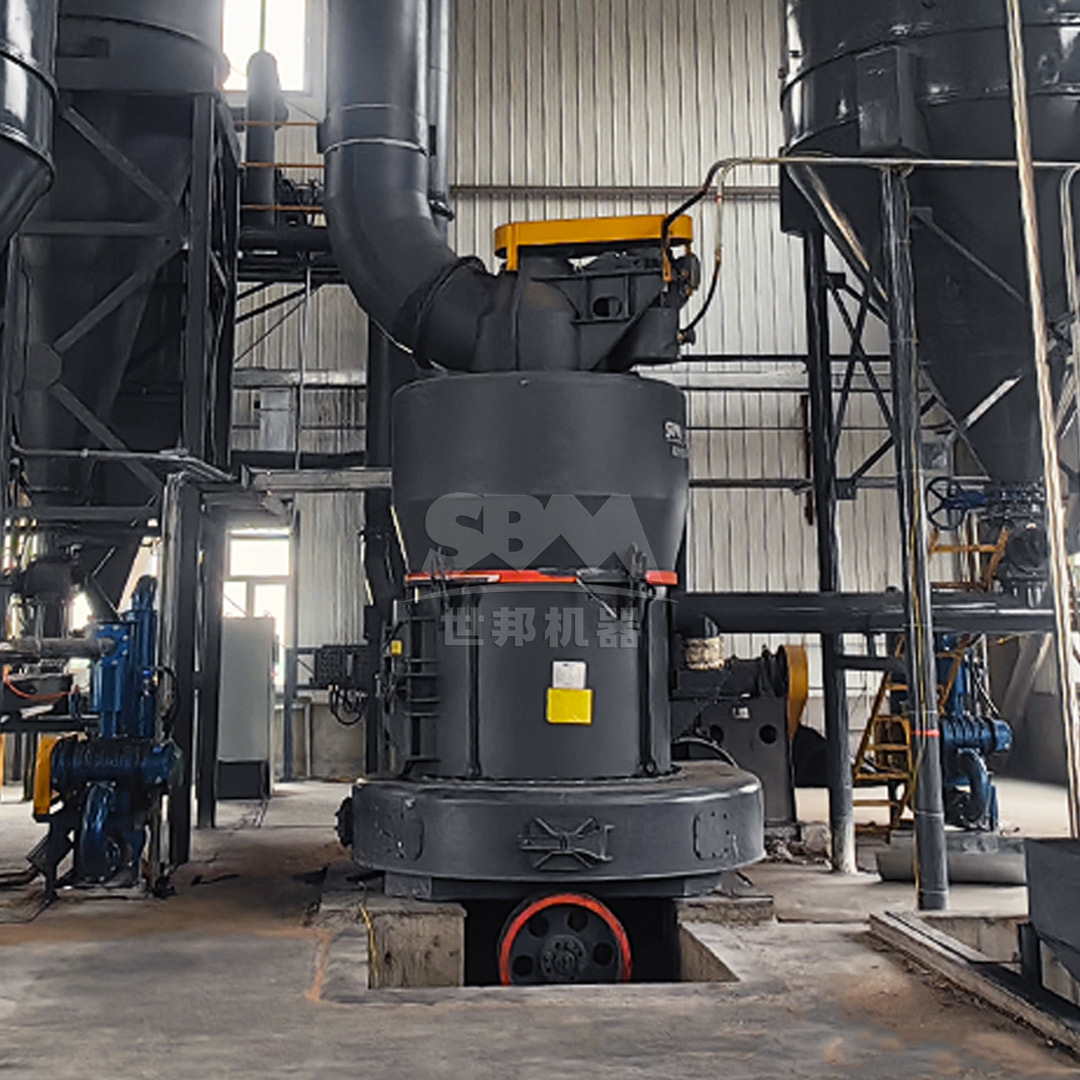
Why Is Grinding Electrolytic Manganese Challenging?
Despite its widespread applications, grinding electrolytic manganese presents several unique challenges that set it apart from grinding other industrial minerals. Understanding these challenges is essential for choosing the most suitable grinding mill equipment.
1. High Hardness and Brittleness
Electrolytic manganese has a Mohs hardness of approximately 5 to 6, which places it in the medium-to-hard category. While it is brittle and tends to fracture rather than deform, its hardness means that grinding equipment must be equipped with wear-resistant components capable of withstanding prolonged abrasive forces. Without proper material selection for grinding rollers, rings, or balls, equipment wear can escalate rapidly, leading to frequent maintenance and increased operational costs.
2. Sensitivity to Contamination
Because electrolytic manganese is often used in high-purity applications—especially in battery materials and specialty alloys—contamination during the grinding process is a serious concern. Iron contamination from worn grinding media or liners can degrade the chemical purity of the final powder, rendering it unsuitable for sensitive applications. This necessitates grinding equipment that minimizes metal-to-metal contact and is designed with contamination control in mind.
3. Particle Size Distribution Requirements
Different applications require different particle size distributions. For instance, battery-grade manganese powder may require particles in the range of 5 to 20 microns, while metallurgical applications may accept coarser sizes. The grinding equipment must therefore offer precise control over the final product fineness, with the ability to adjust particle size distribution as needed.
4. Dust and Environmental Concerns
Manganese dust is potentially hazardous to human health and the environment. Effective dust collection and containment systems are essential components of any electrolytic manganese grinding operation. Equipment that operates under negative pressure with high-efficiency pulse dust collectors is strongly preferred.
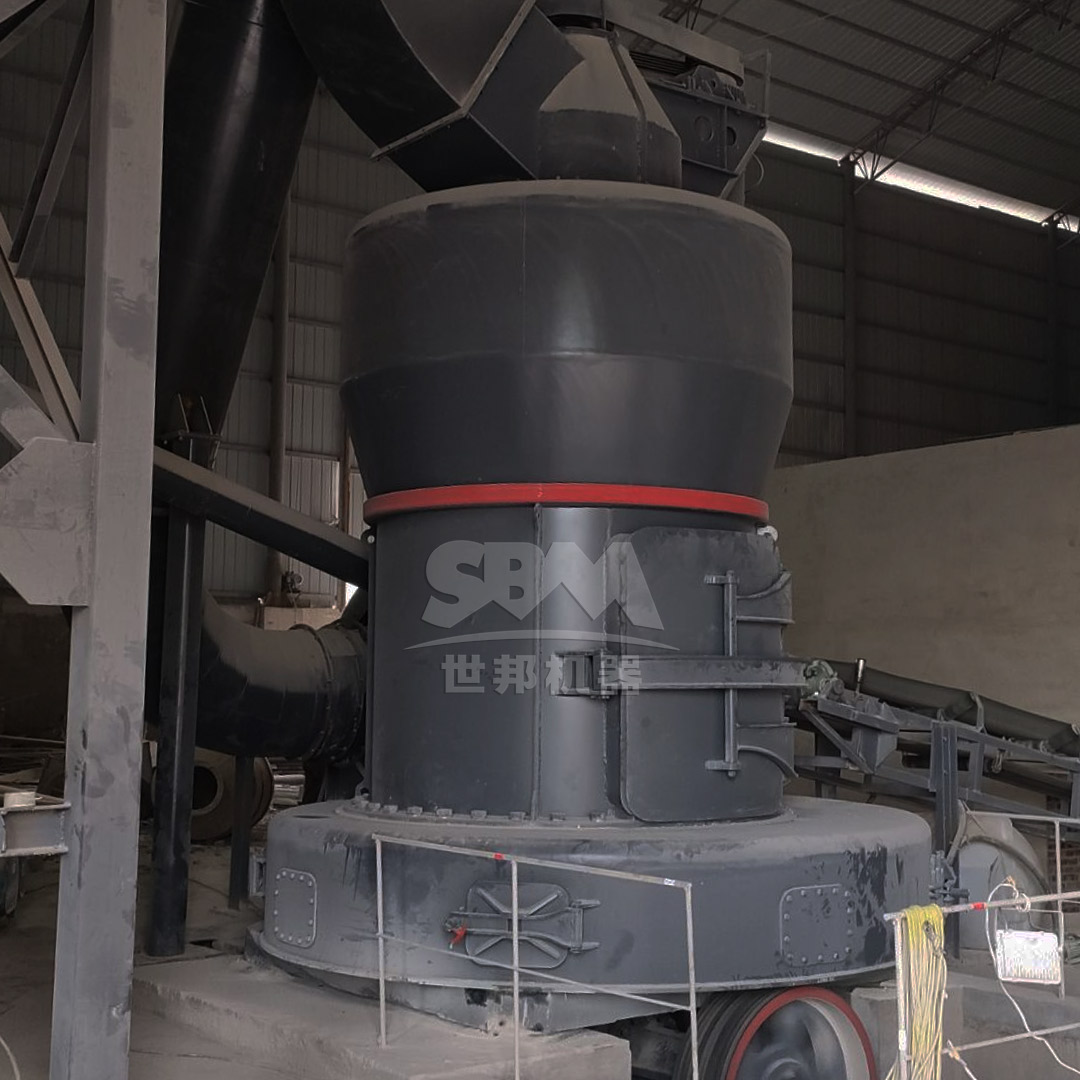
Key Equipment Options for Grinding Electrolytic Manganese
Given the specific characteristics of electrolytic manganese, not all grinding mills are suitable for this application. Below, we examine several types of grinding equipment that are commonly used for processing electrolytic manganese, with particular attention to their suitability for achieving fine and ultrafine powder sizes.
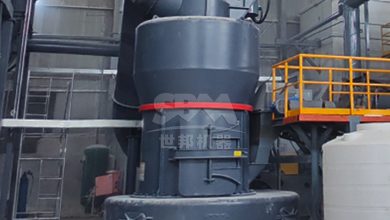
SCM Series Ultrafine Mill (45-5μm)
For manufacturers seeking ultrafine electrolytic manganese powder, the SCM Series Ultrafine Mill represents one of the most advanced solutions available. This equipment is specifically designed to produce powder with fineness ranging from 325 to 2500 mesh (approximately 45 to 5 microns), making it ideal for high-purity, high-value applications.
The SCM Series Ultrafine Mill features a vertical turbine classifier that achieves precise particle size cutting, ensuring that no coarse powder mixes into the finished product. This level of classification precision is particularly important for battery-grade electrolytic manganese powder, where consistency is paramount.
In terms of efficiency, the SCM Series Ultrafine Mill delivers a capacity that is twice that of traditional jet mills while consuming 30% less energy. The intelligent control system provides automatic finished product granularity feedback, allowing operators to maintain consistent output quality with minimal manual intervention. The grinding rollers and rings are made from specially selected materials that extend service life several times over compared to standard components, which is crucial when processing a hard and abrasive material like electrolytic manganese.
The SCM Series is available in multiple models, including the SCM800, SCM900, SCM1000, SCM1250, and SCM1680, with capacities ranging from 0.5 to 25 tons per hour. This range allows manufacturers to select the model that best matches their production scale.
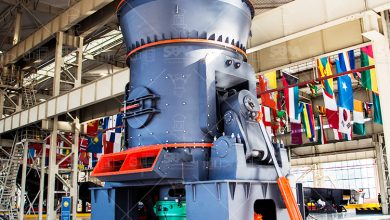
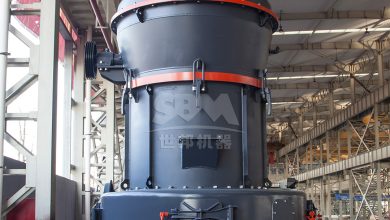
MTW Series European Trapezium Mill (600-45μm)
For applications requiring medium-to-fine grinding, the MTW Series European Trapezium Mill is an excellent choice. With an output fineness range of 30 to 325 mesh (down to 0.038mm), this mill offers flexibility in producing electrolytic manganese powder for a variety of end uses.
The MTW Series features an optimized arc air duct that reduces airflow energy loss and improves transmission efficiency. The anti-wear shovel design, with combined shovel blades and a curved profile, reduces maintenance costs and extends the life of grinding rollers. The integral bevel gear drive achieves transmission efficiency of up to 98%, saving both space and installation costs.
One of the standout features of the MTW Series is its wear-resistant volute structure. The non-resistance flow design improves air selection efficiency and reduces maintenance costs by approximately 30%. For electrolytic manganese processing, this translates to more consistent product quality and lower total cost of ownership.
The MTW Series includes models such as the MTW110, MTW138Z, MTW175G, and MTW215G, with capacities ranging from 3 to 45 tons per hour. This makes it suitable for both medium-scale and large-scale production facilities.
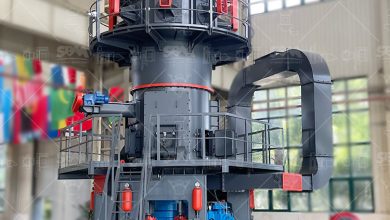
LM Series Vertical Roller Mill (600-45μm)
The LM Series Vertical Roller Mill is another strong contender for grinding electrolytic manganese, particularly for large-scale operations. With capacities ranging from 3 to 250 tons per hour, this mill can handle substantial production volumes while maintaining consistent product quality.
The LM Series features an integrated design that combines crushing, grinding, and selection into a single system, reducing floor space by 50% compared to traditional setups. The non-contact design between rollers and the grinding table minimizes wear, extending wear part life by up to three times. Energy consumption is 30-40% lower than ball mill systems, which is a significant advantage given the energy-intensive nature of manganese grinding.
The intelligent control system supports remote and local switching, with real-time monitoring of parameters to reduce manual intervention. The fully sealed negative pressure operation ensures dust emission is minimized, meeting stringent environmental standards.
How to Choose the Right Grinding Mill for Electrolytic Manganese
Selecting the optimal grinding equipment for electrolytic manganese requires careful consideration of several factors:
1. Target Particle Size
If the desired product is ultrafine powder (below 45 microns), the SCM Series Ultrafine Mill or LUM Ultrafine Vertical Roller Mill would be the most appropriate choice. For medium-fine powder (45 to 600 microns), the MTW Series or LM Series offers excellent performance.
2. Production Capacity
Small to medium-scale operations may find the SCM800 or MTW110 sufficient, while large-scale industrial production may require the SCM1680, MTW215G, or LM Series with capacities exceeding 100 tons per hour.
3. Contamination Control
For high-purity applications, equipment that minimizes iron contamination—such as vertical roller mills with ceramic or specially coated wear parts—should be prioritized.
4. Energy Efficiency
Given the rising cost of energy, mills with lower specific energy consumption per ton of product are increasingly preferred. Vertical roller mills and ultrafine mills generally outperform ball mills in this regard.
5. Environmental Compliance
Equipment with integrated pulse dust collection and negative pressure operation is essential for meeting environmental regulations and ensuring worker safety.
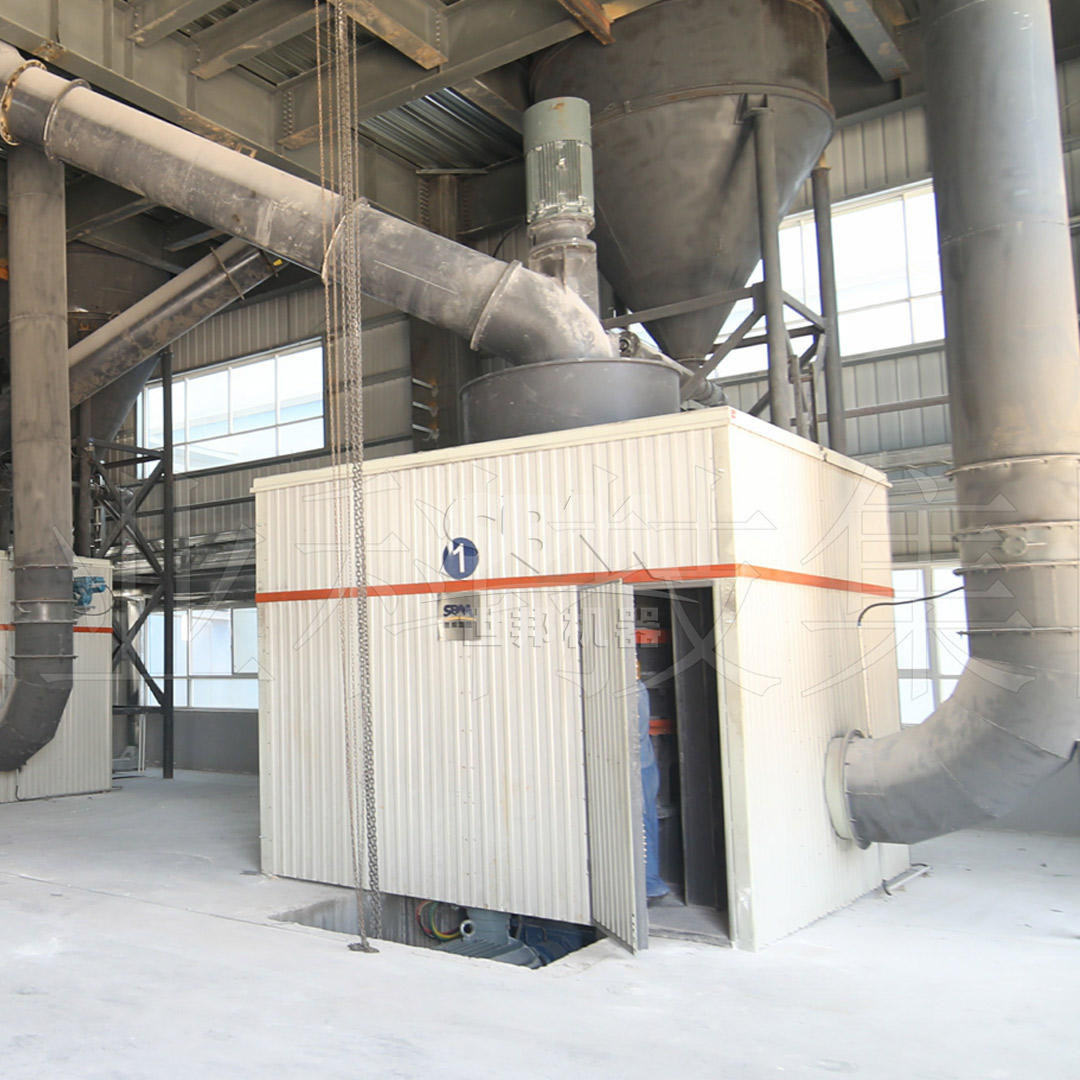
Recommended Equipment from Our Product Line
Based on our extensive experience in mineral processing and powder engineering, we strongly recommend the following two products for grinding electrolytic manganese:
1. SCM Series Ultrafine Mill
The SCM Series Ultrafine Mill is our top recommendation for producing high-quality ultrafine electrolytic manganese powder. Its ability to achieve fineness as fine as 2500 mesh (5 microns) makes it ideal for battery materials, electronic components, and other high-value applications. The combination of high efficiency, precise classification, durable wear parts, and eco-friendly operation makes it a comprehensive solution for manufacturers who demand the best.
2. MTW Series European Trapezium Mill
For manufacturers who require a versatile mill capable of producing a wide range of particle sizes at high capacity, the MTW Series European Trapezium Mill is an outstanding choice. Its robust construction, efficient drive system, and advanced dust collection make it well-suited for continuous operation in demanding industrial environments. With capacities up to 45 tons per hour, it can support both medium and large-scale electrolytic manganese grinding operations.
Conclusion
Grinding electrolytic manganese into fine and ultrafine powder is a technically demanding process that requires equipment specifically designed to handle the material’s hardness, abrasiveness, and purity requirements. The SCM Series Ultrafine Mill and MTW Series European Trapezium Mill from our product line represent two of the most reliable and efficient solutions available on the market today. By selecting the right grinding equipment and optimizing operational parameters, manufacturers can achieve consistent product quality, reduce production costs, and meet the ever-growing demand for high-purity electrolytic manganese powder across industries.
Whether you are producing manganese powder for lithium-ion batteries, specialty steel alloys, or chemical reagents, investing in the right grinding technology is a decision that will pay dividends for years to come. We encourage you to consult with our technical team to determine the optimal mill configuration for your specific electrolytic manganese processing needs.