What Are the Main Applications of Talc Powder Processed by Ultrafine Grinding Mills?
Introduction to Talc and Ultrafine Processing
Talc, a naturally occurring hydrated magnesium silicate mineral with the chemical formula Mg₃Si₄O₁₀(OH)₂, is one of the softest minerals on the Mohs hardness scale, ranking at just 1. Despite its softness, talc possesses a unique combination of properties—including chemical inertness, thermal stability, high whiteness, lamellar structure, and excellent lubricity—that make it indispensable across a remarkably diverse range of industries. When talc is processed through ultrafine grinding mills, its particle size can be reduced to the micron and even sub-micron range, dramatically enhancing its surface area, dispersion characteristics, and functional performance. The resultant ultrafine talc powder, typically ground to 325–2500 mesh (approximately 45–5 μm), opens up applications that are far beyond the capabilities of conventionally ground talc.
In this article, we explore the principal applications of ultrafine talc powder and how advanced grinding technologies transform raw talc into a high-value industrial material.
1. Plastics and Polymer Composites
1.1 Reinforcing Filler in Polypropylene and Thermoplastics
One of the largest and fastest-growing applications for ultrafine talc powder is as a reinforcing filler in plastics, particularly in polypropylene (PP) and other thermoplastics. When talc is ground to ultrafine particle sizes, its high aspect ratio lamellar platelets act as effective nucleating agents, significantly improving the mechanical properties of the polymer matrix.
Key benefits of ultrafine talc in plastics include:
- Increased stiffness and flexural modulus: Ultrafine talc enhances the rigidity of PP components, making it ideal for automotive interior parts, appliance housings, and packaging materials.
- Improved dimensional stability: The fine, uniform particles reduce shrinkage and warping during injection molding.
- Enhanced thermal resistance: Talc-filled plastics exhibit better heat deflection temperatures.
- Cost reduction: As an inexpensive mineral filler, talc reduces the overall raw material cost of plastic products.
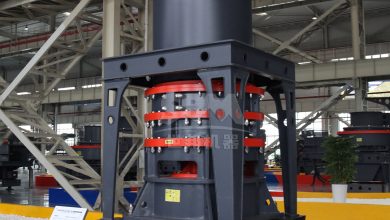
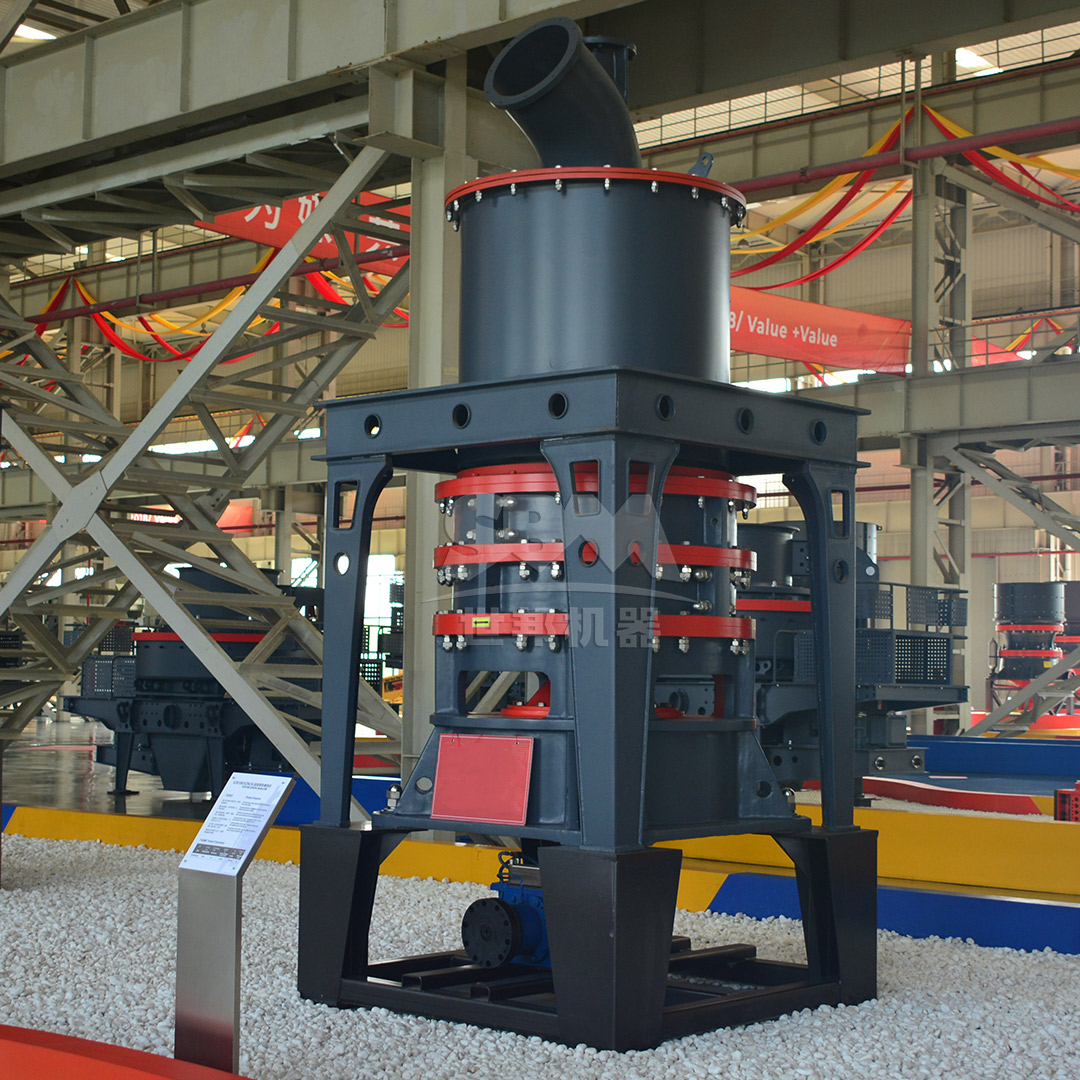
For these applications, particle size distribution is critical. Coarse or agglomerated particles can create surface defects and stress concentrations. Ultrafine grinding mills equipped with high-precision classifiers—such as the SCM Series Ultrafine Mill—ensure that talc powder achieves a narrow particle size distribution with no coarse powder contamination, delivering consistent performance in polymer systems.
1.2 Automotive Plastics
In the automotive industry, talc-filled polypropylene is used extensively for bumpers, dashboard components, door panels, and under-the-hood parts. The ultrafine talc not only reinforces these components but also improves surface finish and paintability.
2. Paints and Coatings
2.1 Extender Pigment and Functional Filler
Ultrafine talc powder is a widely used extender pigment in the paint and coatings industry. Its platy morphology provides several functional advantages:
- Barrier properties: The lamellar structure of talc platelets creates a tortuous path for moisture and corrosive agents, enhancing the corrosion resistance of protective coatings.
- Matting effect: Fine talc particles produce a controlled matte finish in architectural and industrial coatings.
- Rheology control: Talc improves the suspension and flow properties of paint formulations, preventing sagging and settling.
- Opacity and brightness: High-whiteness ultrafine talc contributes to the opacity and brightness of the final coating.
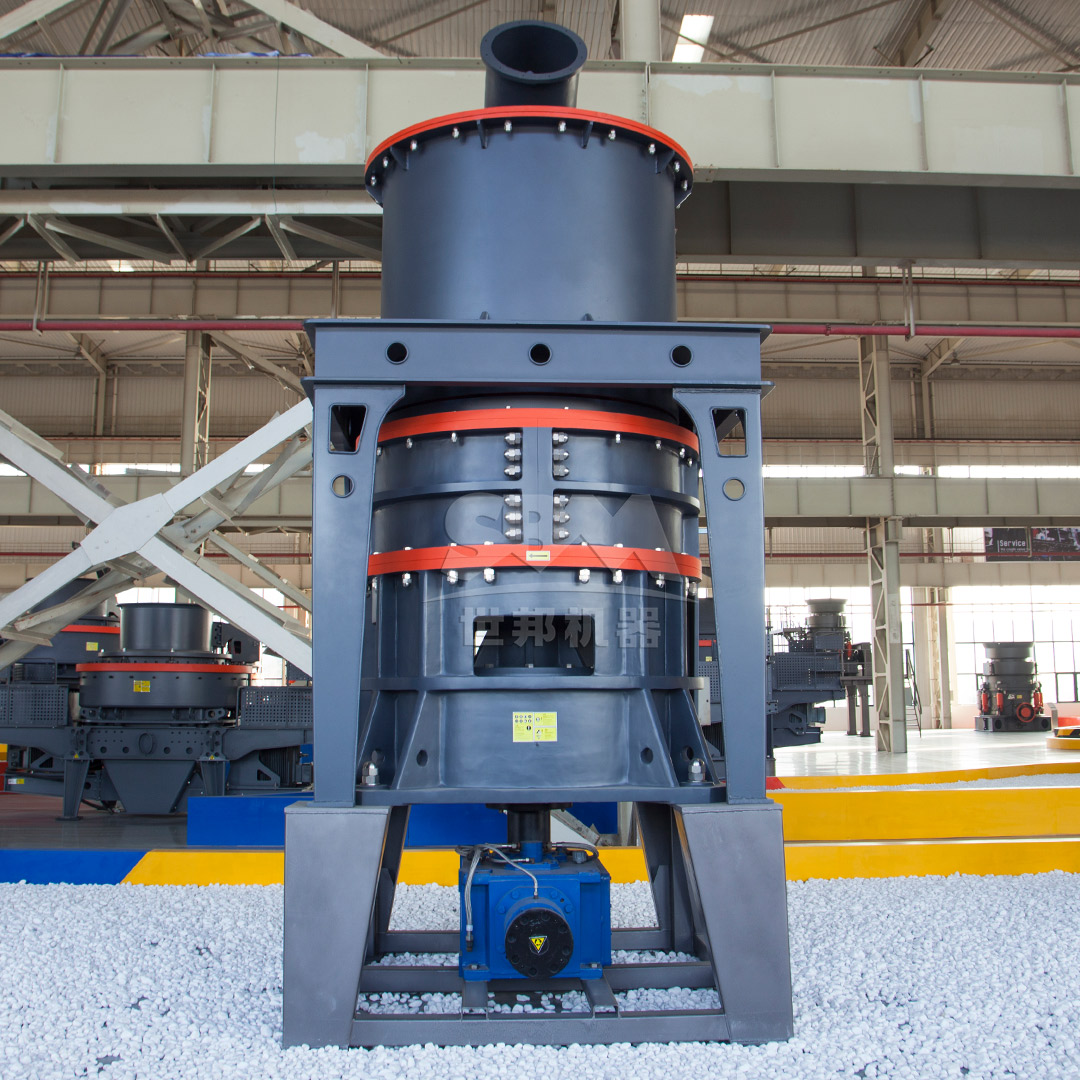
For premium coatings, particle size below 10 μm is often required to achieve optimal dispersion and surface smoothness. Ultrafine grinding mills with precise classification systems—such as the LUM Ultrafine Vertical Roller Mill—are well-suited for producing talc powders in the 325–2500 mesh range with consistent quality.
2.2 Powder Coatings
In powder coating formulations, ultrafine talc serves as a filler that improves edge coverage, reduces gloss, and enhances the mechanical properties of the cured film. The absence of coarse particles is essential to prevent surface defects and ensure smooth application.
3. Paper and Pulp Industry
3.1 Paper Filling and Coating
Talc has a long history of use in the paper industry, both as a filler in the paper stock and as a coating pigment. Ultrafine talc powder offers distinct advantages:
- Improved printability: Fine talc particles create a smooth surface that enhances ink reception and print quality.
- Opacity enhancement: Talc’s refractive index and platy structure improve the opacity of paper, reducing show-through.
- Pitch control: Talc is effective in adsorbing pitch and sticky contaminants in pulp, preventing deposits on papermaking equipment.
- Cost efficiency: As a low-cost mineral, talc reduces the amount of expensive wood pulp and TiO₂ required.
For coating applications, talc must be ground to very fine sizes, typically 5–15 μm, to ensure uniform coverage and smooth surface finish. Ultrafine grinding mills with high-precision classifiers are essential for producing paper-grade talc with the required fineness and purity.
4. Ceramics and Refractories
4.1 Ceramic Body Composition
In the ceramics industry, ultrafine talc powder is used as a fluxing agent and a source of magnesium oxide (MgO). It is a key component in the production of:
- Wall and floor tiles: Talc improves the thermal expansion properties and mechanical strength of ceramic tiles.
- Sanitaryware: Ultrafine talc contributes to the whiteness and dimensional stability of sanitary ceramic products.
- Electrical ceramics: Talc-based ceramics (steatite) are used for insulators and electronic components due to their excellent dielectric properties.
- Cordierite ceramics: Talc is a primary raw material for cordierite ceramics, which are used in catalytic converters and kiln furniture due to their low thermal expansion and thermal shock resistance.
The particle size of talc significantly affects the sintering behavior and final properties of ceramic products. Ultrafine grinding ensures uniform mixing and consistent firing characteristics, which are essential for high-quality ceramic manufacturing.
5. Cosmetics and Personal Care
5.1 Talcum Powder and Cosmetic Formulations
The cosmetic industry is perhaps the most well-known consumer of talc. Ultrafine talc powder is used in a wide range of personal care products:
- Body and baby powder: Ultrafine talc provides a silky, smooth feel and excellent moisture absorption.
- Foundation and pressed powders: Talc serves as a base material, providing opacity, adhesion, and a matte finish.
- Eye shadows and blushes: Ultrafine talc acts as a filler and texturizer, improving the blendability and wear of color cosmetics.
- Deodorants and antiperspirants: Talc absorbs moisture and helps deliver active ingredients smoothly.
For cosmetic applications, talc must meet stringent purity and safety standards, including the absence of asbestos and heavy metal contamination. Ultrafine grinding mills equipped with closed-loop dust collection systems ensure product purity and prevent cross-contamination during processing.
6. Pharmaceuticals
6.1 Excipient and Lubricant
In pharmaceutical manufacturing, ultrafine talc is used as a glidant and lubricant in tablet formulations. It improves the flow properties of powder blends and prevents sticking during tablet compression. Talc is also used in topical pharmaceutical preparations and as a carrier for active ingredients.
Pharmaceutical-grade talc must comply with pharmacopeial standards (USP, EP, JP) for purity, particle size, and microbial limits. Ultrafine grinding with precise classification ensures that the talc meets these rigorous specifications.
7. Rubber and Elastomers
7.1 Reinforcing Filler in Rubber Compounds
Ultrafine talc powder is used as a semi-reinforcing filler in rubber compounds, particularly in:
- Automotive rubber parts: Talc improves the tensile strength, tear resistance, and heat aging properties of rubber components.
- Wire and cable insulation: Talc-filled rubber compounds provide excellent electrical insulation and thermal stability.
- Hose and belt compounds: Ultrafine talc enhances the dimensional stability and flex fatigue resistance of these products.
The platy structure of talc improves the barrier properties of rubber compounds, reducing gas permeability and enhancing resistance to oils and chemicals.
8. Agriculture
8.1 Carrier for Agrochemicals
Ultrafine talc powder serves as an effective carrier for pesticides, herbicides, and fungicides. Its high surface area and inert nature make it ideal for formulating dustable powders and seed treatments. Talc also improves the adhesion and distribution of active ingredients on plant surfaces.
9. Other Applications
9.1 3D Printing and Advanced Materials
With the rise of additive manufacturing, ultrafine talc powder is being explored as a filler in polymer filaments for 3D printing, where it can improve dimensional accuracy and reduce warping.
9.2 Welding Electrodes
Talc is used as a coating ingredient in welding electrodes, where it contributes to arc stability and slag formation.
9.3 Textile Industry
In textiles, ultrafine talc is used as a lubricant and anti-static agent during fiber processing and weaving.
10. Choosing the Right Ultrafine Grinding Mill for Talc Processing
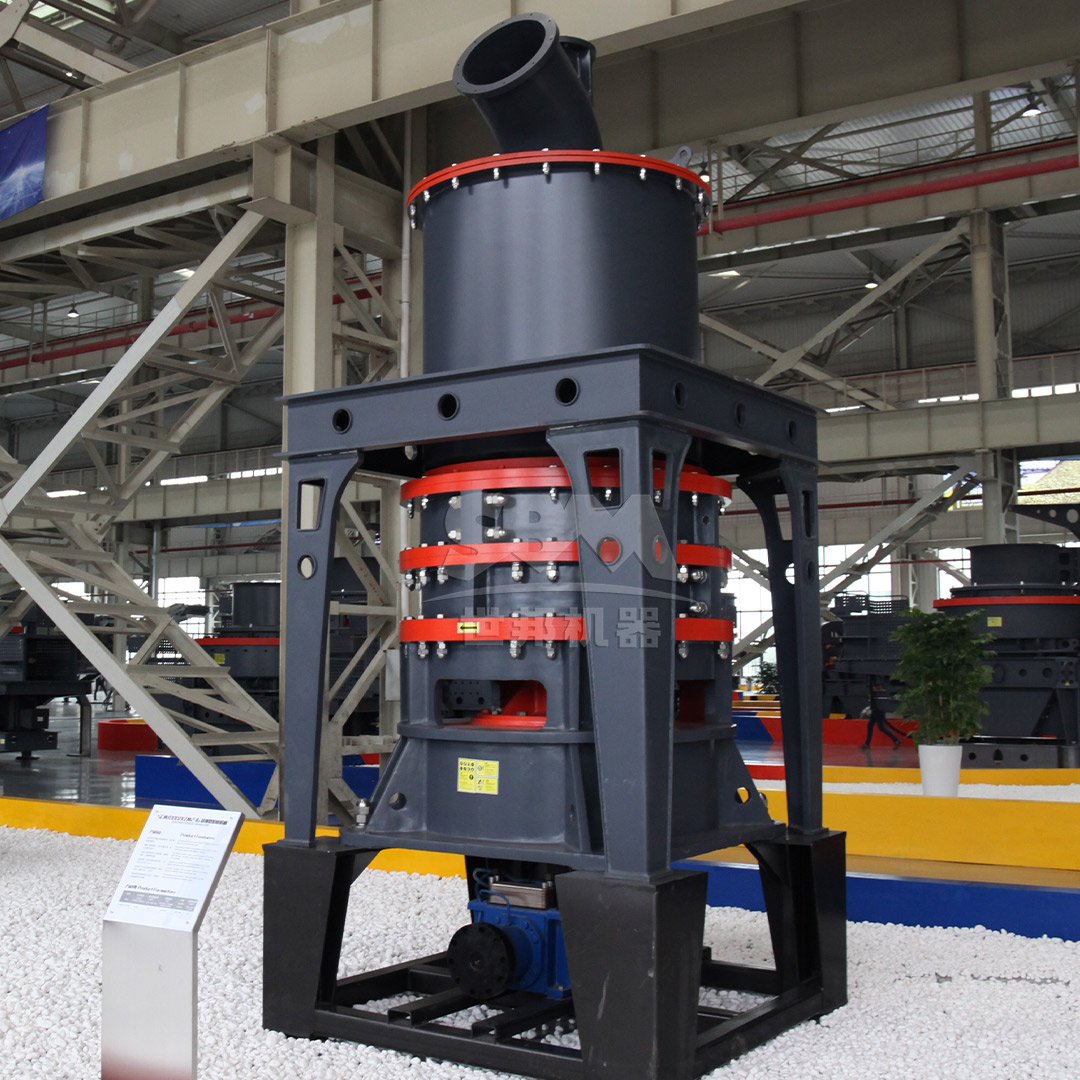
The production of high-quality ultrafine talc powder requires advanced grinding equipment capable of achieving consistent fineness, high capacity, and minimal contamination. SCM Series Ultrafine Mill is an excellent choice for talc processing, offering:
- Output fineness of 325–2500 mesh, suitable for the most demanding applications.
- Capacity of 0.5–25 t/h, scalable to meet various production requirements.
- High-precision vertical turbine classifier ensuring no coarse powder mixing.
- Energy consumption 30% lower than jet mills, reducing operating costs.
- Pulse dust collection exceeding international standards for environmental compliance.
For applications requiring even finer particle sizes (down to 5 μm), the LUM Ultrafine Vertical Roller Mill provides exceptional performance with its multi-rotor classifying technology and PLC automation system. The LUM series achieves fineness of 325–2500 mesh with capacities ranging from 1.6 to 15 t/h, making it ideal for premium talc products.
Conclusion
Ultrafine talc powder is a versatile industrial mineral with applications spanning plastics, paints, paper, ceramics, cosmetics, pharmaceuticals, rubber, and agriculture. The key to unlocking the full potential of talc lies in advanced grinding technology that can produce fine, uniform particles with high purity and consistency. As industries continue to demand higher performance materials, the role of ultrafine grinding mills in talc processing will only grow more important. By investing in state-of-the-art equipment such as the SCM Series Ultrafine Mill and LUM Ultrafine Vertical Roller Mill, manufacturers can ensure that their talc products meet the exacting standards of modern applications.