
Introduction and Market Applications of Silicon Micro powder Vertical Mill
Introduction to Silicon Micro powder and Its Significance
Silicon micro powder, also known as silica fume or microsilica, is an ultrafine powder collected as a by-product of the silicon and ferrosilicon alloy production. It consists of amorphous silicon dioxide (SiO2) particles with an average diameter of about 0.1 to 0.3 micrometers—roughly 100 times smaller than cement particles. This extreme fineness, combined with its high reactivity, makes silicon micro powder an indispensable additive in high-performance concrete, refractory materials, ceramics, and polymer composites. As industries demand increasingly refined materials, the need for efficient and precise processing equipment has surged, leading to the development of specialized vertical mills designed specifically for silicon micro powder production.
The unique properties of silicon micro powder—its high surface area, pozzolanic activity, and ability to fill micro-voids—translate into significant improvements in mechanical strength, durability, and chemical resistance of end products. However, achieving the desired particle size distribution (typically 45 μm to sub-micron ranges) requires advanced grinding and classification technology. Traditional ball mills or jet mills often fall short in terms of energy efficiency, product uniformity, and contamination control. This is where vertical roller mills, particularly those tailored for ultrafine grinding, have revolutionized the silicon micro powder industry.
Why Vertical Mills Are Ideal for Silicon Micro powder Production
Vertical mills offer several inherent advantages for processing abrasive and ultrafine materials like silicon micro powder. First, the integrated design of grinding, drying, and classification in a single unit reduces equipment footprint and simplifies process control. Second, the bed-grinding principle—where material is crushed between rollers and a rotating table—minimizes wear compared to impact-based milling, extending maintenance intervals. Third, the dynamic classifiers used in modern vertical mills enable precise top-size control, ensuring that no coarse particles contaminate the final product. Fourth, the negative-pressure operation and pulse-jet dust collection systems ensure environmental compliance, which is critical when handling fine silica dust.
Furthermore, vertical mills can handle high feed moisture and are capable of simultaneous drying and grinding when hot gases are introduced. This flexibility is particularly valuable for silicon micro powder producers who may receive raw materials with varying moisture content. Energy consumption is another key factor: vertical mills typically consume 30–40% less power than ball mills for the same fineness, translating into substantial operational cost savings.
Market Applications of Silicon Micro powder
Silicon micro powder finds extensive application across multiple industries, each with specific requirements for fineness and purity:
- Construction and Concrete: As a supplementary cementitious material, silicon micro powder enhances compressive strength, reduces permeability, and improves resistance to sulfate attack. Ultra-fine powders (below 1 μm) are preferred for high-performance concrete used in bridges, tunnels, and marine structures.
- Refractories: Silicon micro powder improves the flowability and density of refractory castables, enhancing thermal shock resistance and reducing porosity. Fineness in the range of 45–150 μm is typical.
- Ceramics and Glass: Used as a sintering aid and to improve mechanical properties, silicon micro powder requires precise particle size distribution to avoid defects.
- Polymers and Coatings: As a filler, it improves scratch resistance, rheology, and thermal stability. Sub-micron grades are essential for uniform dispersion.
- Rubber and Elastomers: Silicon micro powder acts as a reinforcing agent, improving tensile strength and tear resistance.
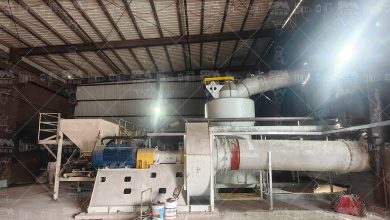
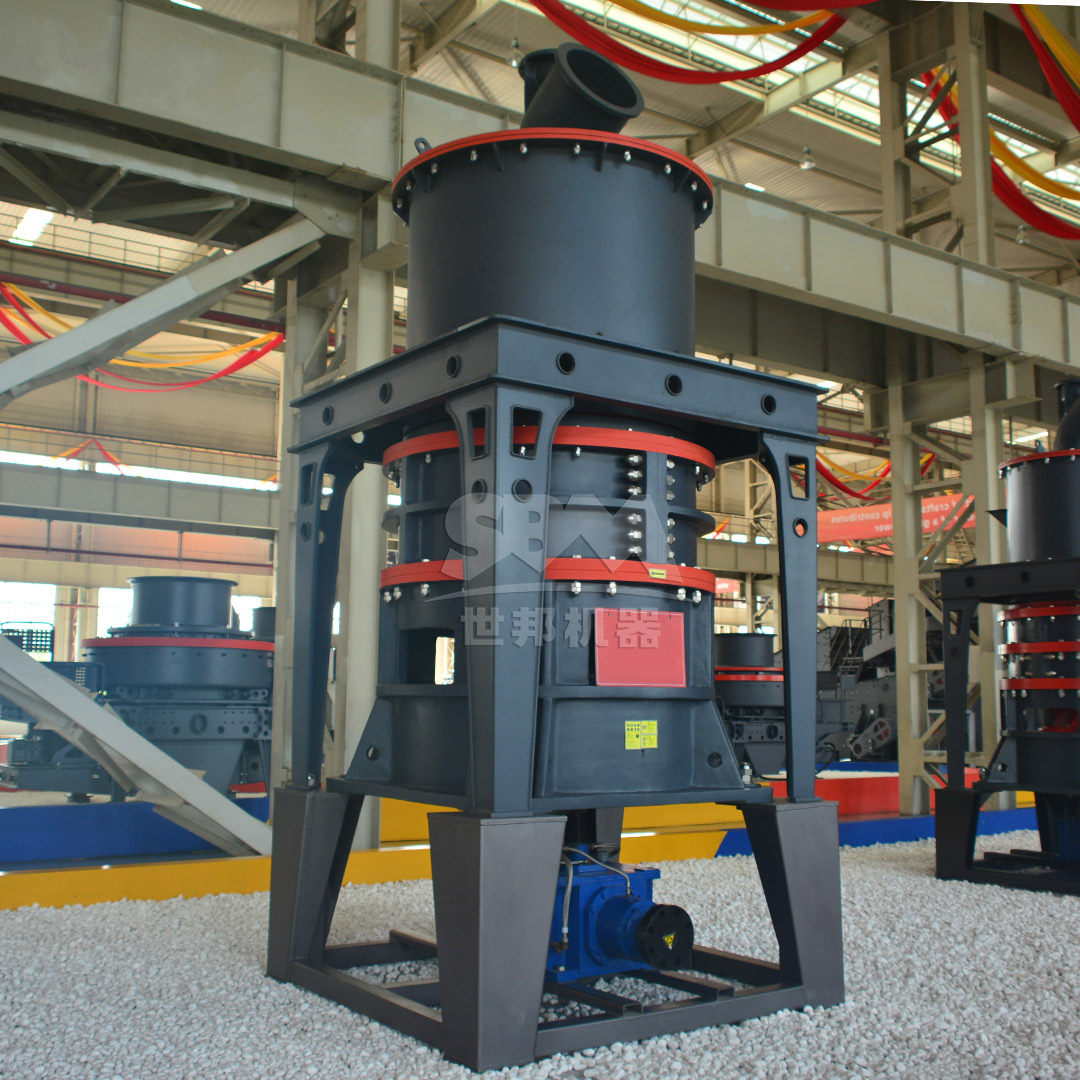
Given these diverse applications, the grinding equipment must be adaptable to produce different fineness levels while maintaining high capacity and low contamination. Vertical mills with dynamic classifiers, such as the SCM Series Ultrafine Mill and the LUM Ultrafine Vertical Roller Mill, are particularly suited to these demands.
Recommended Equipment: SCM Series Ultrafine Mill
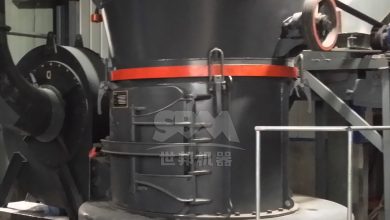
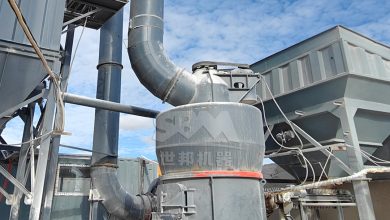
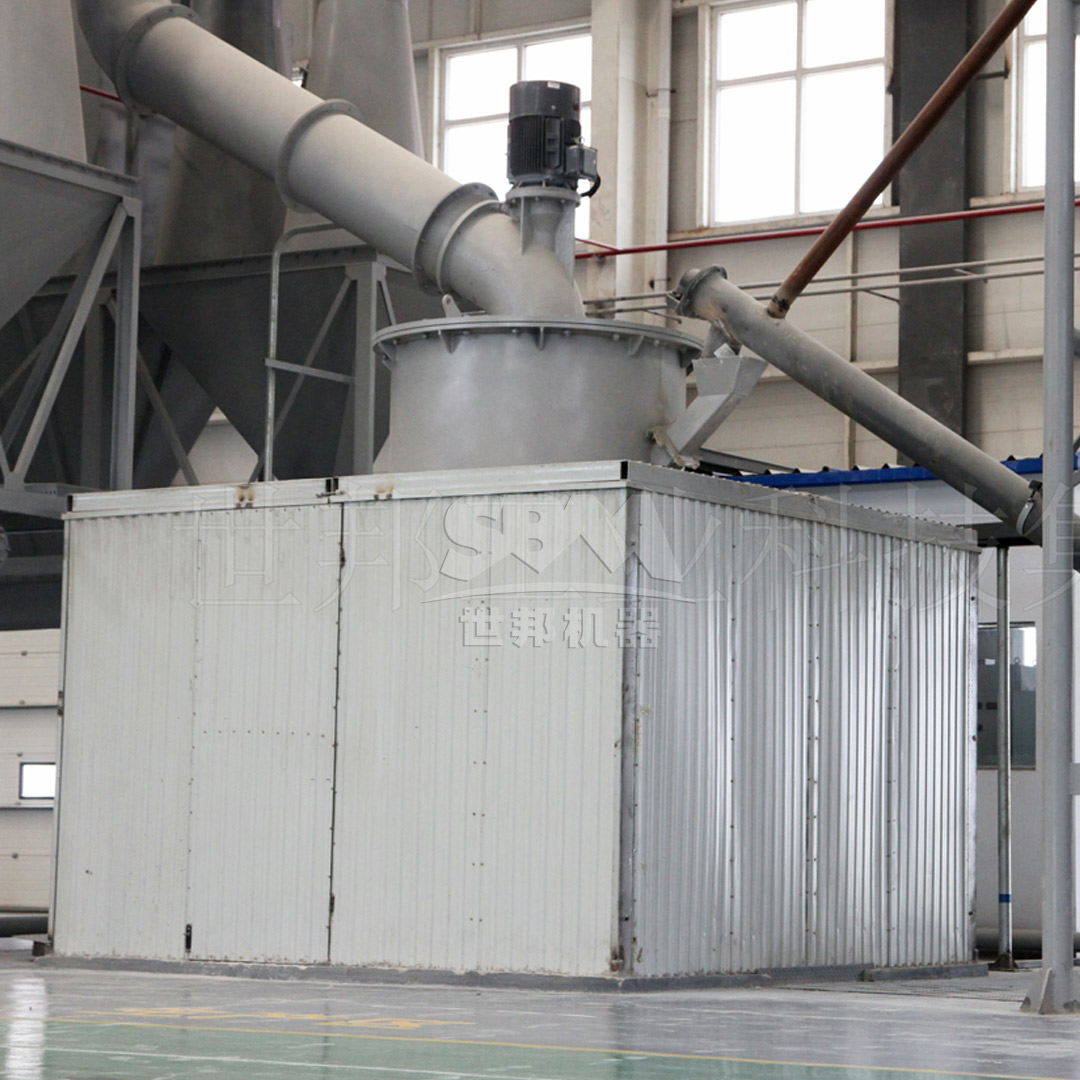
For silicon micro powder producers targeting ultra-fine grades (325–2500 mesh), the SCM Series Ultrafine Mill is an outstanding choice. This mill incorporates a vertical turbine classifier that achieves precise particle size cutting with no coarse powder mixing, ensuring uniform finished products. The capacity is twice that of jet mills while consuming 30% less energy—a critical advantage given the high energy intensity of ultrafine grinding. The intelligent control system provides automatic feedback on finished product granularity, allowing operators to adjust parameters in real time. Durable design features include special material rollers and rings that extend service life several times over, and a shaftless screw grinding chamber that ensures stable operation. The SCM series is available in models from SCM800 (0.5–4.5 t/h) up to SCM1680 (5.0–25 t/h), covering a wide range of production scales. For silicon micro powder applications requiring 800–1500 mesh, the SCM1000 or SCM1250 models deliver an excellent balance of capacity and fineness.
Recommended Equipment: LUM Ultrafine Vertical Roller Mill
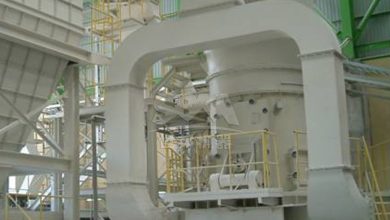
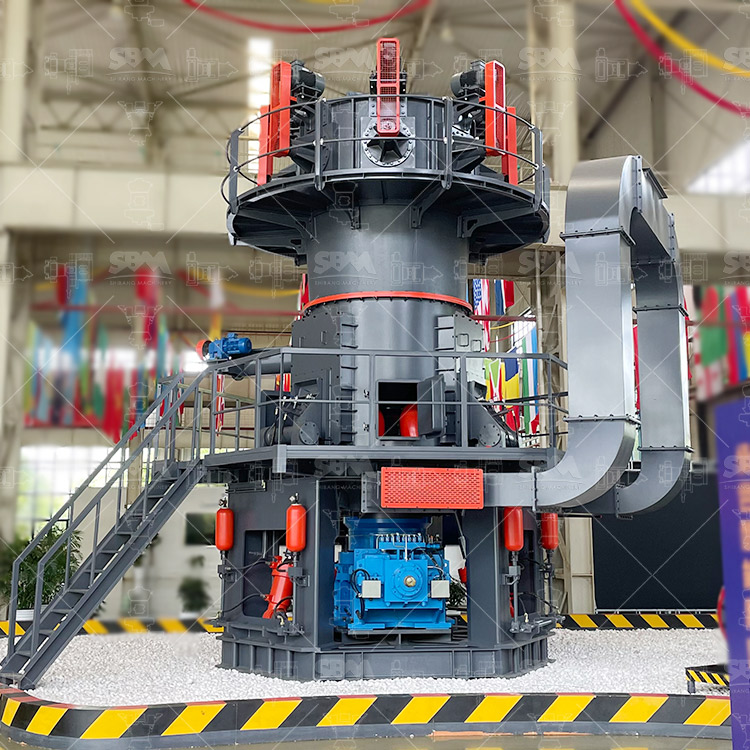
For even finer products (down to 5–30 μm, equivalent to 500–2500 mesh), the LUM Ultrafine Vertical Roller Mill offers exceptional performance. Its unique roller and liner curves improve grinding efficiency, while the multi-rotor classifier ensures no coarse particles escape. The PLC-based automation system guarantees stable operation with minimal manual intervention. Environmental features include negative-pressure operation and no dust leakage, meeting stringent emission standards. The LUM series includes models LUM1525 (1.6–11.5 t/h), LUM1632 (2–13.5 t/h), and LUM1836 (2.3–15 t/h), all capable of producing silicon micro powder with precise top-size control. This mill is particularly recommended for applications in polymers, coatings, and high-end ceramics where sub-micron particles are essential.
Technical Considerations for Selecting a Vertical Mill
When choosing a vertical mill for silicon micro powder, several factors must be evaluated:
- Target Fineness and Distribution: The classifier type (turbine vs. multi-rotor) determines the achievable top size and sharpness of cut. For products below 10 μm, the LUM series is preferable; for 45–150 μm, the MTW or LM series may suffice.
- Capacity Requirements: Production scale dictates the model size. Small-to-medium operations (0.5–10 t/h) can use SCM800–SCM1000; large-scale plants (>15 t/h) should consider SCM1680 or LM series.
- Abrasiveness and Wear: Silicon micro powder is moderately abrasive. Mills with wear-resistant rollers and liners (such as the SCM’s special material rollers or the LM’s non-contact design) reduce maintenance costs.
- Contamination Control: For high-purity applications (e.g., electronics-grade silica), mills with minimal internal wear and sealed negative-pressure operation are essential.
- Energy Efficiency: Vertical mills are inherently more efficient than ball mills, but specific energy consumption varies by model. The SCM series boasts 30% lower energy consumption than jet mills, while the LM series claims 30–40% lower than ball mill systems.
Case Studies and Market Trends
In recent years, the global silicon micro powder market has grown at a CAGR of approximately 5–7%, driven by infrastructure development in emerging economies and the increasing adoption of high-performance materials. Producers in China, India, and Brazil have increasingly turned to vertical mills to replace outdated ball mills, achieving both capacity expansion and energy savings. For instance, a silicon micro powder plant in Southeast Asia replaced two ball mills with a single SCM1250, doubling output while reducing power consumption by 35%. Another plant in Europe installed an LUM1836 to produce 5 μm powder for specialty coatings, benefiting from the mill’s precise classification and low noise operation.
Looking ahead, the trend toward finer and more uniform silicon micro powder will continue, especially for applications in lithium-ion battery separators, high-temperature insulation, and advanced composites. Vertical mills with intelligent control and online particle size monitoring will become standard, enabling real-time quality assurance. Our company remains at the forefront of this technology, offering a complete range of vertical mills from the SCM and LUM series to meet every silicon micro powder challenge.
Conclusion
Silicon micro powder is a vital material for modern industry, and its production demands grinding equipment that combines fineness, efficiency, and reliability. Vertical mills—particularly the SCM Series Ultrafine Mill and LUM Ultrafine Vertical Roller Mill—provide tailored solutions for this demanding application. With capacities ranging from 0.5 to 25 t/h and fineness down to 5 μm, these mills empower producers to achieve high-quality products while minimizing energy consumption and environmental impact. As the market for silicon micro powder expands, investing in advanced vertical milling technology will be a key differentiator for forward-looking manufacturers. For more information on selecting the right model for your specific silicon micro powder application, please consult our technical team.