
What Is the Best Equipment for Processing 400 Mesh Attapulgite?
Introduction to Attapulgite and 400 Mesh Processing
Attapulgite, a crystalline hydrated magnesium aluminum silicate mineral, has gained significant industrial attention due to its unique thixotropic, absorptive, and catalytic properties. Its needle-like structure and high surface area make it invaluable in applications ranging from drilling fluids and cat litter to pharmaceuticals and nanocomposites. To fully exploit these properties, attapulgite must be processed into fine powders, with 400 mesh (approximately 38 microns) being a critical specification for many high-end applications. Achieving a consistent 400 mesh product requires specialized milling equipment that balances precision, efficiency, and product integrity. This article explores the best equipment for processing 400 mesh attapulgite, drawing on our company’s advanced product line to provide a comprehensive guide.
Why 400 Mesh Attapulgite Matters
400 mesh attapulgite offers an optimal balance between surface area and flowability. It is widely used in:
- Drilling muds: Fine particles improve viscosity and suspension stability.
- Absorbents: High surface area enhances absorption capacity for liquids and gases.
- Coatings and paints: Provides thixotropic control and prevents sagging.
- Pharmaceuticals: Acts as a carrier and binder with consistent particle size.
Processing attapulgite to 400 mesh is challenging due to its fibrous nature, which can cause agglomeration and wear on equipment. Therefore, the ideal mill must deliver precise particle size control, high throughput, and durability while maintaining energy efficiency.
Key Criteria for Selecting a 400 Mesh Attapulgite Mill
When choosing equipment, consider the following factors:
- Fineness Range: The mill must reliably produce 400 mesh (38 μm) with a narrow particle size distribution.
- Capacity: Match the mill’s throughput to your production scale, from small batches to continuous large-scale operations.
- Energy Efficiency: Attapulgite grinding can be energy-intensive; choose a mill with lower power consumption per ton.
- Wear Resistance: Fibrous minerals accelerate wear; durable grinding elements reduce maintenance costs.
- Classification Precision: A high-precision classifier ensures no coarse particles contaminate the product.
- Environmental Compliance: Dust collection and noise reduction are essential for sustainable operations.
Based on these criteria, our company offers several mills that excel in 400 mesh attapulgite processing. Below, we highlight two standout solutions: the SCM Series Ultrafine Mill and the LUM Ultrafine Vertical Roller Mill.
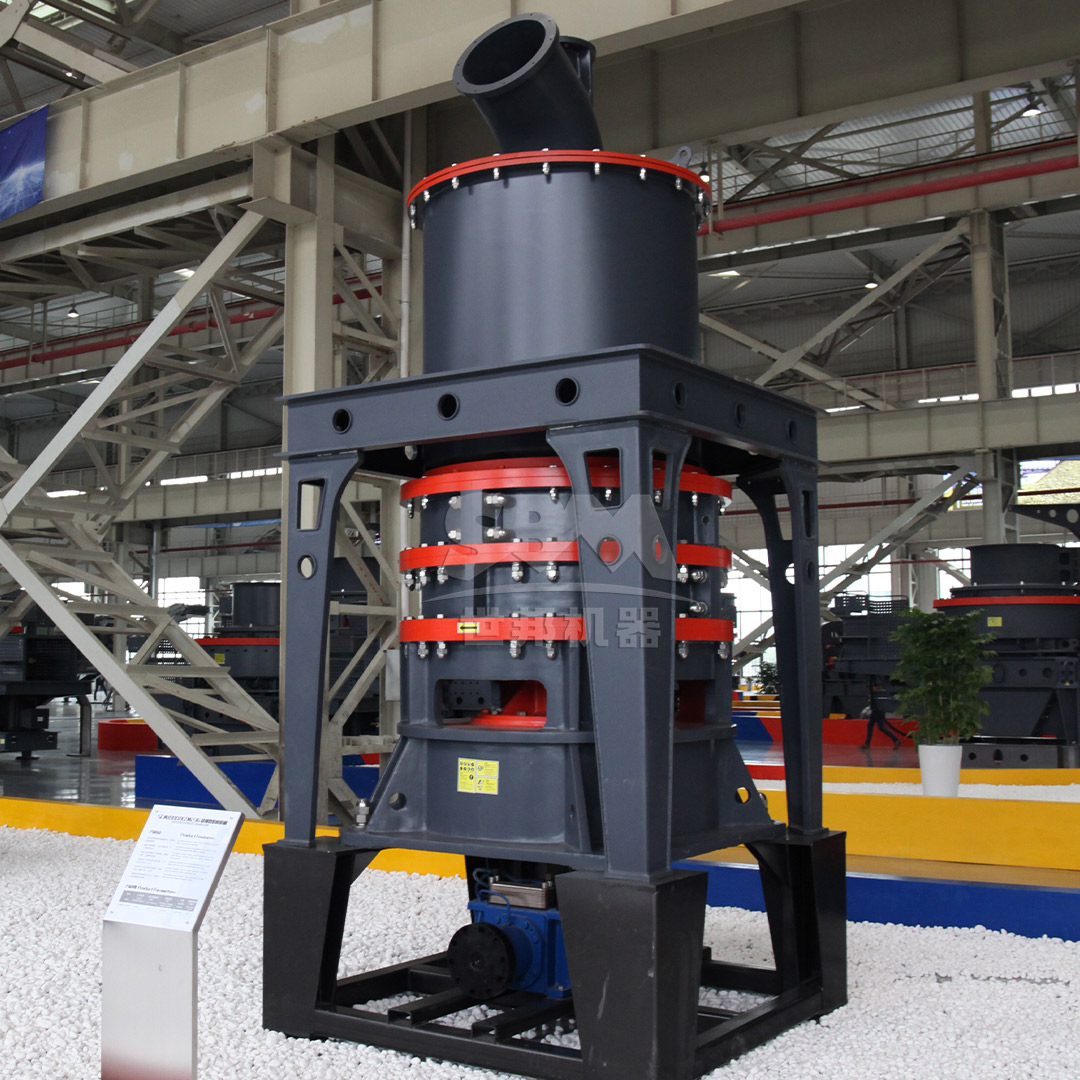
SCM Series Ultrafine Mill: Precision and Efficiency for 400 Mesh
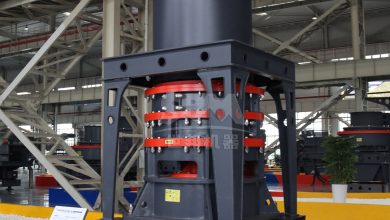
The SCM Series Ultrafine Mill is a leading choice for processing attapulgite to 400 mesh and beyond. With an output fineness range of 325-2500 mesh, it provides the flexibility to target 400 mesh precisely. Its core parameters include an input size of ≤20 mm and a capacity of 0.5-25 ton/h, depending on the model, making it suitable for both small and large operations.
Technical Advantages:
- High Efficiency & Energy Saving: The SCM mill’s capacity is twice that of jet mills, with 30% lower energy consumption. Intelligent control with automatic finished product granularity feedback ensures consistent quality.
- High-Precision Classification: A vertical turbine classifier achieves precise particle size cutting, eliminating coarse powder mixing and ensuring uniform finished products—critical for 400 mesh attapulgite.
- Durable Design: Special material rollers and rings extend service life several times over, while the shaftless screw grinding chamber ensures stable operation, even with fibrous attapulgite.
- Eco-friendly & Low Noise: Pulse dust collection efficiency exceeds international standards, and soundproof room design keeps noise levels low.
Working Principle: The main motor drives three layers of grinding rings to rotate. Materials are dispersed into the grinding path by centrifugal force, crushed by roller pressure, and ground layer by layer. Finally, powder collection is completed by a cyclone collector and a pulse dust removal system.
Models & Specifications: The SCM series includes models from SCM800 (0.5-4.5 t/h, 75 kW) to SCM1680 (5.0-25 t/h, 315 kW), all capable of 325-2500 mesh fineness. For a typical 400 mesh attapulgite operation with a capacity of 2-5 t/h, the SCM1000 (1.0-8.5 t/h, 132 kW) is an excellent fit.
LUM Ultrafine Vertical Roller Mill: Advanced Technology for Fine Powders
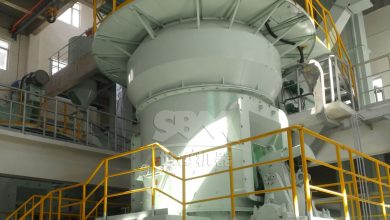
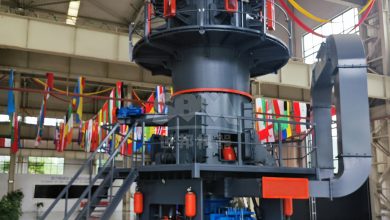
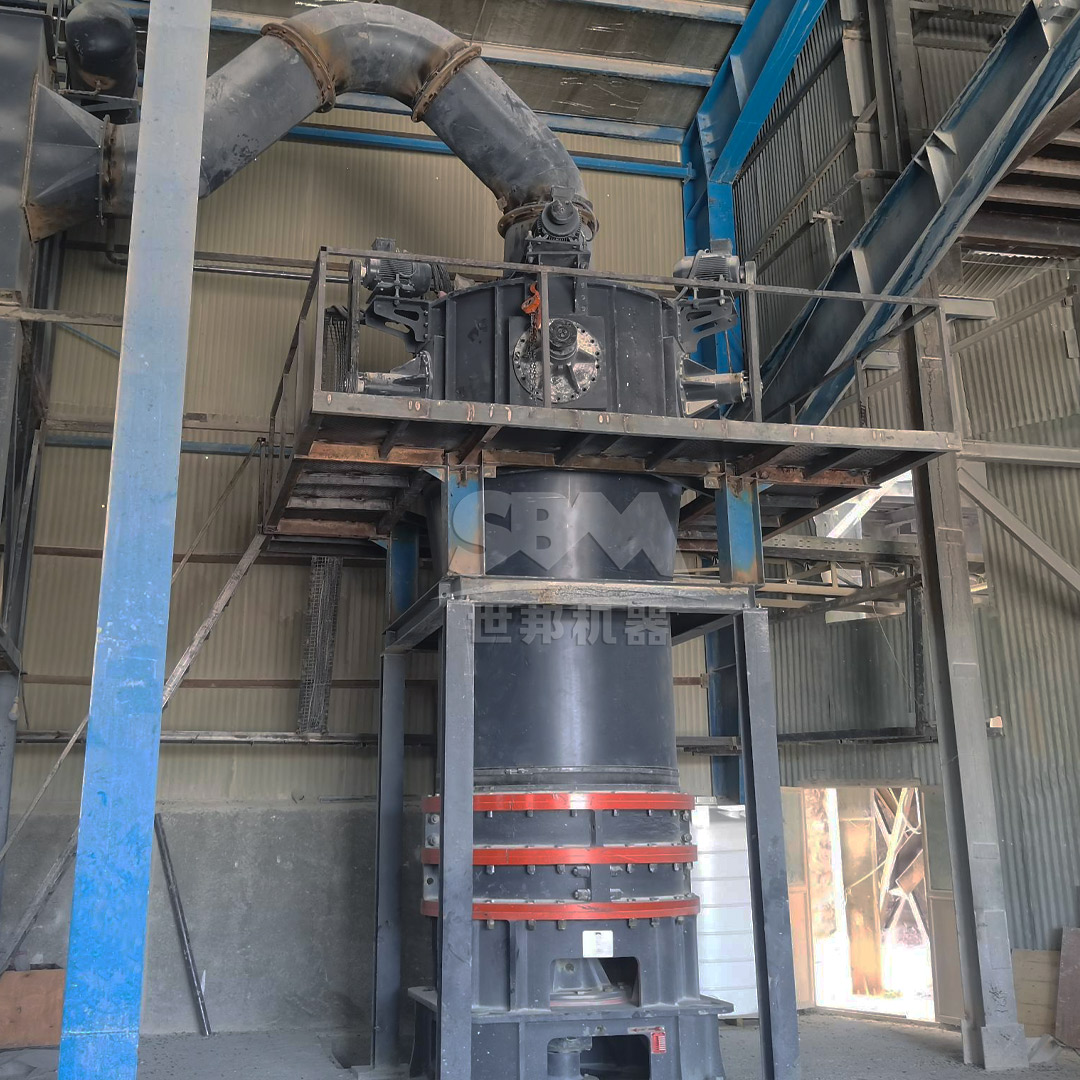
For operations requiring high capacity and advanced automation, the LUM Ultrafine Vertical Roller Mill is another top contender. With a feed size of 0-20 mm and output fineness of 325-2500 mesh, it is well-suited for 400 mesh attapulgite. Its models, such as LUM1525 (1.6-11.5 t/h, 220-250 kW) and LUM1836 (2.3-15 t/h, 355-400 kW), offer impressive throughput.
Technical Advantages:
- Efficient Grinding: Unique roller and liner curves improve grinding efficiency, reducing power consumption.
- Precise Classifying: Multi-rotor technology ensures no coarse particles, guaranteeing a consistent 400 mesh product.
- Smart Control: PLC automation ensures stable running and easy adjustment of fineness.
- Environmental: Negative pressure operation prevents dust leakage, meeting strict environmental standards.
The LUM mill’s vertical design also minimizes floor space and offers a high degree of automation, making it ideal for modern, large-scale attapulgite processing plants.
Comparing the Options: Which Is Best for Your Operation?
Both the SCM and LUM mills are excellent choices for 400 mesh attapulgite, but they cater to different needs:
- SCM Series: Best for operations seeking a proven, versatile mill with high energy efficiency and precise classification. It is particularly suitable for medium-scale production where flexibility in fineness is valued.
- LUM Series: Ideal for large-scale, automated plants that require high capacity and minimal dust emissions. Its advanced control systems reduce manual intervention.
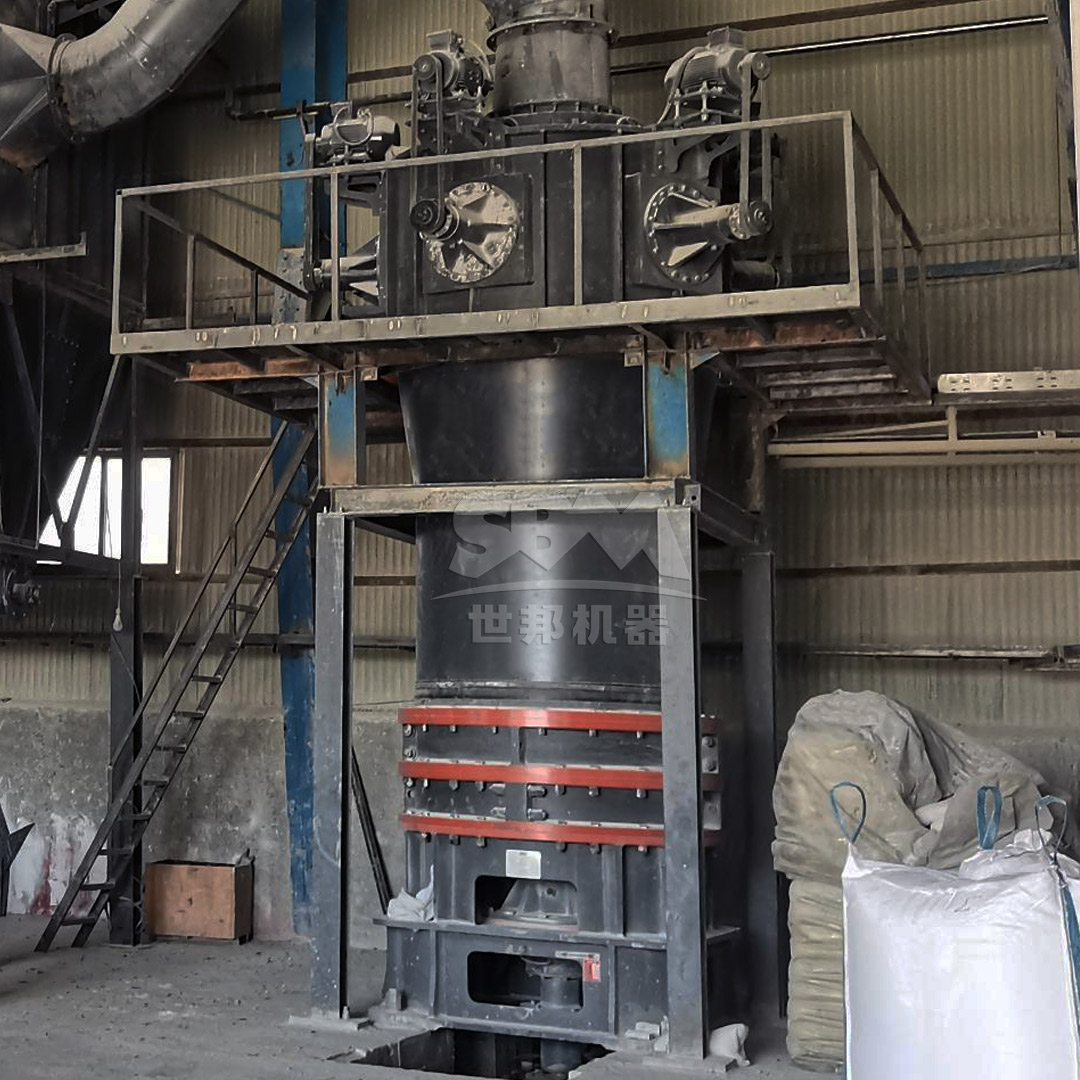
For most attapulgite processors targeting 400 mesh, the SCM1000 model from the SCM series offers an optimal balance of capacity (1.0-8.5 t/h), fineness control, and energy savings. For higher capacities, the LUM1836 provides up to 15 t/h with cutting-edge vertical roller technology.
Other Milling Solutions from Our Portfolio
While SCM and LUM are our top recommendations, our company also offers other mills that can handle 400 mesh attapulgite under specific conditions:
- MTW Series European Trapezium Mill: With fineness up to 325 mesh, it can reach 400 mesh in some configurations, but is better suited for coarser grinds. Its capacity (3-45 t/h) is impressive for large-scale operations.
- LM Series Vertical Roller Mill: Special models can achieve 600 mesh, but for 400 mesh, it is a robust option with capacities up to 250 t/h, though energy consumption may be higher than SCM.
- MTM Series Medium-speed Trapezium Mill: Fineness up to 325 mesh, generally not sufficient for 400 mesh unless specially configured.
For guaranteed 400 mesh production, the SCM and LUM series remain the most reliable choices.
Operational Considerations for Attapulgite Grinding
Attapulgite’s fibrous structure can cause challenges such as buildup and wear. To optimize milling:
- Pre-drying: Reduce moisture content to prevent agglomeration.
- Feed rate control: Maintain consistent feed to avoid overload.
- Regular maintenance: Inspect rollers and classifiers for wear, especially with abrasive minerals.
- Dust management: Ensure pulse dust collectors are functioning efficiently to recover fine product and protect the environment.
Both SCM and LUM mills are designed with these considerations in mind, featuring durable wear parts and efficient dust collection.
Conclusion
Processing attapulgite to 400 mesh requires equipment that combines precision, efficiency, and durability. Our SCM Series Ultrafine Mill and LUM Ultrafine Vertical Roller Mill stand out as the best solutions, each offering unique advantages. The SCM series excels in energy efficiency and precise classification, while the LUM series offers high capacity and advanced automation. For most producers, the SCM1000 is a reliable workhorse, while the LUM1836 suits large-scale, automated operations. By selecting the right mill and adhering to best operational practices, you can achieve high-quality 400 mesh attapulgite that meets the demands of diverse industries. Contact our experts today to discuss your specific requirements and find the perfect milling solution for your attapulgite processing needs.