
How Much Does a Furnace-Grade Silica Grinding Mill Cost? A Complete Pricing Guide for Buyers
Introduction: Understanding Furnace-Grade Silica and Its Milling Requirements
Furnace-grade silica, also known as fused silica or quartz, is a high-purity material essential in the production of semiconductors, optical fibers, refractory materials, and high-temperature ceramics. Its exceptional thermal stability, chemical inertness, and dielectric properties make it indispensable in advanced manufacturing. However, to unlock its full potential, furnace-grade silica must be processed into fine, uniform powders—typically within the 45–2500 mesh range—using specialized grinding mills. For buyers, the cost of a furnace-grade silica grinding mill is a critical investment decision influenced by capacity, fineness, technology, and after-sales support. This comprehensive guide breaks down the pricing landscape, key cost drivers, and how to select the right equipment for your operation.
Key Factors That Determine the Price of a Silica Grinding Mill
The price of a furnace-grade silica grinding mill varies widely—from tens of thousands to several hundred thousand dollars—depending on several interrelated factors. Understanding these will help you budget accurately and avoid hidden costs.
1. Capacity and Throughput
Capacity is the most direct cost driver. Mills are rated in tons per hour (t/h), and a higher capacity requires larger motors, heavier construction, and more robust components. For silica, typical capacities range from 0.5 t/h for small batch operations to over 45 t/h for large-scale industrial lines. As a rule of thumb, doubling capacity can increase the price by 60–80%, not 100%, due to economies of scale in manufacturing.
2. Fineness Requirements
Furnace-grade silica often demands ultrafine grinding—down to 5 μm or 2500 mesh—for applications like precision casting or electronic substrates. Achieving finer particles requires advanced classifiers, higher energy input, and more wear-resistant materials. Mills capable of 325–2500 mesh are typically 20–40% more expensive than those limited to 325 mesh. If your process only needs 200–325 mesh, you can save significantly by choosing a standard trapezium or vertical mill.
3. Grinding Technology
Different mill types carry different price tags and operating costs. Ball mills are the lowest upfront but consume more energy and have lower efficiency for fine grinding. Vertical roller mills and ultrafine mills (like the SCM series) offer higher efficiency, precise classification, and lower energy consumption, but their initial cost is higher. For furnace-grade silica, ultrafine mills and vertical mills are preferred for their ability to avoid contamination and achieve narrow particle size distributions.
4. Wear Parts and Material of Construction
Silica is highly abrasive. Mills that contact the material must use wear-resistant alloys, ceramic liners, or special coatings to prevent iron contamination and extend service life. These premium materials add 10–25% to the base price but reduce downtime and maintenance costs over time. Buyers should always request a wear-part lifecycle analysis to compare total cost of ownership.
5. Automation and Control Systems
Modern mills often include PLC automation, automatic fineness feedback, remote monitoring, and dust collection systems. A fully automated mill can cost 15–30% more than a manual version but delivers consistent product quality and reduces labor costs. For furnace-grade silica, where consistency is critical, this investment is usually justified.
6. Manufacturer and After-Sales Support
Established manufacturers with global service networks charge a premium, but their equipment is more reliable and spare parts are readily available. Chinese manufacturers, for example, offer competitive pricing (often 20–40% lower than European or Japanese brands) without compromising on quality, especially for standard models. Always factor in installation, training, and warranty costs—these can add 5–15% to the total project cost.
Typical Price Ranges by Mill Type
To give you a realistic budget, here are approximate price ranges for common mill types used in furnace-grade silica processing. Note that these are ballpark figures and vary by model, capacity, and configuration.
Ultrafine Mills (e.g., SCM Series)
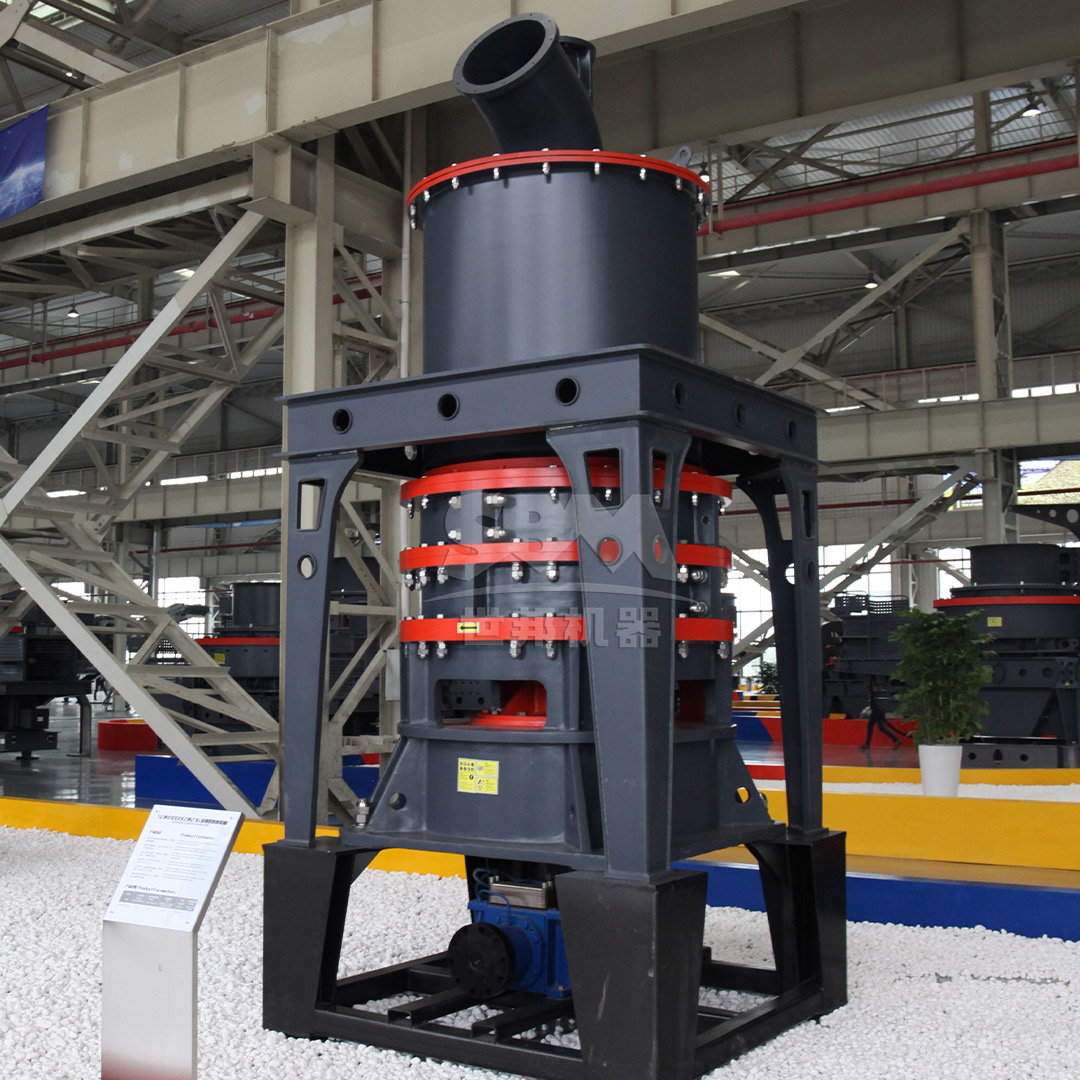
For high-purity silica requiring 325–2500 mesh, ultrafine mills are the go-to solution. Small models (0.5–4.5 t/h) start around $60,000–$120,000. Mid-range models (5–14 t/h) cost $150,000–$300,000. Large models (up to 25 t/h) can exceed $400,000. These mills feature advanced vertical turbine classifiers and pulse dust collection, ensuring minimal contamination—critical for furnace-grade applications.
Vertical Roller Mills (e.g., LM Series)
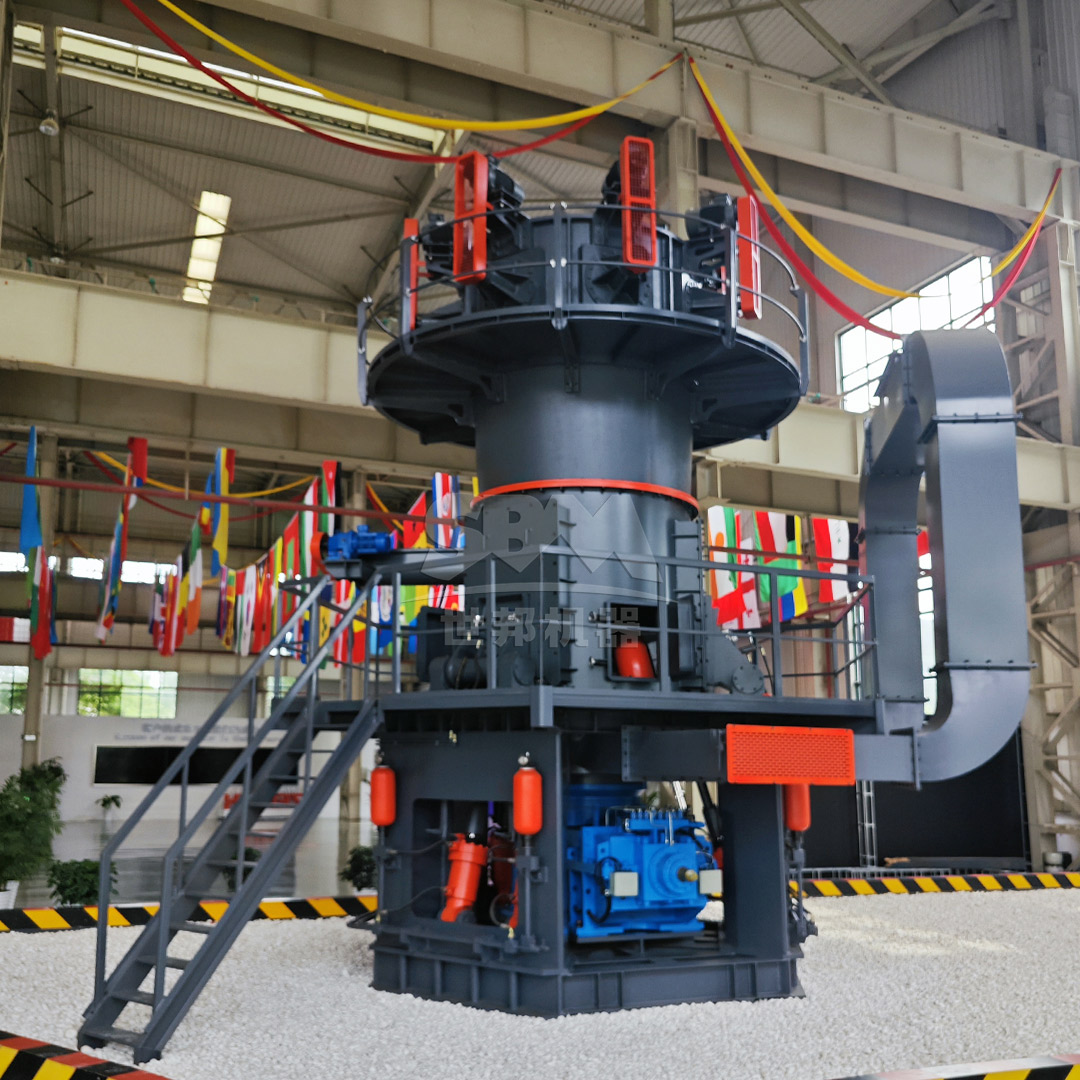
Vertical mills offer high capacity (3–250 t/h) and energy efficiency, making them ideal for large-scale silica grinding. Prices range from $200,000 for a 10 t/h unit to over $1.5 million for a 100 t/h system. They are more expensive upfront than ball mills but reduce energy consumption by 30–40%, paying for themselves in 2–3 years.
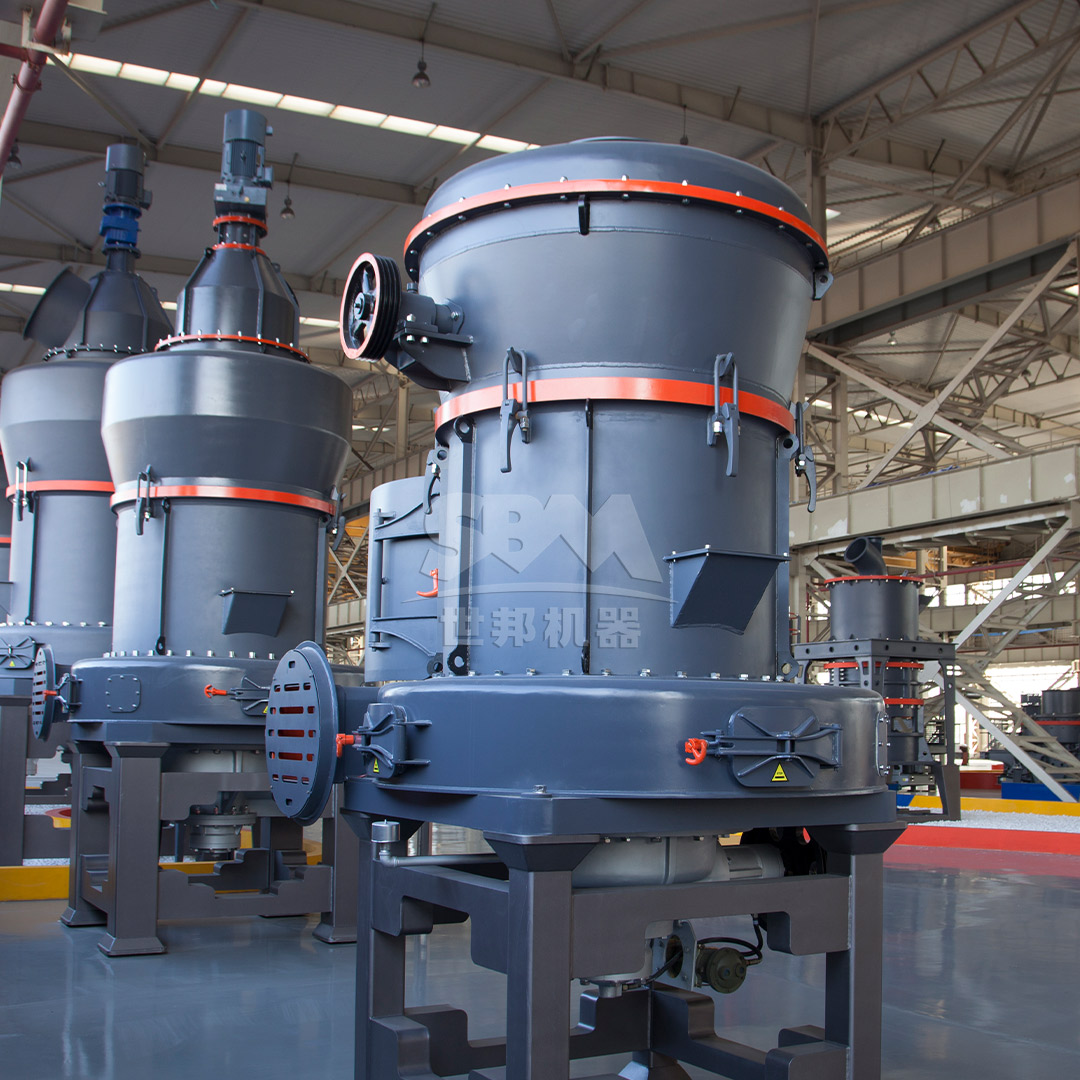
European Trapezium Mills (e.g., MTW Series)
For medium-fine grinding (30–325 mesh), MTW mills are cost-effective, with prices from $80,000 for a 3 t/h model to $350,000 for a 45 t/h model. They are well-suited for silica applications that do not require ultrafine particles, such as refractory aggregates.
Ball Mills
Ball mills are the most economical for coarse grinding (0.074–0.8 mm), with small units starting at $30,000 and large industrial mills reaching $1 million. However, for furnace-grade silica, ball mills are less favored due to iron contamination from steel media and higher energy costs.
Recommended Equipment for Furnace-Grade Silica
Based on our expertise in ultrafine grinding, we recommend two products that excel in processing furnace-grade silica: the SCM Series Ultrafine Mill and the LUM Ultrafine Vertical Roller Mill.
SCM Series Ultrafine Mill
The SCM Series is specifically designed for ultrafine grinding (325–2500 mesh) with capacities from 0.5 to 25 t/h. Its vertical turbine classifier ensures precise particle size cutting, eliminating coarse powder contamination—a must for furnace-grade silica. The mill features special material rollers and rings that extend service life, and its pulse dust collection system exceeds international standards, maintaining a clean workspace. With intelligent control and automatic fineness feedback, the SCM Series delivers consistent product quality while reducing energy consumption by 30% compared to jet mills. For a 5 t/h operation targeting 1250 mesh, the SCM1000 model (132 kW) is an excellent choice, priced competitively around $180,000–$220,000.
LUM Ultrafine Vertical Roller Mill
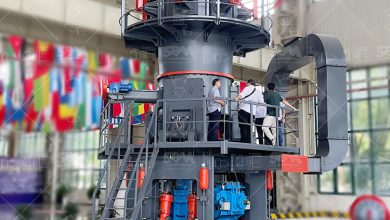
For larger-scale operations, the LUM Series offers capacities of 1.6–15 t/h and fineness up to 2500 mesh. Its unique roller and liner curves improve grinding efficiency, while the multi-rotor classifier prevents coarse particles from escaping. The LUM mill operates under negative pressure, ensuring zero dust leakage and a safe environment. PLC automation ensures stable running, and the compact footprint reduces infrastructure costs. The LUM1836 model, with 355–400 kW power and 2.3–15 t/h capacity, is ideal for a mid-sized furnace-grade silica plant, priced at approximately $250,000–$320,000.
Hidden Costs to Consider
Beyond the mill itself, buyers should budget for:
- Installation and commissioning: 5–10% of equipment cost.
- Foundation and civil works: $10,000–$50,000 depending on mill size.
- Dust collection and air handling: $20,000–$80,000 for a complete system.
- Spare parts inventory: 10% of equipment cost for the first year.
- Training and technical support: Often included, but confirm in the contract.
- Energy costs: Ultrafine grinding is energy-intensive; calculate kWh per ton to estimate operating expenses.
How to Get an Accurate Quote
To receive a tailored price for your furnace-grade silica grinding mill, provide suppliers with:
- Required capacity (t/h) and target fineness (mesh or μm).
- Feed material properties (moisture, hardness, maximum particle size).
- Plant layout constraints and available power supply.
- Automation and dust collection requirements.
- Budget range and timeline.
Most reputable manufacturers offer free consultation and sample testing to confirm equipment selection. Always request a detailed proposal that includes equipment specifications, pricing, delivery time, warranty terms, and after-sales service.
Conclusion: Investing Wisely in Silica Grinding
The cost of a furnace-grade silica grinding mill is a significant capital expenditure, but it is also an investment in product quality and operational efficiency. By understanding the key cost drivers—capacity, fineness, technology, and support—you can make an informed decision that balances upfront price with long-term total cost of ownership. For ultrafine requirements, the SCM Series and LUM Series from our company offer proven performance, energy savings, and contamination-free processing, making them ideal choices for furnace-grade silica. Contact our sales team today with your specifications to receive a customized quote and take the first step toward optimizing your silica grinding operation.