
Can Granite Ground Powder Be Added to Concrete?
Introduction
Concrete is the most widely used construction material in the world, and its production is under increasing scrutiny due to the environmental impact of cement manufacturing. As the industry seeks sustainable alternatives, the use of mineral admixtures and fillers has gained significant attention. One such material is granite ground powder (GGP), a byproduct of stone quarrying and processing. But can granite ground powder be added to concrete? This article explores the technical feasibility, benefits, challenges, and practical considerations of incorporating GGP into concrete mixes, and highlights how advanced grinding technology from our company can produce the optimal powder for such applications.
What is Granite Ground Powder?
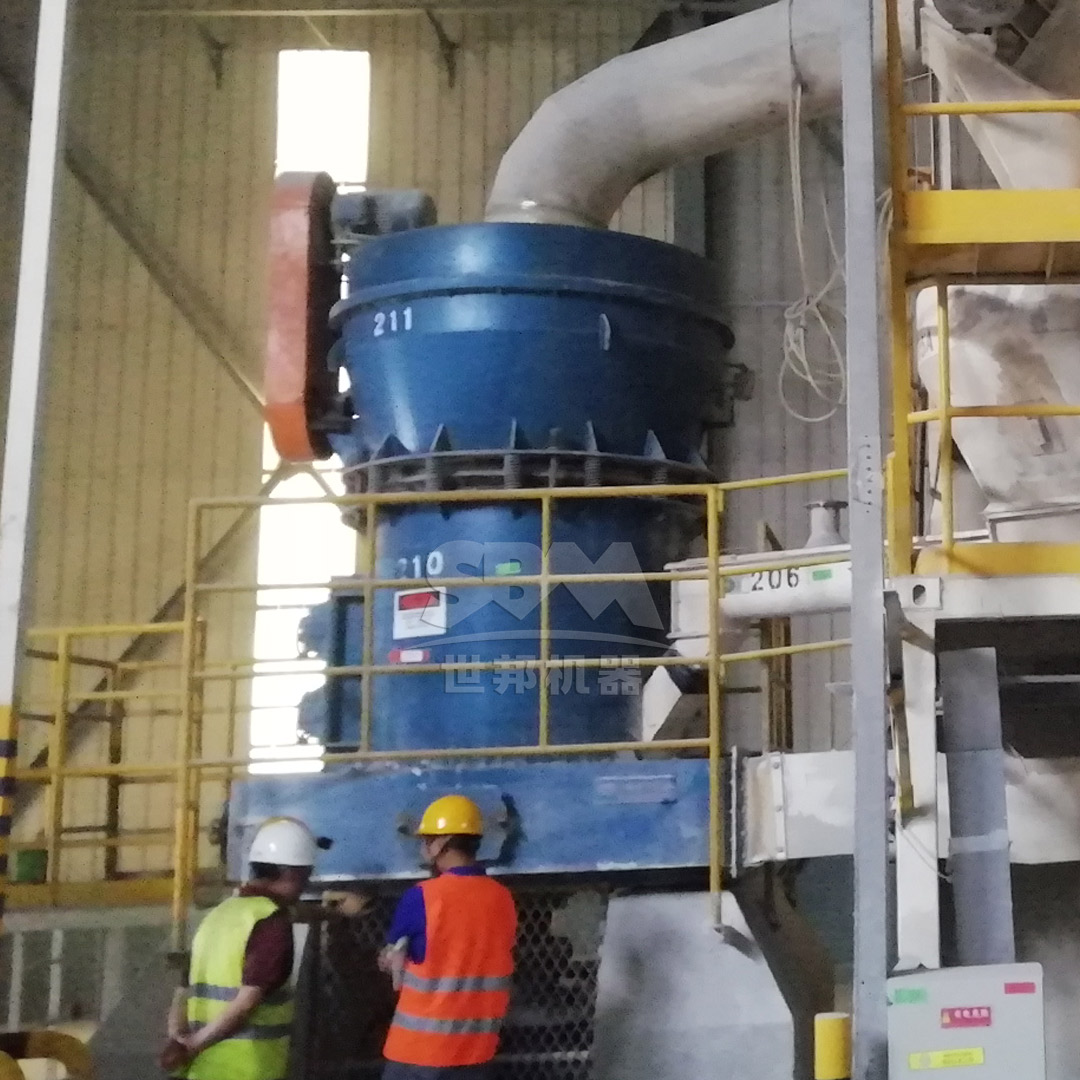
Granite ground powder is a fine particulate material produced by grinding granite rocks or granite waste from quarrying and stone processing operations. It primarily consists of quartz, feldspar, mica, and minor amounts of other minerals. When ground to a fine powder (typically below 75 μm, and often much finer), GGP exhibits pozzolanic or filler properties that can influence the fresh and hardened properties of concrete.
The production of GGP involves crushing and grinding granite to a controlled fineness. The fineness of the powder is critical because it affects reactivity, water demand, and the packing density of the concrete mixture. Advanced grinding mills, such as the SCM Series Ultrafine Mill, can produce powders with fineness ranging from 325 to 2500 mesh (45–5 μm), ensuring a consistent and highly reactive product.
Potential Benefits of Adding Granite Ground Powder to Concrete
1. Sustainable Alternative to Cement
Granite ground powder can partially replace Portland cement in concrete mixes. This reduces the carbon footprint associated with cement production, as cement manufacturing is responsible for approximately 8% of global CO2 emissions. By using GGP as a supplementary cementitious material (SCM), concrete producers can lower their environmental impact while potentially reducing costs.
2. Filler Effect and Improved Packing Density
Fine GGP particles can fill voids between cement grains and aggregates, improving the packing density of the concrete matrix. This can lead to reduced porosity and enhanced durability. The filler effect also contributes to better workability and reduced bleeding in fresh concrete.
3. Pozzolanic Activity
Although granite is not a traditional pozzolan, finely ground granite powder can exhibit some pozzolanic reactivity, particularly when ground to very high fineness. The reactive silica and alumina in the powder can react with calcium hydroxide from cement hydration to form additional calcium silicate hydrate (C-S-H), which enhances strength and durability. However, the pozzolanic activity of GGP is generally lower than that of fly ash or slag, so it is often used as a filler rather than a full replacement for cement.
4. Thermal Cracking Reduction
Replacing a portion of cement with GGP can reduce the heat of hydration in mass concrete applications, lowering the risk of thermal cracking.
5. Cost Reduction
In regions where granite waste is abundant, GGP can be an economical alternative to cement or other mineral admixtures, reducing material costs.
Challenges and Considerations
1. Fineness and Reactivity
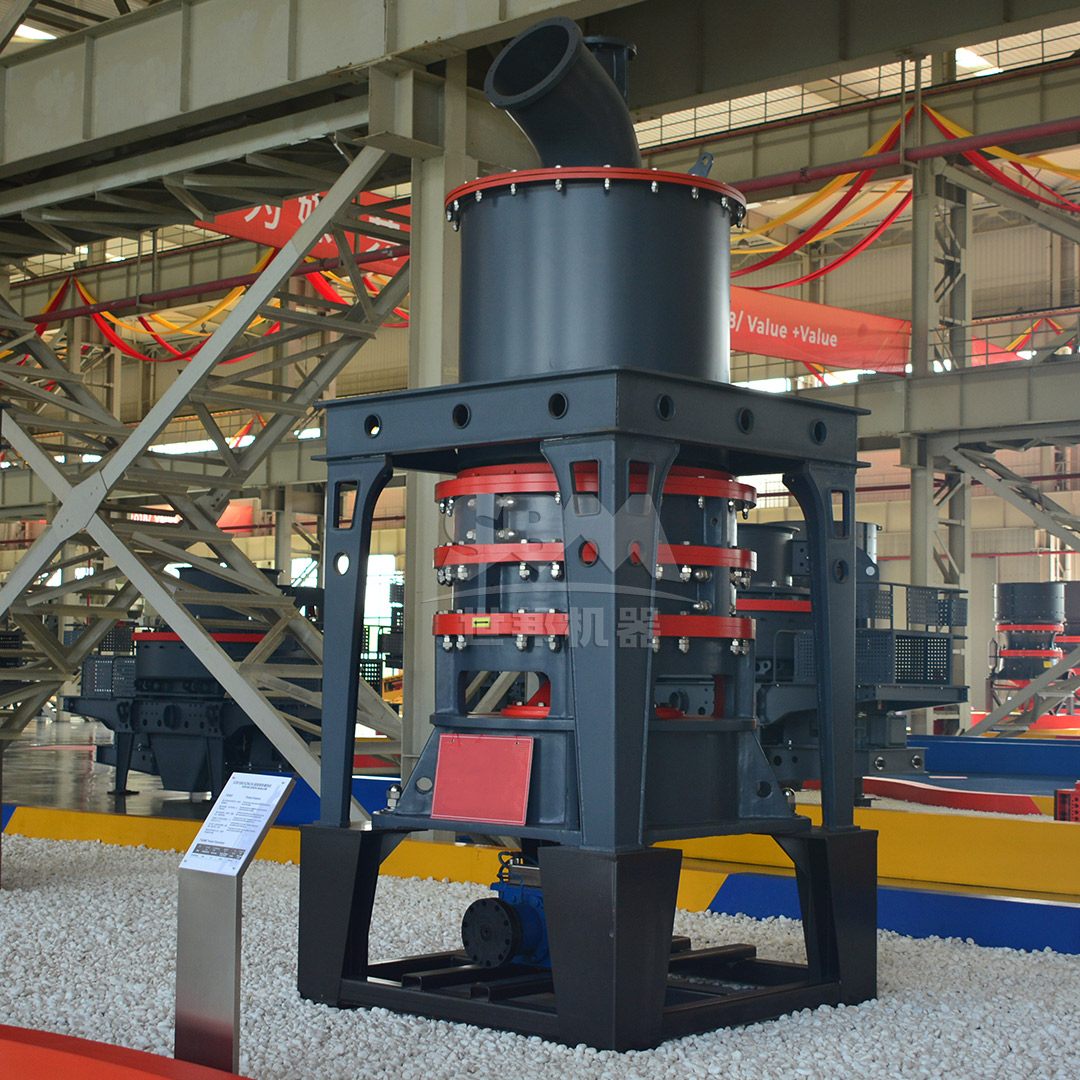
The effectiveness of GGP in concrete depends heavily on its fineness. Coarse GGP acts mainly as an inert filler, while finer powders can contribute to pozzolanic reactions. However, grinding granite to very fine particles requires significant energy and advanced equipment. Our SCM Series Ultrafine Mill is designed to efficiently produce ultrafine powders with precise particle size distribution, ensuring optimal reactivity and performance.
2. Water Demand
Adding fine powders to concrete can increase water demand due to the increased surface area. This may require the use of water-reducing admixtures to maintain workability. The particle size distribution and shape of GGP influence its water demand; therefore, controlled grinding is essential.
3. Alkali-Silica Reaction (ASR) Risk
Granite can contain reactive silica, which may participate in alkali-silica reactions if the concrete contains high-alkali cement. However, finely ground granite powder may actually mitigate ASR by reducing the availability of alkalis and improving the microstructure. Nonetheless, thorough testing is recommended for specific applications.
4. Variability in Composition
The mineralogical composition of granite varies by source, which can affect the performance of GGP in concrete. Quality control and consistent grinding are crucial to ensure predictable results.
5. Optimum Replacement Level
Research indicates that GGP can typically replace 10–30% of cement without significant strength loss, depending on fineness and mix design. Higher replacement levels may reduce early strength but can still be viable for certain applications with proper mix adjustments.
How to Produce the Right Granite Ground Powder
The key to successfully incorporating GGP into concrete lies in producing a powder with the right fineness, particle size distribution, and consistency. Our company offers advanced grinding solutions tailored for this purpose.
Recommended Products
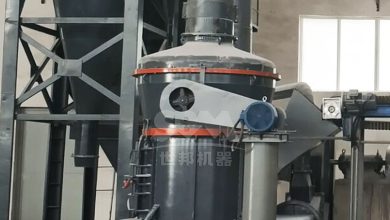
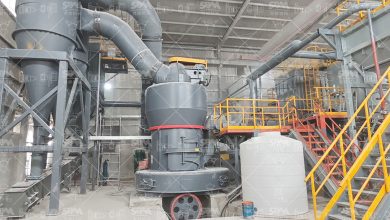
SCM Series Ultrafine Mill
The SCM Series Ultrafine Mill is ideal for grinding granite to the ultrafine range required for high-performance concrete applications. With output fineness adjustable from 325 to 2500 mesh (5–45 μm), it ensures that the granite powder has sufficient reactivity and packing efficiency. The mill features:
- High Efficiency & Energy Saving: Capacity is twice that of jet mills, with 30% lower energy consumption. Intelligent control with automatic finished product granularity feedback ensures consistent quality.
- High-Precision Classification: The vertical turbine classifier achieves precise particle size cutting, preventing coarse powder mixing and ensuring uniform finished products.
- Durable Design: Special material rollers and rings extend service life, while the shaftless screw grinding chamber ensures stable operation.
- Eco-friendly & Low Noise: Pulse dust collection efficiency exceeds international standards, and soundproof room design ensures low noise levels.
With models ranging from SCM800 (0.5–4.5 t/h) to SCM1680 (5–25 t/h), there is a suitable configuration for any production scale.
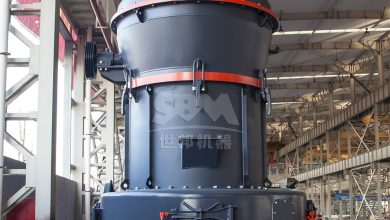
MTW Series European Trapezium Mill
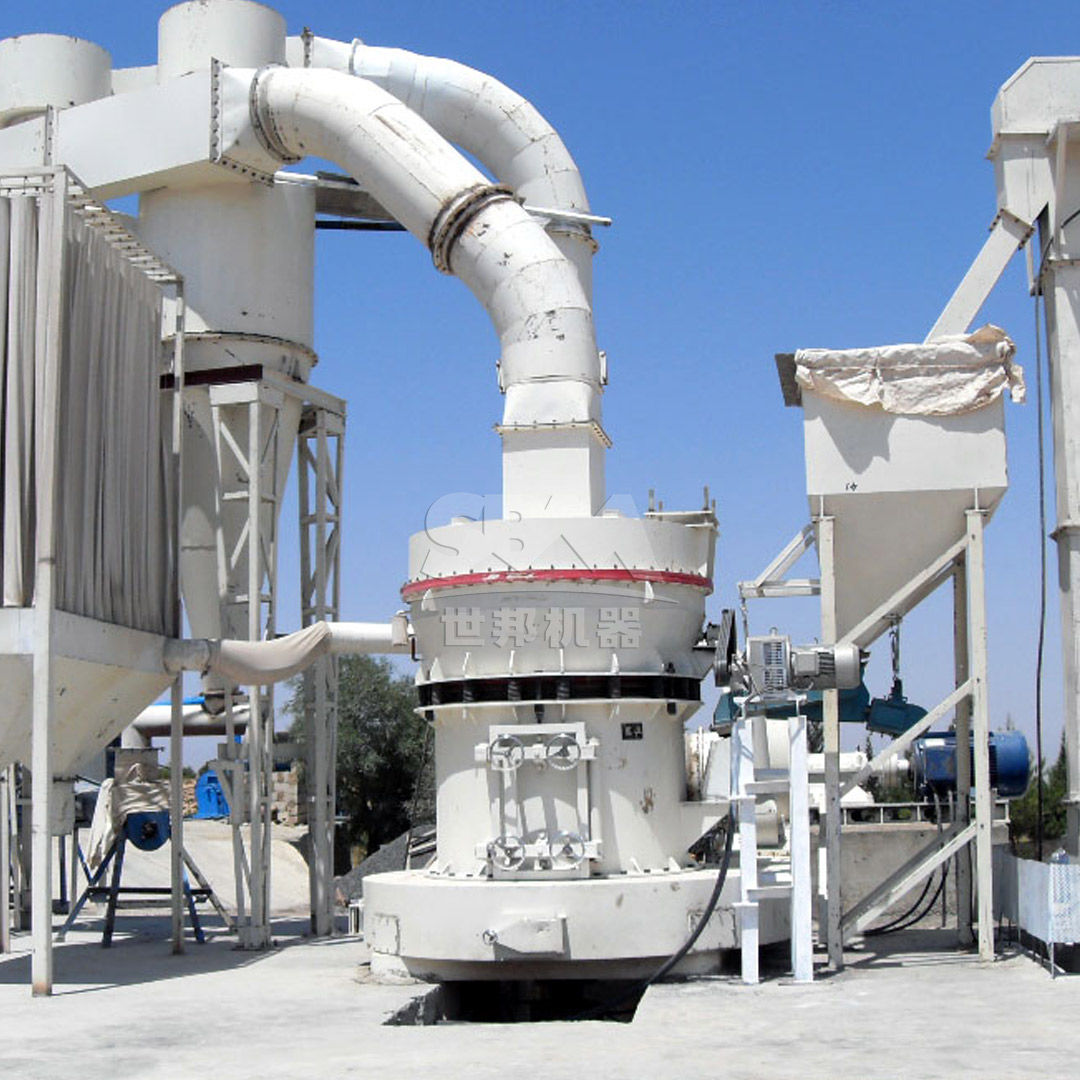
For applications requiring a coarser powder (e.g., 30–325 mesh), the MTW Series European Trapezium Mill offers a cost-effective solution. Its advanced features include:
- Anti-wear Shovel Design: Combined shovel blades reduce maintenance costs and extend grinding roller life.
- Optimized Arc Air Duct: Reduces airflow energy loss and improves transmission efficiency.
- Integral Bevel Gear Drive: Transmission efficiency up to 98%, saving space and reducing installation costs.
- Wear-resistant Volute Structure: Non-resistance flow design improves air selection efficiency and reduces maintenance costs by 30%.
With capacities from 3 t/h (MTW110) to 45 t/h (MTW215G), the MTW Series provides reliable and efficient grinding for granite powder production.
Case Studies and Research Findings
Numerous studies have investigated the use of granite powder in concrete. For example, research has shown that replacing up to 20% of cement with granite powder (fineness around 400 m²/kg) can maintain compressive strength comparable to control mixes at 28 days. Other studies have demonstrated improved resistance to chloride penetration and reduced water absorption when GGP is used as a filler. However, results vary depending on the source of granite and the grinding method.
In one study, concrete containing 15% GGP showed a 10% increase in 28-day compressive strength compared to the control, attributed to the filler effect and pozzolanic activity. In another study, the use of ultrafine GGP (d50 < 5 μm) enabled a 30% cement replacement without significant strength loss, highlighting the importance of fine grinding.
Practical Recommendations
Based on the current body of research and practical experience, the following recommendations can be made for using GGP in concrete:
- Determine the intended application: For high-performance concrete, use ultrafine GGP (e.g., produced by SCM Series Ultrafine Mill). For general construction, a coarser powder may suffice.
- Conduct trial mixes: Always test GGP from a specific source with local cement and aggregates to determine optimum replacement levels and admixture dosages.
- Control fineness: Invest in reliable grinding equipment to ensure consistent fineness and particle size distribution.
- Monitor workability: Use water-reducing admixtures as needed to compensate for increased water demand.
- Consider durability: Evaluate the potential for alkali-silica reaction and take preventive measures if necessary.
Conclusion
Granite ground powder can indeed be added to concrete, offering environmental and economic benefits while potentially enhancing certain properties. The key to success lies in the fineness and consistency of the powder, which directly influence its reactivity and filler effect. Advanced grinding technology, such as the SCM Series Ultrafine Mill and MTW Series European Trapezium Mill from our company, provides the means to produce high-quality GGP tailored for concrete applications. As the construction industry continues to seek sustainable solutions, granite ground powder represents a promising option for reducing cement content and improving concrete performance.
By carefully selecting the grinding equipment and optimizing mix designs, concrete producers can confidently incorporate granite ground powder into their products, contributing to a more sustainable and cost-effective future for construction.