
Application of Metallurgical Coke Fine Powder in Lithium Battery Anode Materials
Introduction
The rapid advancement of lithium-ion battery technology has intensified the demand for high-performance anode materials. While graphite remains the dominant anode material, metallurgical coke fine powder—a byproduct of the steel industry—has emerged as a promising precursor for anode materials due to its low cost, high carbon content, and tunable microstructure. This article explores the application of metallurgical coke fine powder in lithium battery anode materials, highlighting the critical role of ultrafine grinding and classification in optimizing electrochemical performance. Additionally, we introduce two of our company’s advanced milling solutions—the SCM Series Ultrafine Mill and the LUM Ultrafine Vertical Roller Mill—which are specifically engineered to process coke fine powder into high-quality anode materials.
Overview of Metallurgical Coke Fine Powder
Metallurgical coke is produced by the carbonization of coal blends at high temperatures (1000–1200°C) in the absence of air. During coke production and handling, a significant amount of fine powder (particles below 3 mm) is generated. Traditionally, this fine powder has been underutilized, often used as fuel or discarded. However, its high fixed carbon content (>85%), low ash, and availability make it an attractive candidate for lithium battery anodes.
Recent research indicates that coke-based anodes can deliver reversible capacities exceeding 300 mAh/g, with excellent cycling stability and rate capability. The key to unlocking this performance lies in controlling the particle size distribution, morphology, and surface chemistry of the coke powder. Ultrafine grinding and precise classification are essential to achieve the desired particle sizes (typically 5–20 μm) and to eliminate coarse particles that can cause inhomogeneous lithiation and mechanical degradation.
Role of Particle Size in Anode Performance
The particle size of anode materials significantly influences lithium-ion diffusion pathways, electrode density, and cycle life. Coarse particles (>30 μm) suffer from slow lithium diffusion and can lead to pulverization during cycling. Conversely, nanoparticles (<100 nm) offer high rate capability but suffer from low packing density and poor initial coulombic efficiency. An optimal particle size distribution (PSD) between 5 and 15 μm balances these trade-offs, providing both high volumetric energy density and stable cycling.
Metallurgical coke fine powder typically exhibits a broad PSD with a significant fraction of coarse particles. To meet the stringent requirements of lithium battery anodes, the powder must be ground to a fine and uniform size. This is where advanced milling equipment becomes indispensable. Our SCM Series Ultrafine Mill is designed to deliver precisely this outcome.
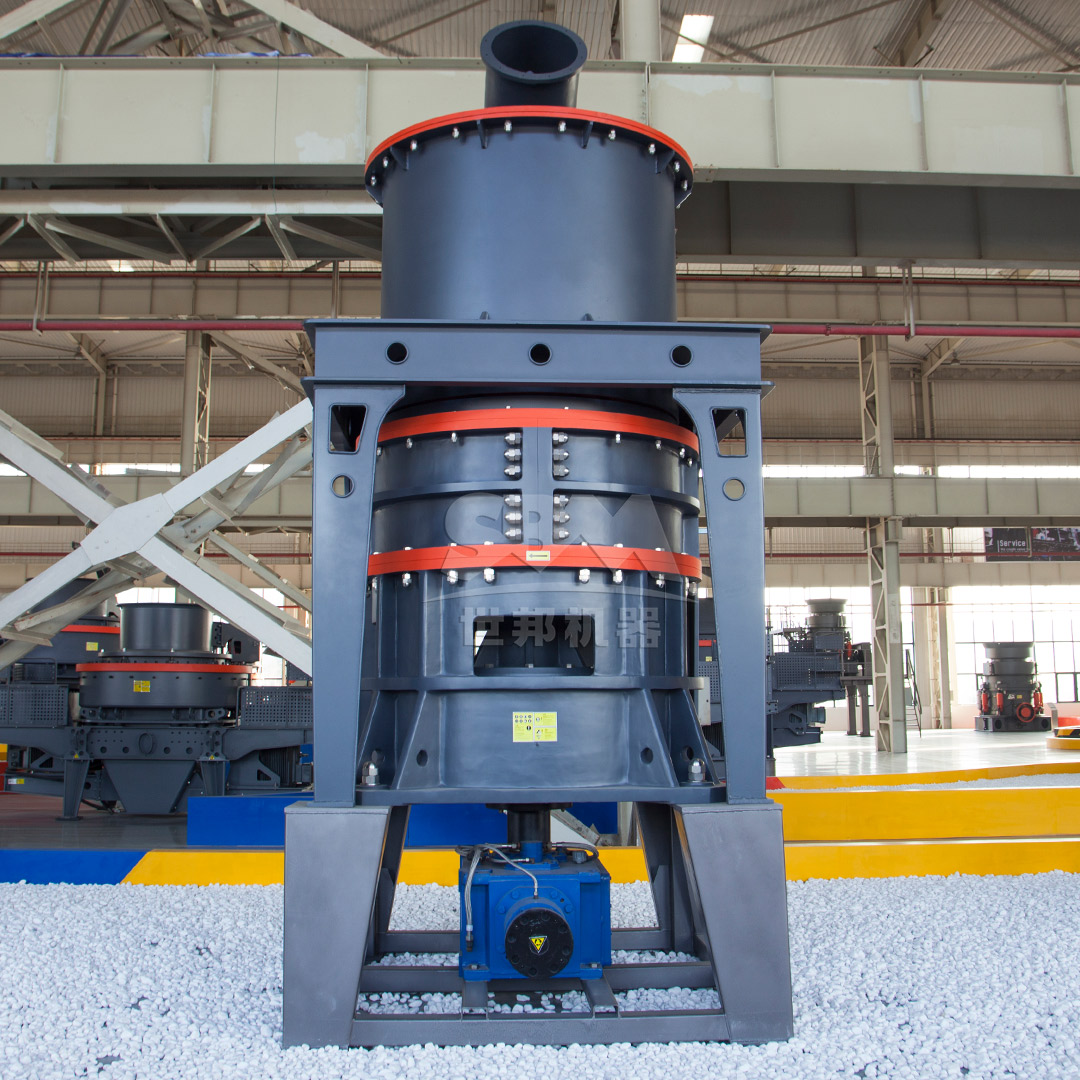
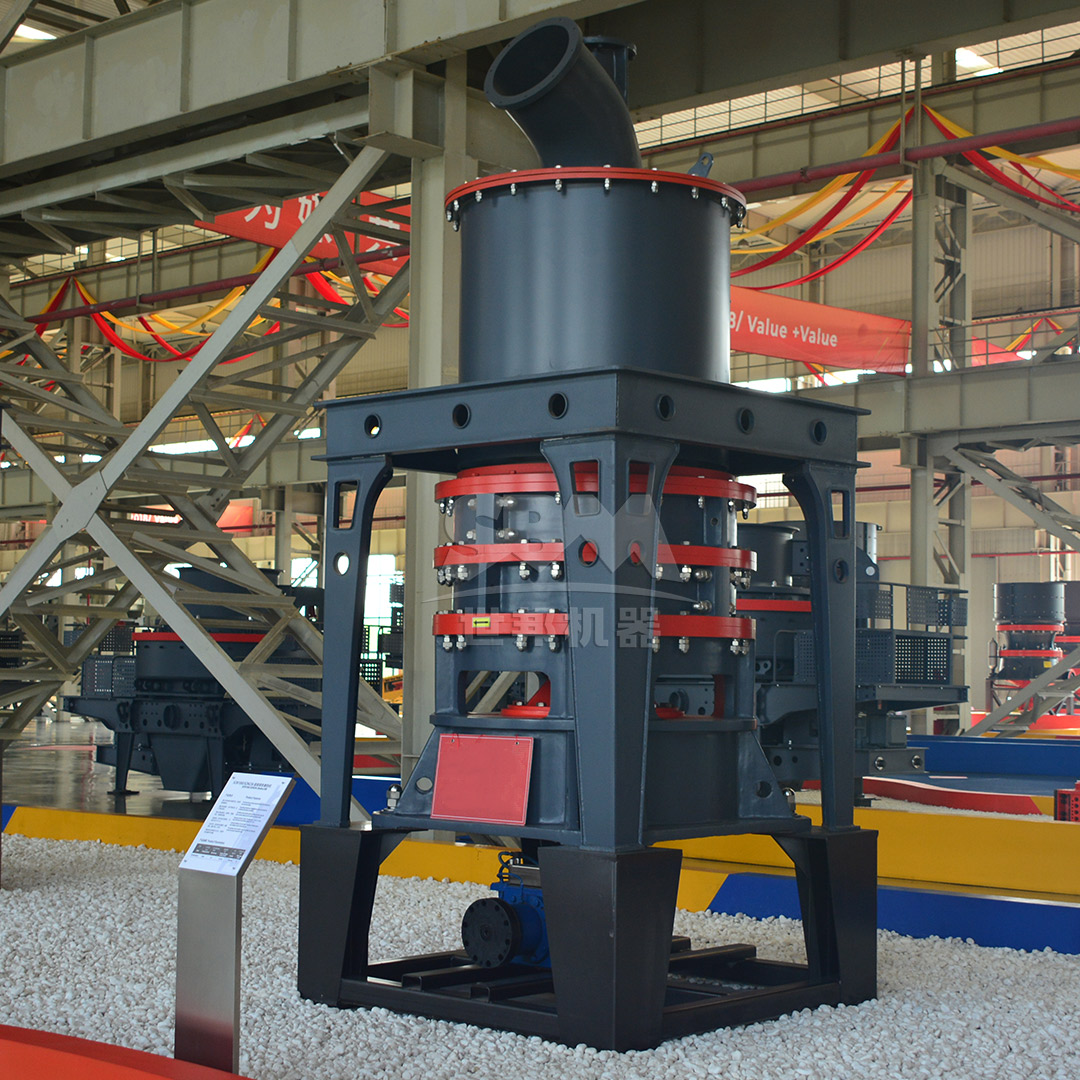
SCM Series Ultrafine Mill: Precision Grinding for High-Performance Anodes
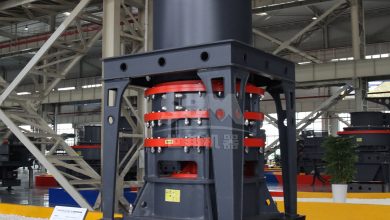
The SCM Series Ultrafine Mill is a state-of-the-art solution for producing ultrafine coke powder with exceptional uniformity. Key technical advantages include:
- High Efficiency and Energy Saving: Capacity is twice that of jet mills, with 30% lower energy consumption. The intelligent control system with automatic feedback on finished product granularity ensures consistent quality.
- High-Precision Classification: The vertical turbine classifier achieves precise particle size cutting, eliminating coarse powder contamination. This is critical for anode materials, where even a small fraction of oversized particles can compromise battery performance.
- Durable Design: Special material rollers and rings extend service life several times over, while the shaftless screw grinding chamber ensures stable operation—ideal for continuous production.
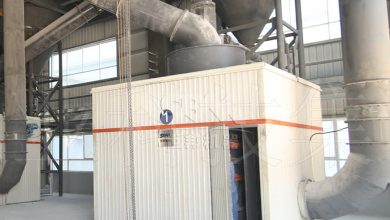
- Eco-friendly and Low Noise: Pulse dust collection efficiency exceeds international standards, and the soundproof room design ensures a quiet working environment.
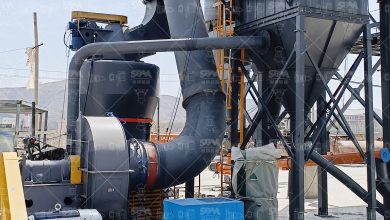
Working Principle: The main motor drives three layers of grinding rings to rotate. Materials are dispersed into the grinding path by centrifugal force, crushed by roller pressure, and ground layer by layer. Finally, powder collection is completed by a cyclone collector and a pulse dust removal system.
Models & Specifications:
- SCM800: Capacity 0.5–4.5 t/h | Main Power 75 kW | Feed Size 0–20 mm | Fineness 325–2500 mesh
- SCM900: Capacity 0.8–6.5 t/h | Main Power 90 kW | Feed Size 0–20 mm | Fineness 325–2500 mesh
- SCM1000: Capacity 1.0–8.5 t/h | Main Power 132 kW | Feed Size 0–20 mm | Fineness 325–2500 mesh
- SCM1250: Capacity 2.5–14 t/h | Main Power 185 kW | Feed Size 0–20 mm | Fineness 325–2500 mesh
- SCM1680: Capacity 5.0–25 t/h | Main Power 315 kW | Feed Size 0–20 mm | Fineness 325–2500 mesh
With its ability to produce fine, uniform powder at high throughput, the SCM Series Ultrafine Mill is an ideal choice for processing metallurgical coke fine powder into anode-grade material.
Post-Processing and Electrochemical Performance
After grinding, the coke powder may undergo additional treatments such as carbon coating, surface modification, or spheroidization to enhance electrochemical properties. Carbon coating via pitch or chemical vapor deposition improves electrical conductivity and reduces irreversible capacity. The uniform particle size achieved by the SCM mill ensures that these downstream processes are efficient and reproducible.
Electrochemical tests on coke-based anodes have demonstrated reversible capacities of 280–350 mAh/g, with capacity retention above 90% after 100 cycles. The rate capability can be further improved by reducing particle size to the sub-10 μm range, which shortens lithium-ion diffusion paths. Our LUM Ultrafine Vertical Roller Mill offers an alternative for even finer grinding, with output fineness down to 5–30 μm.
LUM Ultrafine Vertical Roller Mill: Advanced Ultrafine Grinding
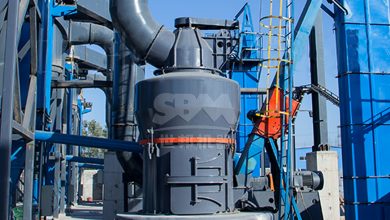
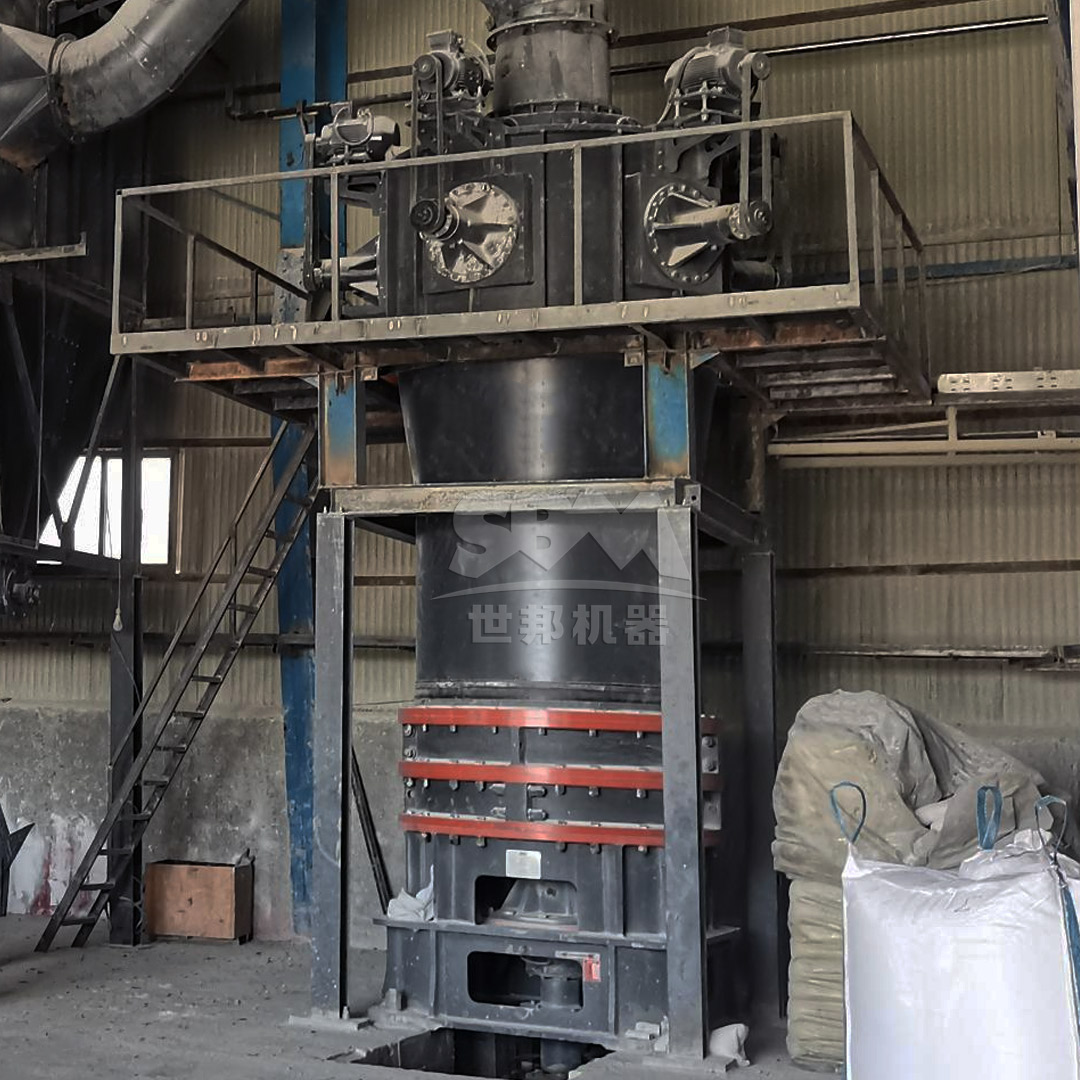
The LUM Ultrafine Vertical Roller Mill integrates grinding, classification, and conveying into one compact system. Its unique roller and liner curves improve grinding efficiency, while the multi-rotor classifier ensures no coarse particles escape. The PLC automation system provides stable operation, and the negative pressure design prevents dust leakage. With models like LUM1525 (capacity 1.6–11.5 t/h, fineness 5–30 μm), LUM1632 (2–13.5 t/h), and LUM1836 (2.3–15 t/h), the LUM mill is well-suited for producing the finest coke powder for high-power anodes.
Comparison with Other Milling Technologies
While ball mills are commonly used for coke grinding, they suffer from low efficiency and high energy consumption. Jet mills can produce fine powders but are limited in capacity and are energy-intensive. The SCM and LUM mills represent the next generation of ultrafine grinding technology, combining high capacity, energy efficiency, and precise classification. For anode applications, where consistency and cleanliness are paramount, these mills offer a distinct advantage.
Economic and Environmental Benefits
Utilizing metallurgical coke fine powder as a precursor for anode materials not only reduces the cost of battery production but also valorizes an industrial byproduct, contributing to a circular economy. The energy-efficient grinding solutions from our company further reduce the carbon footprint of anode manufacturing. By choosing the SCM or LUM mills, manufacturers can achieve both economic and environmental sustainability.
Conclusion
Metallurgical coke fine powder holds great promise as a low-cost, high-performance anode material for lithium-ion batteries. The key to realizing this potential lies in precise particle size control through advanced milling and classification. Our SCM Series Ultrafine Mill and LUM Ultrafine Vertical Roller Mill provide the technological edge needed to produce anode-grade coke powder with high efficiency and reliability. For battery manufacturers and material suppliers looking to capitalize on this emerging application, these products represent a strategic investment. Contact us today to learn more about how our milling solutions can support your anode material production.