
What Causes Excessive Vibration in Raymond Mill Grinding Equipment?
Introduction
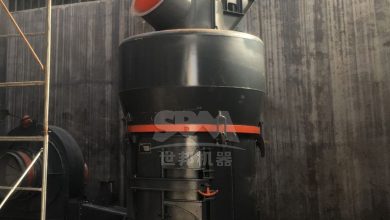
Raymond mills are widely used in mineral processing, building materials, chemical engineering, and other industries for grinding non-flammable and non-explosive materials. However, excessive vibration is a common issue that can lead to reduced grinding efficiency, increased wear, and even mechanical failure. Understanding the root causes of abnormal vibration is essential for maintaining optimal performance and extending equipment life. In this article, we analyze the primary causes of excessive vibration in Raymond mill grinding equipment and provide practical solutions. Additionally, we introduce two high-performance grinding mills from our company that offer superior stability and efficiency compared to traditional Raymond mills.
1. Unbalanced Grinding Rollers or Rings
One of the most frequent causes of vibration in Raymond mills is the imbalance of the grinding rollers or the grinding ring. Over time, wear and tear can cause uneven material removal from the roller surfaces or the ring, leading to an unbalanced rotating mass. When the rollers are not uniformly worn, the centrifugal forces generated during operation become asymmetric, producing strong vibrations that are transmitted to the entire mill structure. Similarly, if the grinding ring is not properly seated or has uneven wear, the rollers will not maintain consistent contact with the ring, resulting in erratic movement and vibration.
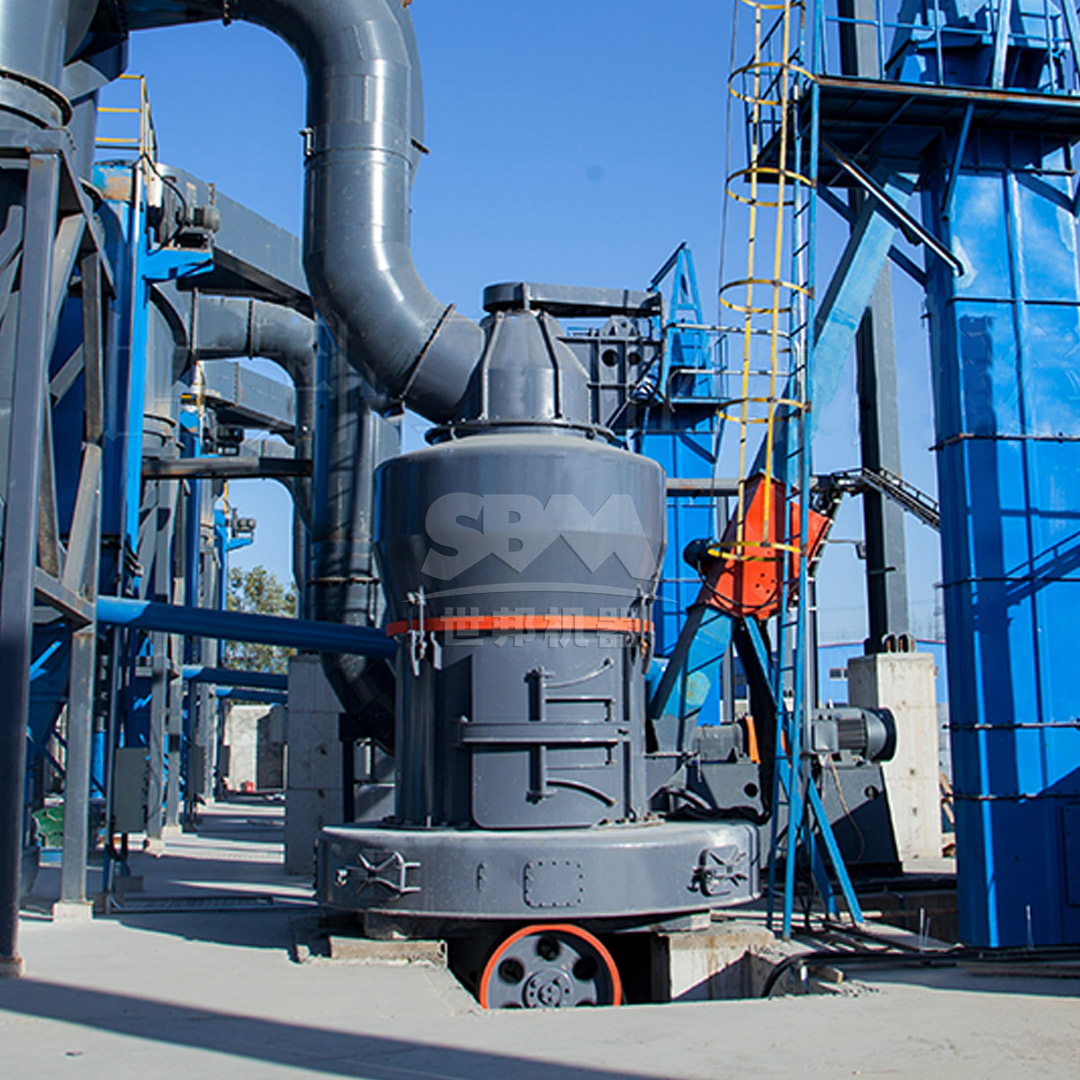
To mitigate this, regular inspection and replacement of worn rollers and rings are necessary. However, traditional Raymond mills often require frequent maintenance due to their design. Our company’s MTW Series European Trapezium Mill addresses this issue with an innovative anti-wear shovel design and curved grinding roller profile that extends roller life and maintains balance even after prolonged use. The integral bevel gear drive ensures smooth power transmission with minimal vibration.
2. Loose or Worn Bearings and Transmission Components
Bearings play a critical role in supporting the rotating parts of a Raymond mill. If the bearings become loose, worn, or inadequately lubricated, they can generate excessive vibration. Similarly, couplings, gears, and belts that are misaligned or worn can cause periodic impulses that manifest as vibration. The main shaft bearing, in particular, is subjected to heavy loads and must be properly preloaded and lubricated. In many conventional Raymond mills, the lubrication system is not fully automated, leading to inconsistent lubrication and premature bearing failure.
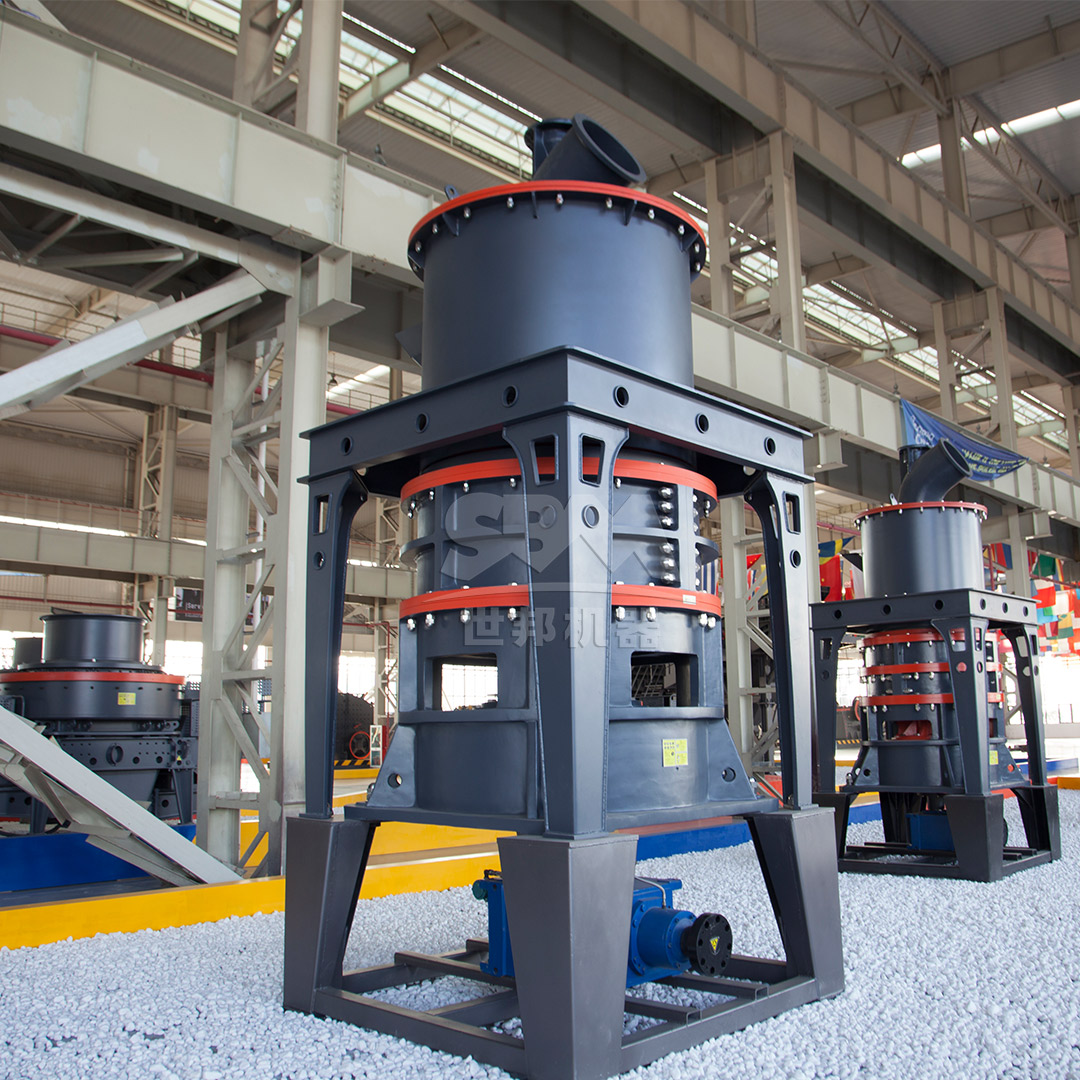
Our SCM Series Ultrafine Mill features a shaftless screw grinding chamber that eliminates the need for a central shaft, thereby reducing the number of rotating components and potential vibration sources. The intelligent control system monitors operating parameters in real time and provides feedback on finished product granularity, ensuring stable operation even under varying loads. Additionally, the special material rollers and rings are designed for extended service life, minimizing the frequency of maintenance-induced imbalance.
3. Improper Feed Rate and Material Characteristics
The feed rate and the physical properties of the material being ground significantly affect the vibration behavior of a Raymond mill. Feeding too much material at once can overload the grinding chamber, causing the rollers to bounce and the mill to vibrate. Conversely, insufficient feed leads to direct metal-to-metal contact between the rollers and the ring, resulting in impact vibration. Moreover, materials with high moisture content can stick to the grinding surfaces, causing uneven material distribution and unbalanced forces. Hard or abrasive materials accelerate wear and can cause sudden spikes in vibration if foreign objects enter the grinding chamber.
Proper control of the feed rate is essential. Our MTW Series European Trapezium Mill is equipped with an optimized arc air duct that reduces airflow energy loss and improves transmission efficiency, allowing for smoother material flow and consistent grinding pressure. The wear-resistant volute structure with non-resistance flow design enhances air selection efficiency and reduces maintenance costs by 30%, ensuring stable operation even with challenging materials.
4. Misalignment of the Main Shaft or Foundation
The foundation of a Raymond mill must be rigid and level to absorb the dynamic forces generated during grinding. If the foundation is uneven, cracked, or improperly grouted, the mill can settle unevenly, leading to misalignment of the main shaft and subsequent vibration. Similarly, if the main shaft is bent or the couplings are misaligned during installation, the rotating assembly will be out of balance.
Our SCM Series Ultrafine Mill features a robust design with a vertically oriented turbine classifier that ensures precise particle size cutting without coarse powder mixing. The machine is engineered for easy installation and alignment, with a soundproof room design that reduces noise and vibration transmission to the foundation. The pulse dust collection system exceeds international standards, contributing to a cleaner and more stable working environment.
5. Airflow and Classifier Imbalance
Raymond mills rely on airflow to transport ground material from the grinding chamber to the classifier. If the fan is unbalanced, the air duct is clogged, or the classifier blades are misadjusted, the airflow pattern becomes unstable, causing vibration. An unbalanced classifier rotor can also produce high-frequency vibration that is often mistaken for mechanical issues. In addition, improper damper settings can lead to pulsating airflow, which excites structural vibrations.
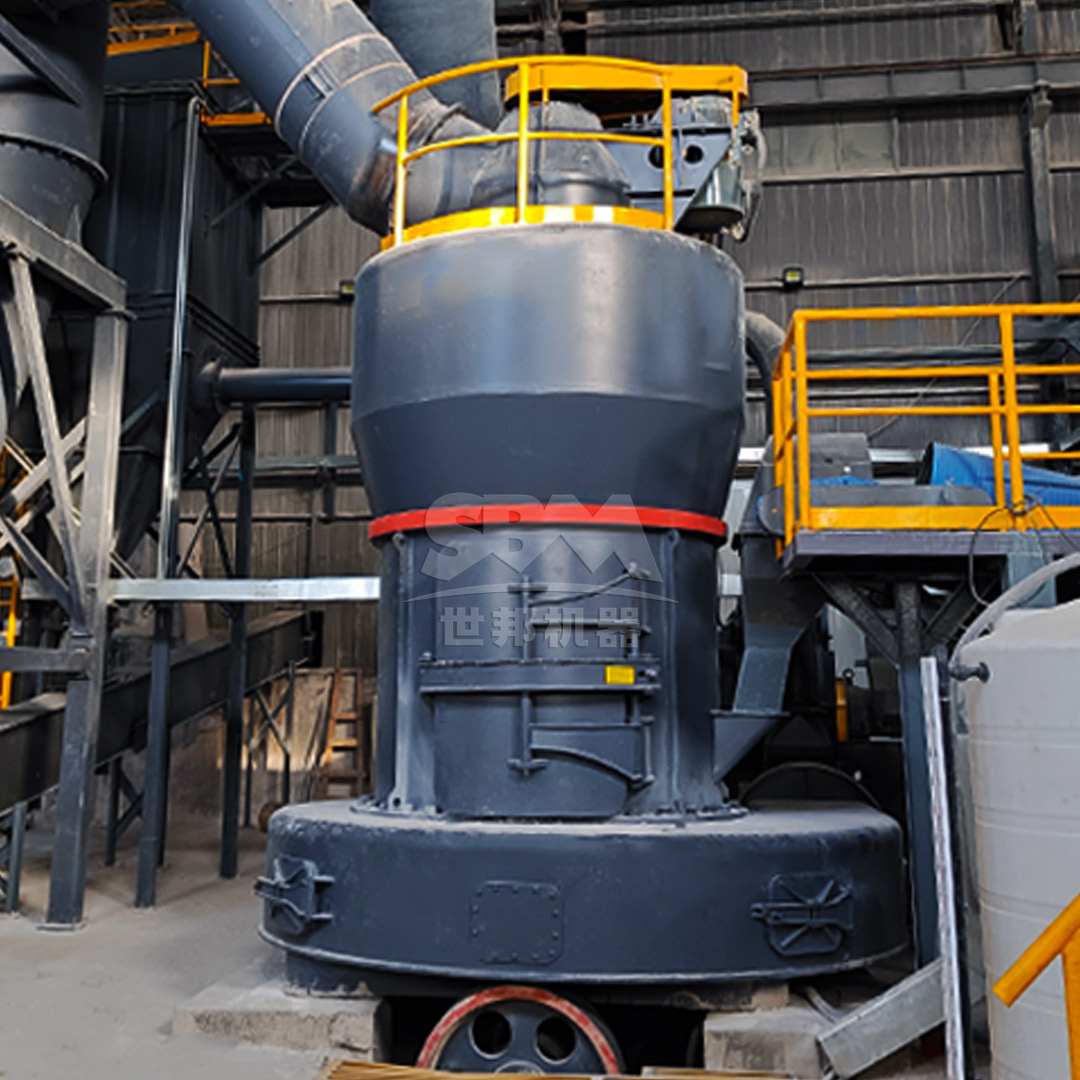
The MTW Series European Trapezium Mill incorporates an integral bevel gear drive with transmission efficiency up to 98%, reducing energy losses and ensuring smooth operation. The optimized arc air duct and wear-resistant volute structure work together to maintain stable airflow, while the high-strength guard plates protect the air duct working surface from abrasion. These features collectively minimize airflow-induced vibration and enhance overall reliability.
6. Worn or Broken Hammers/Shovels
In Raymond mills, the shovels (also known as blades) are responsible for scooping material and feeding it between the rollers and the ring. If the shovels are worn or broken, the material feed becomes uneven, causing the rollers to move erratically and generate vibration. Broken shovel fragments can also damage the grinding ring and rollers, leading to more severe imbalance.
Our MTW Series European Trapezium Mill features a combined shovel blade design that reduces maintenance costs and a curved design that extends grinding roller life. This robust construction ensures consistent material feeding and minimizes vibration caused by shovel wear.
7. Resonance and Structural Looseness
Every mechanical system has natural frequencies. If the excitation frequency from the rotating parts or the grinding forces matches the natural frequency of the mill structure or its foundation, resonance occurs, amplifying vibration dramatically. Additionally, loose bolts, cracked welds, or deteriorated isolation mounts can lead to structural looseness, which manifests as excessive vibration.
Our SCM Series Ultrafine Mill is designed with a soundproof room and rigid base to dampen vibrations. The intelligent control system with automatic finished product granularity feedback ensures that the mill operates away from resonant frequencies by maintaining optimal speed and load conditions.
Recommended Products for Vibration-Free Grinding
To overcome the common vibration issues associated with traditional Raymond mills, we recommend two of our advanced grinding equipment:
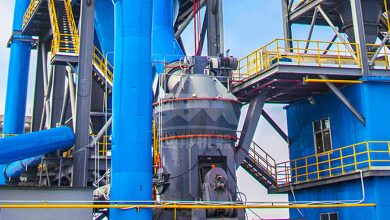
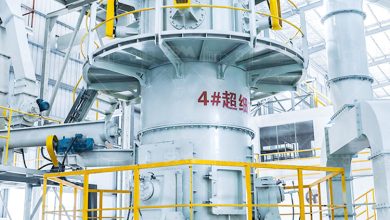
- SCM Series Ultrafine Mill (45-5μm): With a capacity of 0.5-25 t/h and output fineness of 325-2500 mesh, this mill features a shaftless screw grinding chamber, high-precision vertical turbine classifier, and intelligent control. Its durable design and eco-friendly operation make it an excellent choice for ultrafine grinding with minimal vibration.
- MTW Series European Trapezium Mill (600-45μm): Offering capacities from 3 to 45 t/h and fineness down to 0.038mm, this mill incorporates anti-wear shovel design, optimized arc air duct, integral bevel gear drive, and wear-resistant volute structure. These features ensure smooth, vibration-free operation and reduced maintenance costs.
By selecting the right equipment and maintaining it properly, operators can significantly reduce vibration and enjoy longer equipment life, higher productivity, and lower energy consumption.
Conclusion
Excessive vibration in Raymond mill grinding equipment is a multifaceted problem that can stem from unbalanced grinding elements, worn bearings, improper feed, foundation issues, airflow instability, worn shovels, or structural resonance. Regular inspection, proper maintenance, and the use of advanced grinding technology are key to preventing vibration-related failures. Our SCM Series Ultrafine Mill and MTW Series European Trapezium Mill are engineered to address these challenges, offering stable operation, high efficiency, and long service life. For more information on how our products can improve your grinding process, please contact our technical team.