
Quartz Tailings to High-Purity Quartz Sand: Production Process and Equipment Guide
Introduction
The surge in demand for high-purity quartz sand—driven by photovoltaics, semiconductors, and high-end glass—has turned attention to an often-overlooked resource: quartz tailings. Once discarded as waste from feldspar, mica, or rare-metal mining, quartz tailings can be upgraded to 99.9%+ SiO₂ products through a well-designed flowsheet. This guide walks through the key process stages and the equipment that makes economic recovery possible, with specific recommendations from our proven portfolio.
1. Characterizing Quartz Tailings
Quartz tailings typically contain 85–95% SiO₂ with impurities such as feldspar, mica, clay minerals, iron oxides, and trace heavy minerals. Particle size ranges from fine slimes (<0.074 mm) to coarse sands (>1 mm). The liberation size and impurity profile dictate the comminution and separation strategy. A proper mineralogical analysis—XRD, XRF, and SEM-EDS—is the first step before selecting equipment.
2. Process Flowsheet Overview
A typical high-purity quartz sand production line from tailings includes: (1) crushing and scrubbing, (2) grinding/attrition, (3) magnetic separation, (4) flotation, (5) acid leaching, (6) washing and dewatering, and (7) drying and classification. Each stage must be optimized to avoid over-grinding and to maximize impurity removal while preserving silica yield.
3. Crushing and Scrubbing
Coarse tailings are crushed to <20 mm using jaw or hammer crushers. Our Hammer Mill (PC series) is ideal for this duty, offering a 0–3 mm product with high reduction ratio and low investment. Models PC4008-75 (8–15 t/h) and PC4012-90 (15–40 t/h) are popular choices. Attrition scrubbing follows to dislodge clay coatings and break weak aggregates.
4. Grinding and Classification
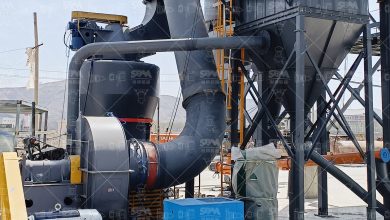
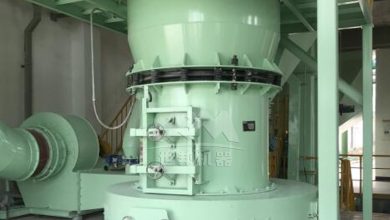
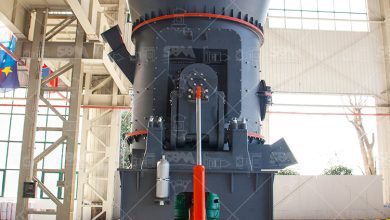
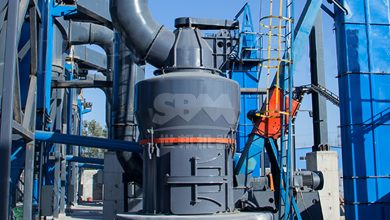
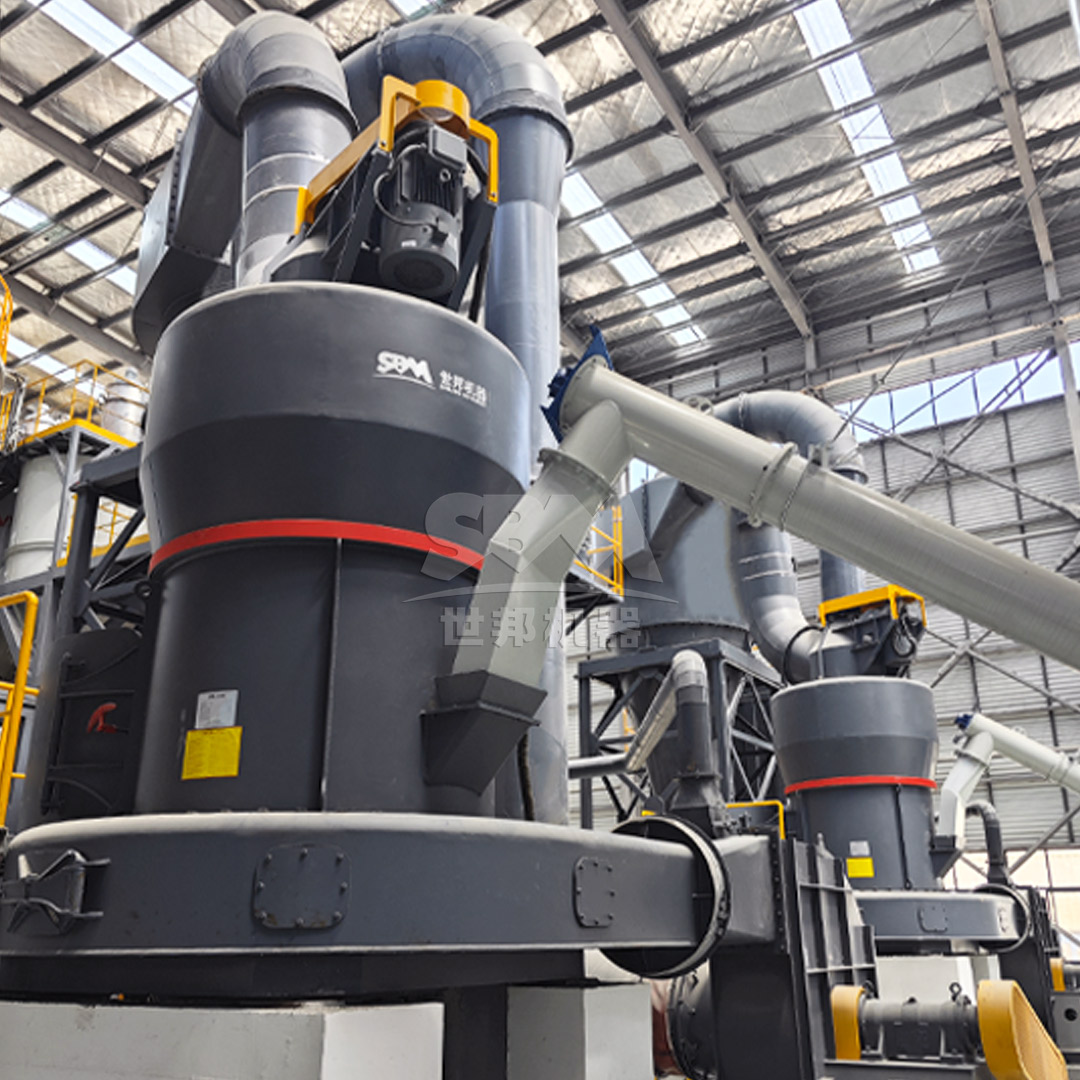
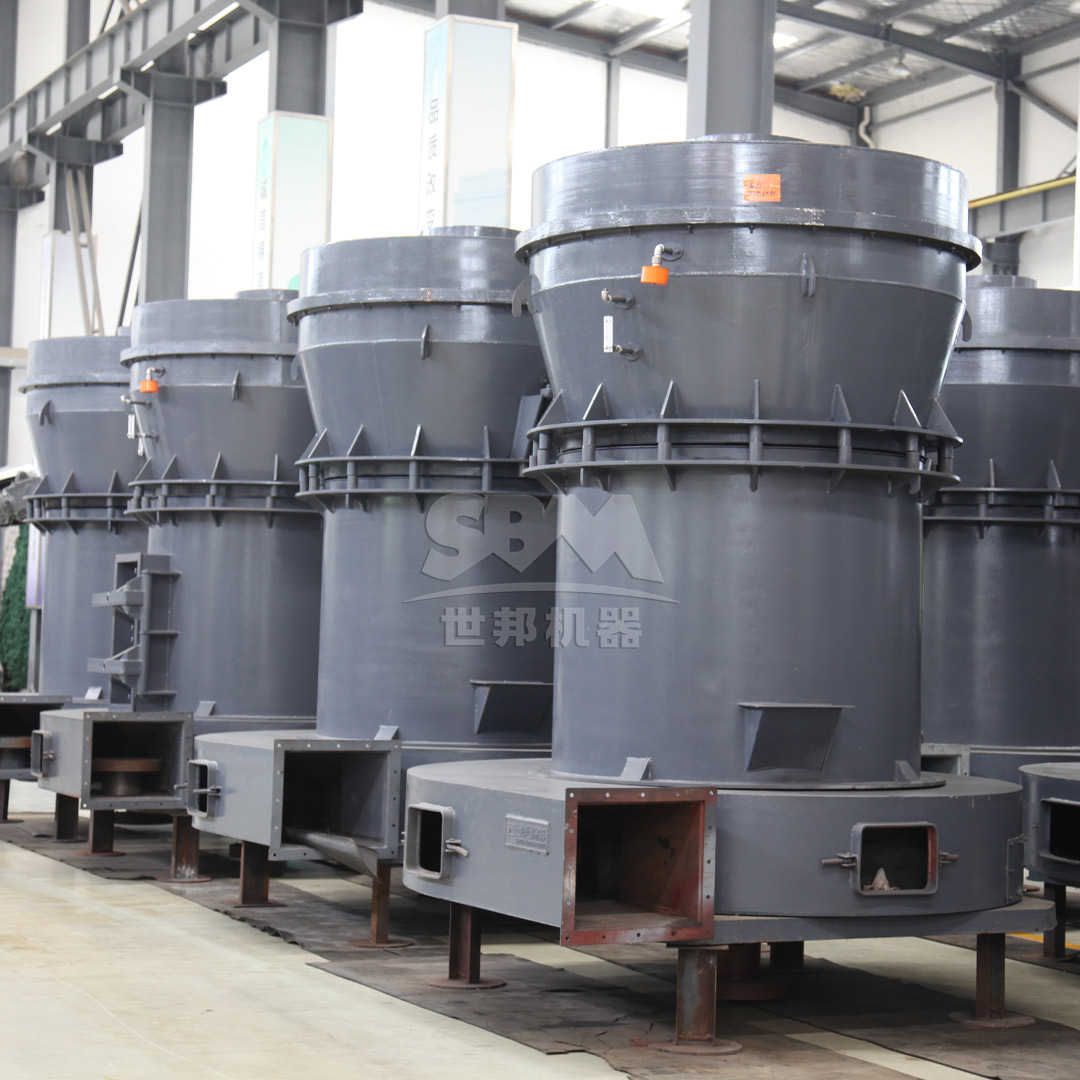
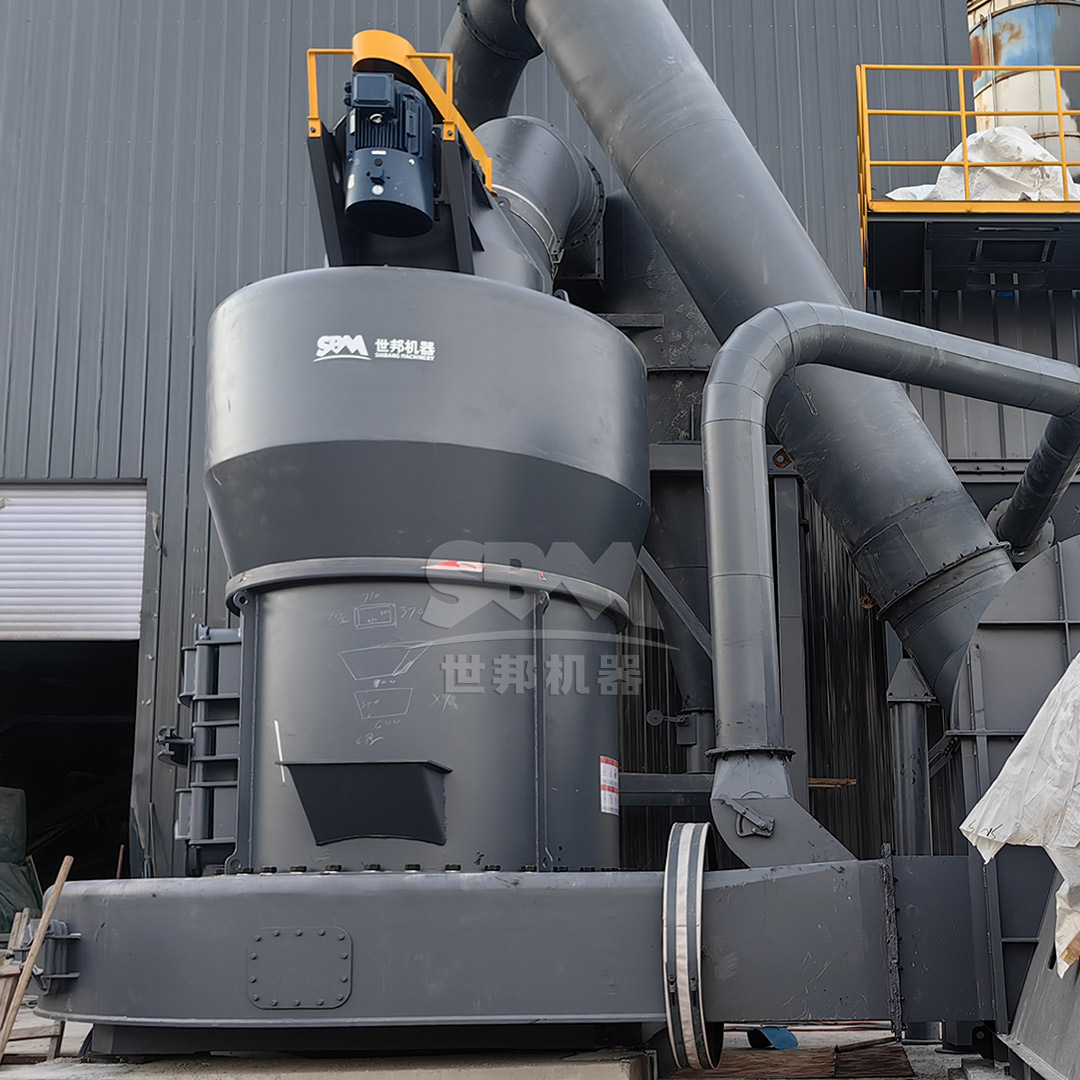
To liberate quartz from associated minerals, controlled grinding to 0.1–0.6 mm is required. Over-grinding produces slimes that complicate downstream separation. For this stage, we recommend the MTW Series European Trapezium Mill. With output fineness adjustable from 30 to 325 mesh (down to 0.038 mm) and capacities from 3 to 45 t/h, the MTW mill provides precise classification and stable operation. Its integral bevel gear drive achieves 98% transmission efficiency, while the wear-resistant volute reduces maintenance costs by 30%. For larger capacities or finer products, the LM Series Vertical Roller Mill offers integrated crushing, grinding, and classification with 30–40% lower energy consumption than ball mills, and models from 10 to 250 t/h.
5. Magnetic Separation
Iron removal is critical for high-purity applications. Wet high-intensity magnetic separators (WHIMS) remove weakly magnetic impurities such as hematite and ilmenite. Multiple stages may be needed to reach <50 ppm Fe₂O₃.
6. Flotation
Flotation removes feldspar and mica using amine collectors at acidic pH. Both direct and reverse flotation circuits are employed. Proper conditioning and froth handling are essential to avoid silica losses.
7. Acid Leaching
Acid leaching with HCl or H₂SO₄ at elevated temperature dissolves residual iron and other metallic impurities. For ultra-high-purity (>99.99% SiO₂), HF or mixed acid leaching may be required. Leaching is followed by thorough washing to remove residual acids.
8. Dewatering, Drying, and Classification
Slurries are dewatered using thickeners, filter presses, or centrifuges. Thermal drying is typically performed in rotary dryers. Final classification by air classifiers or vibrating screens ensures precise particle size distribution for the target market.
9. Equipment Selection Guidelines
When selecting equipment, consider feed size, moisture, throughput, and target fineness. For fine grinding (<45 μm), the SCM Series Ultrafine Mill is an excellent choice. With output fineness from 325 to 2500 mesh and capacity up to 25 t/h, it features a vertical turbine classifier for precise particle size cutting and intelligent control for automatic granularity feedback. Its energy consumption is 30% lower than jet mills, and the pulse dust collection exceeds international standards.
10. Economic and Environmental Considerations
Recovering quartz from tailings reduces waste and environmental liability while creating a valuable product. Water recycling and dust control are integral to modern plants. Our equipment is designed with environmental compliance in mind—negative pressure operation, pulse dust collectors, and soundproof enclosures ensure clean and quiet operation.
Conclusion
Converting quartz tailings to high-purity quartz sand is technically feasible and economically attractive with the right process and equipment. From crushing and scrubbing to fine grinding and classification, our proven mills—including the MTW, LM, and SCM series—deliver reliable performance, energy efficiency, and precise product quality. Contact our engineers to design a tailored flowsheet for your tailings.