
How to Design a Clean Coal Powder Preparation Solution: A Complete Guide for Efficiency and Emission Control
Introduction
Coal remains a critical energy source for power generation, cement production, and industrial processes worldwide. However, the environmental impact of coal utilization—particularly particulate matter emissions and inefficient combustion—demands modern solutions that prioritize both operational efficiency and emission control. Designing a clean coal powder preparation solution requires careful consideration of grinding technology, classification precision, dust collection, and system integration. This guide outlines the key steps and technologies to achieve a clean, efficient coal powder preparation plant, with reference to industry-leading equipment such as the LM Series Vertical Roller Mill and the SCM Series Ultrafine Mill.
1. Understanding the Requirements: Fineness, Capacity, and Emissions
Before selecting equipment, define the target coal powder specifications. Typical requirements for combustion in boilers or kilns include fineness of 200 mesh (75 μm) passing 80–90%, with moisture content below 1%. For specialized applications such as gasification or injection, fineness may need to reach 325 mesh or finer. Capacity ranges from a few tons per hour to over 100 t/h. Emission control targets often require dust concentration at the baghouse outlet to be below 10 mg/m³, and noise levels under 85 dB(A). A clean solution must integrate grinding, classification, and dust removal into a sealed negative-pressure system.
2. Core Grinding Technology Selection
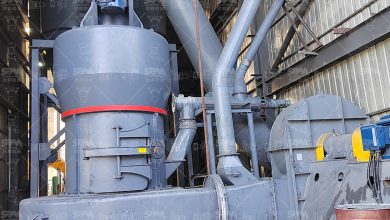
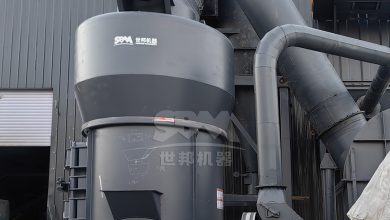
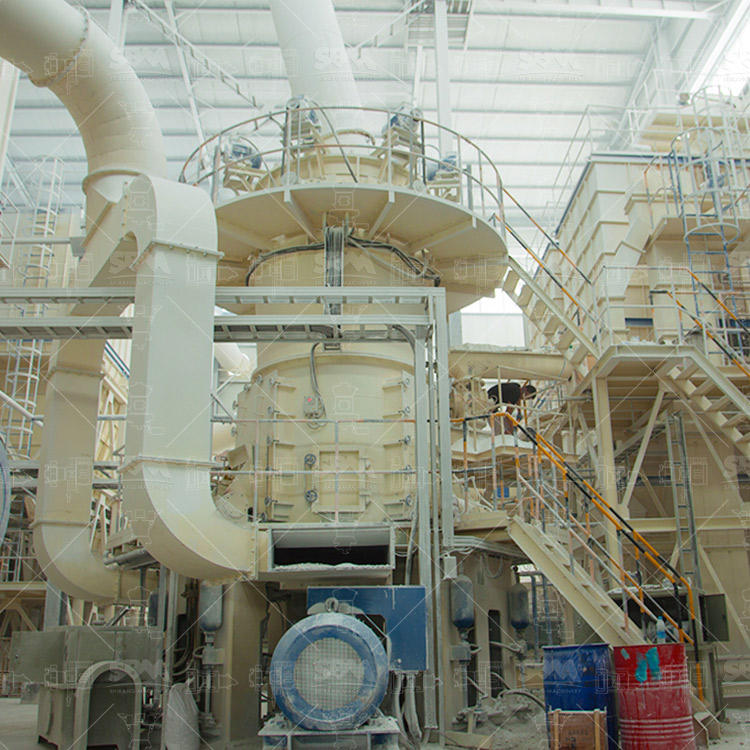
The heart of any coal powder preparation solution is the mill. Two primary options dominate: vertical roller mills and trapezium mills. For high-capacity coal grinding (up to 90 t/h), the LM Series Vertical Roller Mill (LM80M to LM280M) is specifically designed for pulverized coal. Its integrated design combines crushing, grinding, and classification, reducing floor space by 50% and allowing outdoor installation. The LM coal mill achieves fineness ranges of 5–20% R90 μm, with main power from 55 kW to 900 kW. Key advantages include low operating cost (30–40% lower energy consumption than ball mills), a fully sealed negative-pressure operation for dust containment, and an expert control system for remote monitoring. The non-contact roller-table design extends wear part life by three times, minimizing maintenance downtime.
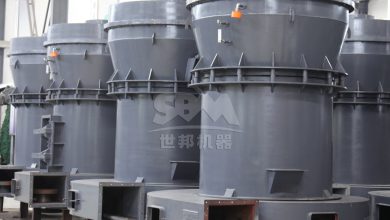
For smaller capacities or finer products (down to 45 μm), the MTW Series European Trapezium Mill offers capacities from 3 to 45 t/h and fineness adjustment from 10 to 325 mesh. Its integral bevel gear drive achieves 98% transmission efficiency, and the optimized arc air duct reduces airflow energy loss. The wear-resistant volute structure lowers maintenance costs by 30%. When paired with a pulse dust collector, the MTW mill provides reliable emission control for medium-scale coal preparation.
3. Precision Classification for Uniform Particle Size
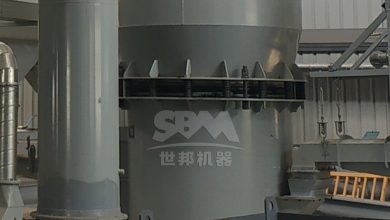
Uniform coal powder fineness is critical for stable combustion and low NOx emissions. Coarse particles cause incomplete burnout, while excessive fines increase milling energy. The LM Series employs a dynamic classifier with multi-stage adjustment technology, enabling precise cut points. For ultrafine coal powder (325–2500 mesh), the SCM Series Ultrafine Mill is recommended. Its vertical turbine classifier achieves high-precision particle size cutting without coarse powder mixing. With capacity up to 25 t/h (SCM1680 model) and input size ≤20 mm, the SCM mill is ideal for advanced coal-water slurry or specialty fuel applications. The intelligent control system provides automatic finished product granularity feedback, ensuring consistent quality. Additionally, the SCM mill’s pulse dust collection efficiency exceeds international standards, and its soundproof room design keeps noise levels low.
4. Emission Control: Dust Collection and Sealed Operation
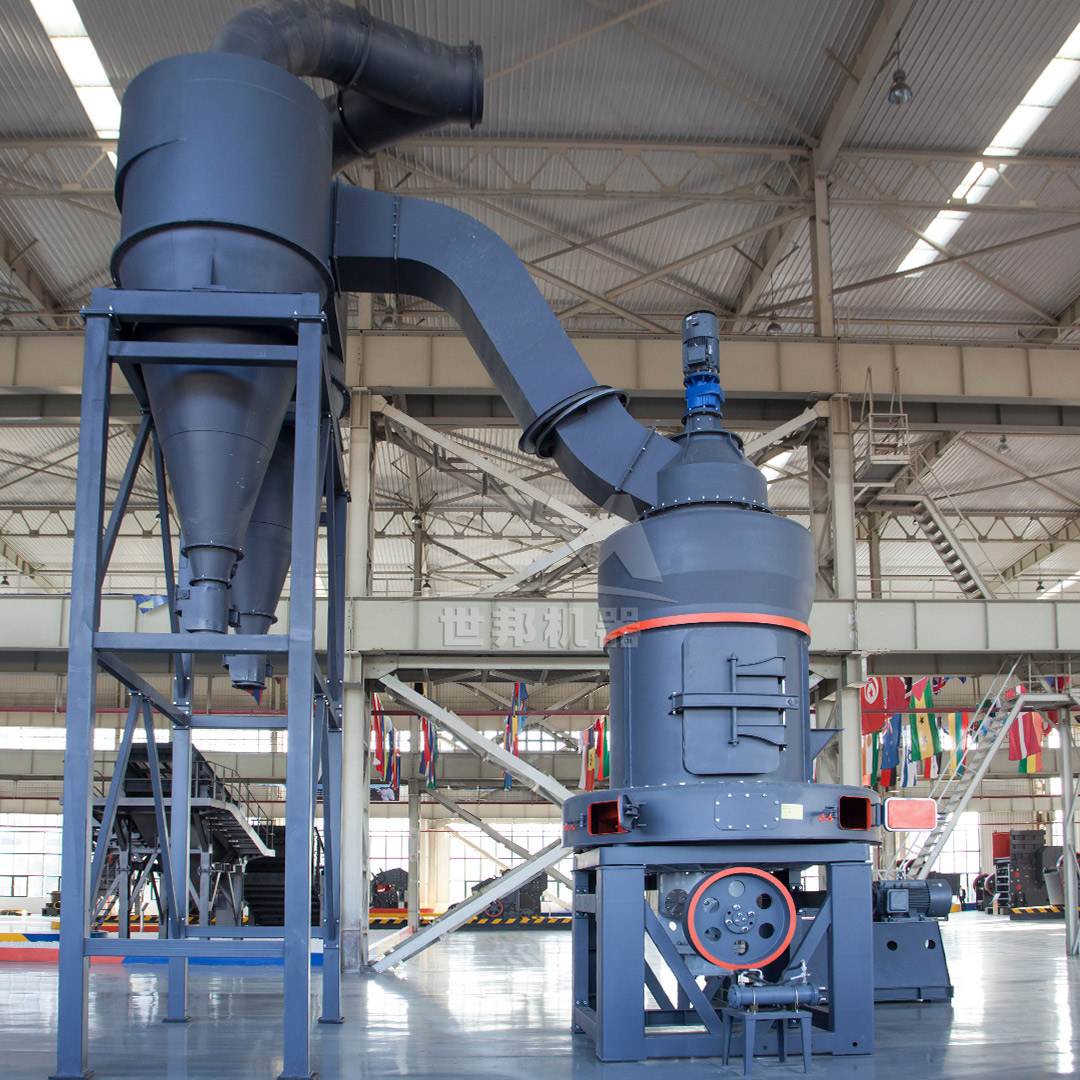
A clean coal powder solution must incorporate multi-stage dust control. Primary collection occurs within the mill’s negative-pressure circuit, where a cyclone collector separates the bulk of the powder. Secondary filtration uses pulse-jet baghouses or cartridge filters. The LM Series features a fully sealed negative-pressure operation, preventing dust leakage at feed and discharge points. For the SCM Series, the pulse dust collection system achieves outlet concentrations below 10 mg/m³. Ensure all transfer points, storage silos, and loading stations are equipped with local exhaust ventilation. Using a centralized baghouse with automatic pulse cleaning ensures continuous compliance. Additionally, consider adding a soundproof enclosure around the mill and fan to meet noise regulations.
5. System Integration and Automation
Modern clean coal preparation plants rely on intelligent control to optimize efficiency and emissions. The LM Series offers an expert-level auto-control system with remote/local switching, real-time monitoring of mill vibration, outlet temperature, and differential pressure. The SCM Series includes automatic granularity feedback, adjusting classifier speed to maintain target fineness. Integrate a PLC-based central control system that links the feeder, mill, fan, baghouse, and silo level indicators. This enables automatic start-up/shutdown sequences, alarm handling, and data logging for environmental reporting. Variable frequency drives on fans and feeders reduce energy waste during partial loads.
6. Safety and Environmental Compliance
Coal powder is prone to spontaneous combustion and dust explosion. Design must include explosion venting on baghouses, spark detection at the mill outlet, and CO monitoring in silos. Use antistatic filter bags and grounding. The LM Series’ inert gas injection option (for high-volatile coals) further enhances safety. For emission compliance, continuous emission monitoring (CEM) for particulate matter is recommended. The SCM Series’ pulse dust collector is designed to meet stringent international standards, and the LM Series’ noise levels are controlled via soundproof rooms, typically below 85 dB(A).
7. Case Study: 30 t/h Coal Powder Preparation Plant
Consider a cement plant requiring 30 t/h of coal powder at 12% R90 μm. A typical configuration includes an LM220M vertical coal mill (capacity 36–105 t/h for minerals, but coal-specific models available from LM80M to LM280M with 3–90 t/h), a pulse-jet baghouse (air-to-cloth ratio 0.8 m/min), and a central control system. The LM mill’s integrated grinding and classification eliminate the need for a separate separator. Energy consumption is approximately 22 kWh/t, compared to 35 kWh/t for a ball mill system. Dust emissions are kept below 5 mg/m³. For a finer product (e.g., 45 μm), an SCM1000 ultrafine mill can be added as a secondary stage, producing up to 8.5 t/h with precise classification.
8. Maintenance and Operational Best Practices
To sustain efficiency and emission control, implement a preventive maintenance schedule. For the LM Series, inspect grinding roller and table liner wear every 1,500 hours; the modular roller assembly allows quick changes. For the SCM Series, check the turbine classifier blades and pulse valves monthly. Keep the baghouse differential pressure within design range (typically 1000–1500 Pa) by cleaning or replacing bags. Train operators on the intelligent control system to avoid manual override that could upset the negative pressure balance. Regular emission audits ensure ongoing compliance.
Conclusion
Designing a clean coal powder preparation solution requires a holistic approach: selecting the right mill (such as the LM Series Vertical Roller Mill for high-capacity coal grinding or the SCM Series Ultrafine Mill for fine products), integrating precision classification, and implementing robust dust collection and automation. By prioritizing energy efficiency, sealed operation, and intelligent control, plants can achieve both high productivity and strict emission control. Investing in proven technologies with patented features—like the LM’s dynamic classifier and the SCM’s turbine classification—ensures long-term operational reliability and environmental compliance.