
What Mechanical-Chemical Effects Occur During Mineral Grinding? A Powder Grinding Mill Manufacturer’s Guide
Introduction
Mineral grinding is a critical unit operation in industries ranging from cement and ceramics to pharmaceuticals and advanced materials. While often viewed merely as a size-reduction process, the reality is far more complex: grinding induces a cascade of mechanical and chemical effects that can alter particle reactivity, surface energy, crystal structure, and even bulk composition. For powder grinding mill manufacturers and process engineers, understanding these effects is essential for optimizing equipment design, predicting product performance, and avoiding undesirable side reactions. This guide explores the key mechanical-chemical phenomena that occur during mineral grinding and highlights how the right mill technology—such as the SCM Series Ultrafine Mill or MTW Series European Trapezium Mill—can be leveraged to control these effects.
Mechanical Effects During Grinding
1. Size Reduction and Surface Area Generation
The most obvious mechanical effect is the reduction of particle size, which exponentially increases the specific surface area. This enhances dissolution rates, reaction kinetics, and sintering behavior. However, the energy input is not solely used for creating new surface; a significant portion is dissipated as heat, leading to thermal stress and potential phase transformations.
2. Microstructural Defects and Amorphization
High-energy impacts and attrition cause lattice distortions, dislocations, and stacking faults. In extreme cases, prolonged grinding can amorphize crystalline phases, creating a disordered surface layer that exhibits higher chemical reactivity. For example, quartz ground in a high-energy mill can form a surface amorphous layer that readily reacts with water or alkaline solutions.
3. Fracture Mechanics and Particle Shape
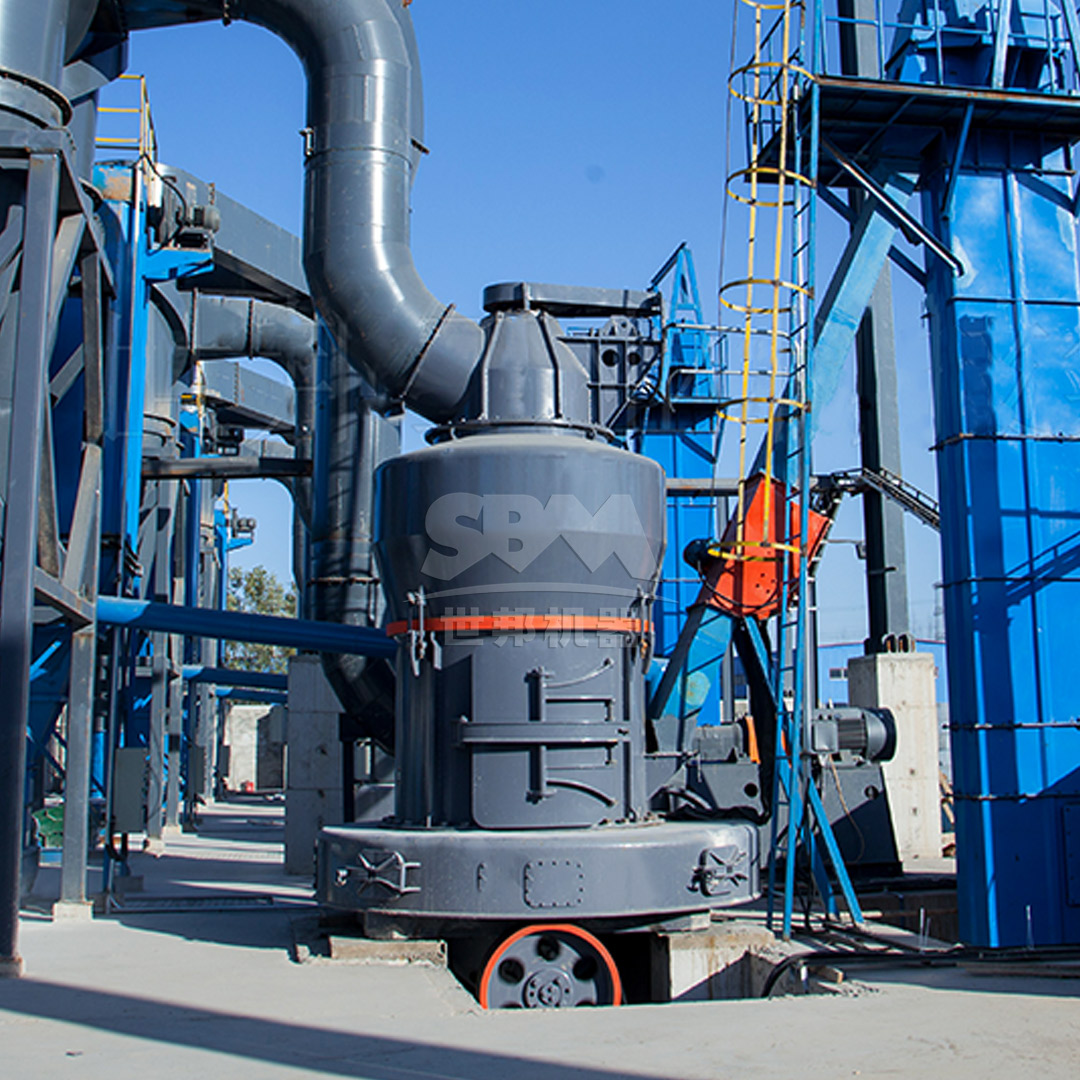
The mode of fracture—whether intergranular or transgranular—depends on the mineral’s cleavage properties and the stress state. Prolonged grinding also alters particle morphology, producing irregular shapes with sharp edges that affect flowability and packing density. Equipment like the SCM Series Ultrafine Mill uses a vertical turbine classifier to achieve precise size cutting while minimizing over-grinding, thus preserving desirable particle shapes.
Chemical Effects During Grinding
1. Mechanochemical Reactions
Mechanical energy can break chemical bonds, creating reactive radicals and ions on fresh surfaces. These species can subsequently react with the environment (e.g., oxygen, water vapor) or with other minerals present. A classic example is the mechanochemical synthesis of calcium carbonate from calcium hydroxide and carbon dioxide during grinding. In sulfide minerals, grinding can lead to oxidation, producing sulfate layers that affect flotation performance.
2. Surface Energy and Adsorption
Freshly created surfaces possess high surface energy, making them prone to adsorbing gases, moisture, and grinding aids. This can lead to agglomeration, which reduces grinding efficiency and alters product flowability. Manufacturers often incorporate grinding aids (e.g., glycols) to mitigate this, but the underlying mechanochemical interactions must be understood to avoid unwanted side effects.
3. Phase Transformations and Polymorphism
Localized high pressure and temperature at contact points can trigger polymorphic transformations. For instance, calcite can transform to aragonite under certain grinding conditions, and anatase TiO2 can partially convert to rutile. Such changes influence optical, catalytic, and thermal properties.
4. Thermal Decomposition and Oxidation
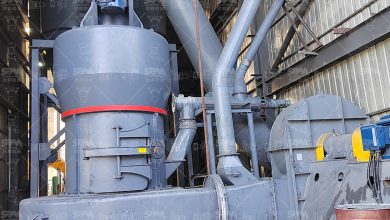
Grinding generates heat; in closed mills, temperatures can exceed 100°C. This can cause dehydration of gypsum, dehydroxylation of clays, or oxidation of organic matter. In coal grinding, careful control of temperature is critical to prevent spontaneous combustion—a factor addressed by the LM Series Vertical Roller Mill’s integrated hot air circulation and inerting systems.
Implications for Mill Design and Selection
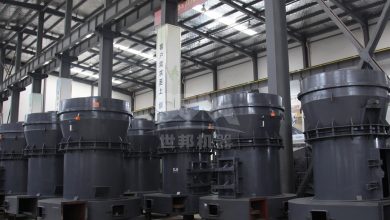
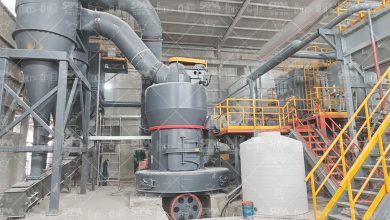
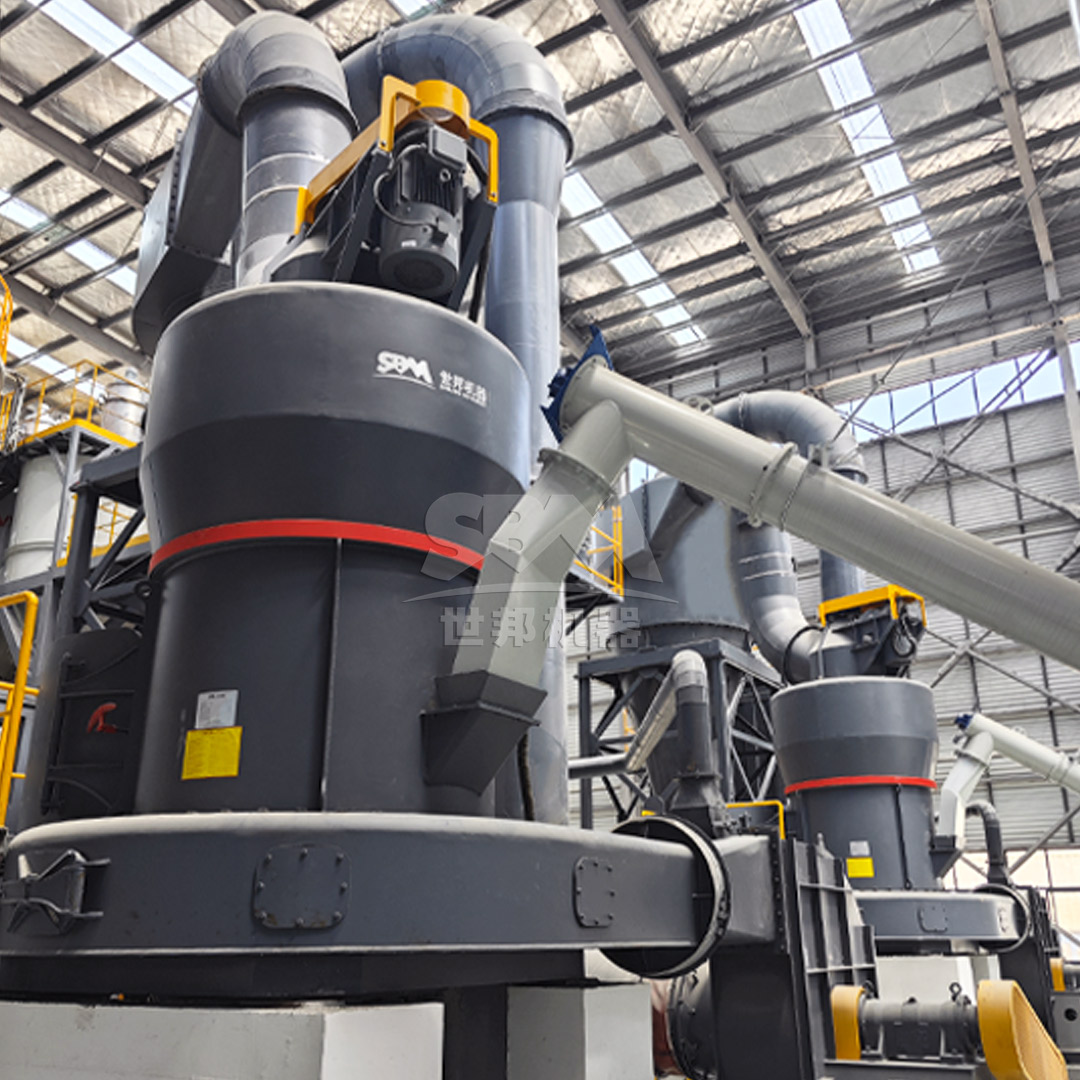
To harness beneficial effects and suppress detrimental ones, mill selection must consider the specific mechanical-chemical behavior of the feed material. For ultrafine grinding where surface activation is desired (e.g., in advanced ceramics or mechanochemical synthesis), mills with high energy density and precise classification are preferred. The SCM Series Ultrafine Mill (45-5μm) is engineered for such applications: its intelligent control with automatic granulometry feedback ensures consistent product fineness, while the vertical turbine classifier prevents coarse particle contamination. With capacities up to 25 t/h and fineness down to 2500 mesh, it balances high efficiency with the need to control over-grinding—a common cause of excessive amorphization.
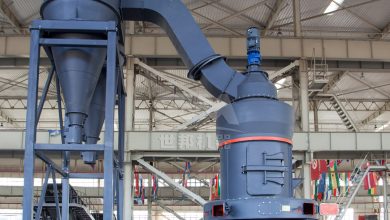
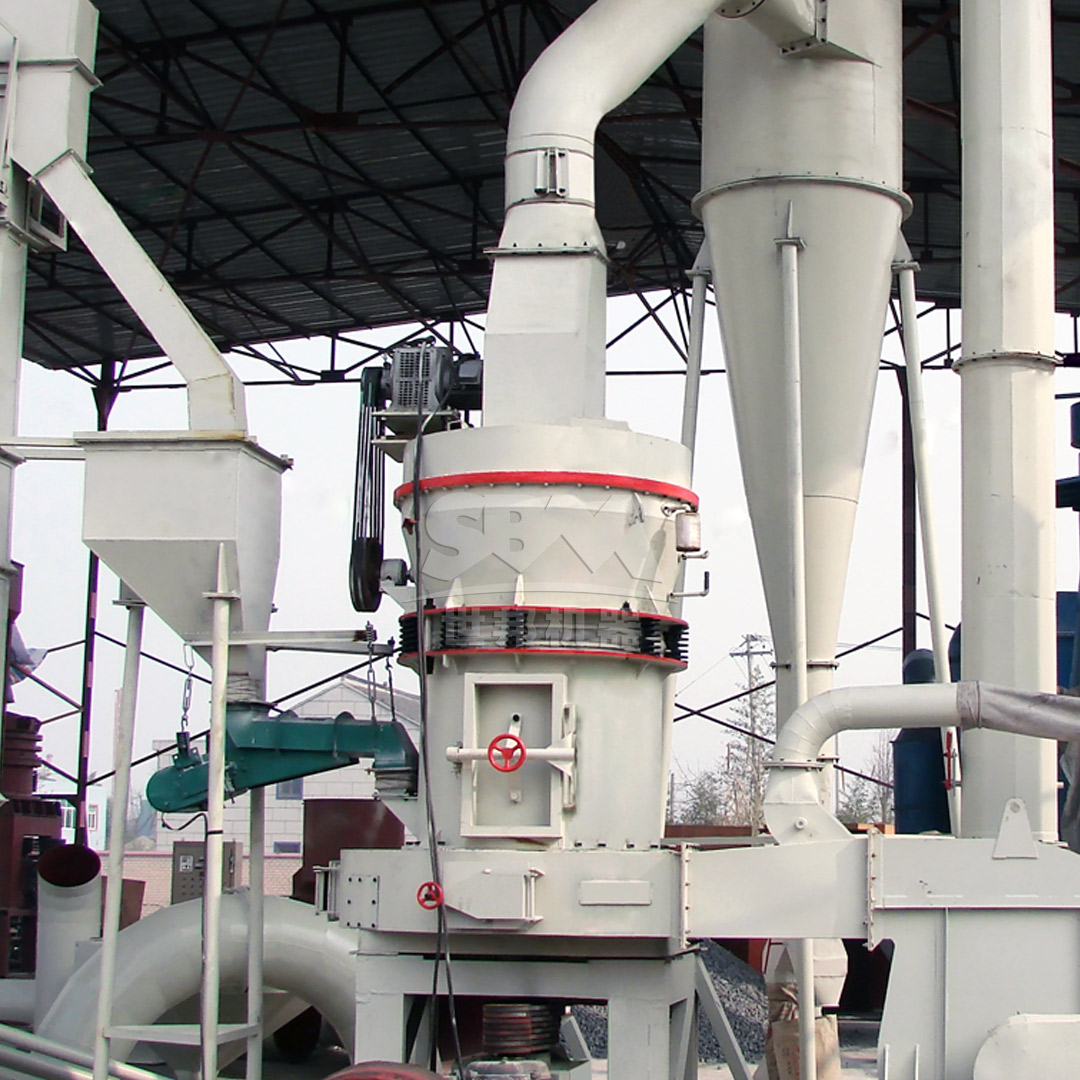
For coarser grinding in the 30-325 mesh range where mechanochemical oxidation or phase transformation must be minimized, the MTW Series European Trapezium Mill offers an optimal solution. Its optimized arc air duct reduces airflow energy loss, and the integral bevel gear drive achieves 98% transmission efficiency. The wear-resistant volute structure and non-resistance flow design improve air selection efficiency, reducing residence time and thus limiting unwanted prolonged mechanochemical reactions. Moreover, the MTW’s anti-wear shovel design and curved grinding roller extend service life, ensuring consistent performance even when processing abrasive minerals.
Case Studies: Controlling Mechanical-Chemical Effects
Case 1: Ultrafine Grinding of Calcium Carbonate – In producing ground calcium carbonate (GCC) for paper coating, excessive mechanochemical amorphization reduces brightness and alters rheology. By using the SCM Series Ultrafine Mill with its precise classification and low residence time, manufacturers achieve 1250 mesh product with minimal surface amorphization, preserving optical properties.
Case 2: Grinding of Cement Clinker – Clinker grinding induces mechanochemical reactions that can improve early strength but may also cause gypsum dehydration. The MTW Series mill’s optimized airflow and classification system allow better temperature control, preventing excessive dehydration and ensuring consistent cement performance. Its high transmission efficiency also reduces energy consumption by up to 30% compared to ball mills, aligning with sustainable production goals.
Conclusion
Mineral grinding is far from a simple mechanical process; it is a complex interplay of fracture mechanics, surface chemistry, and mechanochemical reactions. For powder grinding mill manufacturers, a deep understanding of these effects is the foundation for designing equipment that not only reduces particle size but also controls reactivity, phase composition, and product quality. Whether you require the ultrafine precision of the SCM Series or the robust versatility of the MTW Series, selecting the right mill—backed by intelligent control and optimized geometry—is key to turning mechanical-chemical effects into advantages rather than liabilities. As the industry moves toward finer products and greener processes, mills that integrate energy efficiency with precise classification will define the next generation of mineral processing.