
How is Foundry Coal Powder Produced? A Complete Guide to the Casting Coal Powder Production Process
Introduction to Foundry Coal Powder
Foundry coal powder, also known as casting coal powder or sea coal, is a critical material in the metal casting industry. It is widely used as an additive in green sand molds to improve surface finish, prevent sand burn-on, and enhance mold release properties. The production of foundry coal powder is a sophisticated process that involves selecting high-quality raw coal, crushing, grinding, classification, and packaging. This guide provides a comprehensive overview of the casting coal powder production process, from raw material preparation to the final product, and highlights the key equipment that ensures efficiency and quality.
Raw Material Selection and Preparation
The foundation of high-quality foundry coal powder lies in the selection of raw coal. Ideal coal for this purpose is low in ash, sulfur, and volatile matter, with a high fixed carbon content. Bituminous coal is commonly used due to its favorable properties. Once selected, the raw coal undergoes primary crushing to reduce it to a manageable size, typically less than 40 mm. This is often achieved using a hammer mill or a jaw crusher. The crushed coal is then stored in silos or hoppers before being fed into the grinding system.
Grinding: The Heart of Coal Powder Production
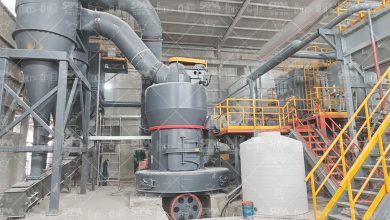
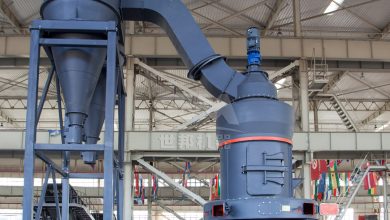
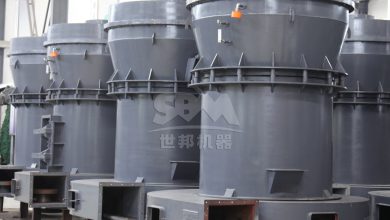
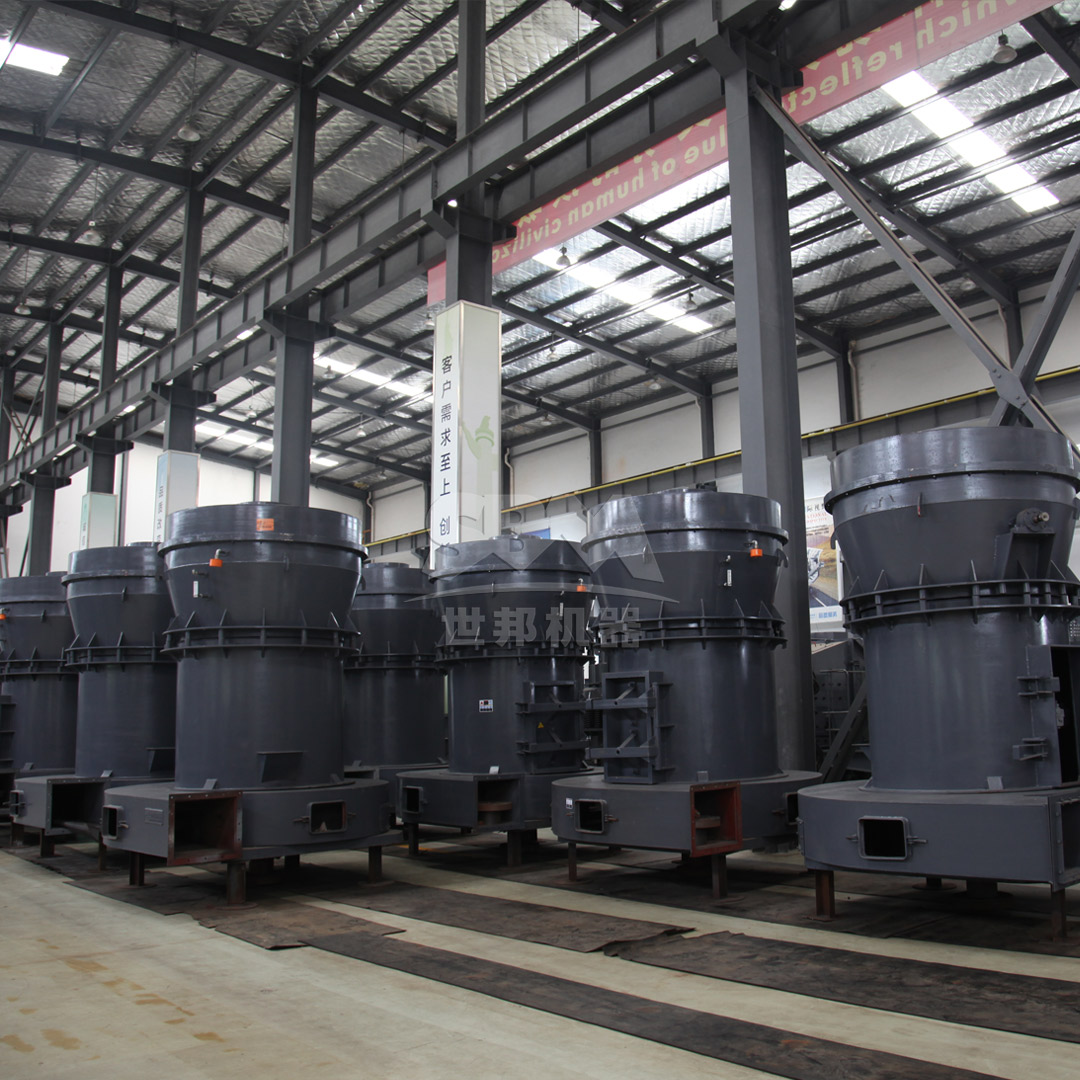
Grinding is the most critical step in producing foundry coal powder. The coal must be ground to a fine powder, typically in the range of 200 to 400 mesh (about 74 to 38 microns), to ensure proper dispersion and performance in the sand mold. The choice of grinding equipment significantly affects the efficiency, energy consumption, and quality of the final product. Among the various mills available, the MTW Series European Trapezium Mill and the SCM Series Ultrafine Mill are excellent choices for this application.
The MTW Series European Trapezium Mill
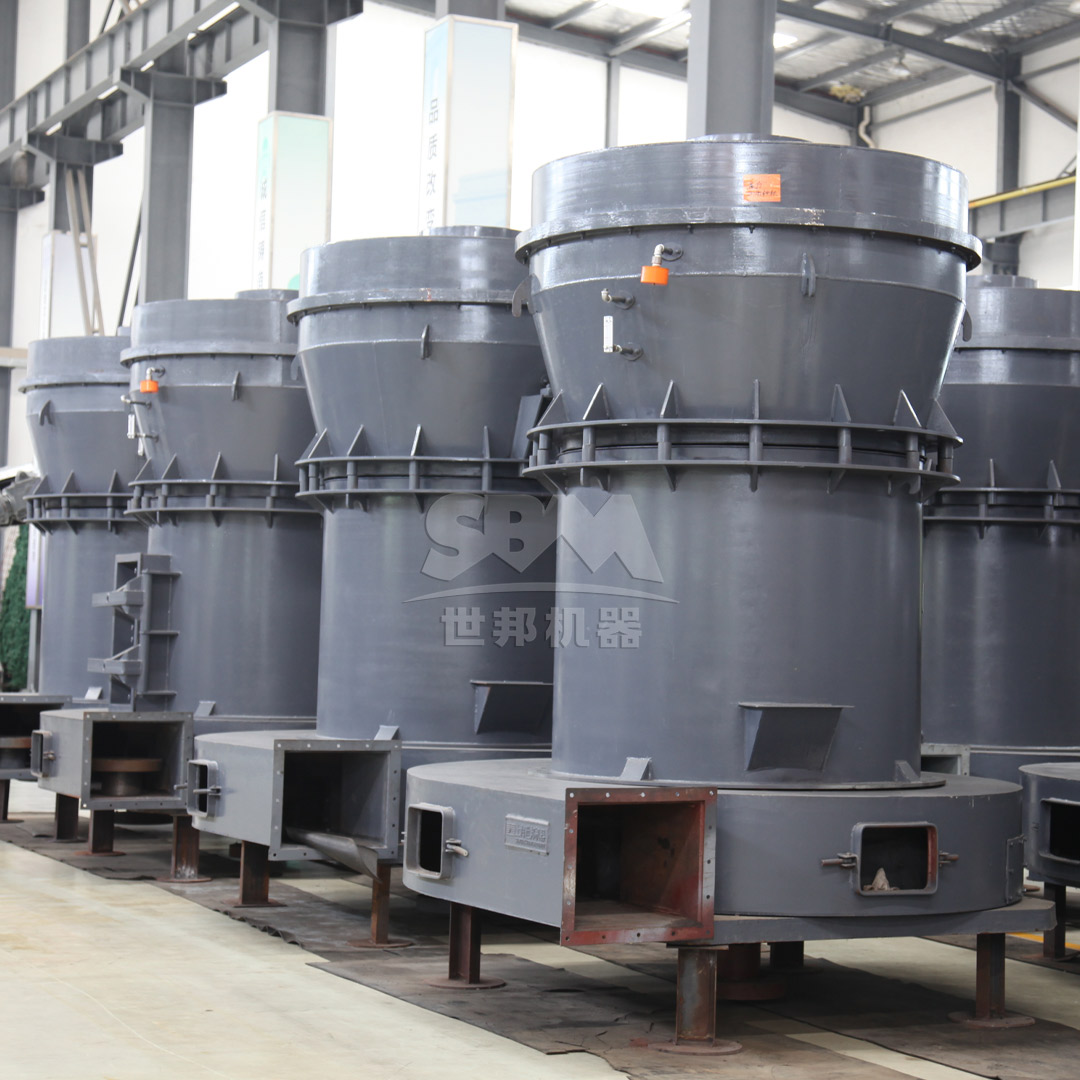
The MTW Series European Trapezium Mill is a versatile and efficient grinding solution for coal powder production. With an input size of up to 50 mm and output fineness adjustable from 30 to 325 mesh (down to 0.038 mm), it can easily achieve the fineness required for foundry coal powder. Its capacity ranges from 3 to 45 tons per hour, making it suitable for both small and large-scale operations. Key technical advantages include:
- Anti-wear shovel design: Combined shovel blades reduce maintenance costs and extend the life of grinding rollers.
- Optimized arc air duct: Reduces airflow energy loss and improves transmission efficiency.
- Integral bevel gear drive: Transmission efficiency up to 98%, saving space and reducing installation costs.
- Wear-resistant volute structure: Non-resistance flow design improves air selection efficiency, reducing maintenance costs by 30%.
The MTW mill’s working principle involves the main motor driving the grinding rollers to revolve around the central axis while self-rotating, generating centrifugal force. Shovels throw materials between the ring and rollers to form a material layer, achieving efficient crushing through extrusion. The classification system precisely controls the finished product size, ensuring uniform coal powder.
The SCM Series Ultrafine Mill
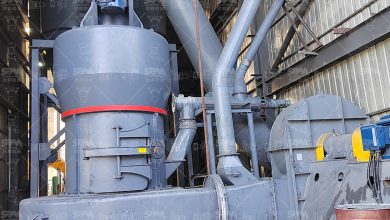
For ultra-fine coal powder requirements, the SCM Series Ultrafine Mill is an ideal choice. With an input size of ≤20 mm and output fineness ranging from 325 to 2500 mesh (45 to 5 microns), it can produce very fine coal powder for specialized casting applications. Its capacity ranges from 0.5 to 25 tons per hour. Technical advantages include:
- High efficiency & energy saving: Capacity is twice that of jet mills, with 30% lower energy consumption.
- High-precision classification: Vertical turbine classifier achieves precise particle size cutting, ensuring no coarse powder mixing.
- Durable design: Special material rollers and rings extend service life several times over; shaftless screw grinding chamber ensures stable operation.
- Eco-friendly & low noise: Pulse dust collection efficiency exceeds international standards; soundproof room design ensures low noise levels.
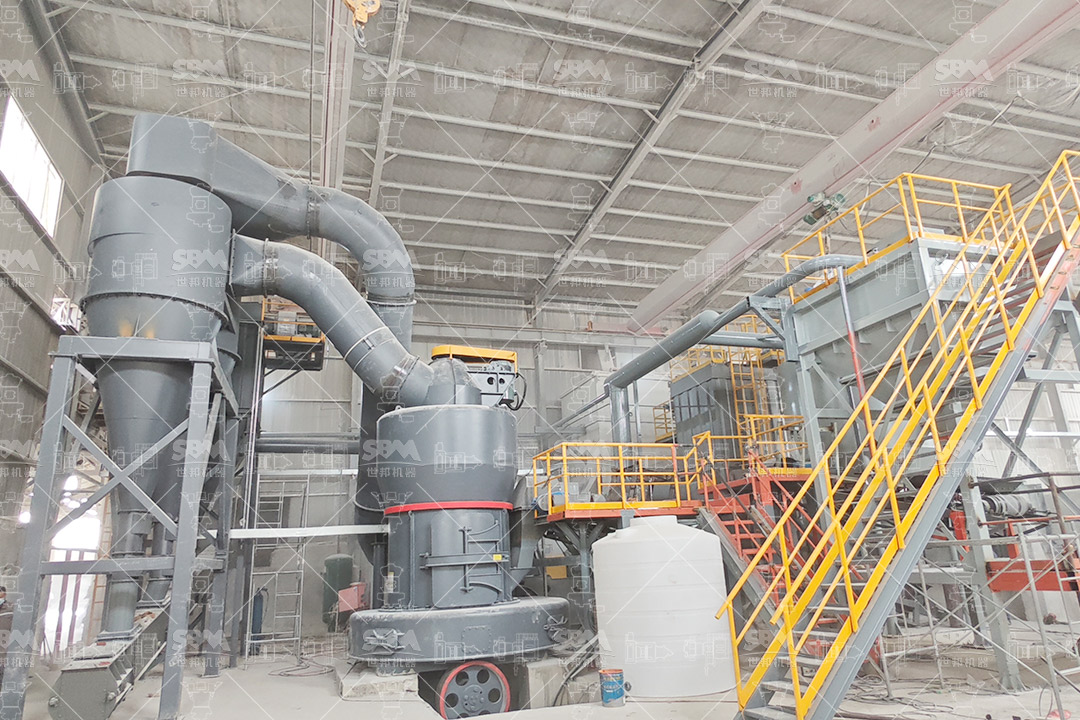
The SCM mill operates by the main motor driving three layers of grinding rings to rotate. Materials are dispersed into the grinding path by centrifugal force, crushed by roller pressure, and ground layer by layer. Finally, powder collection is completed by a cyclone collector and a pulse dust removal system.
Classification and Quality Control
After grinding, the coal powder is classified to ensure the desired particle size distribution. Air classifiers are commonly used to separate fine particles from coarse ones. The coarse particles are returned to the mill for further grinding, while the fine powder is collected. Quality control is paramount in foundry coal powder production. Parameters such as fineness, moisture content, ash content, and volatile matter are regularly tested to ensure consistency and performance. Proper classification is essential to avoid coarse particles that can cause defects in castings and fine particles that may lead to excessive gas generation.
Dust Collection and Environmental Compliance
Coal powder production generates significant dust, which must be controlled to protect workers and the environment. Modern grinding mills are equipped with efficient dust collection systems. For example, the SCM Series Ultrafine Mill features pulse dust collection with efficiency exceeding international standards, and the MTW Series incorporates advanced dust removal technology. Additionally, enclosed conveying systems and negative pressure operation help minimize dust emissions. Compliance with environmental regulations is not only a legal requirement but also a commitment to sustainable manufacturing.
Packaging and Storage
The finished foundry coal powder is typically packaged in moisture-proof bags or bulk containers to prevent contamination and moisture absorption. Proper storage in a dry, well-ventilated area is essential to maintain product quality. Packaging sizes vary from 25 kg bags to 1-ton bulk bags, depending on customer requirements.
Conclusion
The production of foundry coal powder is a multi-step process that requires careful attention to raw material selection, grinding, classification, and quality control. The choice of grinding equipment is crucial for achieving the desired fineness, capacity, and energy efficiency. The MTW Series European Trapezium Mill and the SCM Series Ultrafine Mill from our company are both excellent solutions for foundry coal powder production, offering high efficiency, precise classification, and environmental compliance. By investing in advanced grinding technology, manufacturers can ensure a consistent supply of high-quality foundry coal powder that meets the demanding requirements of the metal casting industry.