
What Grinding Mill Is Used for Clean Coal Powder Preparation?
Introduction to Clean Coal Powder Preparation
Clean coal technology has become a cornerstone of modern energy and industrial strategies, particularly in regions where coal remains a dominant fuel source. The preparation of clean coal powder—often referred to as pulverized coal (PC) or coal fines—is a critical step in improving combustion efficiency, reducing emissions, and enabling the use of coal in advanced gasification and combustion systems. The central question for many plant operators and project engineers is: what grinding mill is best suited for clean coal powder preparation? The answer depends on several factors, including the required fineness, capacity, moisture content of the raw coal, and the overall system integration. In this article, we explore the technical requirements for clean coal powder preparation and highlight two industry-leading grinding mill solutions from our company: the LM Series Vertical Roller Mill (specifically the Vertical Coal Mill series) and the MTW Series European Trapezium Mill.
Key Requirements for Clean Coal Powder Preparation
Clean coal powder preparation typically demands a fineness range of 200 mesh (75 μm) to 325 mesh (45 μm) or finer, depending on the application. For example, pulverized coal injection (PCI) in blast furnaces often requires 70–80% passing 200 mesh, while advanced combustion systems may require even finer particles. Additionally, the grinding mill must handle coal with varying hardness (typically Bond Work Index of 50–60 for coal) and moisture content (often up to 10–15%). The mill must also ensure uniform particle size distribution to avoid unburned carbon and hot spots. Furthermore, safety is paramount: coal dust is explosive, so the grinding system must incorporate inerting, explosion venting, and strict temperature control. Energy efficiency and environmental compliance (low dust emissions, low noise) are also critical.
Grinding Mill Options for Clean Coal Powder
Several types of grinding mills can be used for coal powder preparation, including ball mills, vertical roller mills, trapezium mills, and ultrafine mills. However, not all are equally suited. Ball mills are robust but energy-intensive and offer poor classification efficiency. Vertical roller mills have become the preferred choice for coal grinding due to their integrated drying, grinding, and classification capabilities, low specific power consumption, and compact footprint. Trapezium mills offer a good balance between capacity and fineness for medium-scale operations. Ultrafine mills are typically reserved for specialized applications requiring very fine powder (e.g., 1000 mesh or finer), but they can be used for high-value clean coal products.
Recommended Product 1: LM Series Vertical Roller Mill – Vertical Coal Mill
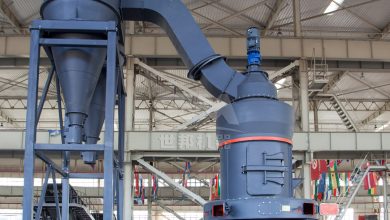
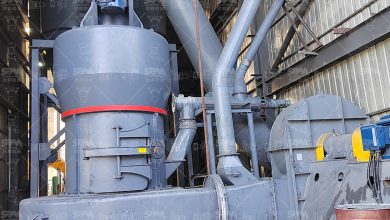
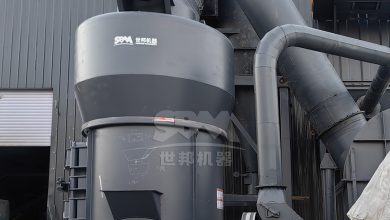
For large-scale clean coal powder preparation, the LM Series Vertical Roller Mill is an ideal solution. Our LM Vertical Coal Mill series (LM80M to LM280M) is specifically designed for pulverized coal production, with capacity ranging from 3 to 90 t/h and fineness adjustable between 5% and 20% residue on 80 μm sieve (corresponding to approximately 200–500 mesh). The mill integrates crushing, grinding, drying, and classification in a single unit, reducing floor space by 50% and infrastructure costs by 40%. The non-contact design between rollers and table extends wear part life by three times, while energy consumption is 30–40% lower than ball mill systems. The expert-level automatic control system enables remote/local switching and real-time monitoring, ensuring stable operation and consistent product fineness. Environmental compliance is achieved through fully sealed negative pressure operation, with dust emissions well below international standards and noise levels minimized. The LM Vertical Coal Mill is particularly well-suited for coal with moderate moisture, as hot air can be introduced to dry the material during grinding. Its dynamic classifier allows multi-stage adjustment, ensuring precise control of the final powder fineness. For a typical clean coal powder plant requiring 30 t/h at 200 mesh, the LM170K or LM190K models (with 400–500 kW main motor) would be appropriate. For larger capacities up to 90 t/h, the LM220K or LM280K models are available. The LM series also features a modular grinding roller assembly quick-change system, reducing maintenance downtime.
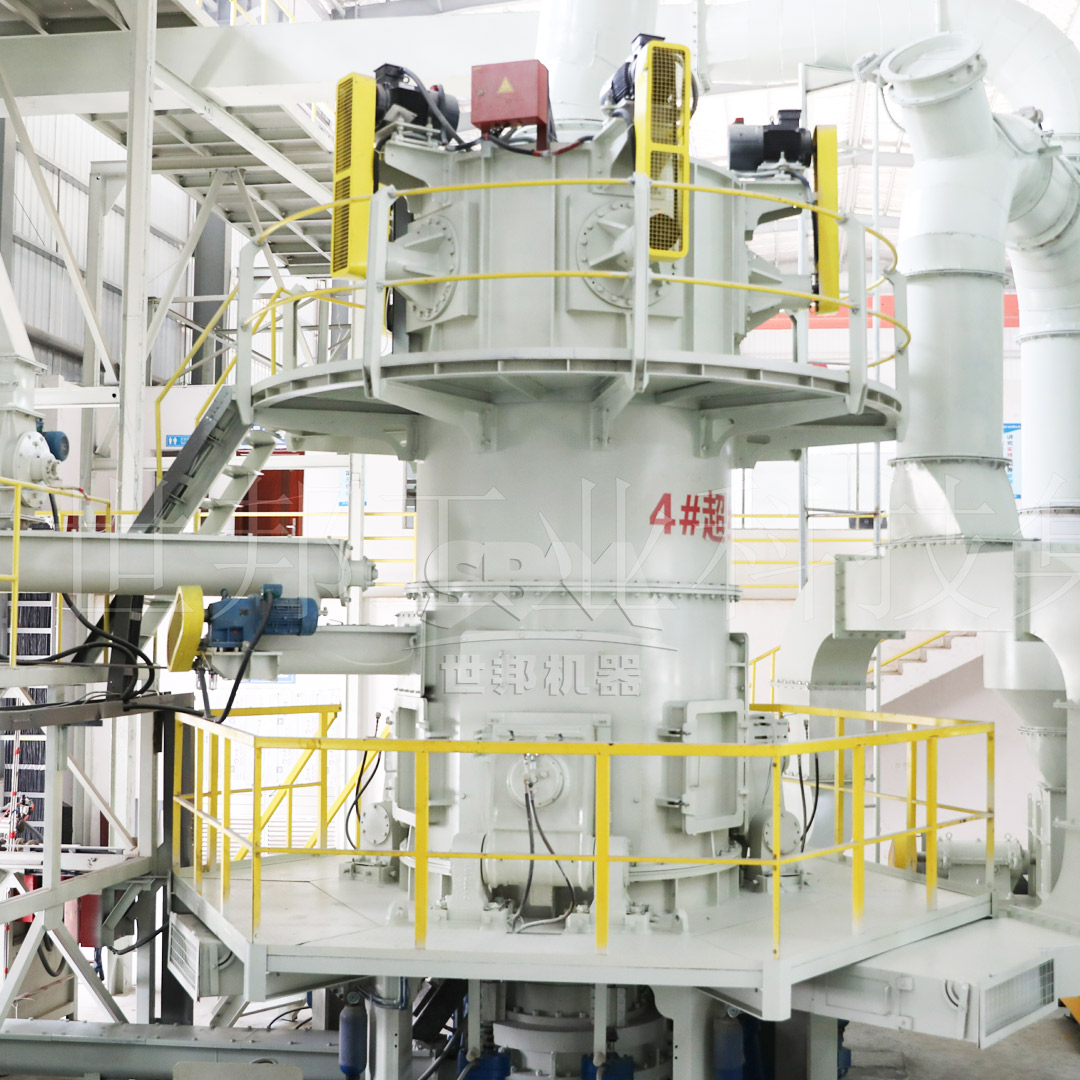
Recommended Product 2: MTW Series European Trapezium Mill
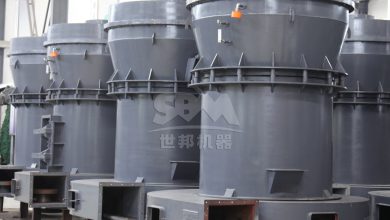
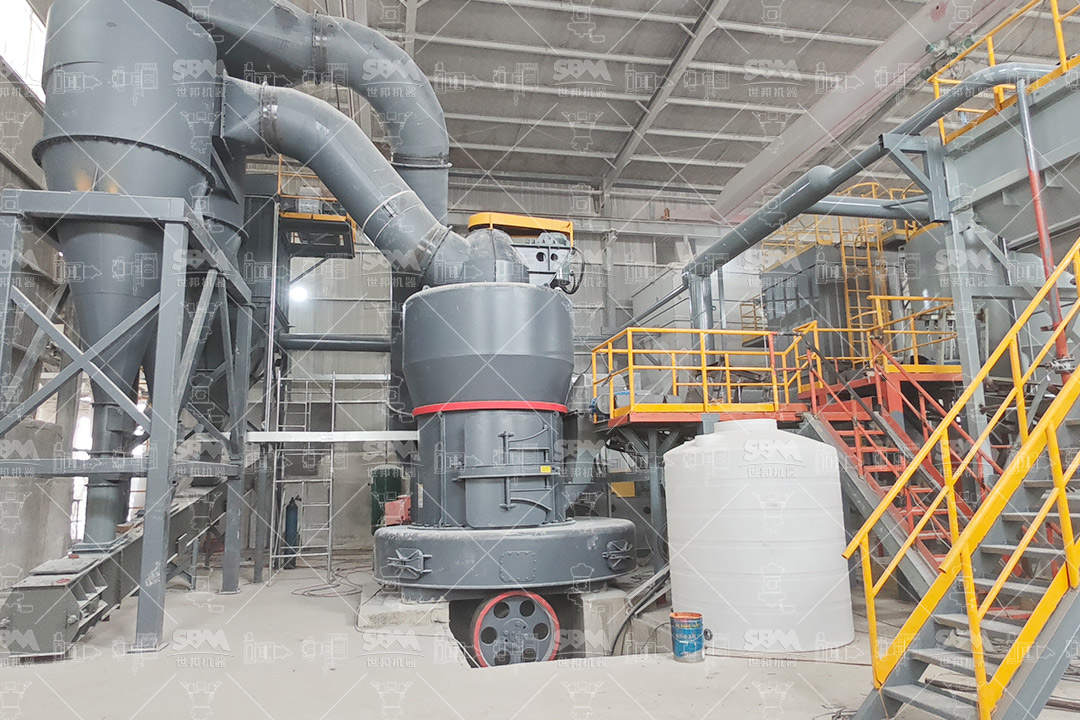
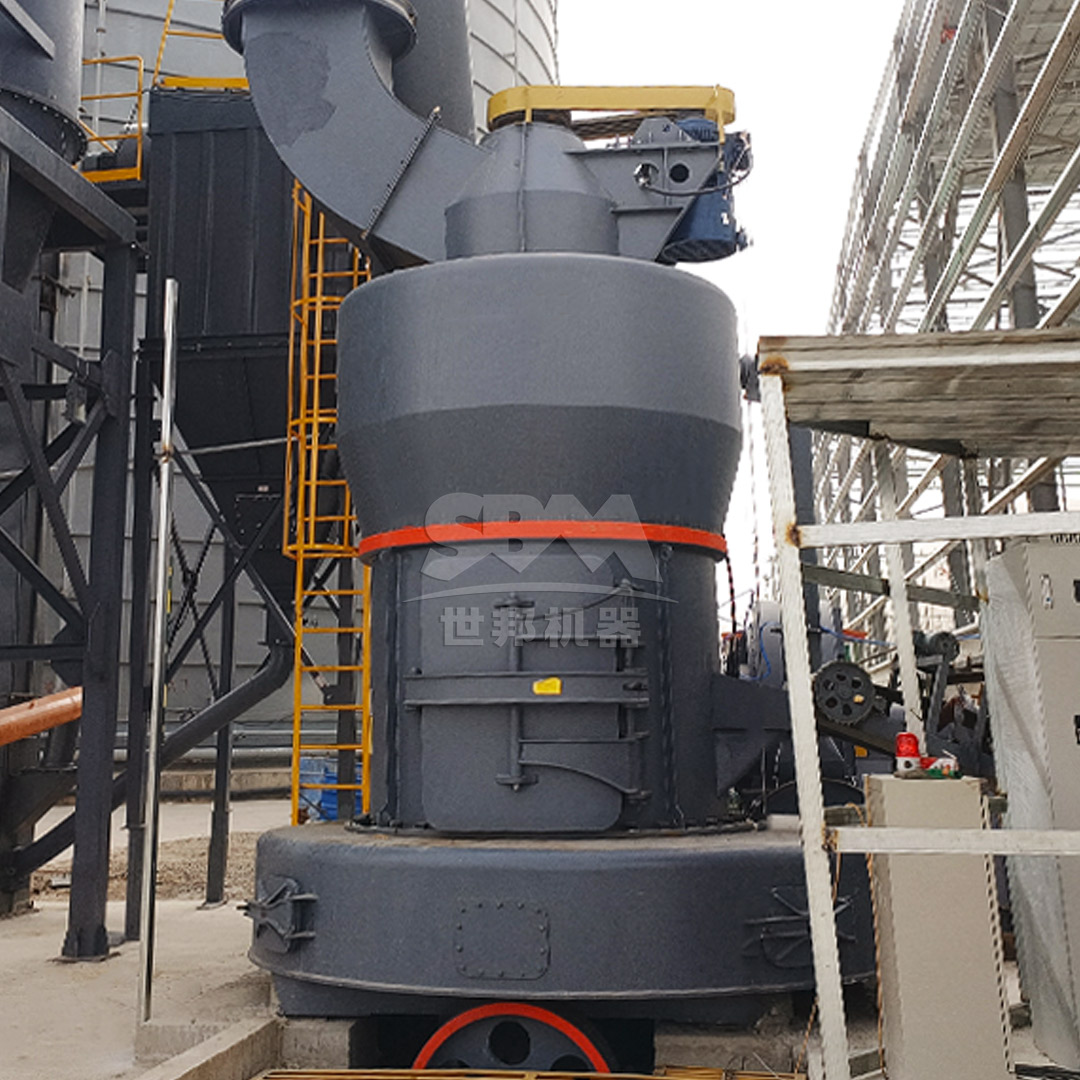
For medium-scale clean coal powder preparation or applications requiring finer product (down to 325 mesh or 45 μm), the MTW Series European Trapezium Mill is an excellent choice. The MTW mill offers capacities from 3 to 45 t/h (depending on model) with output fineness adjustable from 30 to 325 mesh (0.6 mm down to 0.038 mm). Key technical advantages include the anti-wear shovel design with combined blades that reduce maintenance costs, the optimized arc air duct that minimizes airflow energy loss, and the integral bevel gear drive with 98% transmission efficiency. The wear-resistant volute structure with non-resistance flow design improves air selection efficiency and reduces maintenance costs by 30%. The MTW mill is equipped with an independent intellectual property rights pulse dust removal system and an internal suction oil lubrication system, ensuring reliable operation. For coal grinding, the MTW mill can be configured with explosion-proof features and inert gas injection. Models such as the MTW138Z (6–17 t/h, 90 kW main motor) or MTW175G (9.5–25 t/h, 160 kW main motor) are suitable for clean coal powder production. The fineness can be easily adjusted via the classifier to meet specific combustion or gasification requirements. The MTW mill’s compact design and low installation cost make it a cost-effective option for small to medium coal powder plants.
Comparison and Selection Guidelines
When selecting a grinding mill for clean coal powder preparation, consider the following: For capacities above 30 t/h and when drying is required, the LM Vertical Coal Mill is the clear winner due to its integrated drying and grinding, lower energy consumption, and smaller footprint. For capacities between 5 and 25 t/h and when a finer product (e.g., 90% passing 325 mesh) is needed, the MTW Trapezium Mill offers excellent precision and lower capital cost. Both mills can be equipped with explosion-proof designs, but the LM series is more commonly used in large coal-fired power plants and PCI systems, while the MTW series is popular in industrial boilers and small-scale gasification. It is also important to note that coal grinding requires careful attention to safety: inerting systems (using CO2 or N2), explosion venting, and temperature monitoring are essential. Our mills can be supplied with all necessary safety features.
Conclusion
In summary, the preparation of clean coal powder requires a grinding mill that delivers precise fineness, high capacity, energy efficiency, and environmental compliance. Our company offers two outstanding solutions: the LM Series Vertical Roller Mill (Vertical Coal Mill) for large-scale, integrated drying and grinding, and the MTW Series European Trapezium Mill for medium-scale, high-fineness applications. Both mills incorporate advanced technology, durable wear parts, and intelligent control systems to ensure reliable and cost-effective operation. By choosing the right mill for your specific coal characteristics and production targets, you can achieve clean, efficient coal powder preparation that meets the highest standards of performance and sustainability. For further technical consultation and model selection, please contact our engineering team.