
Advantages of Vertical Roller Mills: Why They Outperform Traditional Grinding Equipment
Introduction
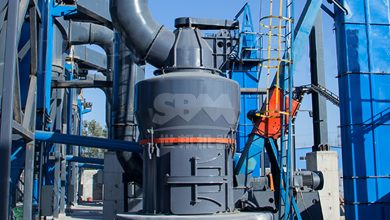
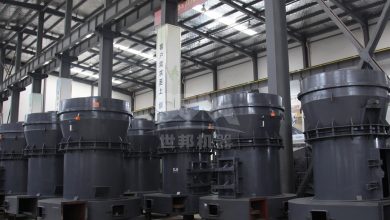
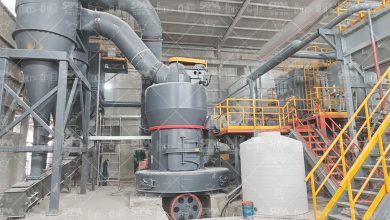
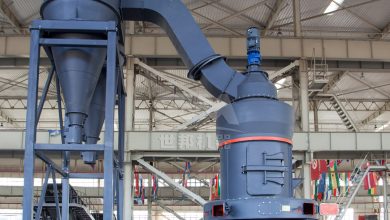
In the pursuit of higher efficiency, lower energy consumption, and superior product quality, the grinding industry has witnessed a paradigm shift from traditional ball mills and other conventional equipment to advanced vertical roller mills (VRMs). Vertical roller mills have revolutionized material processing across cement, mining, chemical, and industrial mineral sectors. This article explores the key advantages of vertical roller mills over traditional grinding equipment and highlights how our company’s cutting-edge solutions, such as the LM Series Vertical Roller Mill and the LUM Ultrafine Vertical Roller Mill, embody these benefits to deliver unmatched performance.
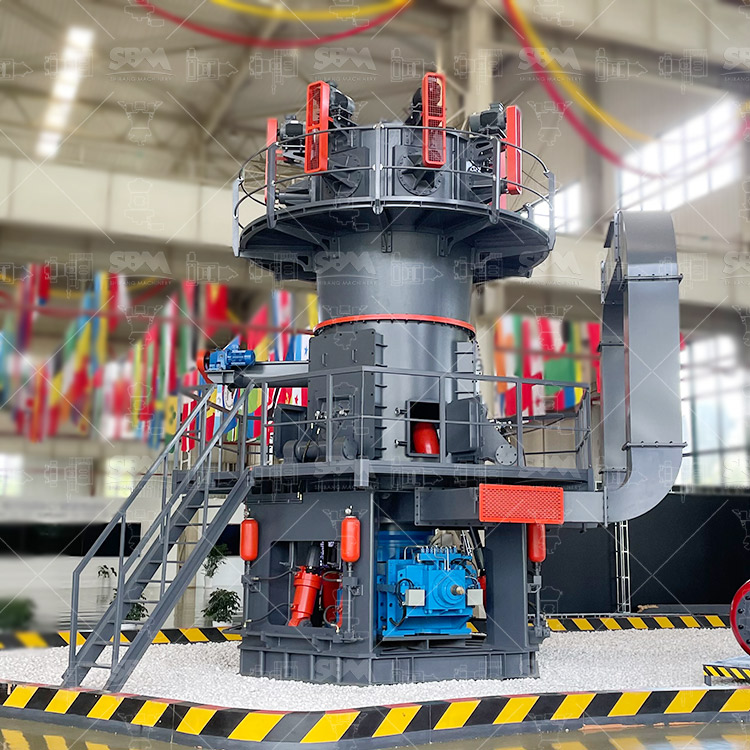
1. Integrated Design and Space Efficiency
Traditional grinding systems often require multiple stages—crushing, grinding, classification, and material transport—each necessitating separate equipment and large footprints. Vertical roller mills integrate these functions into a single compact unit. For instance, our LM Series Vertical Roller Mill features an integrated design that combines crushing, grinding, and selection, reducing floor space by up to 50% compared to conventional ball mill circuits. This integration not only simplifies plant layout but also enables outdoor installation, cutting infrastructure costs by approximately 40%. The space-saving advantage is particularly crucial for brownfield expansions or facilities with limited available area.
2. Superior Energy Efficiency and Low Operating Costs
Energy consumption is a major operational expense in grinding. Traditional ball mills, relying on impact and attrition, are notoriously energy-intensive, often operating at low efficiency. Vertical roller mills, in contrast, employ a bed-grinding principle where material is crushed between rollers and a rotating table. This method significantly reduces energy waste. Our LM Series Vertical Roller Mill boasts energy consumption 30-40% lower than ball mill systems. Additionally, the non-contact design between rollers and table minimizes wear, extending wear part life by up to three times. The LUM Ultrafine Vertical Roller Mill further enhances efficiency with its unique roller and liner curves, achieving high grinding efficiency even at ultrafine sizes (325-2500 mesh). These energy savings translate directly into reduced operating costs and a smaller carbon footprint.
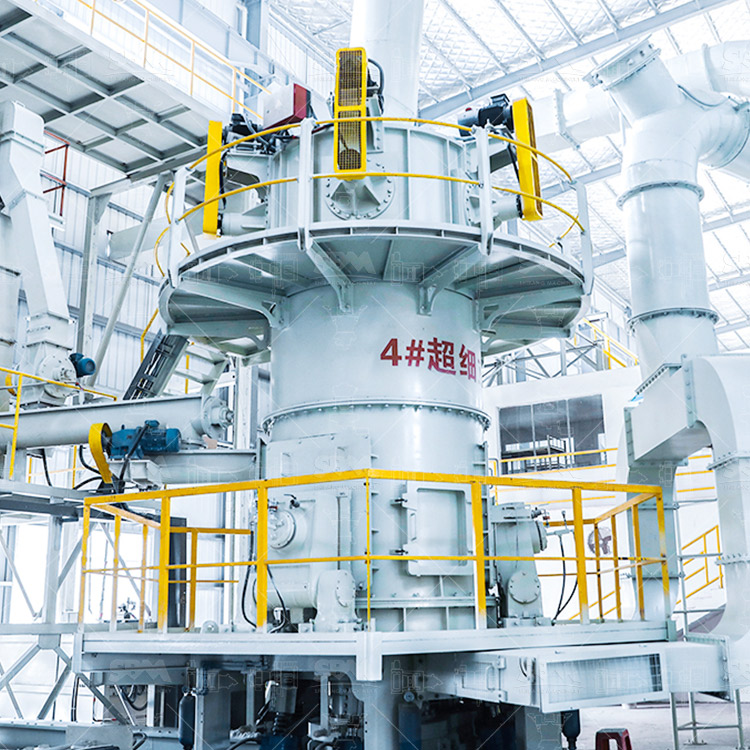
3. Precise Classification and Product Quality
Product fineness and consistency are critical for downstream applications. Traditional classifiers in ball mill circuits can struggle with precise cut sizes, leading to over-grinding or coarse particle contamination. Vertical roller mills incorporate dynamic classifiers that provide accurate separation. The LUM Ultrafine Vertical Roller Mill utilizes multi-rotor technology to ensure no coarse particles escape, delivering uniform finished products with fineness up to 2500 mesh. Similarly, the LM Series offers multi-stage adjustment technology for precise fineness control. This precision not only enhances product quality but also reduces the need for re-processing, saving time and energy.
4. Intelligent Automation and Reduced Labor
Modern grinding operations demand reliability and minimal manual intervention. Vertical roller mills are equipped with expert-level auto-control systems. Our LM Series features an intelligent control system supporting remote/local switching and real-time monitoring of parameters such as roller pressure, table speed, and airflow. This automation ensures stable operation, reduces human error, and lowers labor costs. The LUM Series also incorporates PLC automation for consistent performance. In contrast, traditional mills often require frequent operator adjustments and manual oversight, leading to variability and higher staffing needs.
5. Environmental Compliance and Noise Reduction
Stringent environmental regulations necessitate equipment that minimizes dust and noise. Vertical roller mills operate under fully sealed negative pressure, preventing dust leakage. Our LM Series achieves dust emissions well below international standards, thanks to advanced pulse dust removal technology. The LUM Series similarly operates under negative pressure with no dust leakage. Furthermore, noise levels are significantly reduced through soundproof room designs and damping technologies. Traditional ball mills, with their high-impact grinding action, generate substantial noise and dust, often requiring costly mitigation measures. Vertical roller mills offer a cleaner, quieter, and more sustainable solution.
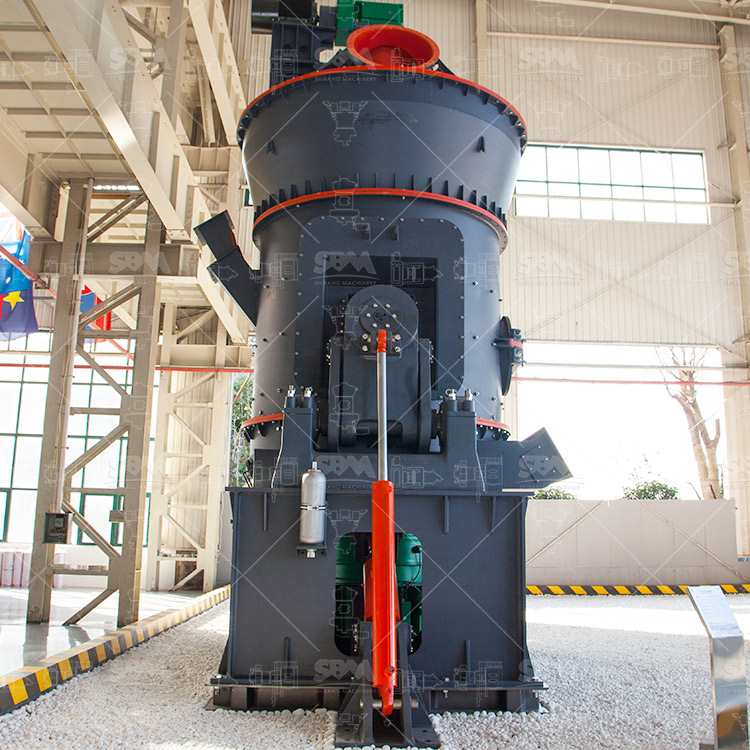
6. Versatility and Material Adaptability
Vertical roller mills are highly versatile, capable of grinding a wide range of materials from soft to hard and abrasive. Our product line includes specialized models for various applications: the LM Series for minerals, coal, slag, and pre-grinding; and the LUM Series for ultrafine powders. The LM Series offers models with capacities from 3 to 250 t/h and fineness from 30 to 325 mesh (up to 600 mesh for special models), while the LUM Series handles 325-2500 mesh with capacities up to 15 t/h. This adaptability ensures optimal performance across diverse industries, from cement production to industrial mineral processing.
7. Reduced Maintenance and Downtime
Traditional grinding equipment often suffers from high wear rates and frequent maintenance requirements, leading to significant downtime. Vertical roller mills are designed for durability and ease of maintenance. The LM Series features a modular grinding roller assembly with a quick-change system, allowing rapid roller replacement and reducing downtime. The LUM Series benefits from wear-resistant materials and an optimized design that extends service intervals. Additionally, the thin oil lubrication system in our MRN Pendulum Mill (another product) exemplifies our commitment to maintenance-free design, but within the vertical roller mill family, the integrated hydraulic systems simplify adjustments and repairs. Overall, vertical roller mills reduce maintenance costs by up to 30% and downtime by 40% compared to ball mills.
Conclusion
Vertical roller mills represent a significant advancement over traditional grinding equipment, offering integrated design, superior energy efficiency, precise classification, intelligent automation, environmental compliance, versatility, and reduced maintenance. Our company’s LM Series Vertical Roller Mill and LUM Ultrafine Vertical Roller Mill exemplify these advantages, providing robust, efficient, and sustainable solutions for modern grinding challenges. By choosing vertical roller mills, industries can achieve higher productivity, lower operating costs, and a smaller environmental footprint—truly outperforming traditional grinding equipment.