
What Causes Material Spitting (吐渣) in Vertical Roller Mills and How to Fix It
Introduction
Vertical roller mills (VRMs) are widely used in the cement, coal, power, and mineral processing industries for their high grinding efficiency, low energy consumption, and compact footprint. However, one common operational issue that plagues VRM operators is material spitting, often referred to as “吐渣” in Chinese. This phenomenon occurs when unfinished material is ejected from the grinding table into the air stream or outside the mill, leading to reduced efficiency, increased wear, and potential equipment damage. Understanding the root causes and implementing effective solutions is crucial for stable operation and optimal performance. In this article, we will explore the causes of material spitting in vertical roller mills and provide practical remedies, including how selecting the right equipment—such as the LM Series Vertical Roller Mill or the MTW Series European Trapezium Mill—can mitigate this issue.
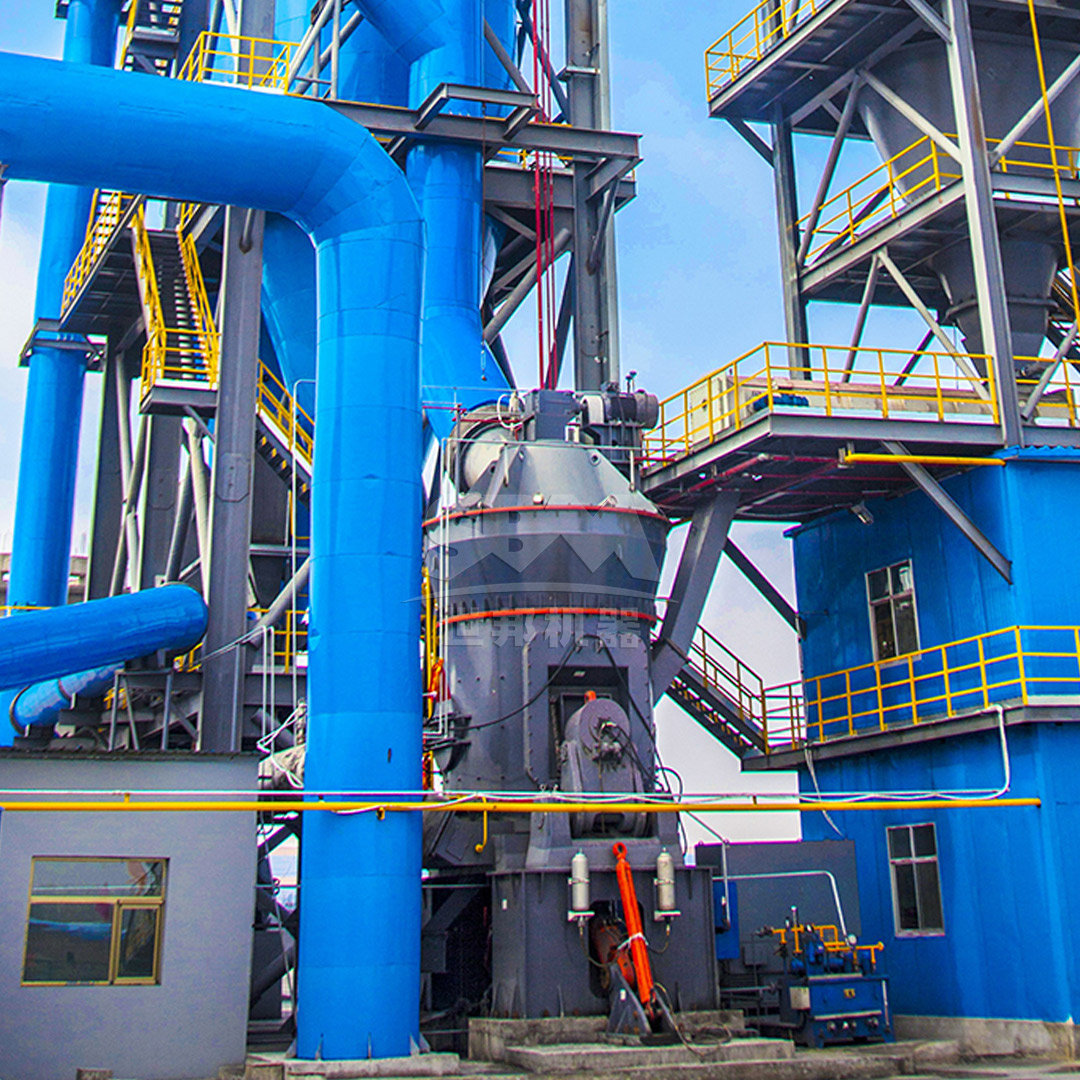
What is Material Spitting in VRMs?
Material spitting refers to the ejection of coarse particles from the grinding table due to insufficient grinding or improper airflow. In a VRM, raw material is fed onto a rotating table and ground by rollers. Centrifugal force moves the material outward, where it is swept by hot air into the classifier. Ideally, only fine particles should be carried upward, while coarse particles fall back onto the table for further grinding. Spitting happens when coarse material escapes this cycle, either because the airflow is too strong, the grinding pressure is too low, or the material bed is unstable. This not only wastes energy but also causes abrasion to the mill internals and downstream equipment.
Common Causes of Material Spitting
1. Improper Airflow and Classifier Settings
Airflow plays a critical role in transporting ground material. If the air volume is excessively high, it can lift coarse particles that should be re-ground, causing them to bypass the classifier and be discharged as spitting. Similarly, a misadjusted classifier (e.g., too low a speed or improper blade angle) can allow coarse particles to escape. Operators must balance airflow and classifier speed to ensure only fines exit the mill.
2. Unstable Material Bed
The material bed on the grinding table must be consistent in thickness and composition. Fluctuations in feed rate, particle size distribution, or moisture content can create an uneven bed, leading to vibration and erratic grinding. When the bed is too thin, rollers may directly contact the table, causing shock loads and spitting of material. Conversely, an overly thick bed can reduce grinding efficiency and cause material to spill over the edge.
3. Insufficient Grinding Pressure
Grinding pressure must be sufficient to crush the material effectively. If the hydraulic pressure is too low, the rollers cannot exert enough force, resulting in coarse particles that are not properly ground. These particles are then more likely to be carried away by air. Regular monitoring and adjustment of grinding pressure based on material characteristics are essential.
4. Wear of Grinding Parts
Over time, grinding rollers and table liners wear out, reducing grinding efficiency and altering the bed profile. Worn parts can cause uneven grinding and increased spitting. For instance, if the roller surface becomes flat, it may not grip the material adequately, leading to slippage and ejection. Regular inspection and replacement of wear parts are necessary.
5. Feed Material Characteristics
The properties of the feed material—such as hardness, moisture, and particle size—significantly impact VRM operation. Wet or sticky materials can adhere to the table and rollers, causing blockages and uneven beds. Excessive moisture also reduces the efficiency of the hot air sweep, leading to spitting. Similarly, very hard materials may require higher grinding pressure and slower feed rates to achieve the desired fineness.
6. Mill Vibration and Mechanical Issues
Mechanical problems such as misaligned rollers, worn bearings, or gearbox faults can cause vibration, which disrupts the material bed and leads to spitting. Vibration can also be caused by tramp material (e.g., metal pieces) entering the mill. Regular maintenance and vibration monitoring are critical to prevent such issues.
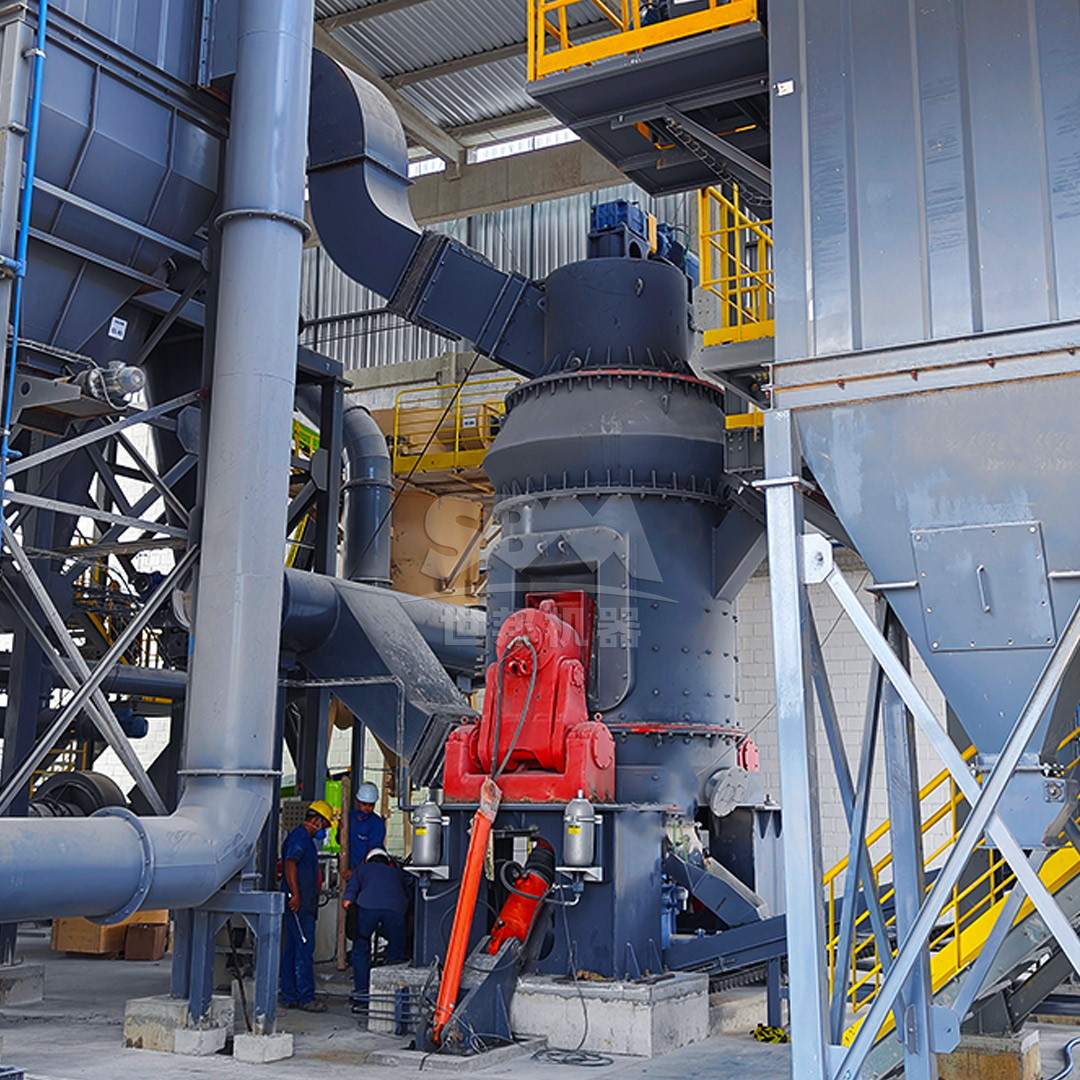
How to Fix Material Spitting
1. Optimize Airflow and Classifier Parameters
Adjust the air volume and classifier speed to match the desired product fineness. Conduct a airflow balance test to ensure uniform distribution. Modern classifiers, such as those in the LM Series Vertical Roller Mill, feature dynamic multi-stage adjustment technology that allows precise control over particle size, reducing the risk of coarse particles escaping.
2. Stabilize the Material Bed
Maintain a consistent feed rate and ensure proper material distribution. Use a feeding system that can handle variations in material size and moisture. For instance, the LM Series mill’s integrated design includes a centralized feed port that spreads material evenly via centrifugal force, promoting a stable bed. Additionally, pre-blending materials to homogenize moisture and hardness can help.
3. Adjust Grinding Pressure
Increase hydraulic pressure to the rollers to improve grinding efficiency. However, avoid excessive pressure, which can cause vibration and wear. The LM Series mill’s intelligent control system automatically adjusts grinding pressure based on load, ensuring optimal grinding without spitting.
4. Regular Maintenance and Wear Part Replacement
Implement a preventive maintenance schedule. Inspect rollers and table liners for wear and replace them as needed. The LM Series mill features a modular grinding roller assembly quick-change system, which reduces downtime and ensures consistent performance. Additionally, the use of wear-resistant materials in the MTW Series European Trapezium Mill’s shovel blades and rollers extends service life.
5. Control Feed Material Quality
Pre-dry materials if moisture content is high. Use a pre-grinding system or a dryer if necessary. For sticky materials, consider adding a small amount of dry material or using a higher airflow to prevent buildup. The MTW Series mill’s optimized arc air duct and wear-resistant volute structure improve air selection efficiency, reducing the chance of material accumulation.
6. Address Mechanical Issues Promptly
Conduct regular vibration analysis and alignment checks. Replace worn bearings and ensure proper lubrication. The LM Series mill’s internal suction oil lubrication system and the MTW Series’ integral bevel gear drive (with 98% transmission efficiency) contribute to smooth, low-vibration operation.
Recommended Equipment to Prevent Spitting
While operational adjustments can mitigate spitting, choosing a mill designed with advanced features can fundamentally reduce its occurrence. Two products from our company stand out for their reliability and efficiency in preventing material spitting:
LM Series Vertical Roller Mill
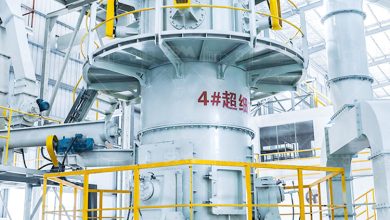
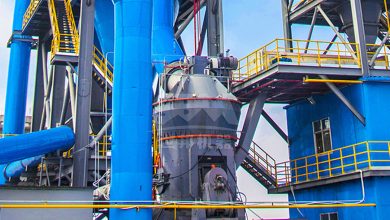
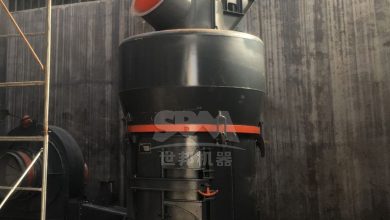
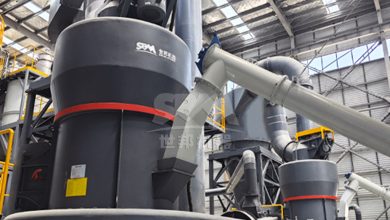
The LM Series Vertical Roller Mill is engineered to handle high capacities (3-250 t/h) with fineness up to 600 mesh. Its integrated design combines crushing, grinding, and classification, ensuring a stable material bed and precise particle size control. Key features include:
- Intelligent Control: Expert-level auto-control system with remote/local switching, real-time monitoring, and automatic adjustment of parameters to prevent spitting.
- Low Operating Cost: Non-contact design between rollers and table reduces wear and extends part life by 3x, maintaining consistent grinding pressure.
- Environmental Compliance: Fully sealed negative pressure operation minimizes dust emission and noise.
- Patented Technology: Modular grinding roller assembly quick-change system and dynamic classifier multi-stage adjustment technology.
With models like LM130K to LM280K, the LM Series mill delivers reliable performance and reduces spitting through optimized airflow and stable bed formation.
MTW Series European Trapezium Mill
The MTW Series European Trapezium Mill offers capacities from 3 to 45 t/h and fineness from 30 to 325 mesh. Its design focuses on durability and efficiency, addressing common causes of spitting:
- Anti-wear Shovel Design: Combined shovel blades and curved rollers reduce maintenance costs and extend roller life, ensuring consistent grinding.
- Optimized Arc Air Duct: Reduces airflow energy loss and improves transmission efficiency, preventing coarse particles from being carried away.
- Integral Bevel Gear Drive: Transmission efficiency up to 98%, reducing vibration and mechanical issues.
- Wear-resistant Volute Structure: Non-resistance flow design improves air selection efficiency and reduces maintenance by 30%.
Models like MTW110 to MTW215G feature intelligent pressure regulation and innovative roller assembly, making them ideal for preventing spitting in medium-scale operations.
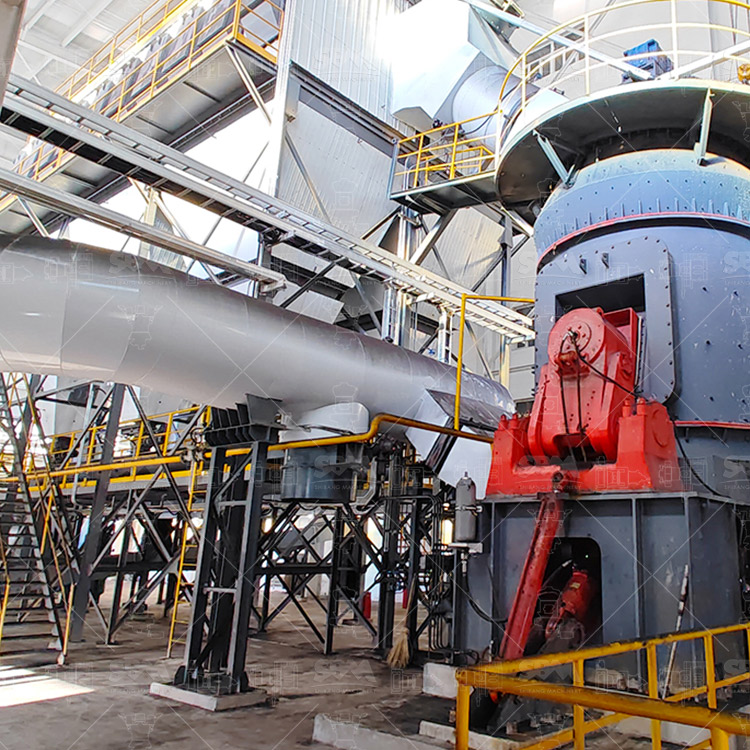
Conclusion
Material spitting in vertical roller mills is a multifaceted issue that can arise from improper airflow, unstable material bed, insufficient grinding pressure, worn parts, feed characteristics, or mechanical problems. By understanding these causes and implementing targeted solutions—such as optimizing classifier settings, maintaining consistent feed, adjusting pressure, and performing regular maintenance—operators can significantly reduce spitting and improve mill efficiency. Moreover, selecting equipment with advanced features, like the LM Series Vertical Roller Mill or the MTW Series European Trapezium Mill, provides a robust foundation for stable operation. These mills incorporate intelligent controls, wear-resistant designs, and efficient classification systems that inherently minimize the risk of material spitting, ensuring higher productivity and lower operating costs. For further assistance in selecting the right mill for your application, please contact our technical team.