
Can Bauxite Be Used for Making Accelerating Agent and What Is the Process Flow?
Introduction
Bauxite, a naturally occurring aluminum-rich ore, is widely recognized as the primary source of alumina for aluminum production. However, its applications extend far beyond metallurgy. In the construction and building materials industry, bauxite has emerged as a key raw material for manufacturing accelerating agents—additives that speed up the setting and hardening of cement and concrete. As a leading alumina bauxite vertical mill manufacturer, we frequently receive questions about the feasibility and process flow of using bauxite for accelerating agent production. This article answers these questions in detail, explaining the role of bauxite, the necessary grinding technology, and the specific process flow, while also recommending our advanced milling equipment tailored for this application.
What Is an Accelerating Agent and Why Bauxite?
An accelerating agent (also called accelerator or set accelerator) is a chemical additive that increases the rate of hydration of cement, thereby reducing setting time and increasing early strength development. Common accelerating agents include calcium chloride, sodium silicate, and calcium formate. However, aluminous accelerating agents derived from bauxite offer unique advantages: they are chloride-free, non-corrosive to steel reinforcement, and provide excellent early strength without compromising long-term durability. Bauxite is rich in alumina (Al2O3), typically 40-60%, along with silica, iron oxide, and titania. When properly processed—calcined and ground to a fine powder—bauxite can react with calcium hydroxide in cement to form calcium aluminate hydrates, which significantly accelerate setting. This makes bauxite-based accelerators particularly suitable for shotcrete, rapid-repair mortars, and cold-weather concreting.
The key to unlocking bauxite’s potential as an accelerating agent lies in its fineness and reactivity. Coarse bauxite particles react slowly and inefficiently; therefore, ultrafine grinding is essential. This is where advanced milling technology becomes critical. As a specialized alumina bauxite vertical mill manufacturer, we design equipment that achieves the precise particle size distribution required for high-performance accelerating agents.
Can Bauxite Be Used for Making Accelerating Agents? The Answer Is Yes
Yes, bauxite can absolutely be used to manufacture accelerating agents, provided it is processed correctly. The process involves three main stages: raw material preparation, calcination (if necessary), and fine grinding. Bauxite with a high alumina content (preferably >50% Al2O3) and low impurities is preferred. After mining, the bauxite is crushed and then calcined at temperatures between 800°C and 1200°C to remove moisture and volatile matter, and to transform the alumina into a reactive phase (e.g., gamma-alumina or transition aluminas). The calcined bauxite is then ground to a ultrafine powder—typically 325 to 2500 mesh (45 to 5 μm)—to ensure high surface area and rapid dissolution in cementitious systems. The resulting bauxite powder can be blended with other ingredients (such as calcium sulfate or alkaline activators) to produce a dry accelerator mix.
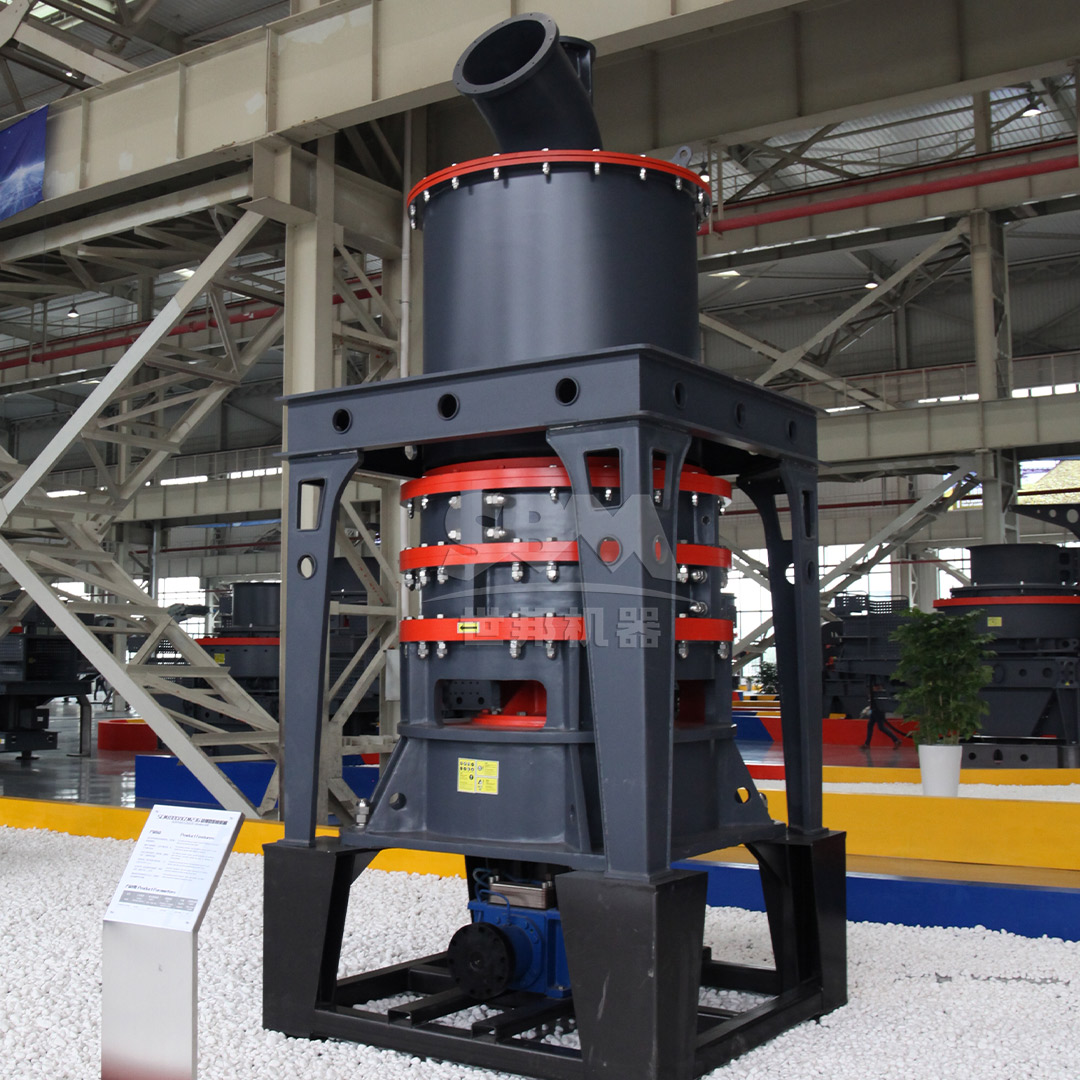
However, the grinding step is the bottleneck in many operations. Traditional ball mills struggle to achieve the required fineness economically, and jet mills consume excessive energy. This is why we recommend our SCM Series Ultrafine Mill and LUM Ultrafine Vertical Roller Mill for bauxite grinding in accelerating agent production. Both mills deliver the high fineness and uniform particle size essential for a high-quality product.
Detailed Process Flow for Bauxite-Based Accelerating Agent
The complete process flow from raw bauxite to finished accelerating agent can be divided into six steps:
1. Raw Material Selection and Crushing
Select bauxite ore with high alumina content (Al2O3 ≥ 50%) and low iron and silica impurities. Feed the ore into a jaw crusher or hammer mill to reduce it to a particle size of less than 20-50 mm. Our Hammer Mill (0-3mm output) is an ideal choice for this stage, offering high crushing ratio and stable operation.
2. Calcination
Crushed bauxite is fed into a rotary kiln or shaft kiln and calcined at 800-1200°C for 1-2 hours. This step removes chemically bound water and carbonates, and increases the reactivity of alumina. The calcined material is then cooled to ambient temperature.
3. Fine Grinding
This is the most critical step. The calcined bauxite must be ground to a ultrafine powder with a fineness of 325-2500 mesh (45-5 μm). For this purpose, we recommend two of our flagship products:
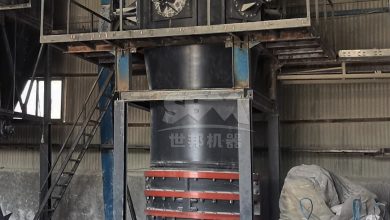
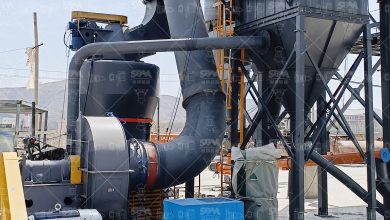
- SCM Series Ultrafine Mill – With its vertical turbine classifier, it achieves precise particle size cutting and ensures no coarse powder mixing. Capacities range from 0.5 to 25 t/h, with fineness adjustable from 325 to 2500 mesh. Its intelligent control system provides automatic feedback on finished product granularity, making it ideal for consistent accelerator production.
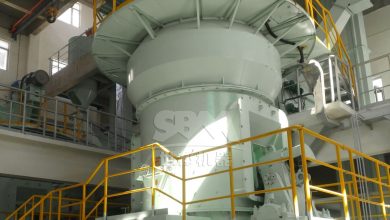
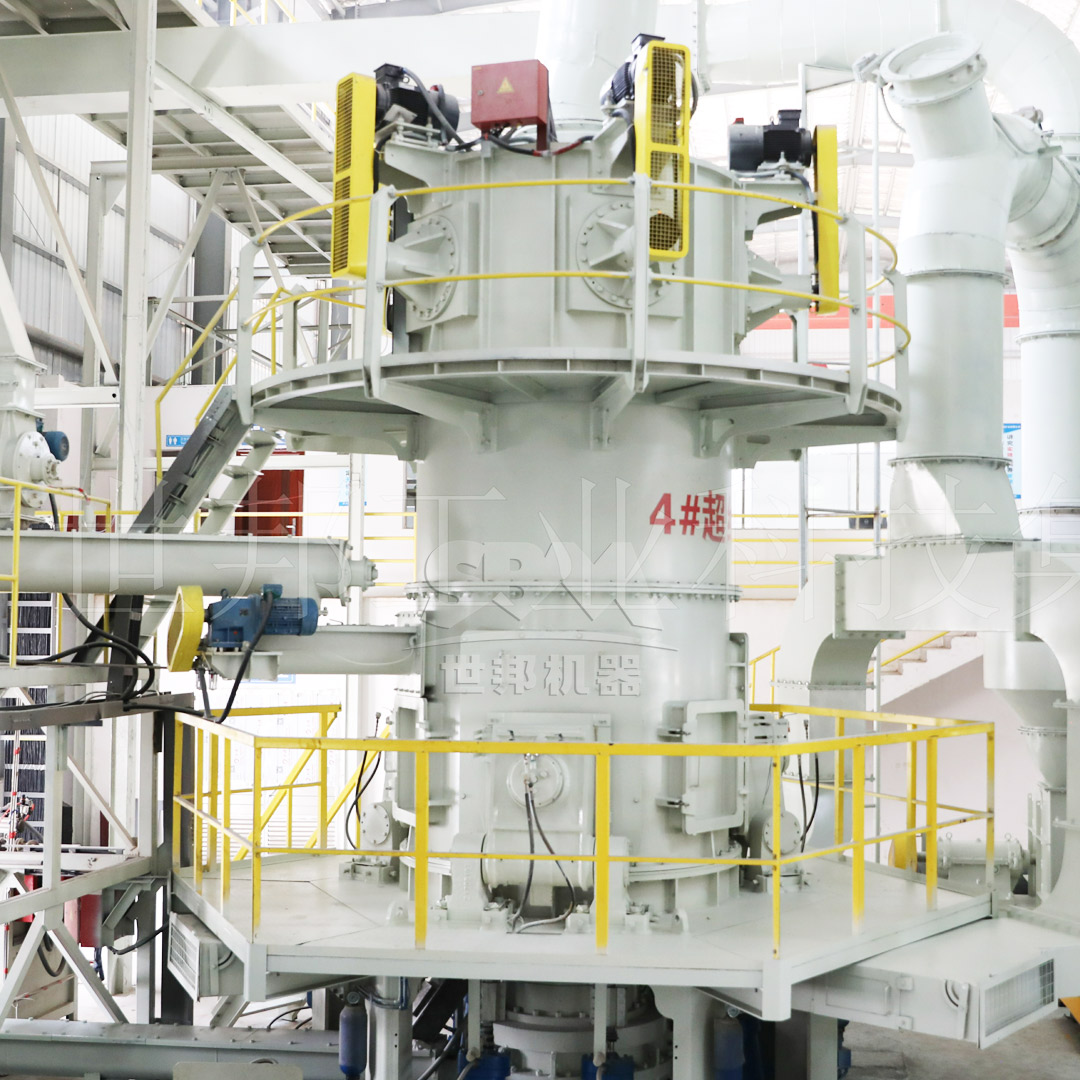
- LUM Ultrafine Vertical Roller Mill – Featuring unique roller and liner curves, this mill achieves high grinding efficiency and precise classification via multi-rotor technology. Models like LUM1525 offer 1.6-11.5 t/h at 5-30 μm, perfect for ultrafine bauxite powder.
Both mills are eco-friendly, with pulse dust collection and low noise operation, meeting stringent environmental standards.
4. Blending and Additive Mixing
The ultrafine bauxite powder is blended with other components such as calcium sulfate (gypsum), calcium formate, or sodium carbonate in a ribbon blender or V-type mixer. The exact formulation depends on the desired setting time and strength profile.
5. Quality Control
Finished accelerator is tested for fineness (sieve residue), setting time (Vicat apparatus), and compressive strength (mortar cubes). Uniform particle size from the grinding step is essential for reproducible performance.
6. Packaging and Storage
The product is packed in moisture-proof bags or bulk silos, ready for shipment to construction sites.
Why Choose Our Vertical Mills for Bauxite Grinding?
As an experienced alumina bauxite vertical mill manufacturer, we understand the unique challenges of grinding abrasive and high-alumina materials. Our SCM Series Ultrafine Mill and LUM Ultrafine Vertical Roller Mill are engineered to deliver:
- High efficiency and energy savings – SCM mill capacity is twice that of jet mills with 30% lower energy consumption.
- Precise classification – No coarse particles, ensuring uniform accelerating agent performance.
- Durable design – Special material rollers and rings extend service life several times over.
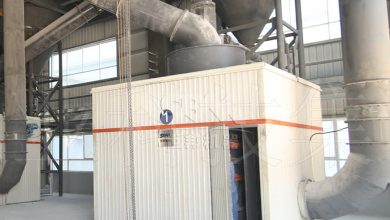
- Environmental compliance – Pulse dust collection efficiency exceeds international standards, and soundproof rooms reduce noise.
For larger capacities (up to 250 t/h), our LM Series Vertical Roller Mill is also available, offering integrated crushing, grinding, and selection with 30-40% lower energy consumption than ball mill systems. However, for ultrafine accelerator production, the SCM and LUM models are the optimal choices.
Conclusion
Bauxite is indeed a viable and advantageous raw material for manufacturing accelerating agents, provided it is calcined and ground to ultrafine fineness. The process flow—crushing, calcination, fine grinding, blending, quality control, and packaging—is straightforward but requires reliable, high-performance milling equipment. As a dedicated alumina bauxite vertical mill manufacturer, we offer the SCM Series Ultrafine Mill and LUM Ultrafine Vertical Roller Mill to help you achieve the precise particle size and productivity needed for competitive accelerator production. Contact us today to discuss your project and let our engineers recommend the ideal mill configuration for your bauxite processing line.