
Petroleum Coke to Super Activated Carbon: Production Process and Petroleum Coke Grinding Mill Guide
Introduction
Petroleum coke, a byproduct of the oil refining industry, has emerged as a strategic precursor material for producing super activated carbon—a high-performance adsorbent with exceptional surface area and porosity. The transformation from raw petroleum coke to super activated carbon is a multi-stage process that hinges critically on one intermediate step: precise grinding. This article explores the complete production chain and highlights how selecting the right grinding mill—specifically the SCM Series Ultrafine Mill and the LM Series Vertical Roller Mill—determines the quality, yield, and profitability of the final activated carbon product.
Why Petroleum Coke for Activated Carbon?
Petroleum coke is characterized by high carbon content (typically 85–95%), low ash, and low volatile matter. These properties make it an ideal precursor for high-grade activated carbon. Depending on the calcination temperature, petroleum coke can be classified as green coke, calcined coke, or needle coke. For activated carbon production, calcined petroleum coke with controlled volatile content and low sulfur is generally preferred.
The key advantage of petroleum coke lies in its graphitic microcrystalline structure. When properly ground and activated, this structure yields activated carbon with surface areas ranging from 800 to over 2,500 m²/g—classifying it as “super activated carbon.” This material finds applications in water treatment, air purification, supercapacitors, catalyst supports, and pharmaceutical purification.
Complete Production Process: From Petroleum Coke to Super Activated Carbon
Step 1: Raw Material Preparation and Crushing
Raw petroleum coke lumps (often exceeding 50mm) must first be crushed to a manageable feed size. Hammer mills or jaw crushers reduce the material to approximately 0–20mm or 0–50mm, preparing it for the grinding stage.
Step 2: Grinding and Pulverization
This is the most critical stage. The petroleum coke must be ground to a specific particle size distribution—typically 200 to 600 mesh (75μm to 25μm) for conventional activated carbon, and up to 1,250–2,500 mesh (10μm to 5μm) for super activated carbon applications. The fineness directly affects the activation reaction rate, pore structure development, and final adsorption capacity. Undersized particles may cause excessive burn-off during activation, while oversized particles lead to incomplete activation and low surface area.
Step 3: Binder Mixing and Pelletizing (Optional)
For shaped activated carbon, ground petroleum coke powder is mixed with a binder (e.g., coal tar pitch, phenolic resin) and pelletized into spherical or cylindrical shapes. For powdered activated carbon (PAC), this step is skipped.
Step 4: Carbonization
The ground or pelletized material is carbonized in a rotary kiln or shaft furnace at 500–700°C in an inert atmosphere. This removes volatile matter and forms a carbon skeleton with initial porosity.
Step 5: Activation
Activation is performed via steam, CO₂, or chemical agents (KOH, K₂CO₃). Physical steam activation at 800–950°C develops micropores and mesopores. Chemical activation with KOH can produce super activated carbon with surface areas exceeding 2,500 m²/g, though it requires careful washing and environmental controls.
Step 6: Post-Treatment and Packaging
The activated carbon is cooled, washed (for chemical activation), dried, screened, and packaged. Quality control tests include iodine number, BET surface area, methylene blue adsorption, and ash content.
The Crucial Role of Grinding: Particle Size Requirements
The grinding stage significantly influences downstream processing. Key particle size considerations include:
- For conventional activated carbon: 200–325 mesh is typical.
- For super activated carbon (high surface area): 600–1,250 mesh (20–10μm) is preferred to ensure uniform activation.
- For high-performance supercapacitor-grade carbon: 1,250–2,500 mesh (10–5μm) may be required.
Moreover, particle size distribution (PSD) uniformity is equally important. A narrow PSD ensures consistent activation, prevents hot spots in the kiln, and minimizes unactivated carbon. This is where mill classification precision becomes non-negotiable.
Recommended Grinding Mills for Petroleum Coke Processing
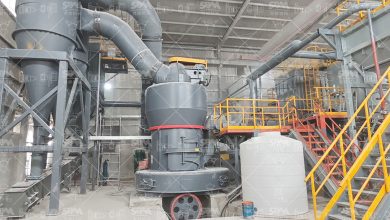
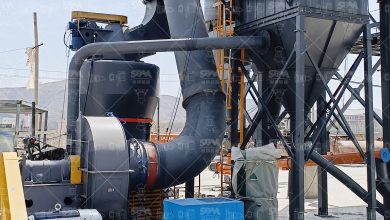
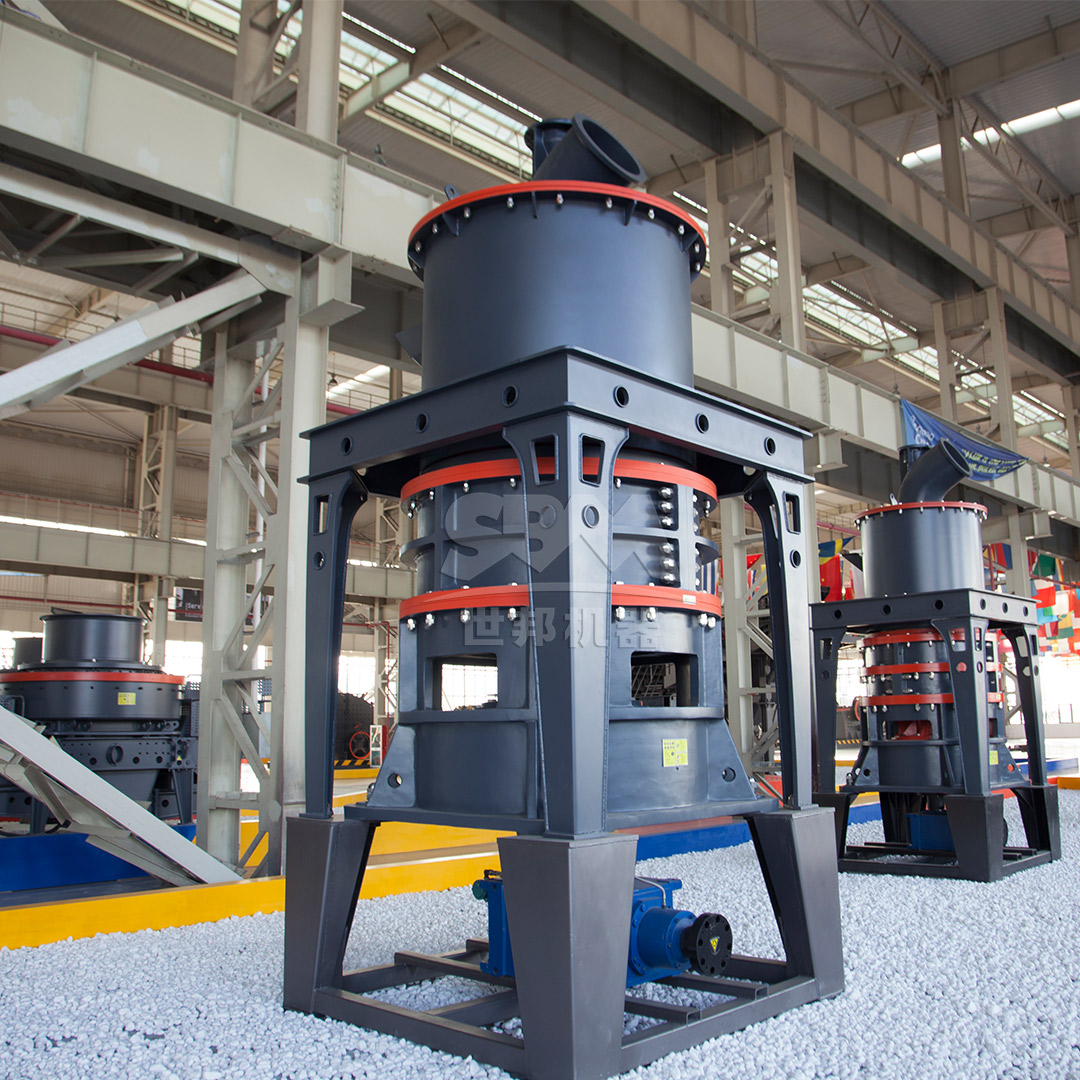
SCM Series Ultrafine Mill (45–5μm) — Best for Super Activated Carbon Precursor
The SCM Series Ultrafine Mill is engineered for applications requiring ultra-fine grinding with high precision. With output fineness ranging from 325 to 2,500 mesh (45–5μm), it is ideally suited for producing the fine petroleum coke powder required for super activated carbon with BET surface areas above 2,000 m²/g.
Why SCM for petroleum coke?
- High-precision classification: The vertical turbine classifier achieves precise particle size cutting with no coarse powder mixing, ensuring uniform finished product—critical for consistent activation.
- High efficiency: Capacity is twice that of jet mills with 30% lower energy consumption. This reduces the cost per ton of ultrafine petroleum coke powder.
- Durability: Special material rollers and rings extend service life several times over, while the shaftless screw grinding chamber ensures stable operation even with abrasive petroleum coke.
- Intelligent control: Automatic finished product granularity feedback allows operators to maintain tight PSD specifications without constant manual adjustment.
Model recommendation: For a pilot-to-medium scale super activated carbon line (0.5–4.5 t/h ultrafine powder), the SCM800 (75kW main power) is an excellent entry point. For larger operations requiring 2.5–14 t/h, the SCM1250 (185kW) delivers robust performance. The flagship SCM1680 (315kW) supports capacities up to 25 t/h, ideal for integrated activated carbon plants.
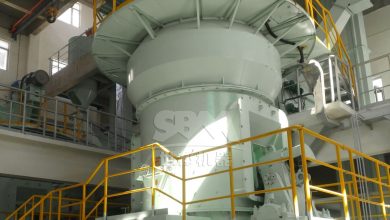
LM Series Vertical Roller Mill (600–45μm) — Best for Large-Scale Petroleum Coke Grinding
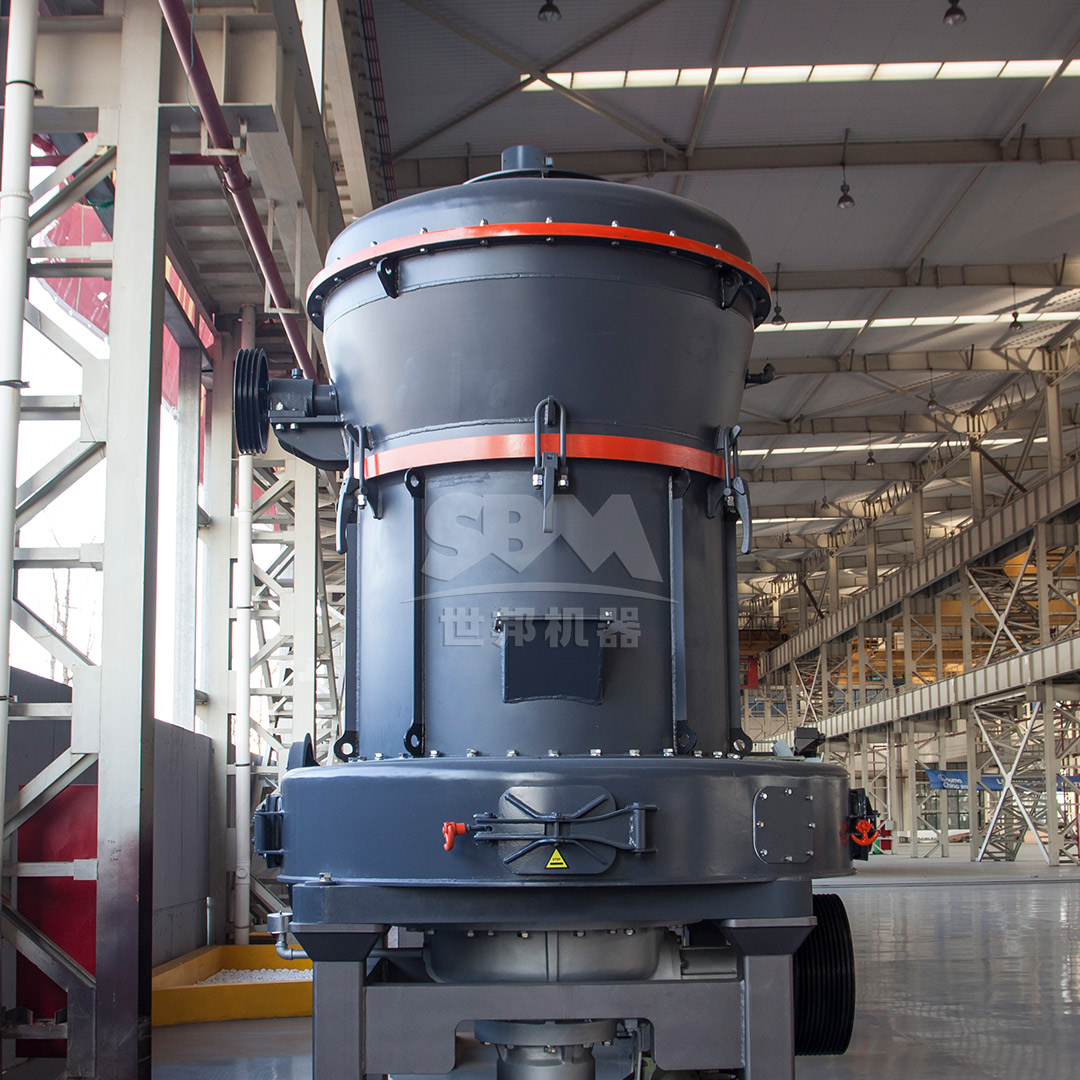
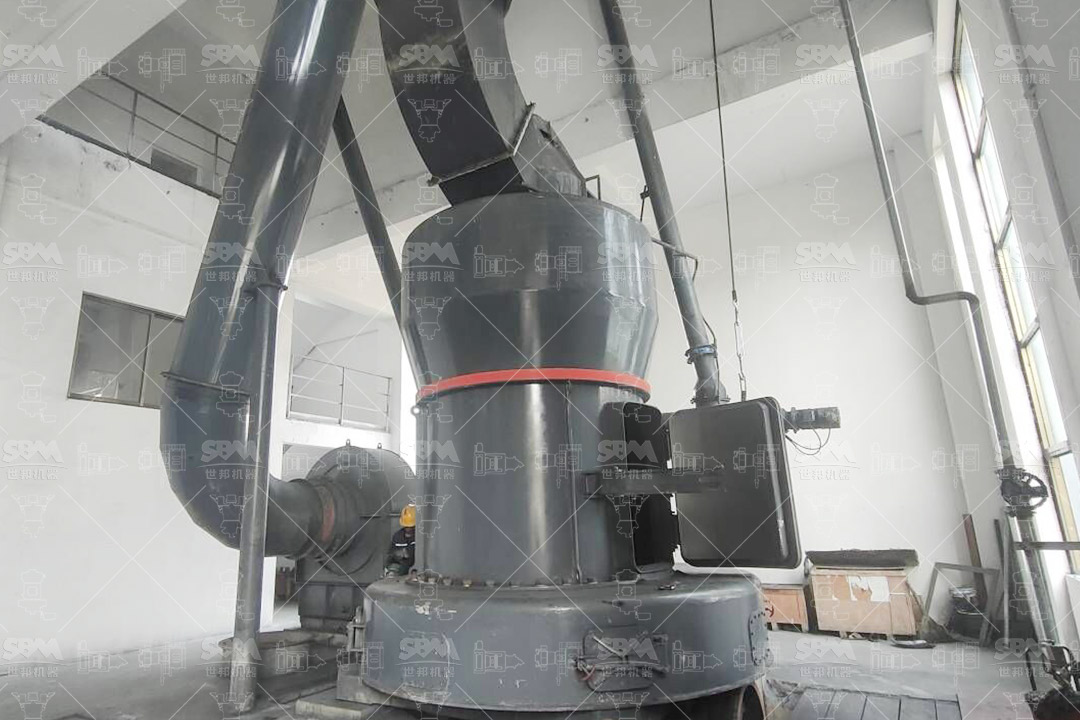
For plants that prioritize throughput and operational economy, the LM Series Vertical Roller Mill offers an integrated solution combining crushing, grinding, and classification. With capacities from 3 to 250 t/h and fineness adjustable from 30 to 325 mesh (down to 45μm), the LM is well suited for producing conventional activated carbon precursor or for pre-grinding before ultrafine milling.
Why LM for petroleum coke?
- Low operating cost: The non-contact design between rollers and table reduces wear part consumption; energy consumption is 30–40% lower than ball mill systems.
- Integrated design: System footprint is reduced by 50%, and outdoor installation reduces infrastructure costs by 40%.
- Intelligent control: Expert-level auto-control supports remote/local switching with real-time parameter monitoring.
- Environmental compliance: Fully sealed negative pressure operation ensures dust emission compliance and low noise.
Model recommendation: For a 10–28 t/h petroleum coke grinding line (fineness 170–40μm), the LM130K (200kW) is a proven workhorse. For larger capacities of 36–105 t/h, the LM220K (800kW) provides ample margin. The LM Series also includes specialized vertical fine-powder models (LM130X-GX to LM220X-GX) achieving 325–600 mesh, bridging the gap between the LM standard and SCM ultrafine range.
Selecting the Right Mill: A Decision Framework
The choice between SCM and LM depends on the target product and production scale:
- If your final product is super activated carbon (BET >2,000 m²/g) and you need 600–2,500 mesh: Choose the SCM Series Ultrafine Mill. Its classification precision and ultrafine capability are unmatched for this duty.
- If you produce conventional activated carbon (200–325 mesh) at large scale (20–250 t/h): Choose the LM Series Vertical Roller Mill for lowest cost per ton and highest availability.
- If you need both conventional and ultrafine capacities: A two-stage configuration—LM for pre-grinding to 100–200 mesh followed by SCM for ultrafine finishing—optimizes capital and operating costs.
Process Optimization Tips
To maximize activated carbon quality from petroleum coke:
- Control feed moisture: Petroleum coke should be dried to <1% moisture before grinding to prevent mill clogging and ensure consistent classification.
- Monitor mill outlet temperature: Petroleum coke can be thermally sensitive; keep grinding temperatures below 80°C to avoid oxidation of the carbon surface.
- Use pulse dust collection: Both SCM and LM systems include high-efficiency pulse dust collectors that recover fine product and maintain a clean workplace.
- Regularly inspect wear parts: Petroleum coke is abrasive; schedule roller and ring inspections per the manufacturer’s recommendations to maintain PSD consistency.
Conclusion
The journey from petroleum coke to super activated carbon is a value-adding transformation that demands precision at every stage—none more so than grinding. By selecting the appropriate mill—SCM Series Ultrafine Mill for ultra-fine, high-surface-area precursor, or LM Series Vertical Roller Mill for large-scale, cost-efficient grinding—producers can unlock the full potential of petroleum coke and deliver super activated carbon that meets the most demanding specifications. As the market for high-performance carbon materials continues to grow, investing in the right grinding technology is not merely an equipment decision; it is a strategic commitment to quality and competitiveness.