How Promising Is the Market Outlook for Graphite Powder Vertical Roller Mills?
Introduction: The Graphite Boom and the Milling Imperative
The global transition toward electrification, renewable energy storage, and lightweight materials has placed graphite at the center of a supply chain revolution. As the primary anode material for lithium-ion batteries and a critical component in refractories, lubricants, and nuclear moderators, demand for high-purity, ultrafine graphite powder is accelerating. This surge has direct implications for comminution technology: traditional ball mills and jet mills are increasingly challenged by the need for higher capacity, tighter particle size distribution, and lower energy consumption. Vertical roller mills (VRMs)—specifically those adapted for ultrafine grinding—are emerging as the equipment of choice. But how promising, exactly, is the market outlook for graphite powder vertical roller mills? This article examines the technical, economic, and environmental drivers shaping this niche, and highlights two products from our portfolio that are positioned to capture this opportunity.
Graphite Powder Requirements: Beyond Traditional Milling
Graphite powder for battery anodes typically requires a D50 between 5 and 20 microns, with a narrow span and minimal contamination. Spherical graphite, produced from flake graphite, demands even finer sizes—often below 10 microns—while maintaining high tap density. Conventional ball mills can achieve these sizes but at a steep cost: low energy efficiency, high wear rates, and product contamination from steel media. Jet mills produce narrow distributions but are notoriously energy-hungry and have limited capacity. Vertical roller mills, by contrast, combine grinding, classification, and drying in a single compact unit. They use a bed-grinding principle that reduces energy consumption by 30–40% compared to ball mills, and their integrated dynamic classifiers deliver precise top-size cutting. For graphite, where softness (Mohs 1–2) and lubricity can cause smearing in other mills, VRMs offer stable operation and consistent product quality.
Market Drivers for Graphite VRMs
1. Battery Gigafactory Expansion
Every gigawatt-hour of battery capacity requires roughly 1,000–1,200 tonnes of anode material. With global gigafactory capacity projected to exceed 5,000 GWh by 2030, graphite milling demand will multiply. VRMs with capacities from 5 to 25 t/h per unit are well-suited for the multi-line plants that anode producers are building. The ability to scale by adding modules rather than massive ball mill circuits improves capital efficiency.
2. Shift Toward Domestic Supply Chains
North America and Europe are actively reducing reliance on Chinese graphite. New anode plants in the U.S., Canada, and Scandinavia will require milling equipment that meets strict environmental and energy standards. VRMs, with their fully sealed negative-pressure operation and pulse dust collection, outperform ball mills on emissions and noise—critical for permitting in populated regions.
3. Cost Pressure and Energy Prices
Graphite milling is energy-intensive. In regions with high electricity costs, the 30–40% energy savings of VRMs directly improve operating margins. Additionally, VRMs require less floor space and civil construction, reducing upfront capital expenditure. As anode prices compress due to competition, efficient milling becomes a competitive necessity.
4. Product Quality Demands
Battery manufacturers demand consistent particle size distribution (PSD) and low magnetic impurities. VRMs with ceramic or special alloy liners minimize iron contamination. Their dynamic classifiers allow real-time adjustment of fineness, ensuring batch-to-batch consistency. This is a decisive advantage over ball mills, where PSD can drift with media wear.
Challenges and Technical Considerations
Despite the promise, graphite VRM adoption faces hurdles. Graphite’s lubricity can cause material to slip on the grinding table, reducing grinding efficiency. This requires specially designed table and roller profiles, as well as optimized airflow. Additionally, graphite is prone to oxidation at high temperatures; VRMs must operate with controlled inlet gas temperatures, often below 300°C, to prevent surface modification. Finally, wear parts must resist abrasion from hard impurities (e.g., quartz) that often accompany natural graphite. Addressing these challenges requires deep application knowledge and robust engineering.
Our Solutions: SCM Series Ultrafine Mill and LM Series Vertical Roller Mill
For graphite powder producers, we recommend two proven solutions that balance fineness, capacity, and operating cost.
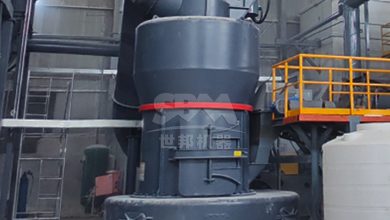
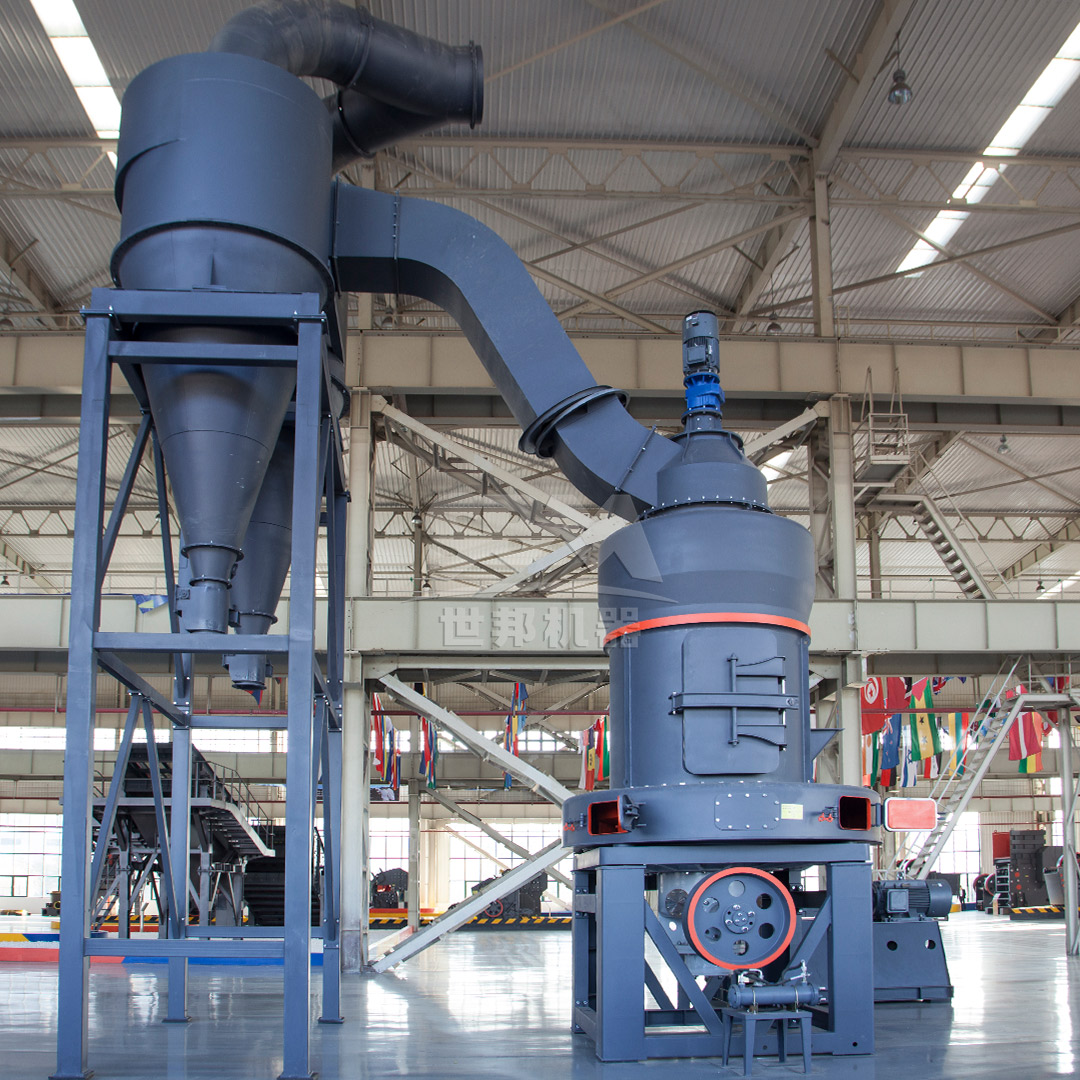
SCM Series Ultrafine Mill (45–5μm)
The SCM Series is a specialized ultrafine vertical roller mill designed for 325–2500 mesh products. With models ranging from SCM800 (0.5–4.5 t/h) to SCM1680 (5–25 t/h), it offers scalable capacity for anode and specialty graphite. Key advantages for graphite include:
- High efficiency: Capacity is double that of jet mills with 30% lower energy consumption.
- Precise classification: Vertical turbine classifier ensures no coarse powder mixing.
- Durable design: Special material rollers and rings extend service life, while shaftless screw grinding chamber ensures stable operation.
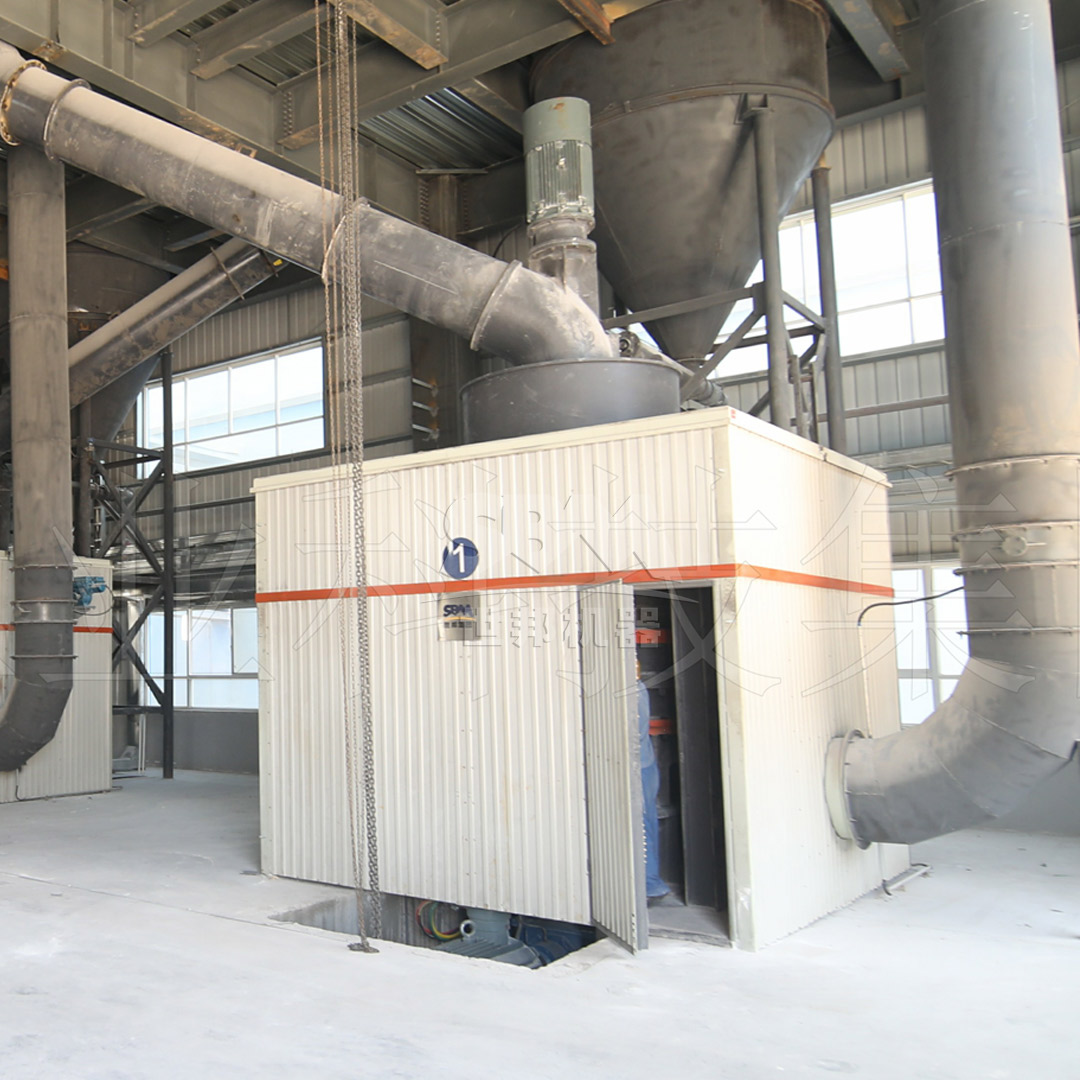
- Eco-friendly: Pulse dust collection exceeds international standards; soundproof room reduces noise.
For a mid-scale anode plant requiring 8 t/h of 10μm graphite, the SCM1000 (1.0–8.5 t/h) is an ideal fit.
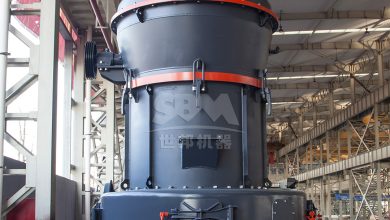
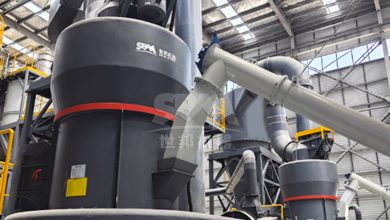
LM Series Vertical Roller Mill (600–45μm)
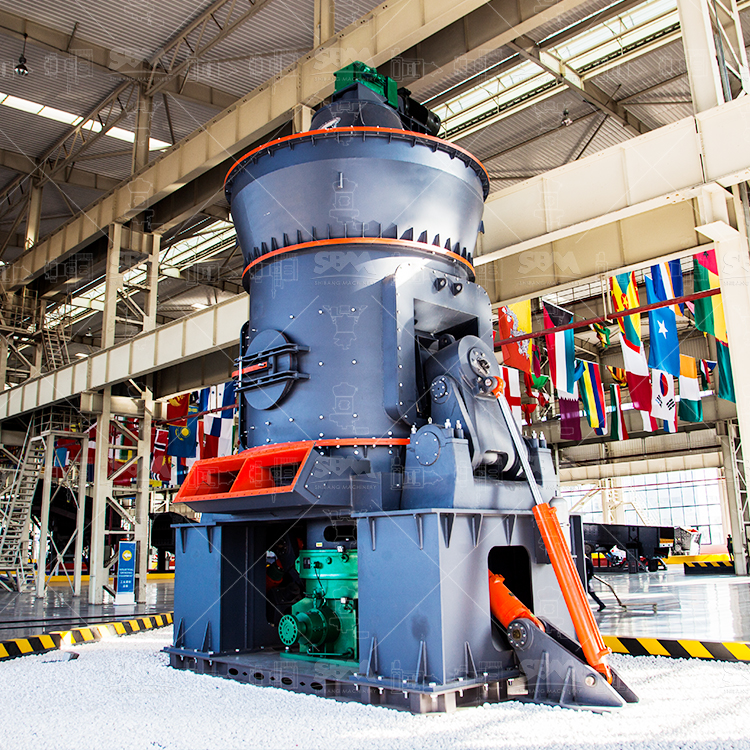
The LM Series is a versatile VRM with capacities from 3 to 250 t/h. For graphite, the LM130K to LM220K models in the Vertical Mineral Mill Series offer fineness down to 45μm (325 mesh) with high throughput. For finer grinding, the LM130X-GX to LM220X-GX Vertical Fine-powder Mill Series achieves 325–600 mesh with 4–30 t/h. Key benefits include:
- Integrated design: Crushing, grinding, and selection in one unit; floor space reduced by 50%.
- Low operating cost: Non-contact roller-table design increases wear part life by 3x; energy consumption 30–40% lower than ball mill systems.
- Intelligent control: Expert-level auto-control system with remote/local switching.
- Environmental compliance: Fully sealed negative pressure operation; dust emission and noise meet strict standards.
For a large-scale graphite processing facility requiring 20 t/h at 200 mesh, the LM170K (18–48 t/h, 170–40μm) provides ample capacity and reliability.
Market Outlook: Growth Trajectory and Adoption Rates
The market for graphite vertical roller mills is expected to grow at a compound annual growth rate (CAGR) of 6–8% over the next five years, driven by battery demand and the replacement of older ball mill circuits. While ball mills will retain a share in coarse grinding, VRMs will dominate new ultrafine graphite capacity. The key adoption barriers—lubricity, oxidation, and wear—are being overcome through improved liner materials, advanced airflow modeling, and smart control systems. As anode producers seek to reduce costs and carbon footprint, the case for VRMs becomes compelling.
Conclusion: A Promising Outlook with the Right Technology
In summary, the market outlook for graphite powder vertical roller mills is highly promising. The combination of soaring graphite demand, energy efficiency requirements, and product quality specifications aligns perfectly with VRM capabilities. Our SCM Series Ultrafine Mill and LM Series Vertical Roller Mill offer proven, scalable solutions for graphite producers. By choosing the right model—whether an SCM for ultrafine anode material or an LM for high-capacity fine grinding—processors can secure a competitive edge in the rapidly evolving graphite market. For detailed specifications and application testing, please contact our engineering team.