Coal Gangue to Kaolin Production Equipment and Process Introduction
Introduction: The Strategic Value of Coal Gangue Utilization
Coal gangue, a solid waste generated during coal mining and washing processes, has long been considered an environmental burden. However, with the advancement of modern processing technologies, coal gangue is now recognized as a valuable resource with significant industrial potential. Among its many applications, the conversion of coal gangue into kaolin—a high-value industrial mineral widely used in ceramics, paper, rubber, plastics, and refractory materials—represents one of the most promising pathways for comprehensive utilization.
This article provides a comprehensive introduction to the equipment and process involved in converting coal gangue to kaolin, covering everything from raw material preparation to final ultrafine grinding. We will also highlight two of our company’s flagship products that are particularly well-suited for this application: the SCM Series Ultrafine Mill and the MTW Series European Trapezium Mill.
Understanding Coal Gangue and Its Kaolin Content
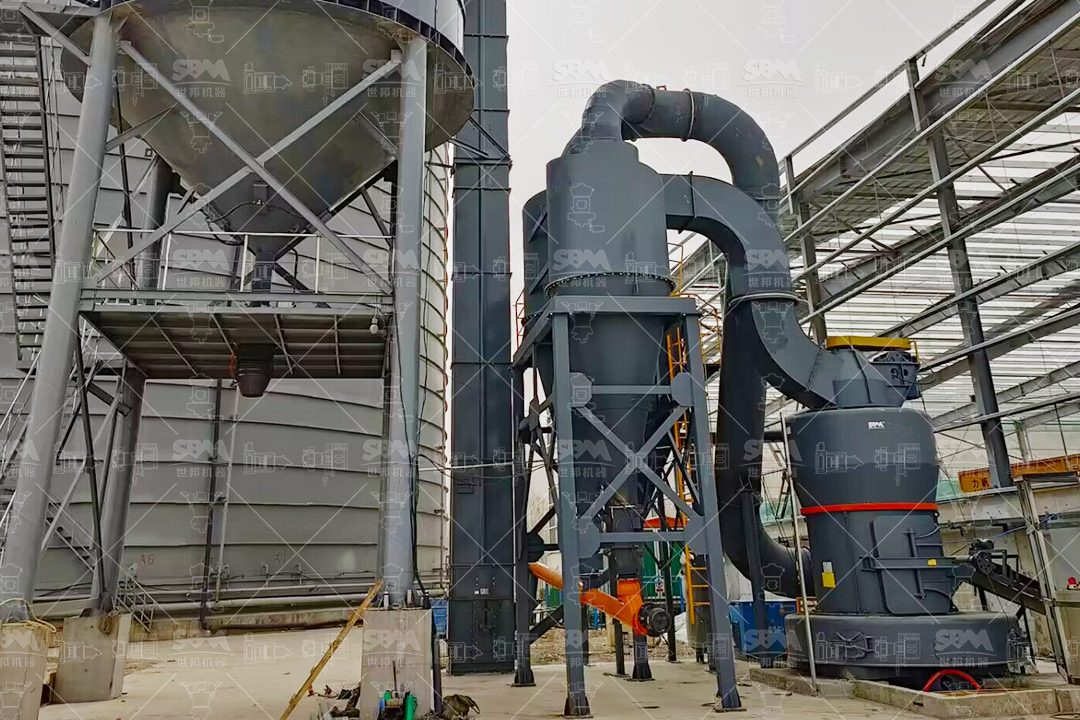
Coal gangue is primarily composed of clay minerals, quartz, feldspar, and various trace elements. The clay mineral component—predominantly kaolinite—is the key to producing kaolin. In many coal gangue deposits, the kaolinite content can reach 40-70%, making it an economically viable source for kaolin production.
The typical chemical composition of coal gangue includes silica (SiO₂), alumina (Al₂O₃), iron oxide (Fe₂O₃), and small amounts of titanium dioxide (TiO₂) and alkali metals. After proper processing—including crushing, grinding, calcination, and classification—coal gangue can yield kaolin products with brightness and purity suitable for a wide range of industrial applications.
Overview of the Coal Gangue to Kaolin Production Process
The conversion of coal gangue to kaolin involves several key stages, each requiring specialized equipment and precise process control. The general process flow is as follows:
- Crushing and Screening: Raw coal gangue is first crushed using jaw crushers or hammer mills to reduce the particle size to below 40mm.
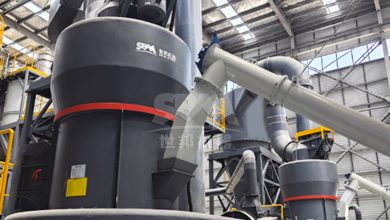
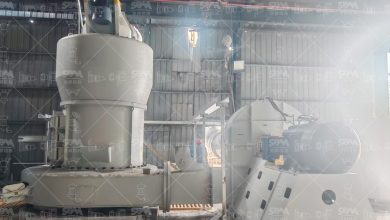
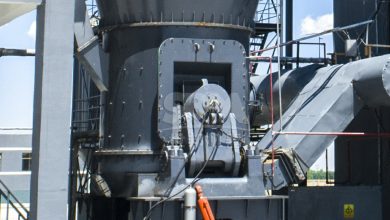
- Grinding: The crushed material is then ground using industrial mills to achieve the desired fineness. This is where our SCM Series Ultrafine Mill and MTW Series European Trapezium Mill play a critical role.
- Calcination (Optional): For certain high-grade kaolin applications, calcination at temperatures between 600-900°C is performed to remove carbon impurities and enhance whiteness.
- Classification: Air classifiers or vibrating screens are used to separate particles into different size fractions.
- Purification: Magnetic separation, chemical leaching, or flotation may be employed to remove iron and other impurities.
- Product Collection: Finished kaolin powder is collected via cyclone collectors and pulse dust removal systems.
Stage 1: Crushing Equipment for Raw Coal Gangue
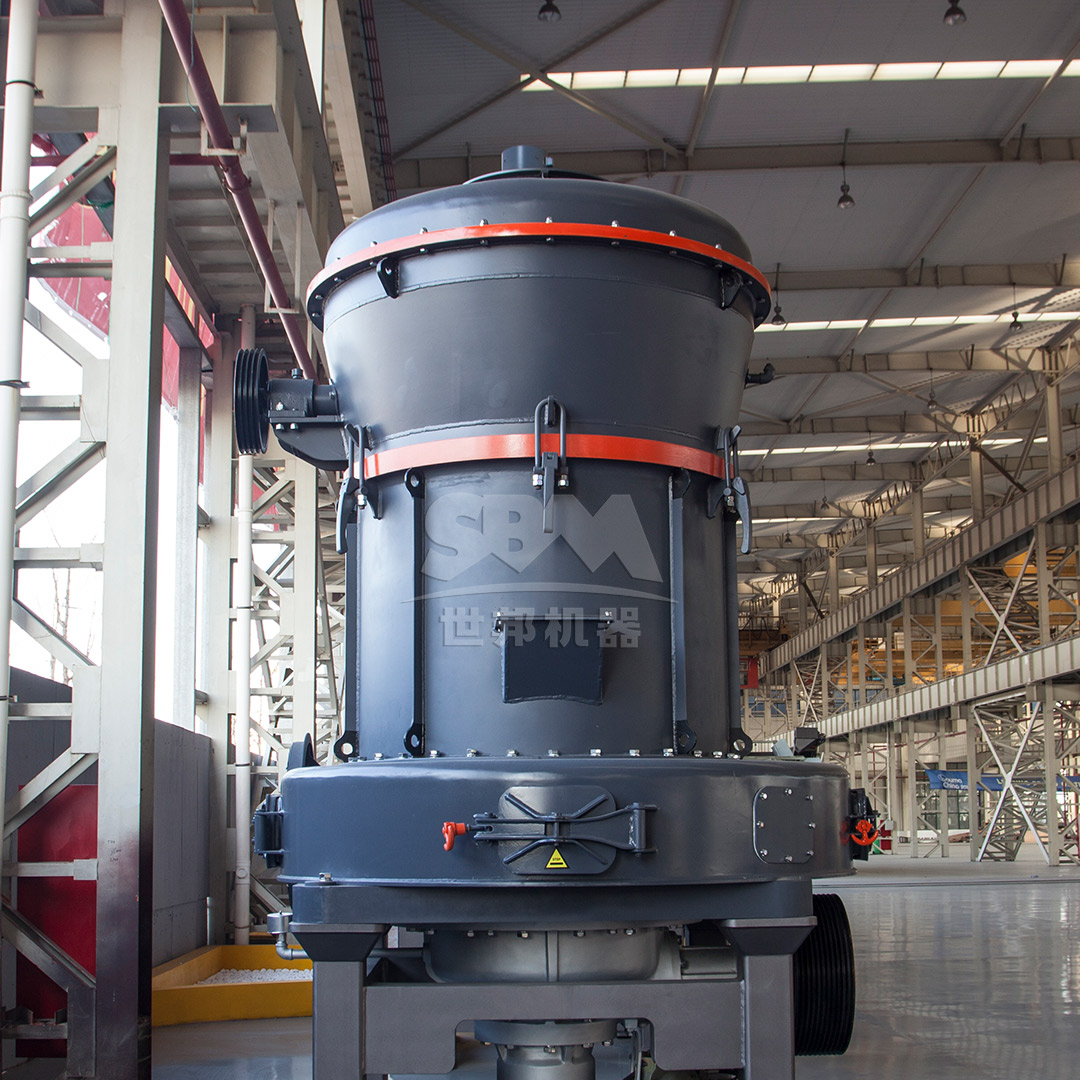
The first step in the coal gangue to kaolin production line is crushing. Due to the relatively hard nature of coal gangue, a robust crushing system is essential. Our company offers the Hammer Mill (PC Series), which is specifically designed for high-capacity crushing of medium-hard materials.
The PC Series Hammer Mill features a feed size of 0-40mm and can reduce materials to 0-3mm in a single pass. With models ranging from PC4008-75 (8-15 t/h) to PC4015-132 (40-70 t/h), this equipment provides an ideal primary crushing solution. The high manganese steel liners ensure long service life, while the optimized crushing cavity guarantees high reduction ratios and consistent output.
Stage 2: Grinding Equipment—The Heart of Kaolin Production
Grinding is the most critical stage in converting coal gangue to kaolin. The particle size, particle size distribution, and surface properties of the ground powder directly determine the quality and application value of the final kaolin product. For this stage, we recommend two of our most advanced milling solutions:
SCM Series Ultrafine Mill (45-5μm)
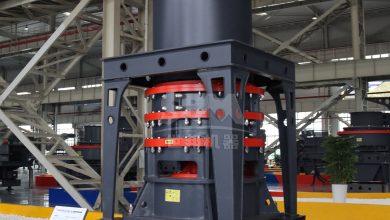
The SCM Series Ultrafine Mill is a state-of-the-art grinding equipment designed for producing ultrafine powders with exceptional efficiency. It is particularly suitable for processing coal gangue into high-quality kaolin with fineness ranging from 325 to 2500 mesh.
Key Technical Advantages:
- High Efficiency & Energy Saving: The SCM Series boasts a capacity twice that of traditional jet mills while consuming 30% less energy. The intelligent control system with automatic finished product granularity feedback ensures optimal grinding conditions at all times.
- High-Precision Classification: The vertical turbine classifier achieves precise particle size cutting, eliminating coarse powder mixing and ensuring uniform finished products. This is particularly important for kaolin applications where consistent particle size is critical.
- Durable Design: Special material rollers and rings extend service life several times over compared to conventional grinding elements. The shaftless screw grinding chamber ensures stable operation even under continuous heavy-duty conditions.
- Eco-friendly & Low Noise: The pulse dust collection system exceeds international standards for particulate emissions, while the soundproof room design keeps noise levels well within regulatory limits.
Working Principle: The main motor drives three layers of grinding rings to rotate. Materials are dispersed into the grinding path by centrifugal force, crushed by roller pressure, and ground layer by layer. Finally, powder collection is completed by a cyclone collector and a pulse dust removal system.
Available Models:
- SCM800: Capacity 0.5-4.5 t/h | Main Power 75 kW | Fineness 325-2500 mesh
- SCM900: Capacity 0.8-6.5 t/h | Main Power 90 kW | Fineness 325-2500 mesh
- SCM1000: Capacity 1.0-8.5 t/h | Main Power 132 kW | Fineness 325-2500 mesh
- SCM1250: Capacity 2.5-14 t/h | Main Power 185 kW | Fineness 325-2500 mesh
- SCM1680: Capacity 5.0-25 t/h | Main Power 315 kW | Fineness 325-2500 mesh
MTW Series European Trapezium Mill (600-45μm)
For medium-to-large scale kaolin production, the MTW Series European Trapezium Mill offers an excellent combination of capacity, efficiency, and reliability. With output fineness ranging from 30 to 325 mesh (down to 0.038mm), it is ideal for producing standard-grade kaolin products.
Key Technical Advantages:
- Anti-wear Shovel Design: Combined shovel blades reduce maintenance costs, while the curved design extends grinding roller life significantly.
- Optimized Arc Air Duct: Reduces airflow energy loss and improves transmission efficiency. High-strength guard plates protect the air duct working surface from wear.
- Integral Bevel Gear Drive: Transmission efficiency up to 98%, saving space and reducing installation costs compared to traditional belt-driven systems.
- Wear-resistant Volute Structure: Non-resistance flow design improves air selection efficiency, and maintenance costs are reduced by 30%.
Working Principle: The main motor drives the grinding rollers to revolve around the central axis while self-rotating to generate centrifugal force. Shovels throw materials between the ring and rollers to form a material layer, achieving efficient crushing through extrusion. The classification system precisely controls the finished product size.
Available Models:
- MTW110: Capacity 3-9 t/h | Main Power 55 kW | Fineness 10-325 mesh
- MTW138Z: Capacity 6-17 t/h | Main Power 90 kW | Fineness 10-325 mesh
- MTW175G: Capacity 9.5-25 t/h | Main Power 160 kW | Fineness 10-325 mesh
- MTW215G: Capacity 15-45 t/h | Main Power 280 kW | Fineness 10-325 mesh
Stage 3: Auxiliary Equipment and System Integration
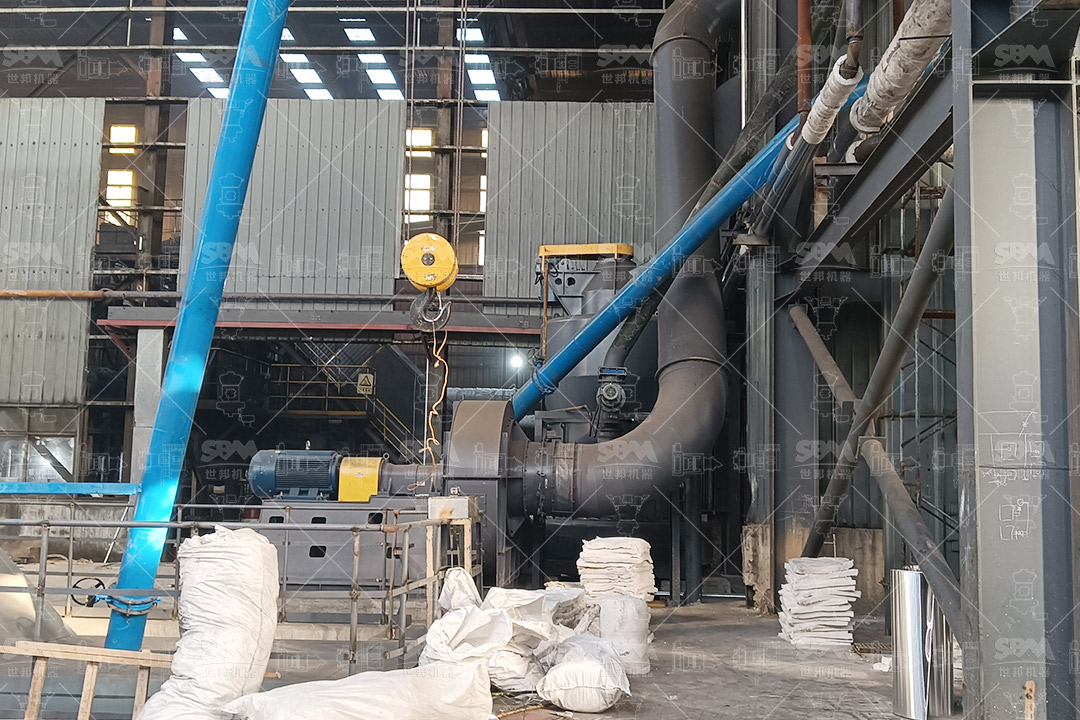
A complete coal gangue to kaolin production line requires more than just crushing and grinding equipment. Our company provides comprehensive system integration services, including:
- Feeders: GZ series electromagnetic vibrating feeders ensure stable and continuous material supply to the mill.
- Classifiers: Dynamic classifiers with multi-stage adjustment technology provide precise control over finished product fineness.
- Dust Collectors: Pulse dust removal systems with efficiency exceeding international standards ensure environmental compliance.
- Cyclone Collectors: High-efficiency cyclone separators recover fine powder from the airflow.
- Control Systems: PLC-based intelligent control systems with remote monitoring capabilities for optimal process management.
Stage 4: Quality Control and Product Testing
To ensure that the final kaolin product meets the required specifications, comprehensive quality control measures must be implemented throughout the production process. Key parameters to monitor include:
- Particle Size Distribution: Laser particle size analyzers provide real-time feedback on grinding efficiency.
- Whiteness: Spectrophotometers measure the whiteness index, which is critical for ceramic and paper applications.
- Chemical Composition: XRF analysis ensures that impurity levels (particularly iron and titanium) remain within acceptable limits.
- Moisture Content: Moisture analyzers verify that the final product meets dryness specifications.
Applications of Kaolin Derived from Coal Gangue
Kaolin produced from coal gangue through our recommended equipment and process can be used in a wide range of applications:
- Ceramics: As a key raw material for porcelain, sanitaryware, and tiles.
- Paper: As a coating pigment and filler to improve paper brightness and printability.
- Rubber and Plastics: As a reinforcing filler to enhance mechanical properties.
- Refractories: As a high-temperature resistant material for kiln linings and crucibles.
- Paints and Coatings: As an extender pigment to improve opacity and durability.
- Catalysts: As a catalyst carrier in petroleum refining and chemical processing.
Environmental and Economic Benefits
The conversion of coal gangue to kaolin offers significant environmental and economic benefits:
- Waste Reduction: Utilizes a problematic solid waste stream, reducing land disturbance and pollution.
- Resource Recovery: Extracts valuable minerals from what would otherwise be discarded material.
- Energy Efficiency: Our SCM and MTW mills are designed for low energy consumption, reducing operational costs.
- Economic Viability: High-value kaolin products command premium prices in domestic and international markets.
- Regulatory Compliance: Meets increasingly stringent environmental regulations for industrial emissions and waste management.
Conclusion: Partnering for Success
The conversion of coal gangue to kaolin represents a sustainable and profitable business opportunity. The choice of grinding equipment is perhaps the single most important decision in establishing a successful production line. Our SCM Series Ultrafine Mill and MTW Series European Trapezium Mill offer the performance, reliability, and efficiency required to produce high-quality kaolin from coal gangue at competitive costs.
With decades of experience in industrial milling and a commitment to technological innovation, our company provides not only equipment but also complete process design, installation, commissioning, and after-sales support. We invite you to contact our technical team to discuss your specific coal gangue to kaolin project requirements and to receive a customized solution tailored to your production capacity, target fineness, and budget.
Together, we can turn coal gangue—an environmental liability—into a valuable industrial asset, contributing to the circular economy and sustainable development of the mining and minerals industry.