Current Development Status Analysis of the Artificial Quartz Stone Production Line Industry
Introduction: The Rise of Artificial Quartz Stone
In recent decades, the construction and interior design industries have witnessed a remarkable shift toward engineered stone materials. Among these, artificial quartz stone has emerged as a dominant force, prized for its superior hardness, non-porous surface, and aesthetic versatility. Unlike natural stone, which suffers from unpredictable veining and structural flaws, artificial quartz stone offers consistent quality, a wide range of colors, and enhanced durability. This has fueled a booming global market, with production lines being established across Asia, Europe, and the Americas. The current development status of the artificial quartz stone production line industry is characterized by rapid technological upgrades, a push for energy efficiency, and an increasing emphasis on automation and fine powder processing.
Market Dynamics and Production Trends
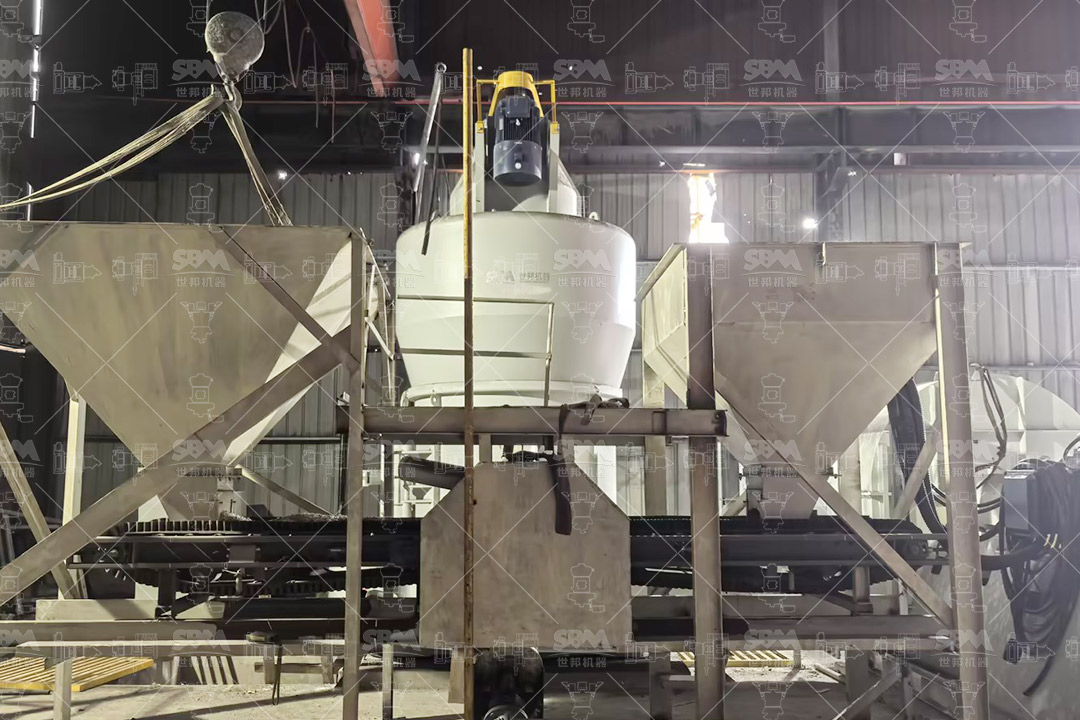
According to recent industry reports, the global artificial quartz stone market is projected to grow at a CAGR of over 6% through 2030. This growth is driven by surging demand from residential and commercial construction, particularly for kitchen countertops, bathroom vanities, and flooring. As a result, manufacturers are investing heavily in complete production lines that integrate raw material preparation, mixing, pressing, curing, and polishing. A critical bottleneck, however, lies in the fine grinding of quartz aggregates and fillers. The quality of the final slab depends heavily on the particle size distribution of the quartz powder, which typically requires grinding to 325 mesh (45μm) or finer. This is where advanced milling equipment becomes indispensable.
Key Challenges in the Industry
Despite the optimistic outlook, the artificial quartz stone production line industry faces several challenges. First, energy costs are rising, pushing manufacturers to seek more efficient grinding and mixing solutions. Second, the demand for ultrafine quartz powder (down to 5μm) for high-end applications requires precise classification and minimal contamination. Third, environmental regulations are tightening, mandating dust collection systems that exceed international standards. Fourth, wear and tear on equipment is a major operational cost, as quartz is highly abrasive. Addressing these challenges requires a new generation of production machinery that combines high capacity, low energy consumption, and long service life.
Technological Advancements in Grinding Equipment
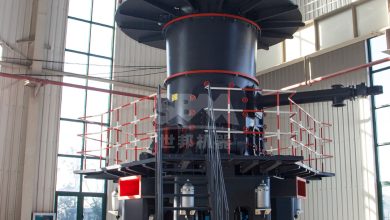
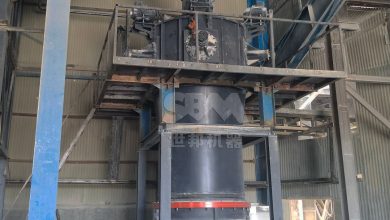
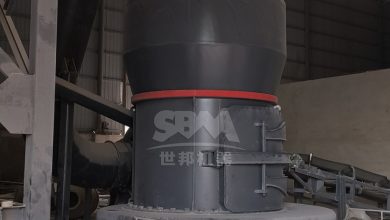
To meet the stringent requirements of artificial quartz stone production, leading equipment manufacturers have developed specialized ultrafine mills and vertical roller mills. These machines must handle feed sizes up to 20-50mm and reduce them to 325-2500 mesh while maintaining consistent output. The integration of intelligent control systems, such as automatic finished product granularity feedback, has become a standard feature. Moreover, the use of wear-resistant materials for rollers and rings has extended maintenance intervals, reducing downtime. In this context, one notable solution is the SCM Series Ultrafine Mill, which has been widely adopted in quartz stone production lines for its ability to deliver 325-2500 mesh powder with capacities ranging from 0.5 to 25 t/h.
Product Recommendation: SCM Series Ultrafine Mill
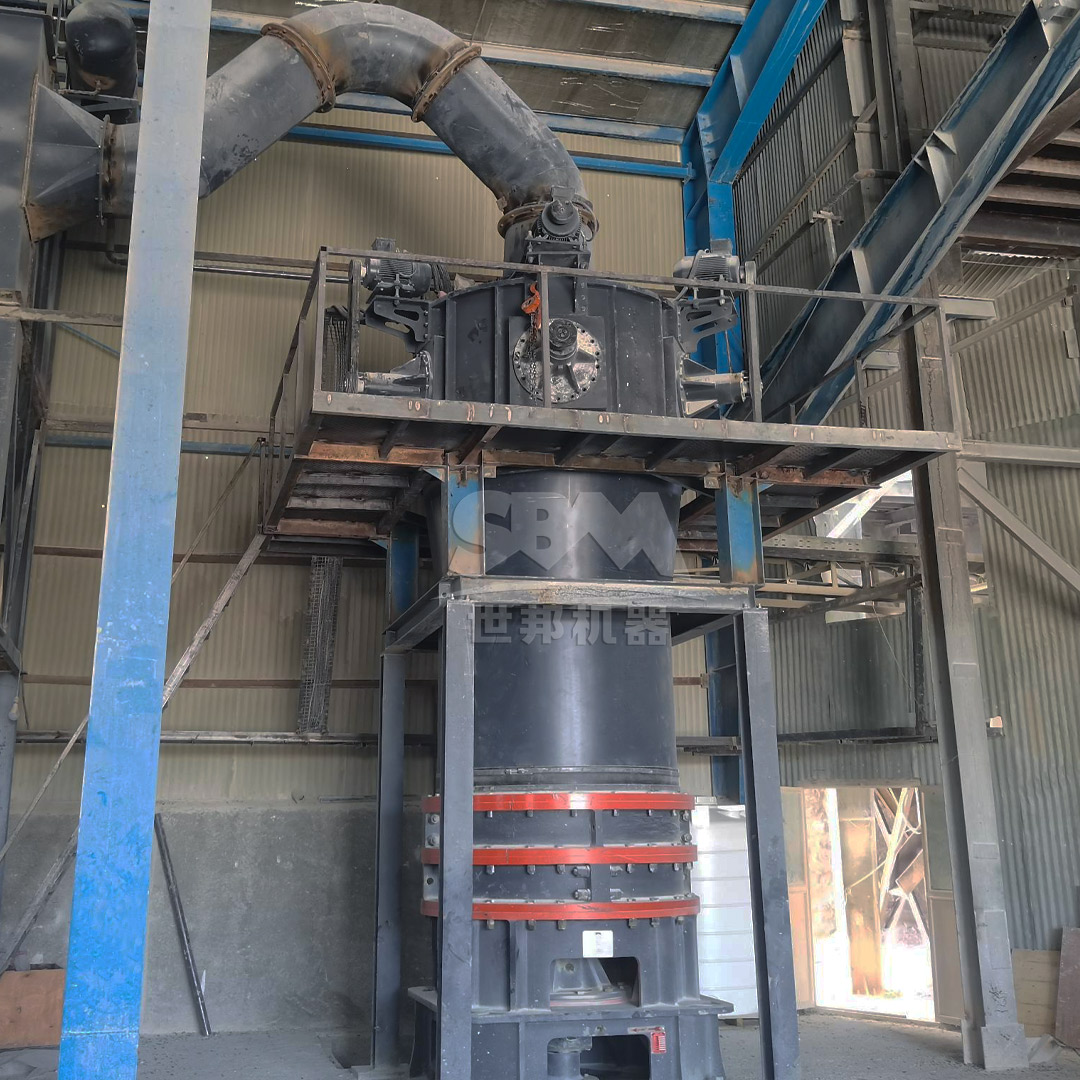
The SCM Series Ultrafine Mill is specifically engineered for the fine and ultrafine grinding of non-metallic minerals, including quartz. Its technical advantages align perfectly with the needs of the artificial quartz stone industry. The mill features a vertical turbine classifier that achieves precise particle size cutting, ensuring no coarse powder mixing and uniform finished products. The capacity is twice that of traditional jet mills, while energy consumption is reduced by 30%. The intelligent control system with automatic granularity feedback guarantees consistent quality. Durable design elements, such as special material rollers and rings, extend service life several times over. Additionally, the pulse dust collection efficiency exceeds international standards, and the soundproof room design ensures low noise operation. For quartz stone producers aiming to optimize their powder preparation stage, the SCM Series is a compelling choice. Model SCM800 offers 0.5-4.5t/h, while the largest SCM1680 delivers 5.0-25t/h, covering a wide range of production scales.
Alternative Solutions for Coarser Grinding
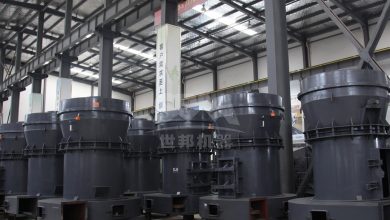
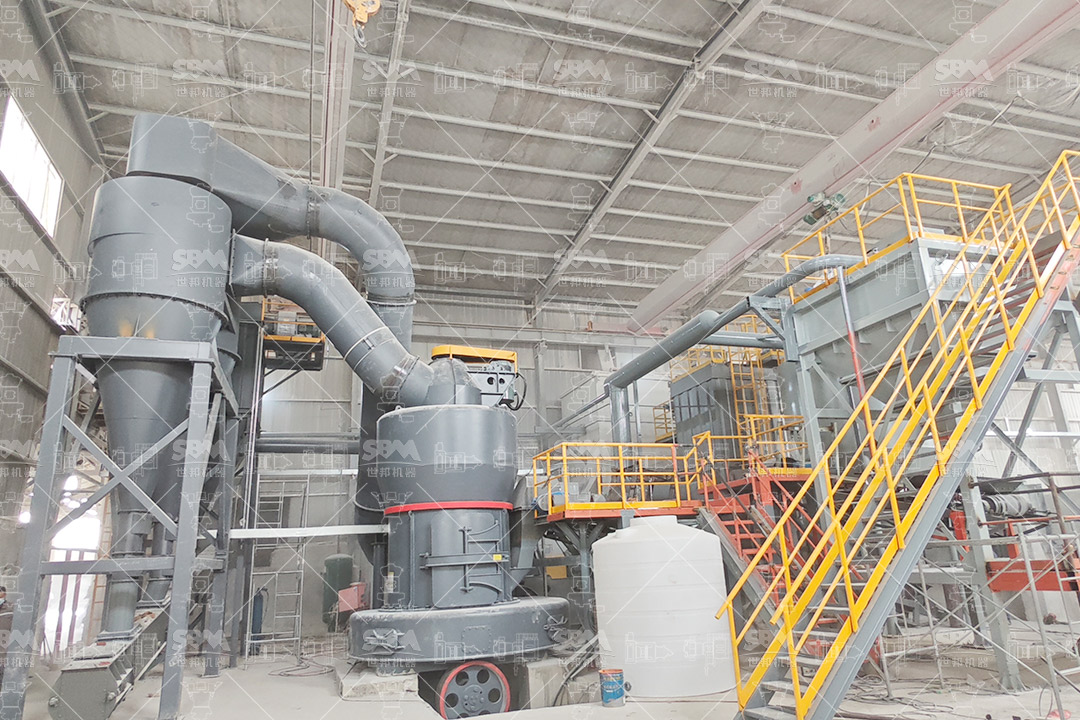
While ultrafine grinding is critical for the fine filler fraction, the artificial quartz stone production line also requires coarser grinding for aggregates and other raw materials. For this purpose, the MTW Series European Trapezium Mill is an excellent option. It processes materials up to 50mm and produces 30-325 mesh powder with capacities from 3 to 45 t/h. Its anti-wear shovel design and optimized arc air duct reduce maintenance costs and energy loss. The integral bevel gear drive achieves 98% transmission efficiency, saving space and installation costs. With patented technologies such as the internal suction oil lubrication system and advanced pulse dust removal, the MTW Series is both reliable and eco-friendly. For quartz stone manufacturers who need a robust, high-capacity mill for intermediate grinding stages, the MTW Series complements the SCM ultrafine mill perfectly.
Comparative Analysis of Milling Technologies
When evaluating milling equipment for artificial quartz stone production lines, several parameters must be considered: fineness range, capacity, energy consumption, wear part life, and automation level. The SCM Series excels in ultrafine applications (down to 5μm) and offers high efficiency, making it ideal for the fine powder fraction. The MTW Series, on the other hand, is more suited for medium-fine grinding (down to 45μm) and larger capacities. Other options like the LM vertical roller mill can handle up to 250 t/h but may require higher capital investment. The LUM ultrafine vertical mill is another contender for 325-2500 mesh, but its capacity range (1.6-15 t/h) is lower than the SCM. Ultimately, the choice depends on the specific particle size distribution required by the quartz slab formulation.
Future Outlook and Industry 4.0 Integration
The future of the artificial quartz stone production line industry will be shaped by digitalization and sustainability. Smart factories will use IoT sensors to monitor mill performance, predict maintenance needs, and optimize energy use. Equipment manufacturers are already incorporating remote monitoring and expert control systems. For example, the SCM Series can be integrated into a central control room, allowing operators to adjust fineness in real time. Moreover, the push for zero-waste production will drive further adoption of high-efficiency dust collectors and noise reduction technologies. As the demand for large-format quartz slabs grows, production lines will become larger and more automated, requiring mills that can operate 24/7 with minimal downtime.
Conclusion
The artificial quartz stone production line industry is in a phase of dynamic growth, driven by construction demand and technological innovation. The current development status indicates a clear trend toward finer grinding, higher energy efficiency, and smarter control. To remain competitive, manufacturers must invest in advanced milling solutions that deliver consistent quality and low operating costs. The SCM Series Ultrafine Mill and the MTW Series European Trapezium Mill represent two of the most reliable and efficient options available today. By integrating these machines into their production lines, quartz stone producers can achieve the ultrafine and medium-fine powder specifications required for premium slabs, while also meeting environmental and productivity targets. As the industry evolves, partnerships with equipment suppliers who offer patented, field-proven technologies will be essential for success.