Fluorite Grinding Mill Production Line: Complete Guide & Equipment Selection
Introduction to Fluorite and Its Industrial Importance
Fluorite (CaF₂), also known as fluorspar, is a vital non-metallic mineral resource with extensive applications across metallurgy, chemical engineering, glass manufacturing, ceramics, and optical industries. As the primary source of fluorine in industrial processes, fluorite plays an irreplaceable role in producing hydrofluoric acid, aluminum fluoride, and various fluorine-based chemicals. The global demand for high-purity fluorite powder has been steadily increasing, driven by the rapid development of new energy sectors including lithium-ion batteries, semiconductors, and photovoltaic materials.
Processing fluorite ore into fine powder requires a sophisticated grinding production line that can handle the material’s moderate hardness (Mohs 4) while achieving the desired fineness and purity. This comprehensive guide explores the complete fluorite grinding mill production line, from raw material preparation to finished product collection, and provides expert recommendations for equipment selection based on different production requirements.
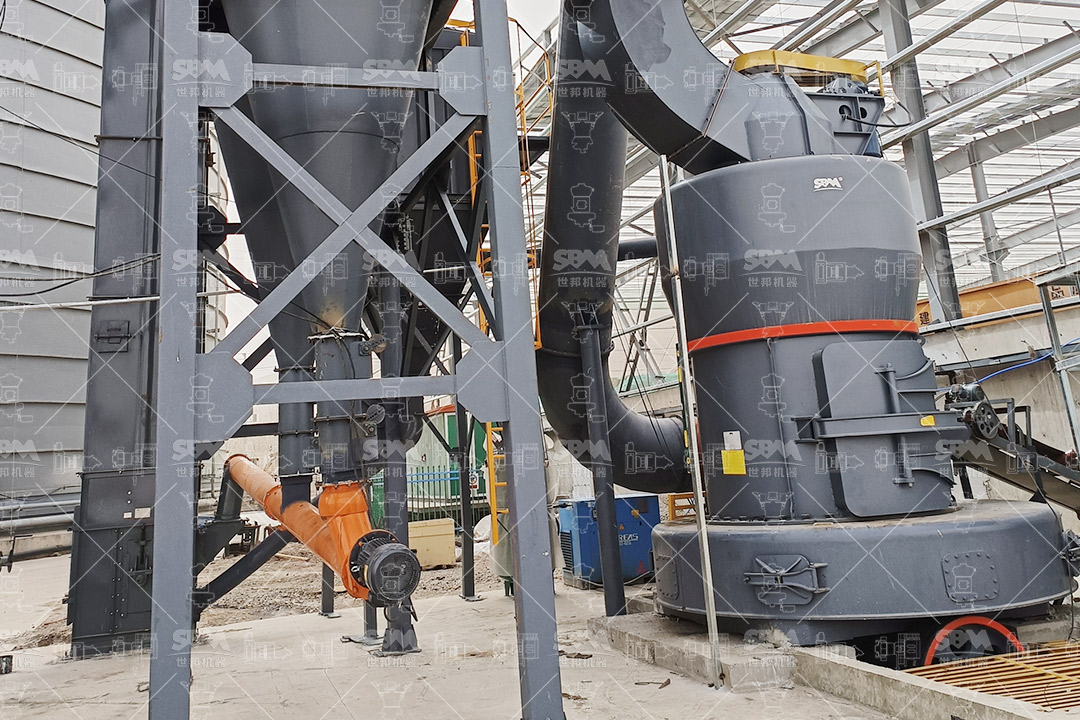
Fluorite Grinding Production Line Overview
A complete fluorite grinding production line typically consists of several key stages: crushing, feeding, grinding, classification, powder collection, and packaging. The specific configuration depends on factors such as the raw material’s moisture content, desired output fineness, production capacity, and the end-use application of the fluorite powder.
Crushing and Pre-grinding Stage
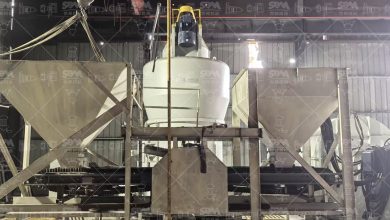
Raw fluorite ore is first crushed using jaw crushers or hammer mills to reduce the material size to below 20-50mm, depending on the grinding mill’s feed size requirements. For large-scale operations, a Hammer Mill such as our PC4012-90 model (15-40t/h, 90kW) can efficiently reduce fluorite ore to 0-3mm, preparing it for subsequent grinding stages. The crushed material is then stored in a silo or hopper before being fed into the grinding mill via an electromagnetic vibrating feeder.
Grinding and Classification Stage
This is the core of the production line, where the actual size reduction takes place. Different types of grinding mills are suitable for different fineness requirements and production capacities. The ground powder is simultaneously classified by the mill’s internal or external classifier, ensuring that only particles meeting the target fineness are discharged while coarse particles return for further grinding.
Collection and Packaging Stage
Finished fluorite powder is collected through a pulse dust removal system and cyclone collector, then transported to a finished product silo for storage or directly to a packaging machine for bagging. Modern production lines incorporate automated control systems to monitor and adjust parameters in real-time, ensuring consistent product quality.
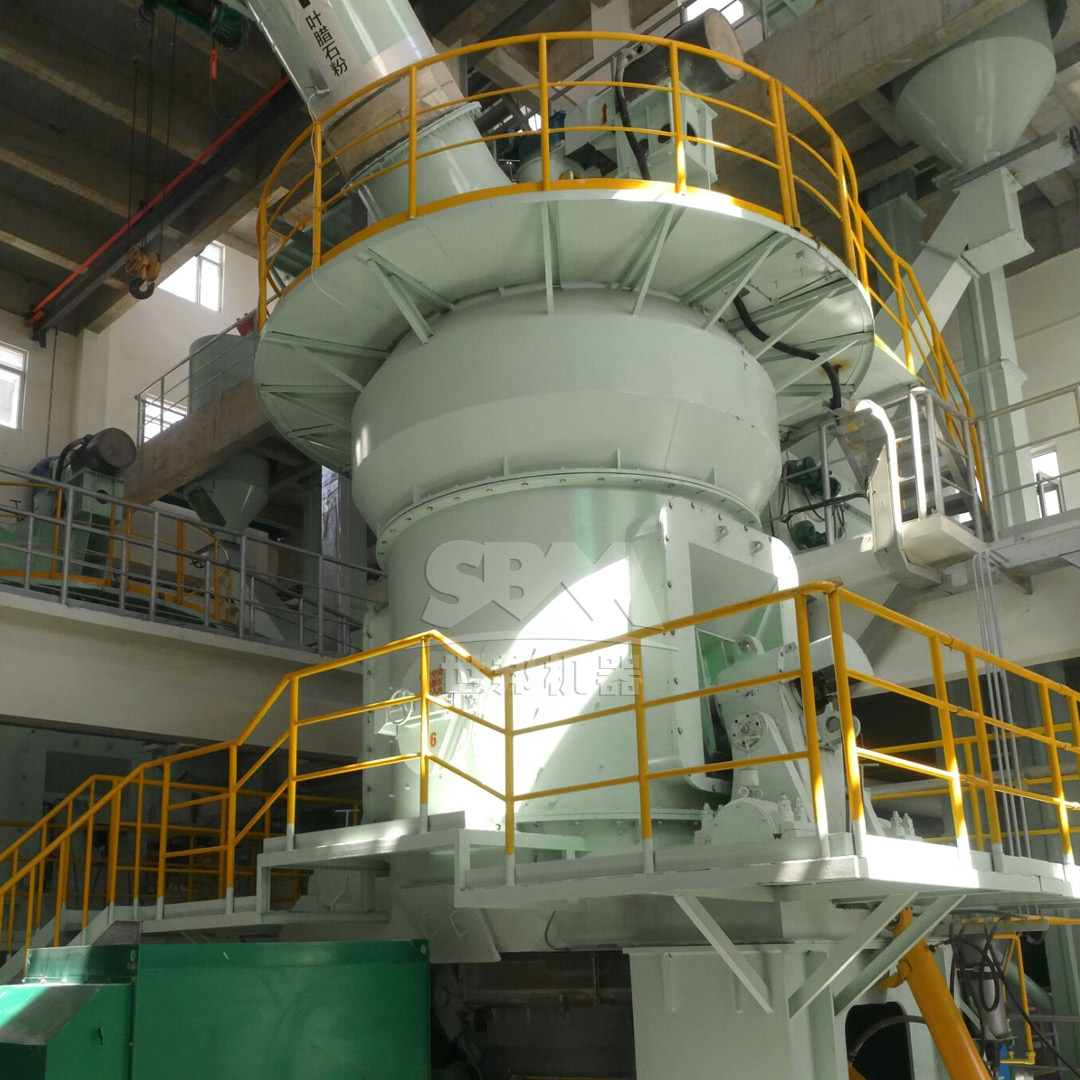
Equipment Selection for Fluorite Grinding
Selecting the right grinding mill for fluorite processing depends primarily on the target fineness and production capacity. Below are detailed recommendations based on our company’s proven equipment solutions.
Fine Grinding: MTW Series European Trapezium Mill
For fluorite powder production in the 30-325 mesh range (down to 0.038mm), the MTW Series European Trapezium Mill is an excellent choice. This mill is particularly well-suited for medium-fine fluorite powder used in metallurgical flux, glass manufacturing, and ceramic applications.
Why MTW for Fluorite?
- Anti-wear Shovel Design: The combined shovel blades and curved design significantly extend grinding roller life, which is crucial when processing abrasive materials like fluorite.
- Optimized Arc Air Duct: Reduces airflow energy loss and improves transmission efficiency, resulting in lower energy consumption per ton of product.
- Integral Bevel Gear Drive: Transmission efficiency up to 98%, saving space and reducing installation costs.
- Wear-resistant Volute Structure: Non-resistance flow design improves air selection efficiency and reduces maintenance costs by 30%.
The MTW series offers multiple models to match various production scales. For a medium-scale fluorite grinding line, the MTW138Z (6-17t/h, 90kW main power, fineness 10-325 mesh) is a popular choice. For larger operations, the MTW215G (15-45t/h, 280kW main power) delivers exceptional capacity while maintaining precise fineness control. Both models feature our patented internal suction oil lubrication system and internationally advanced pulse dust removal technology, ensuring clean and reliable operation.
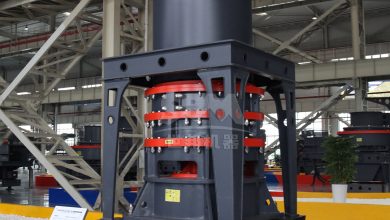
Ultrafine Grinding: SCM Series Ultrafine Mill
For high-purity fluorite powder applications requiring fineness between 325-2500 mesh (45-5μm), such as in optical glass, high-performance lubricants, or specialty chemical production, the SCM Series Ultrafine Mill is the ideal solution.
Key Advantages for Fluorite Ultrafine Grinding:
- High Efficiency & Energy Saving: Capacity is twice that of jet mills with 30% lower energy consumption, making it highly cost-effective for ultrafine fluorite production.
- High-Precision Classification: The vertical turbine classifier achieves precise particle size cutting with no coarse powder mixing, ensuring uniform finished products essential for high-end applications.
- Durable Design: Special material rollers and rings extend service life several times over, while the shaftless screw grinding chamber ensures stable operation.
- Eco-friendly & Low Noise: Pulse dust collection efficiency exceeds international standards, and the soundproof room design ensures noise levels remain well within regulatory limits.
For a typical ultrafine fluorite production line targeting 800-1250 mesh, the SCM1000 (1.0-8.5t/h, 132kW) or SCM1250 (2.5-14t/h, 185kW) models provide excellent balance between capacity and fineness. The intelligent control system with automatic finished product granularity feedback ensures consistent quality without constant operator intervention.
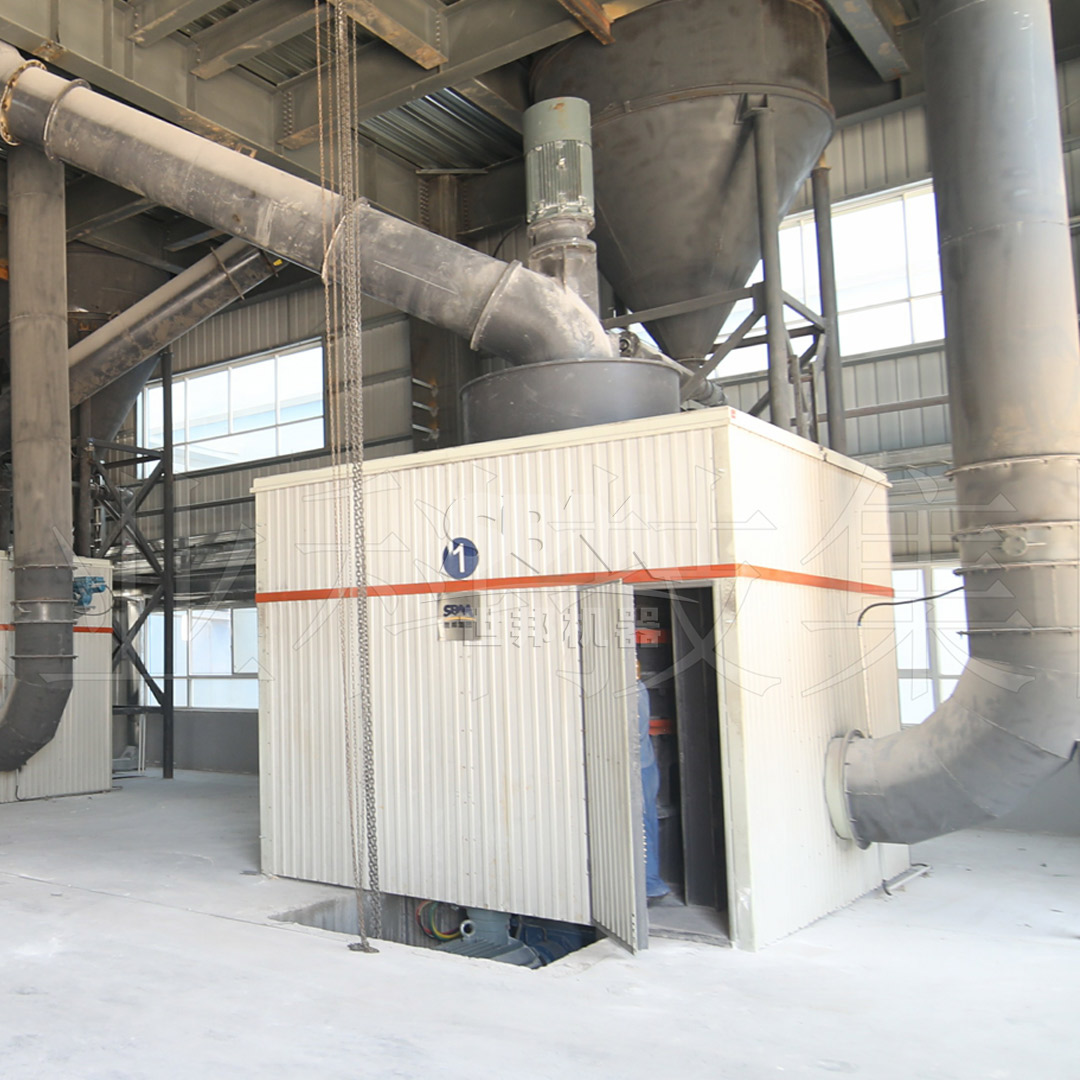
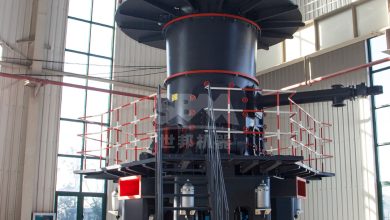
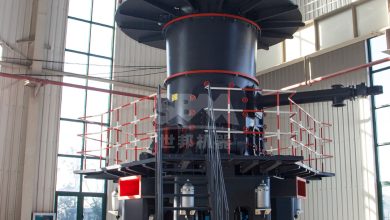
Large-Scale Fluorite Processing: LM Series Vertical Roller Mill
For very large-scale fluorite grinding operations (up to 250 t/h), the LM Series Vertical Roller Mill offers unmatched efficiency and cost savings. Its integrated design combines crushing, grinding, and selection functions, reducing floor space by 50% and allowing outdoor installation that cuts infrastructure costs by 40%.
The LM series features non-contact design between rollers and table, increasing wear part life by 3x, while energy consumption is 30-40% lower than traditional ball mill systems. For fluorite processing, the LM170K (18-48t/h, 400kW) and LM220K (36-105t/h, 800kW) are particularly suitable, offering fineness adjustment from 170-45μm. The expert-level auto-control system supports remote/local switching and real-time monitoring, minimizing manual intervention.
Complete Production Line Configuration Example
To illustrate a typical fluorite grinding production line, consider a facility targeting 10 t/h of 325-mesh fluorite powder:
- Crushing: Jaw crusher + Hammer Mill PC4008-75 (8-15t/h)
- Feeding: Electromagnetic vibrating feeder GZ3F
- Grinding: MTW138Z European Trapezium Mill (6-17t/h, 90kW)
- Classification: Integrated high-efficiency classifier
- Dust Collection: Pulse dust removal system
- Packaging: Automatic packing machine
For ultrafine applications requiring 1250-mesh product, replace the MTW mill with an SCM1000 ultrafine mill and adjust the feeding and collection systems accordingly.
Key Factors in Equipment Selection
Material Characteristics
Fluorite’s moderate hardness and relatively low abrasiveness make it suitable for a wide range of grinding equipment. However, trace impurities and moisture content can affect mill performance and product purity. Our engineers recommend conducting material testing before finalizing equipment selection.
Fineness Requirements
The target fineness directly determines the type of mill required:
- Coarse grinding (0-3mm): Hammer mill or ball mill
- Medium-fine grinding (30-325 mesh): MTW, MTM, or LM series
- Ultrafine grinding (325-2500 mesh): SCM or LUM series
Production Capacity
Capacity requirements influence model selection within a given mill series. Our product range covers from 0.5 t/h to over 250 t/h, ensuring that we can match any production scale.
Energy Efficiency and Environmental Compliance
Modern fluorite processing facilities must meet strict environmental standards. All our mills feature advanced pulse dust collection systems with efficiency exceeding international standards, and soundproof designs to minimize noise pollution.
Conclusion
Selecting the optimal fluorite grinding mill production line requires careful consideration of fineness requirements, production capacity, energy efficiency, and environmental compliance. Whether you need medium-fine fluorite powder for metallurgical applications or ultrafine powder for high-tech industries, our MTW Series European Trapezium Mill and SCM Series Ultrafine Mill offer proven, reliable solutions with advanced features including intelligent control, high-precision classification, and durable wear-resistant designs.
For large-scale operations, the LM Series Vertical Roller Mill provides unmatched capacity and energy savings. Our experienced engineering team can provide customized production line design, equipment selection consultation, and comprehensive after-sales support to ensure your fluorite grinding project achieves maximum efficiency and profitability.
Contact us today to discuss your specific fluorite processing requirements and receive a tailored equipment recommendation.