Ultra-Fine Vertical Grinding Mill for Calcium Carbonate: Key Advantages in Efficiency, Fineness, and Cost Savings
Introduction: The Growing Demand for Ultra-Fine Calcium Carbonate
Calcium carbonate (CaCO3) is one of the most widely used industrial minerals, serving as a crucial filler and coating pigment in industries such as paper, plastics, paints, rubber, and construction. As market requirements become increasingly stringent, the demand for ultra-fine calcium carbonate powder with a fineness of 325-2500 mesh (45-5 μm) has surged dramatically. Manufacturers are under constant pressure to improve production efficiency, achieve higher precision in particle size distribution, and reduce overall operational costs. In response to these challenges, the Ultra-Fine Vertical Grinding Mill has emerged as a game-changing solution, offering a perfect balance of advanced technology, robust performance, and economic viability. This article provides an in-depth analysis of the key advantages of ultra-fine vertical grinding mills specifically for calcium carbonate processing, with a focus on efficiency, fineness control, and cost savings.
Unmatched Efficiency: A Leap Forward in Grinding Technology
Efficiency in mineral grinding is not merely about throughput; it encompasses energy consumption per ton, operational stability, and the system’s ability to maintain consistent performance over extended periods. Traditional ball mills, while reliable, suffer from high energy consumption and significant wear and tear. Jet mills, on the other hand, offer ultra-fine grinding but are notoriously energy-intensive and costly to operate. The ultra-fine vertical grinding mill overcomes these limitations through several innovative design features.
First and foremost is the bed grinding principle. Unlike ball mills that rely on point-to-point impact, the vertical mill uses a grinding table and rollers to crush material in a material layer. This method is inherently more energy-efficient because it reduces metal-to-metal contact and concentrates grinding pressure directly onto the material bed. For calcium carbonate processing, this translates to a capacity that is twice that of jet mills while consuming 30% less energy. The intelligent control system further enhances efficiency by automatically adjusting operating parameters based on real-time feedback of the finished product’s granularity. This ensures that the mill operates at its optimal point at all times, avoiding over-grinding and unnecessary energy waste.
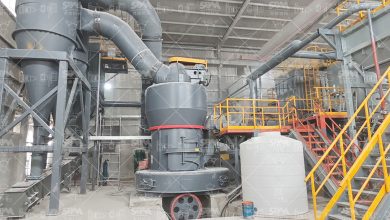
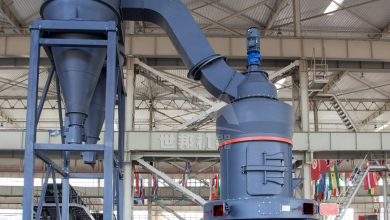
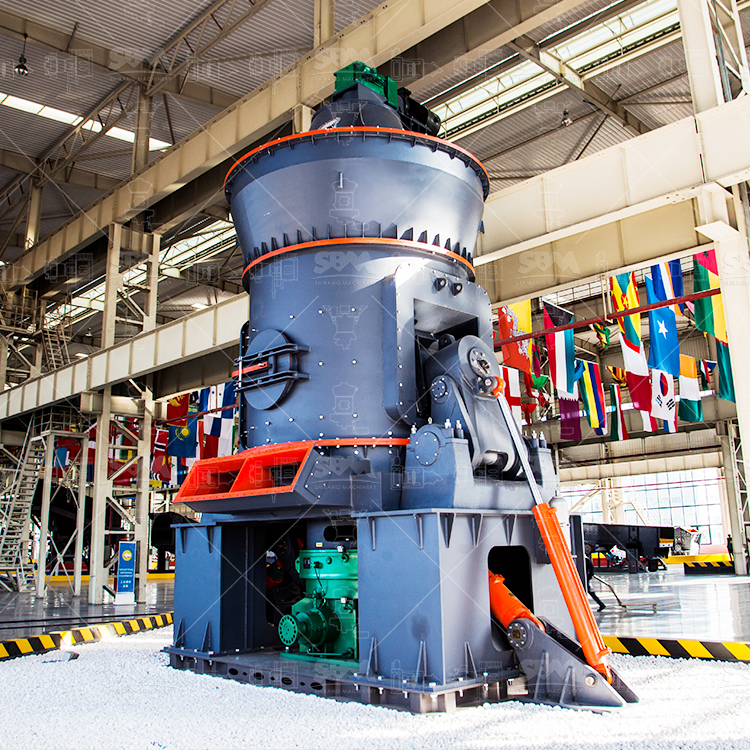
For large-scale operations where coarse to medium-fine grinding (600-45 μm) is required, our MTW Series European Trapezium Mill offers an exceptional solution. Featuring an optimized arc air duct and an integral bevel gear drive with transmission efficiency up to 98%, the MTW series is designed for high throughput and low energy loss. With capacities ranging from 3 to 45 tons per hour and a feed size of up to 50mm, it is an ideal choice for primary and secondary grinding stages in a calcium carbonate production line.
Precision Fineness: Achieving the Perfect Particle Size Distribution
For ultra-fine calcium carbonate applications, especially in the paper and plastics industries, the quality of the final product is determined not just by the average particle size but by the narrowness of the particle size distribution. Coarse powder contamination can ruin the gloss of coated paper or weaken the mechanical properties of plastic compounds. The ultra-fine vertical grinding mill excels in this area thanks to its high-precision classification system.
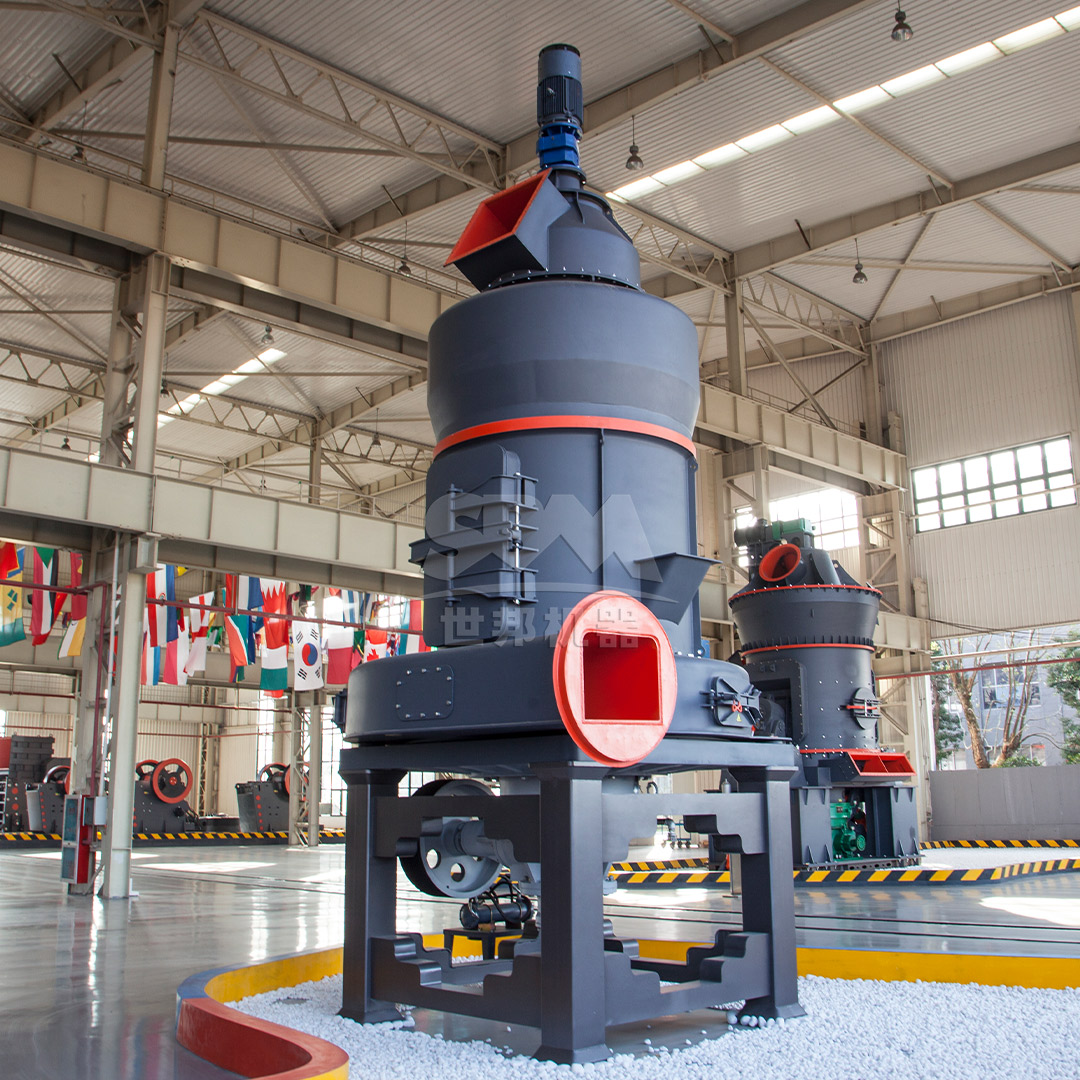
The vertical turbine classifier, a core component of the SCM series, employs advanced aerodynamic principles to achieve extremely sharp particle size cutting. Unlike traditional classifiers that can allow oversized particles to pass through, the vertical turbine classifier ensures that no coarse powder is mixed into the finished product. This results in a uniformly graded powder that meets the most demanding specifications. The output fineness is continuously adjustable from 325 to 2500 mesh (45-5 μm), giving operators complete flexibility to tailor the product to specific customer requirements. This level of control is essential for value-added products that command premium prices in the market.
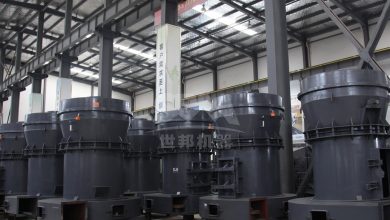
Our company proudly offers the SCM Series Ultrafine Mill, a dedicated solution for achieving the finest calcium carbonate powders. With a feed size of ≤20mm and a capacity of 0.5 to 25 tons per hour across five models (SCM800, SCM900, SCM1000, SCM1250, and SCM1680), the SCM series is engineered for ultra-fine grinding excellence. Its special material rollers and rings extend service life several times over, while the shaftless screw grinding chamber ensures stable and vibration-free operation even at high speeds.
Cost Savings and Durability: Lower Total Cost of Ownership
While initial capital investment is a critical consideration, the true measure of a mill’s economic value is its total cost of ownership (TCO) over its operational lifespan. The ultra-fine vertical grinding mill offers compelling advantages in this regard, significantly reducing operational expenses across multiple fronts.
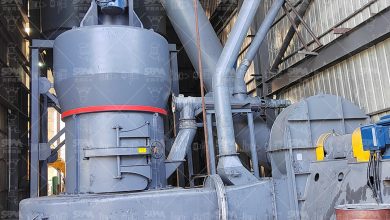
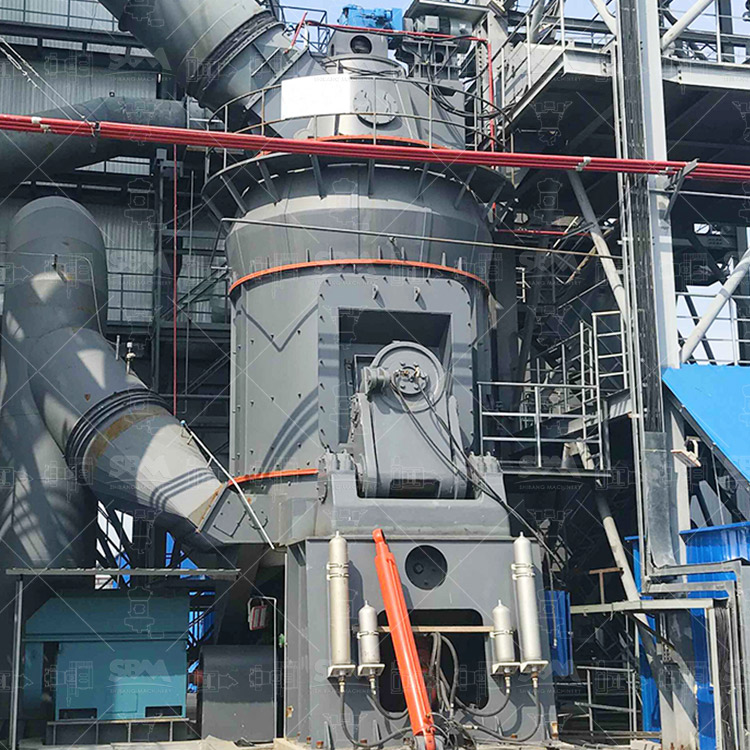
Wear parts longevity is a major cost factor in any grinding operation. Traditional mills often require frequent replacement of rollers, rings, and liners, leading to high maintenance costs and expensive downtime. The ultra-fine vertical mill addresses this with a durable design that uses special abrasion-resistant materials. The non-contact design between the grinding rollers and the table in larger models like the LM series means that wear is minimized, and the life of wear parts can be extended by three times or more compared to ball mills. Furthermore, the integrated design of many vertical mills combines crushing, grinding, and classification into a single system. This reduces the required floor space by up to 50% and lowers infrastructure costs by 40%.
Environmental compliance costs are also significantly reduced. Fully sealed negative pressure operation, combined with high-efficiency pulse dust collection systems, ensures that dust emissions meet or exceed international standards. This eliminates the need for expensive secondary dust collection equipment and avoids potential fines or shutdowns related to environmental violations. The soundproof room design further reduces noise levels, creating a safer and more comfortable working environment for operators.
Conclusion: The Future of Calcium Carbonate Grinding
In the competitive landscape of mineral processing, choosing the right grinding technology is paramount for business success. The ultra-fine vertical grinding mill represents the pinnacle of modern grinding technology, offering a unique combination of high efficiency, precise fineness control, and significant cost savings. Whether you require the ultra-fine capabilities of the SCM series for 2500 mesh powder, the versatile medium-grinding power of the MTW series, or the massive throughput of the LM series for large-scale operations, our range of mills is designed to meet the most demanding challenges.
By investing in advanced grinding technology, calcium carbonate producers can not only improve their product quality but also strengthen their market position through reduced operational costs and enhanced environmental performance. The move towards ultra-fine vertical grinding mills is not just a technological upgrade; it is a strategic decision for long-term growth and profitability. We invite you to explore our complete range of products and discover how we can help you optimize your calcium carbonate processing operations.