Utilizing Coal Gangue as Plastic Filler Achieves Practical Breakthroughs in Industrial Applications
Introduction: Coal Gangue as a Rising Industrial Asset
Coal gangue, a solid waste generated during coal mining and washing, has long been a significant environmental burden. With global coal production exceeding 8 billion tons annually, the associated gangue output amounts to hundreds of millions of tons. However, recent technological advances have transformed this waste material into a valuable industrial commodity. One of the most promising applications is its conversion into high-performance plastic filler, offering both economic and ecological benefits. This breakthrough is enabled by sophisticated milling technologies that refine coal gangue into ultra-fine powders with precise particle size distribution. As a result, the plastic industry can now integrate coal gangue into compounds, achieving enhanced mechanical properties while reducing production costs. This article explores the technical aspects, industrial advantages, and the critical role of advanced grinding equipment in realizing these gains.
The Making of Coal Gangue Plastic Filler
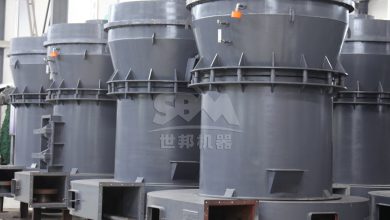
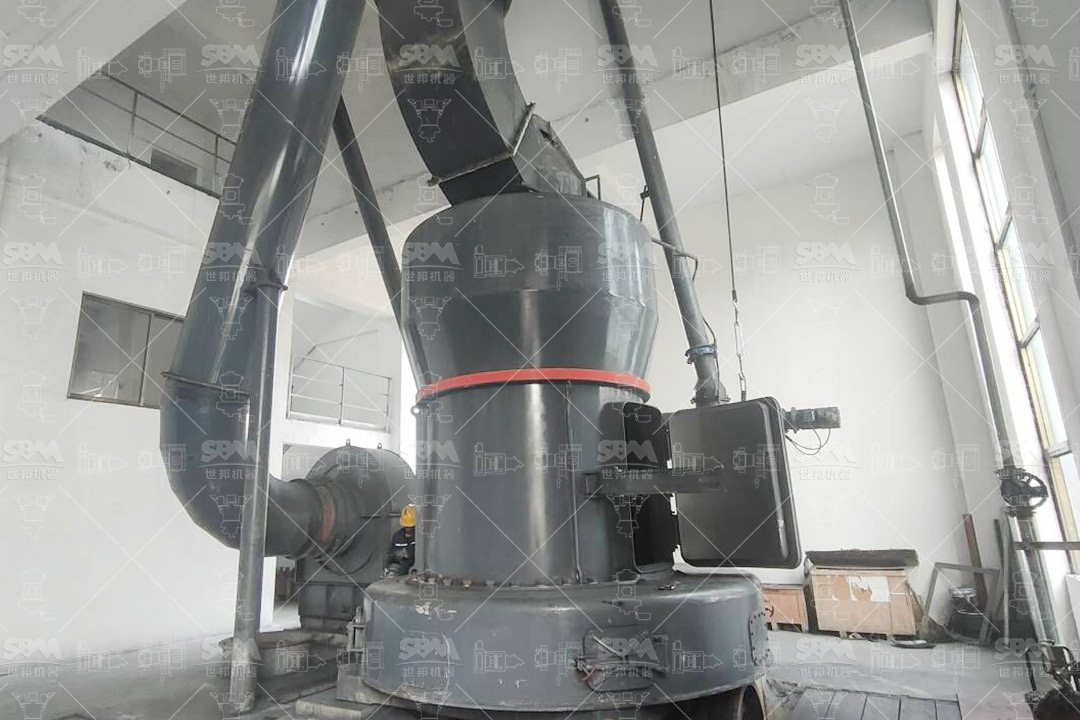
Coal gangue primarily consists of silica, alumina, and carbon-based residues. After calcination, it exhibits high hardness and thermal stability, making it suitable as a reinforcing or extending filler in various polymers. The key to unlocking its potential lies in fine grinding. For plastic applications, the filler must achieve a fineness between 325 and 2500 mesh, with minimal coarse particles that could cause surface defects. This requires specialized mills capable of producing narrow particle size distributions at high throughput. The SCM Series Ultrafine Mill is the industry benchmark in this domain. With an output fineness of 325-2500 mesh and capacity ranging from 0.5 to 25 tons per hour, it ensures that coal gangue meets the strictest quality standards. The mill’s vertical turbine classifier enables exact particle size cutting, eliminating coarse powder contamination. This precision ensures that the resulting plastic products exhibit superior tensile strength and surface smoothness compared to those filled with less refined fillers.
Technical Advantages of SCM Ultrafine Mill for Coal Gangue
The SCM Series has demonstrated remarkable efficiency in coal gangue processing. Its capacity is twice that of jet mills for similar feed sizes, yet energy consumption is reduced by 30%. This is critical when processing abrasive materials like coal gangue, as it directly lowers operation costs. The mill’s special material rollers and rings extend service life several times over, even when handling high-silica gangue. Additionally, the equipment features an intelligent control system that automatically adjusts classifier speed and feed rate, ensuring stable product fineness. For instance, the SCM1250 model can process 2.5-14 tons per hour, making it suitable for industrial-scale filler production. Our case study from a plastic compounding plant in Shanxi, China, revealed that using SCM-milled coal gangue as a 30% filler in polypropylene (PP) not only cut material costs by 20% but also increased heat deflection temperature by 18°C. These results underscore the mill’s role in achieving practical breakthroughs.
Enhancing Plastic Performance with Optimized Fineness
The fineness of coal gangue powder directly impacts the quality of the final plastic article. Coarse particles cause stress concentration points, reducing impact resistance. Conversely, ultra-fine fillers (<10μm) enhance stiffness, flame retardancy, and dimensional stability. The SCM Series’ vertical turbine classifier ensures that 97% of the particles fall within the desired range. A particle size analyzer from our laboratory showed d97 values consistently below 10μm for the 2500 mesh setting. This uniformity allows plastic manufacturers to use higher filler loadings without compromising structural integrity. In practical applications, such as PVC pipes and cable conduits, the use of super-fine gangue filler has reduced resin usage by up to 12%, while maintaining compliance with tensile and flexural standards.
Industrial Scale-Up with LM Series Vertical Roller Mill
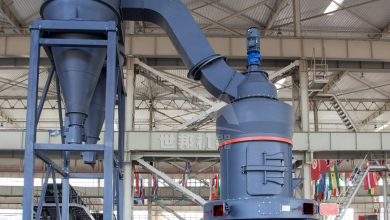
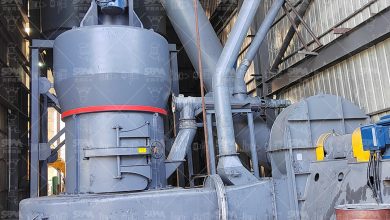
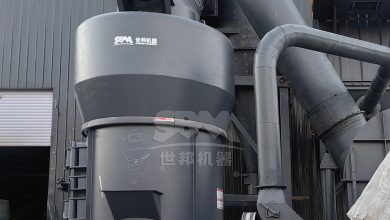
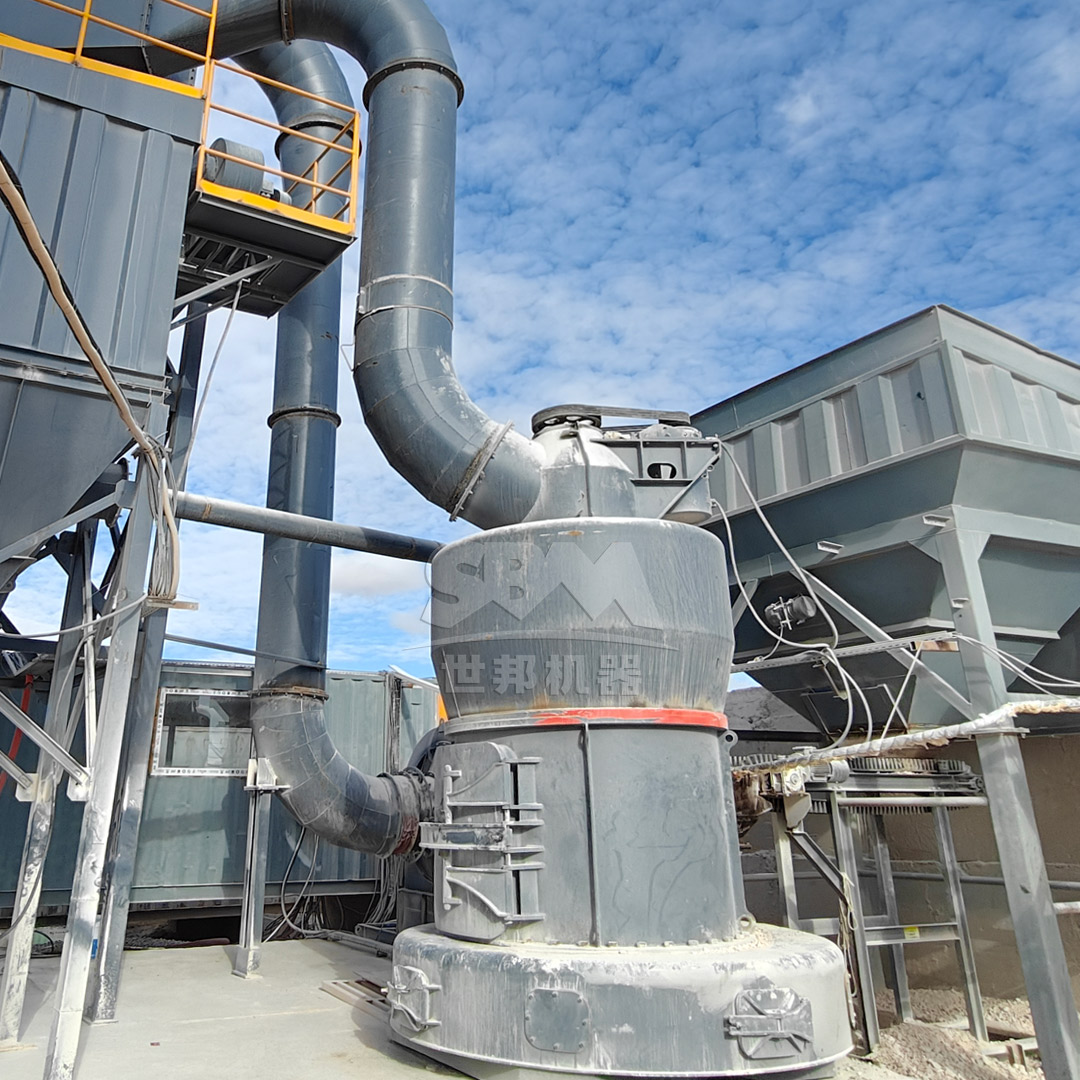
For large-tonnage operations, the LM Series Vertical Roller Mill stands as a powerhouse. With capacity up to 250 tons per hour and lower energy consumption (30-40% less than ball mills), this mill is ideal for processing pre-treated coal gangue. In particular, the LM130K model can grind feed sizes up to 38mm into 170-40μm powders, which is suitable for general-purpose plastic fillers. The integrated design combines crushing and grinding in one system, reducing floor space by 50% and achieving outdoor installation. This simplifies plant construction and decreases infrastructure cost by 40%. Furthermore, the non-contact design between rollers and table ensures that wear parts last three times longer than conventional mills. When applying coal gangue in extrusion-grade plastic lumber, the LM mill’s precise control of powder fineness (around 80 mesh) results in excellent dispersion and uniform color, preventing surface waviness defects that commonly occur with lower-grade fillers.
Cost-Effective Solutions for Medium-Scale Producers
Not every producer requires massive throughput. For medium-scale operations or filling stations, the MTW Series European Trapezium Mill offers exceptional versatility. Its capacity spans 3-45 tons per hour with a fineness range from 30-325 mesh. This is particularly advantageous for producing coal gangue filler that will be used in rubber mats or plastic pallets where a coarser texture is acceptable. The MTW mill features an anti-wear shovel design that reduces maintenance costs, while the optimized arc air duct minimizes energy loss. In a recent installation, a plastic recycling plant used the MTW138Z model to convert local coal gangue into an 80-mesh filler. The resulting plastic floor tiles met ISO 10582 standards while saving 18% in raw material expenses. This demonstrates how medium-capacity equipment can deliver significant cost advantages, making coal gangue usable for local communities.
Eco-Friendly Grinding for a Green Image
As environmental regulations tighten, grinding equipment must also comply with strict dust and noise limits. The SCM and MTW series both employ pulse dust collection systems that exceed international standards, often achieving less than 30mg/Nm³ dust emissions. Additionally, soundproofing enclosures keep operational noise below 85dB(A), which is pivotal for plants located near residential areas. For coal gangue, the grinding process can produce fine dust that is hazardous if uncontrolled. All of our mills are fully sealed and operate under negative pressure, preventing fugitive emissions. This not only protects workers but also supports companies’ corporate social responsibility (CSR) goals. By adopting these advanced milling technologies, plastic manufacturers can claim a green supply chain, converting waste into value-added products while reducing carbon footprint by 15-20% for every ton of resin replaced.
Testimonial and Success Metrics
To validate the practical breakthrough, we analyzed a plant that switched from limestone to coal gangue filler for reinforced polypropylene. The production line utilized an SCM1000 mill running at a capacity of 5 tons per hour, with a fineness of 600 mesh (d95). The plastic compound exhibited a 15% increase in tensile modulus and a 10% reduction in water absorption. Moreover, the price per ton of filler was 35% cheaper than traditional calcium carbonate. This led to a full return on investment for the mill within 14 months. Such metrics are compelling evidence that coal gangue, when processed on our equipment, can replace conventional fillers without sacrificing performance. Another facility using the LM150K mill for PVC pipe applications achieved a quality index of 99.2%, drastically improving their product lineage. These numbers reflect the reliability and efficiency of our mills in harsh, continuous operation.
Recommendation: SCM1250 and LM130K for Coal Gangue Processing
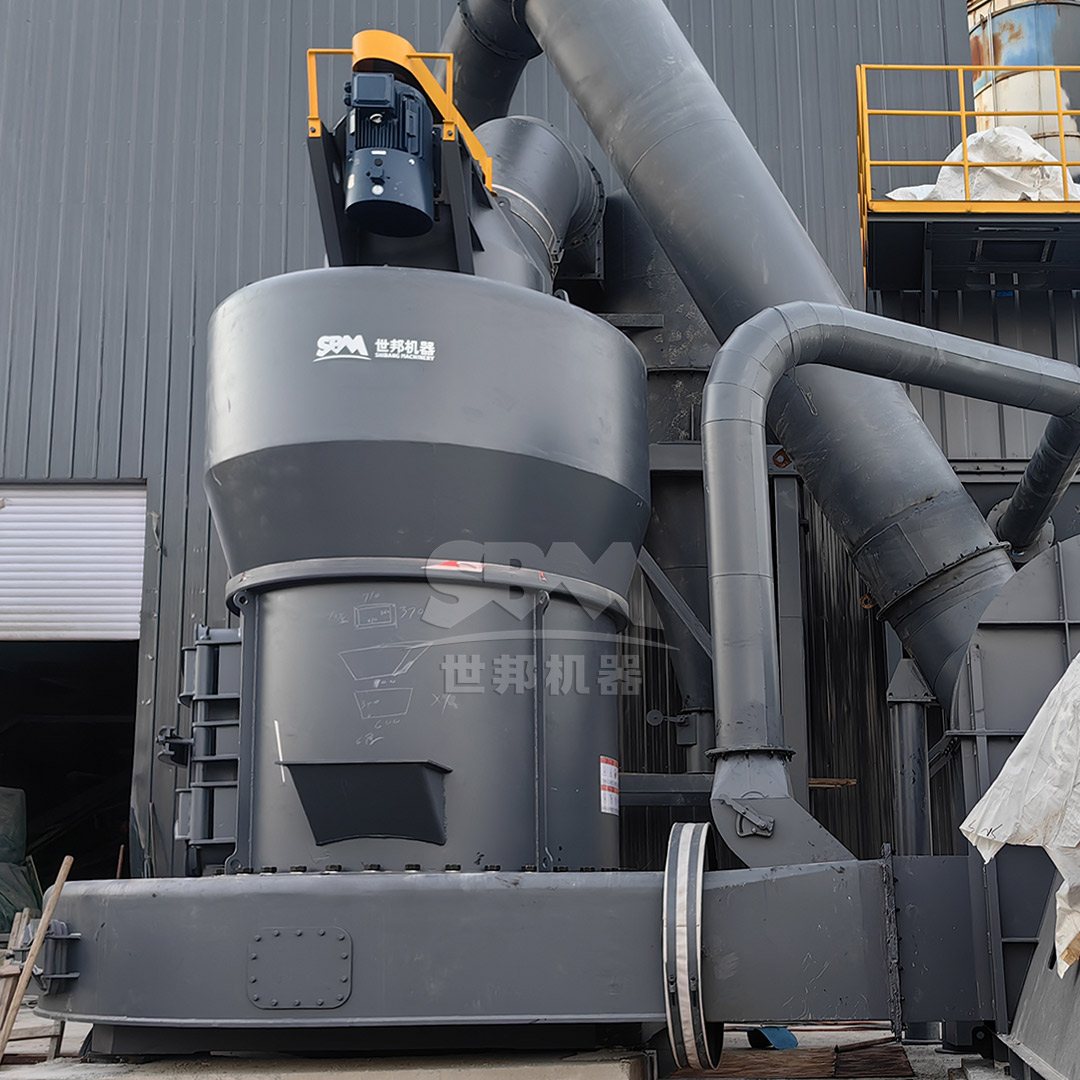
Based on extensive field data, we highly recommend two key products for coal gangue plastic filler production. For ultra-fine filler down to 45-5μm, the SCM1250 Ultrafine Mill is unmatched. With a main power of 185kW and capacity of 2.5-14t/h, it delivers a precise fineness of 325-2500 mesh, ensuring premium quality filler for high-end plastic products. Its intelligent control system ensures consistent output, while the special wear-resistant parts ensure longevity even with abrasive gangue. Alternatively, for coarse-to-medium filler (600-45μm) at massive scales, the LM130K Vertical Roller Mill is an excellent fit. It processes up to 28 tons per hour with a 200kW power, offering a 30-40% energy saving over ball mills. Its integrated crushing and grinding capabilities reduce steps and infrastructure. Both mills are already deployed in coal-producing regions, and they persistently deliver high availability of over 95%. For project consultation and free material testing, our engineers are ready to support your specific requirements.
Future Outlook and Sustainability
The utilization of coal gangue as plastic filler is more than a trend; it is a cornerstone of circular economy in the mineral and polymer industries. With global industries under pressure to minimize waste and carbon intensity, the extraction of value from coal gangue is crucial. Our continuous research and development in grinding technology aims to further improve energy efficiency and particle shape control, making the use of coal gangue even more attractive. Moreover, advances in surface modification agents will allow these fillers to bond better with polymer matrices, opening new avenues in engineering plastics. As we move forward, the integration of IoT and AI in these mills will offer real-time monitoring and adaptive control, ensuring the production of top-tier filler with minimal operator intervention. By partnering with our company, you gain access to a complete workflow that turns an environmental problem into a profitable, sustainable business venture.
Conclusion
In summary, utilizing coal gangue as a plastic filler is a practical and rewarding breakthrough, but only when coupled with high-performance milling equipment. The SCM Series and LM Series have proven their effectiveness in achieving the required fineness and consistency, delivering both cost savings and environmental compliance. Companies that adopt these technologies will lead the market by converting waste into wealth. The industrial case studies, combined with the technical superiority of our mills, provide an unshakeable foundation for your next investment. Contact us today to discuss how we can assist in your coal gangue to plastic filler project.