
Industrial Applications of Potassium and Sodium Feldspar: A Comprehensive Guide
Introduction to Feldspar in Modern Industry
Feldspar, encompassing both potassium feldspar (orthoclase) and sodium feldspar (albite), is a group of rock-forming minerals that constitute approximately 60% of the Earth’s crust. Their unique properties—including high alumina content, low melting point, chemical inertness, and excellent fluxing ability—make them indispensable raw materials across a wide spectrum of industrial processes. From the production of high-quality ceramics and glass to the manufacturing of fillers in paints, plastics, and rubber, feldspar plays a critical, often invisible, role in modern manufacturing. This comprehensive guide explores the key industrial applications of potassium and sodium feldspar and highlights the advanced processing technologies required to meet the stringent quality demands of these sectors.
Key Applications of Potassium and Sodium Feldspar
1. Ceramics Industry
The ceramics sector is the largest consumer of feldspar, utilizing it as a vital fluxing agent. In ceramic bodies, feldspar acts as a binder, lowering the melting temperature of the mixture and promoting vitrification during firing. This process results in a dense, strong, and non-porous final product. Potassium feldspar is particularly prized for its ability to create a viscous glassy phase, which prevents deformation during high-temperature firing, making it ideal for sanitaryware and tableware. Sodium feldspar, with its lower melting point, is favored in tile bodies and glazes where faster sintering is required. The purity and consistent fineness of the feldspar powder directly impact the quality of the finished ceramic, influencing color, shrinkage, and mechanical strength.
2. Glassmaking
Feldspar is a critical ingredient in glass manufacturing, where it serves as a primary source of alumina (Al₂O₃) and alkalis (K₂O and Na₂O). The alumina content in feldspar significantly enhances the durability, hardness, and chemical resistance of glass. It helps stabilize the glass network against chemical attack, which is crucial for container glass (bottles and jars) and flat glass (windows and automotive glass). The alkalis act as fluxes, reducing the energy required to melt the batch of raw materials. In the production of specialty glasses, such as fiberglass and borosilicate glass, the precise control of iron oxide (Fe₂O₃) content in feldspar is paramount, as even trace amounts can negatively impact color and clarity.
3. Fillers and Extenders
Beyond traditional ceramics and glass, ground feldspar finds significant application as a functional filler in paints, coatings, plastics, and rubber. Due to its high hardness, chemical inertness, and low oil absorption, feldspar powder improves abrasion resistance, weatherability, and durability. In paints, it provides excellent color retention and acts as an anti-settling agent. In plastic manufacturing, it enhances stiffness, impact resistance, and dielectric properties. The market for feldspar as a filler is growing, driven by the demand for high-performing, cost-effective alternative materials in the construction and automotive industries.
The Critical Role of Feldspar Grinding Technology
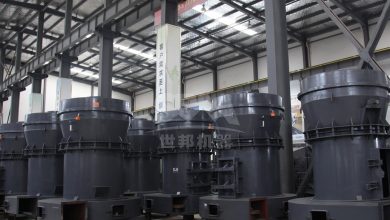
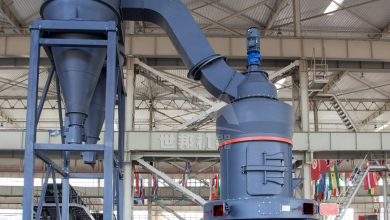
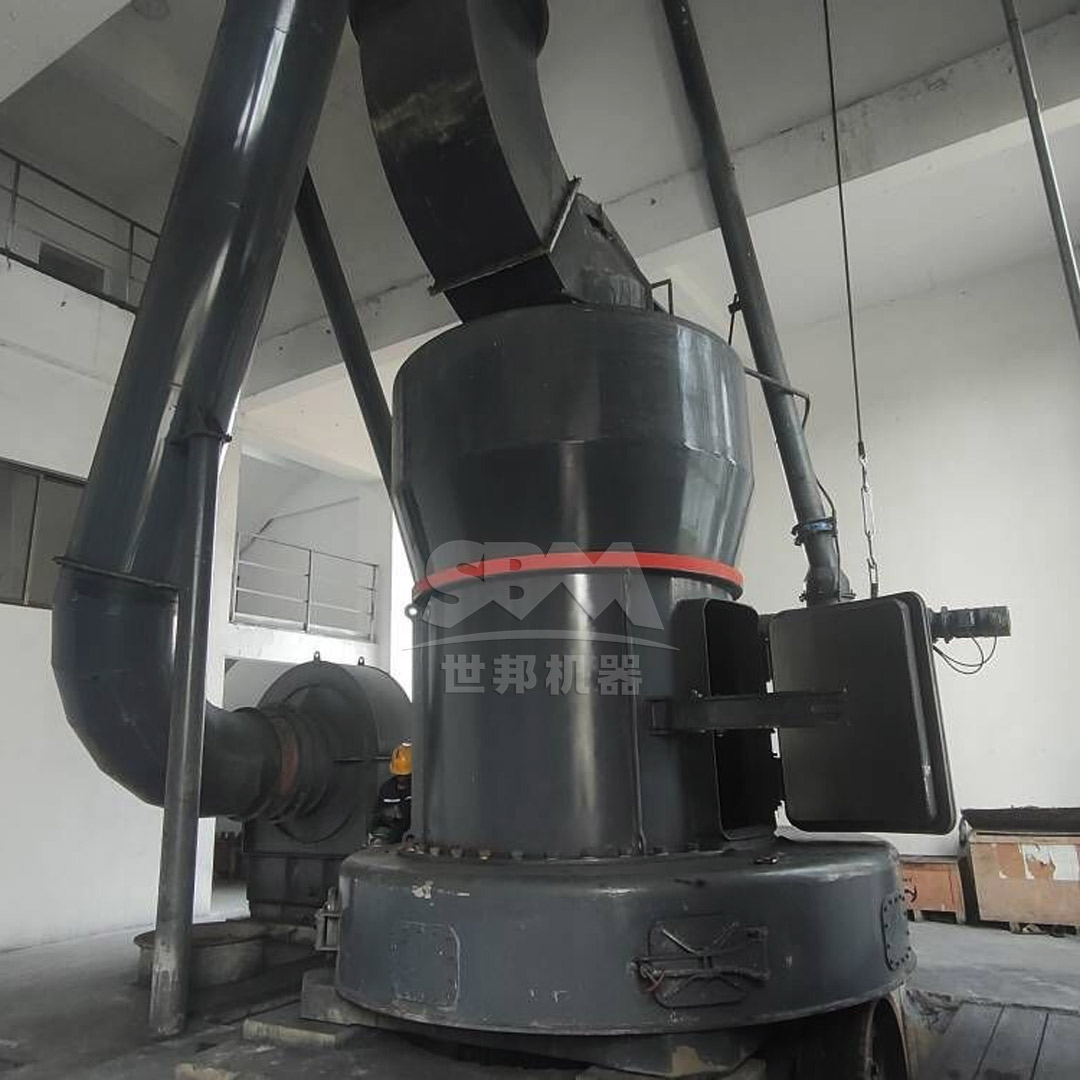
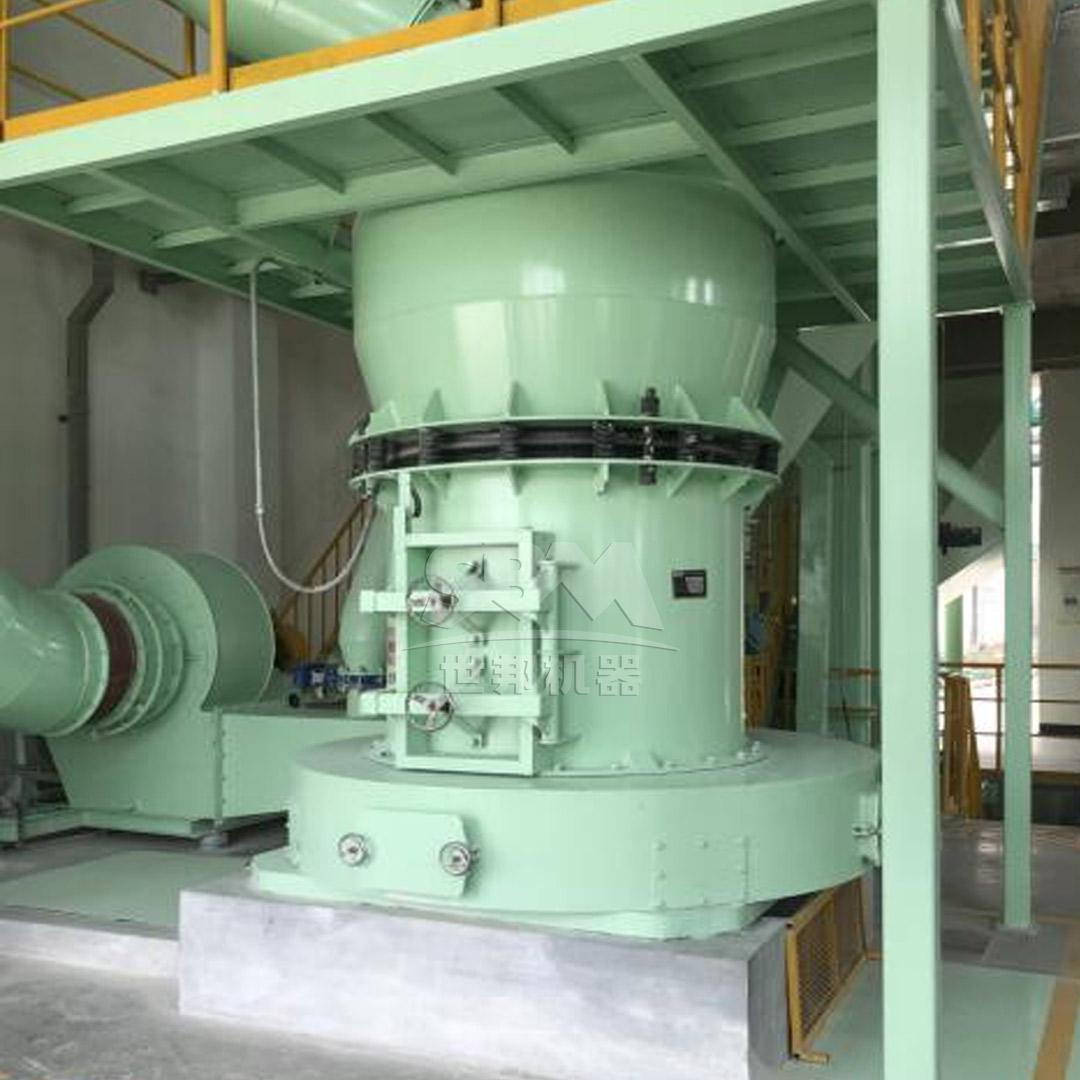
To unlock the full value of feldspar in these advanced applications, the raw mineral must be processed into a fine, uniform powder with precise control over particle size distribution. The fineness requirement varies significantly between applications. For example, ceramic bodies often need a fineness of 45–200 mesh (74-325 μm), while high-quality glass manufacturing requires material finer than 0.5 mm. Fillers and high-end paper coatings demand even finer powders, often in the range of 5-45 μm (325-2500 mesh). Achieving these specifications efficiently requires state-of-the-art grinding mills. For medium to fine grinding operations, the MTW Series European Trapezium Mill is a benchmark solution. Capable of processing feed sizes up to 50mm and achieving output fineness from 30 to 325 mesh, this mill features an integral bevel gear drive with 98% transmission efficiency and a wear-resistant volute structure that reduces maintenance costs by 30%. It is the ideal choice for operations requiring high throughput (3-45 t/h) with exceptional reliability.
High-Fineness Processing for Specialty Applications
For the most demanding applications, such as high-end fillers, advanced ceramics, and cosmetic-grade products, feldspar must be ground to an ultra-fine powder (325-2500 mesh). This requires specialized equipment designed for high efficiency and precise classification. In this domain, our SCM Series Ultrafine Mill stands out as a high-performance solution. With an input size of up to 20mm, the SCM series can achieve an output fineness from 325 to 2500 mesh, meeting the most stringent specifications. Its capacity is twice that of jet mills, while its energy consumption is 30% lower. The vertical turbine classifier ensures a precise particle size cut, eliminating any coarse powder contamination. For producers focused on eco-friendly and low-noise operations, the SCM mill, combined with its pulse dust collection system, sets a new standard for sustainable mineral processing.
Other Essential Processing Equipment
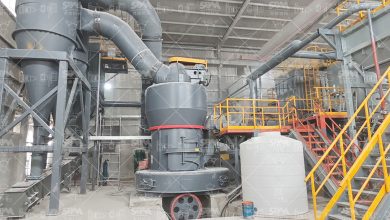
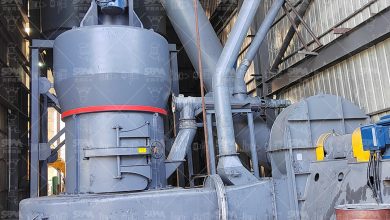
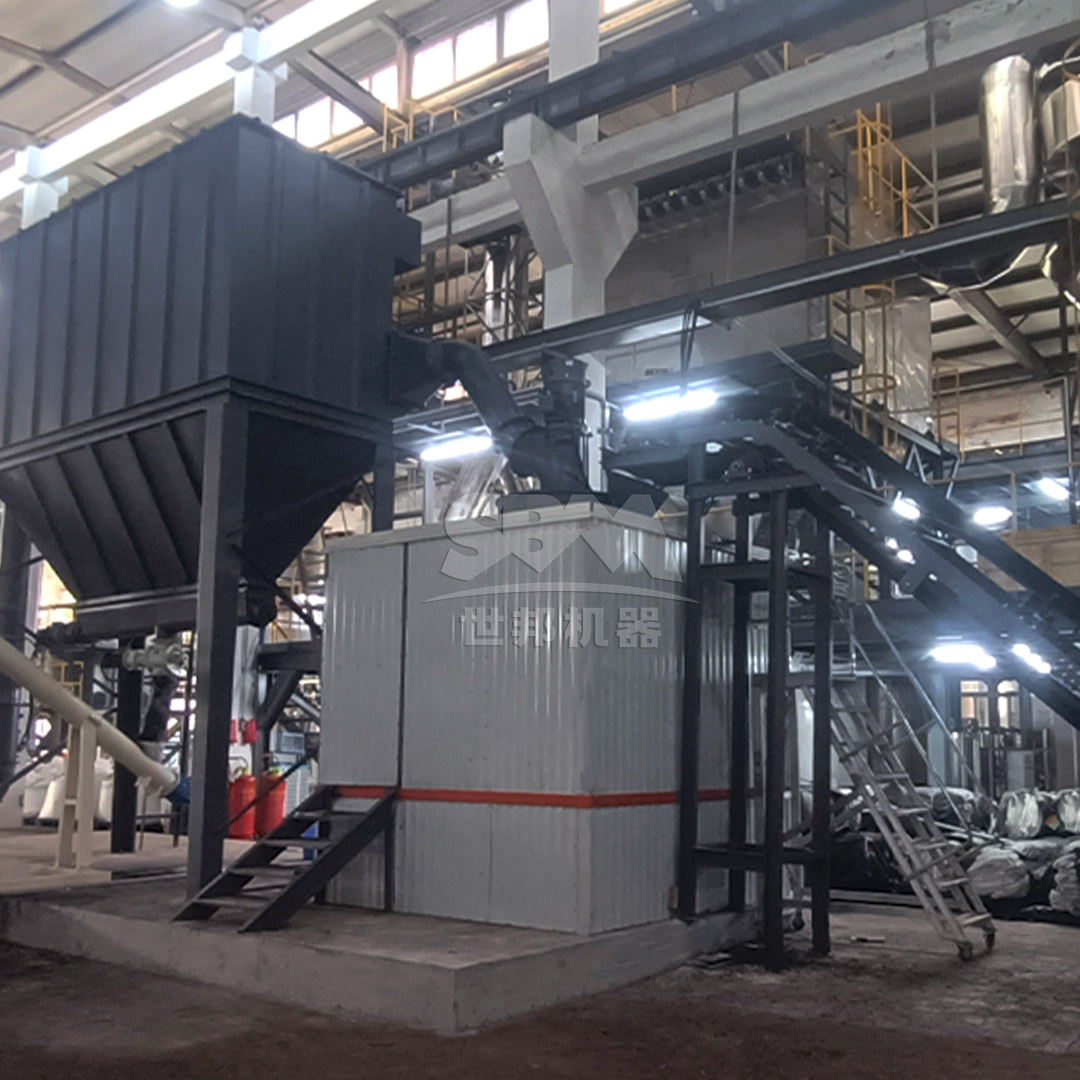
A complete feldspar processing line often involves more than just grinding. Crushing is a prerequisite. The Hammer Mill (0-3mm) is excellent for the primary or secondary crushing stage, reducing feed material down to 0-3mm with high efficiency. For operations requiring extremely high throughput in a medium-fineness range, the LM Series Vertical Roller Mill offers an integrated solution that combines crushing, grinding, drying, and classifying into one unit, reducing floor space by 50%. Finally, specialized models like the LUM Ultrafine Vertical Roller Mill and the high-capacity MRN Pendulum Mill provide additional options for tackling various particle size requirements, from standard 30-325 mesh to ultra-fine levels. The LM-Y Vertical Pre-grinding Roller Mill is another innovative solution, particularly for pre-grinding clinker and limestone, allowing for a 30-50% reduction in system power consumption.
Conclusion: Maximizing Value through Advanced Processing
The industrial applications of potassium and sodium feldspar continue to expand, driven by innovation in ceramics, glass, and materials science. The key to maximizing the value of this abundant natural resource lies in advanced processing technologies that can deliver consistent, high-quality powders tailored to specific industrial needs. Whether the requirement is for the robust, high-capacity grinding of the MTW Trapezium Mill or the ultra-fine precision of the SCM Ultrafine Mill, having the right equipment is the cornerstone of success in the feldspar industry. By investing in state-of-the-art milling technology, producers can ensure superior product quality, improve operational efficiency, and meet the increasingly stringent environmental standards of the global market.