The Role of Vertical Roller Mill in Nickel Iron Plant Operations
Introduction
In the complex industrial landscape of nickel iron production, the efficiency of raw material preparation directly dictates the quality of the final ferronickel alloy and the overall profitability of the plant. Nickel iron plants process laterite ores, which are notoriously variable in moisture content, hardness, and chemical composition. The grinding stage, which prepares the ore for downstream processes like sintering, calcination, or electric furnace smelting, is a critical bottleneck. Among the various grinding technologies, the Vertical Roller Mill (VRM) has emerged as a cornerstone technology, offering unparalleled efficiency, reliability, and product quality control compared to traditional ball mills or Raymond mills.
This article explores the pivotal role of the Vertical Roller Mill in nickel iron plant operations, detailing its working principles, technical advantages, and specific applications. It will also recommend high-performance mill solutions from our product portfolio that are ideally suited for the demanding conditions of nickel iron processing.
The Unique Grinding Challenges in Nickel Iron Plants
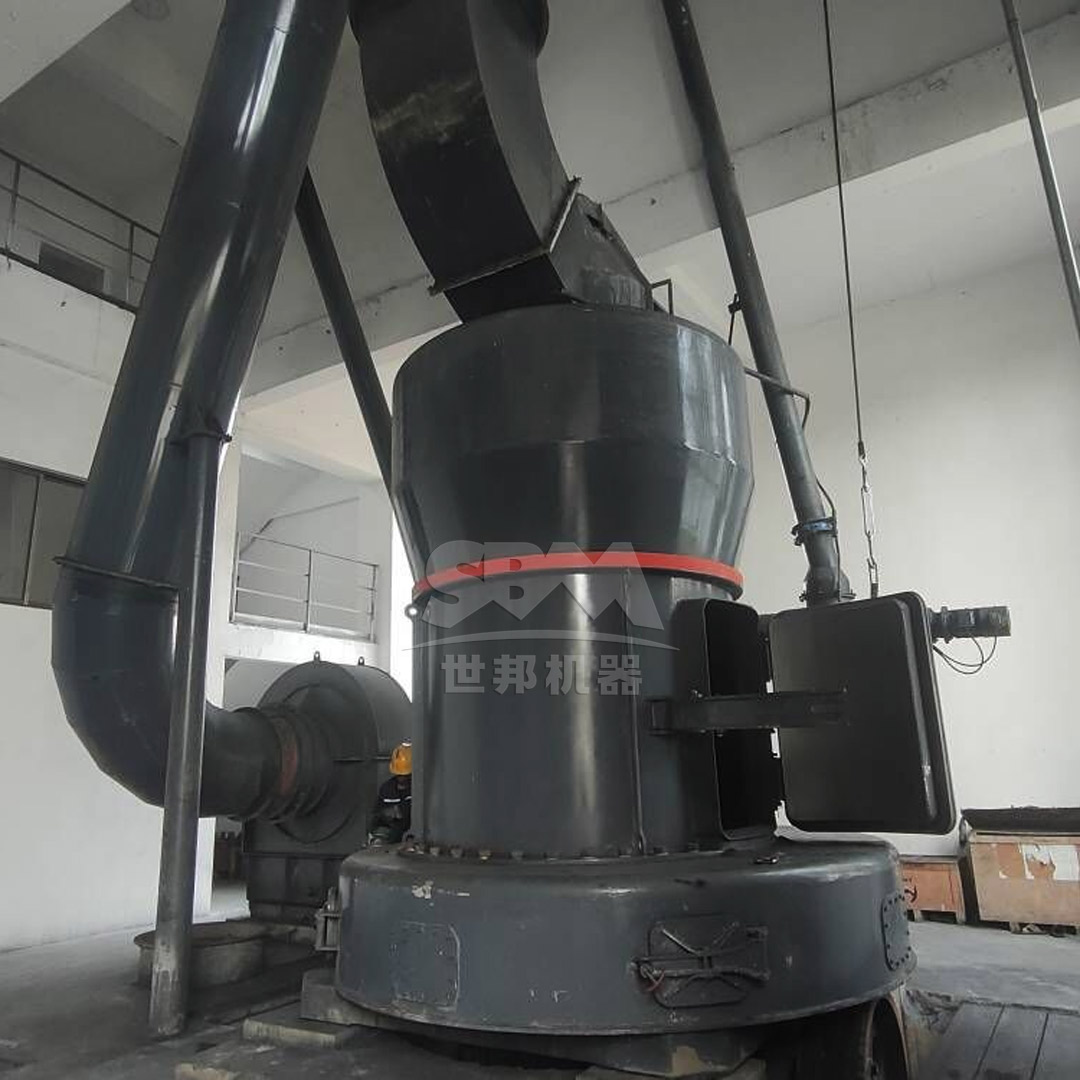
Nickel laterite ores present several challenges that make mill selection critical. The ore often contains high moisture (up to 35%), significant clay content, and large chunks of saprolite or limonite. Traditional ball mills, while robust, suffer from high energy consumption (up to 30-40% more than VRMs) and wear rates. They also lack the ability to efficiently dry the material during grinding. The Vertical Roller Mill, however, is designed to overcome these limitations.
In a nickel iron plant, the VRM is typically tasked with grinding calcined ore, sinter feed, or raw laterite ore to a specific fineness (usually 80% passing 200 mesh or finer). The process requires not only size reduction but also drying, which is achieved by using hot gases from the plant’s waste heat recovery system or from dedicated hot air generators. This integrated drying and grinding capability is a game-changer.
How the Vertical Roller Mill Enhances Operations
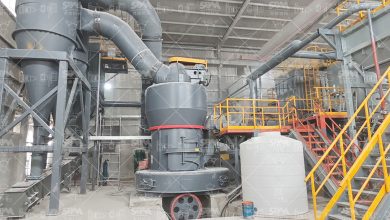
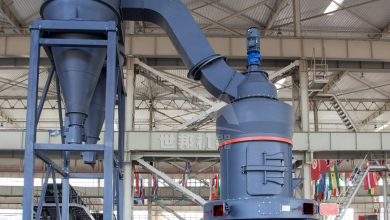
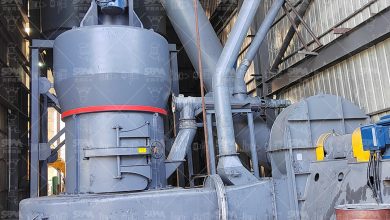
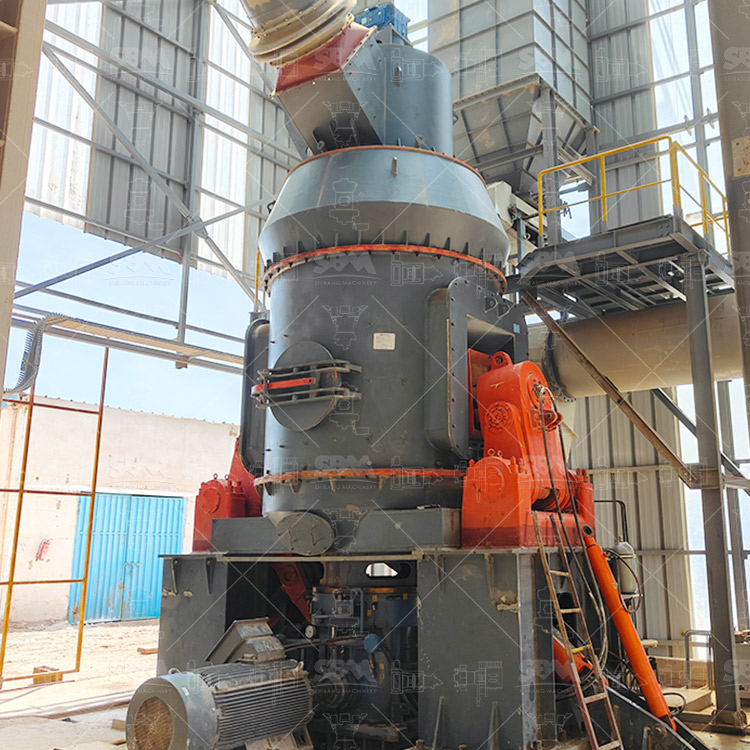
Our LM Series Vertical Roller Mill operates on the principle of material bed grinding. The main motor drives the grinding table via a planetary gear reducer. As the table rotates, centrifugal force spreads the material evenly beneath the grinding rollers. The rollers, which are mounted on a swing arm assembly, apply hydraulic pressure onto the material bed, crushing and grinding it layer by layer. This principle is fundamentally more energy-efficient than impact grinding.
Key operational advantages for nickel iron plants include:
- Integrated Drying: Hot air enters the mill through a nozzle ring surrounding the grinding table. The high-velocity airflow dries the ore particles instantly, carrying them to the separator. This eliminates the need for separate dryers, simplifying the plant layout and reducing capital expenditure.
- Low Energy Consumption: The bed grinding principle significantly reduces mechanical friction. Compared to a ball mill, the LM Series offers 30-40% lower specific energy consumption (kWh/t). For a plant processing 100 tons per hour, this translates to substantial annual cost savings.
- High Drying Capacity: The VRM can handle materials with moisture content as high as 20-25%, making it ideal for laterite ores that are washed or have high natural humidity.
- Superior Product Quality: The vertical turbine classifier ensures precise particle size control. There is no coarse powder mixing, resulting in a uniform finished product that optimizes the sintering or smelting reaction kinetics.
Furthermore, the LM Series Vertical Roller Mill features an integrated design that combines crushing, drying, grinding, and classifying into a single unit. This reduces floor space by 50% compared to traditional systems and allows for outdoor installation, reducing infrastructure costs by up to 40%.
Adapting to Different Process Stages
A nickel iron plant typically has several grinding needs. The VRM excels in multiple roles:
1. Raw Ore Grinding: For the primary reduction of run-of-mine ore to a manageable size for calcination or sintering. The high capacity and ability to handle large feed (up to 50mm) make the LM mill an excellent choice.
2. Coal Grinding for Burners: Many nickel plants use pulverized coal injection (PCI) for rotary kilns or furnaces. The LM Coal Mill Series (LM80M to LM280M) is specifically designed for this task. It can grind coal to a fineness of 5-20% residue on a 0.08mm sieve, with a capacity range of 3-90 t/h. The explosion-proof design ensures safe operation with volatile fuels.
3. Slag Grinding: After smelting, the ferronickel slag must be ground for cement or backfill applications. The LM Slag Mill Series (LM130N to LM370N) handles this easily. It is designed to handle high specific surface areas (>4500 cm²/g) and high moisture content, converting a waste product into a valuable co-product.
Recommended Product: LM Series Vertical Roller Mill
Based on the rigorous demands of nickel iron processing, we highly recommend our LM Series Vertical Roller Mill. It is the workhorse of modern mineral processing. For a typical nickel iron plant requiring high throughput and reliability, the LM190K or LM220K models offer the perfect balance of capacity and efficiency.
Why the LM Series is ideal for your plant:
- Low Operating Cost: The non-contact design between rollers and table extends wear part life by three times compared to traditional mills. The intelligent control system automatically adjusts grinding pressure and airflow based on feed characteristics, reducing manual intervention.
- Fast Maintenance: The modular grinding roller assembly quick-change system allows for rapid roller replacement, minimizing downtime. A full roller changeout can be completed in 24 hours.
- Environmental Compliance: The mill operates under fully sealed negative pressure. The pulse dust collection system ensures dust emissions are less than 20mg/Nm³, easily meeting international environmental standards.
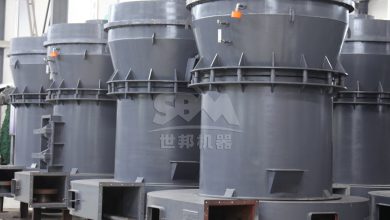
For plants requiring an even finer product for specific pelletizing or chemical processes, we recommend the SCM Series Ultrafine Mill. While the LM series handles bulk grinding down to 45 microns, the SCM series can achieve a superfine product from 45 microns down to 5 microns (325-2500 mesh). This is critical for applications requiring high-grade nickel powder or special alloy production. The SCM mill offers a capacity 2x that of jet mills with 30% lower energy consumption.
Real-World Performance Data
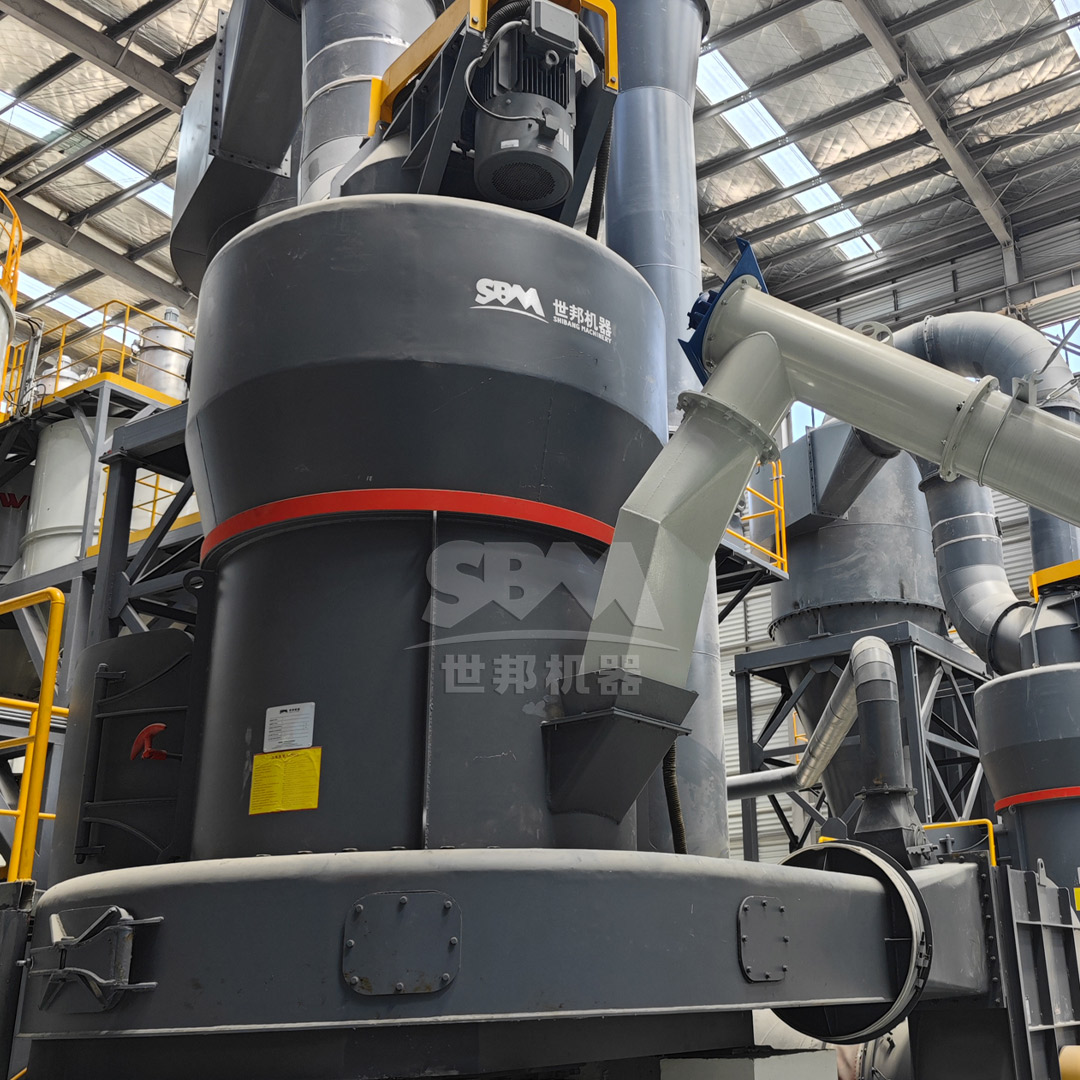
In a recent installation at a major nickel laterite processing facility in Southeast Asia, an LM220K unit replaced three ball mills. The results were dramatic:
- Energy consumption dropped from 42 kWh/t to 27 kWh/t (a 35% reduction).
- Product fineness consistency improved significantly, with a 90% passing 200 mesh specification maintained continuously.
- Annual maintenance costs (excluding scheduled shutdowns) were reduced by 60%.
The client attributed the success to the robust design and the advanced lubrication system of the mill, which prevented bearing failures even when processing ores with high silica content.
Conclusion
The Vertical Roller Mill is no longer a luxury but a necessity for efficient nickel iron plant operations. Its ability to simultaneously dry, grind, and classify, combined with exceptional energy efficiency and low operating costs, makes it the superior choice for processing laterite ores, coal, and slag. Whether you are building a new plant or modernizing an existing one, investing in a VRM from our comprehensive product line—specifically the LM Series for bulk grinding and the SCM Series for ultrafine requirements—will secure a significant competitive advantage in the challenging nickel market.
We invite you to contact our engineering team to discuss which specific model and configuration best suits your plant’s capacity and material characteristics.