Refractory-Grade Calcined Kaolin: Processing, Properties, and Applications for High-Temperature Industrial Materials
Introduction
Refractory-grade calcined kaolin, derived from the thermal treatment of naturally occurring kaolinite clay, stands as a cornerstone material in the production of high-temperature industrial components. Its transformation from a raw, hydrous aluminosilicate into a highly stable, crystalline mullite phase grants it exceptional thermal stability, chemical inertness, and mechanical strength. This article delves into the intricate processing requirements, the resulting physical and chemical properties, and the critical applications of this versatile material, while highlighting the advanced milling equipment essential for achieving the precise particle size distribution demanded by modern refractory formulations.
The journey from raw kaolin to a performance-grade refractory additive involves a series of carefully controlled steps. The primary goal of calcination is to induce a phase transition: heating kaolinite (Al₂Si₂O₅(OH)₄) drives off chemically bound water, leading to the formation of metakaolin (an amorphous phase) and, at higher temperatures (above 1000°C), the stable mullite (3Al₂O₃·2SiO₂) and cristobalite (SiO₂) phases. This transformation is what provides the material with its refractory character, as mullite exhibits a high melting point (around 1850°C) and low thermal expansion.
Processing of Refractory-Grade Calcined Kaolin
The processing chain for high-quality calcined kaolin is demanding and requires precision at every stage. After mining, the raw kaolin is subjected to beneficiation to remove impurities such as quartz, iron oxides, and titania, which can negatively affect the refractory properties. The purified clay is then dried and ground to a controlled fineness before being fed into a rotary or vertical kiln for calcination.
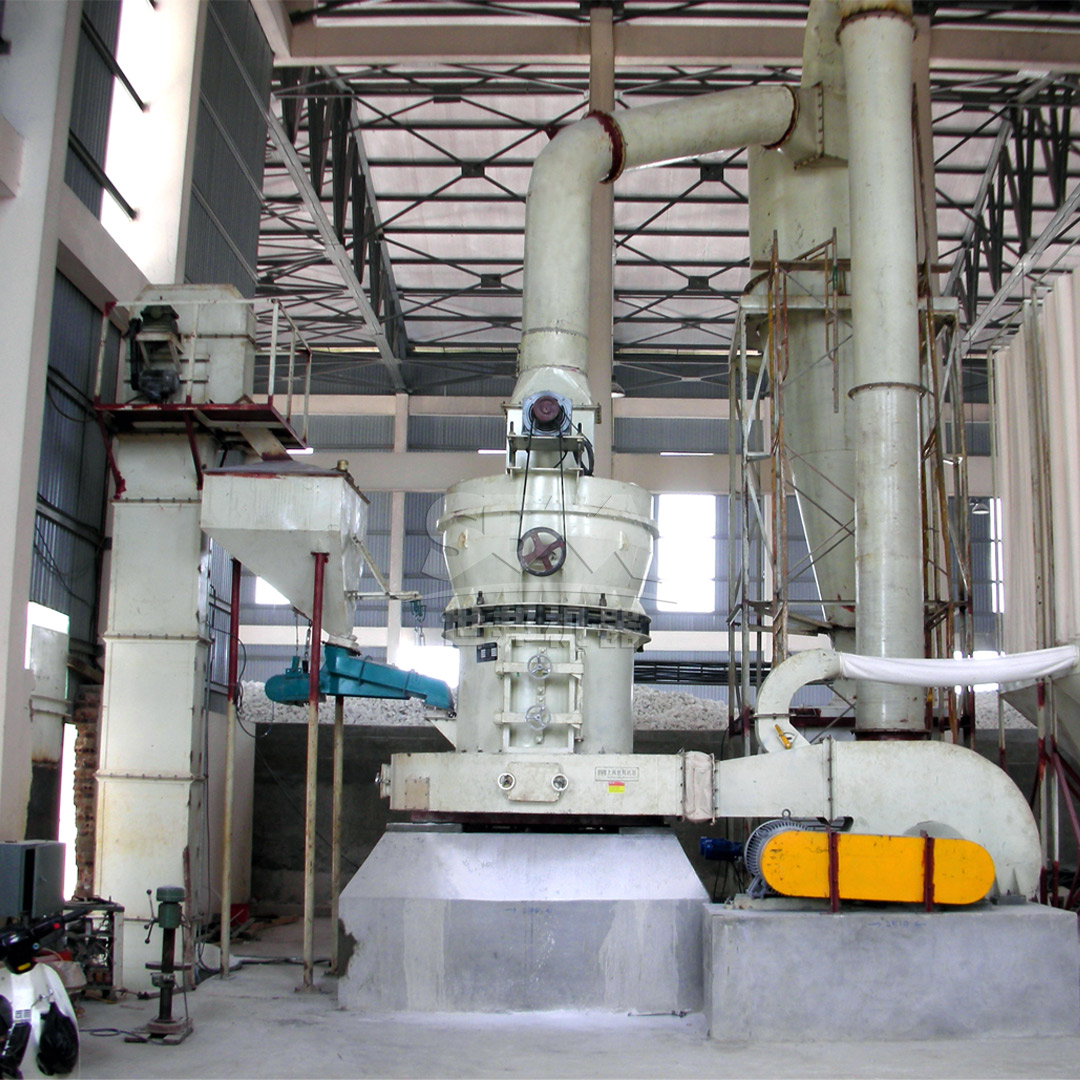
Post-calcination, the material, now extremely hard and abrasive, must be ground down to a specific particle size distribution. This is the most critical step for determining the material’s performance in applications like castables, plastics, and kiln furniture. The particle size influences the packing density, rheology, and sintering behavior of the final refractory product. For refractory applications, fineness is often specified in microns, with grades ranging from coarse (e.g., 200 mesh) to ultrafine (e.g., 1250 mesh or finer).
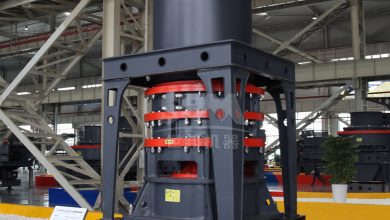
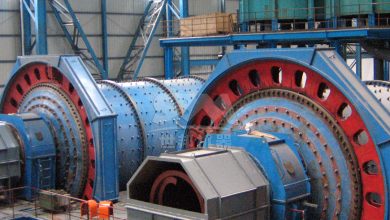
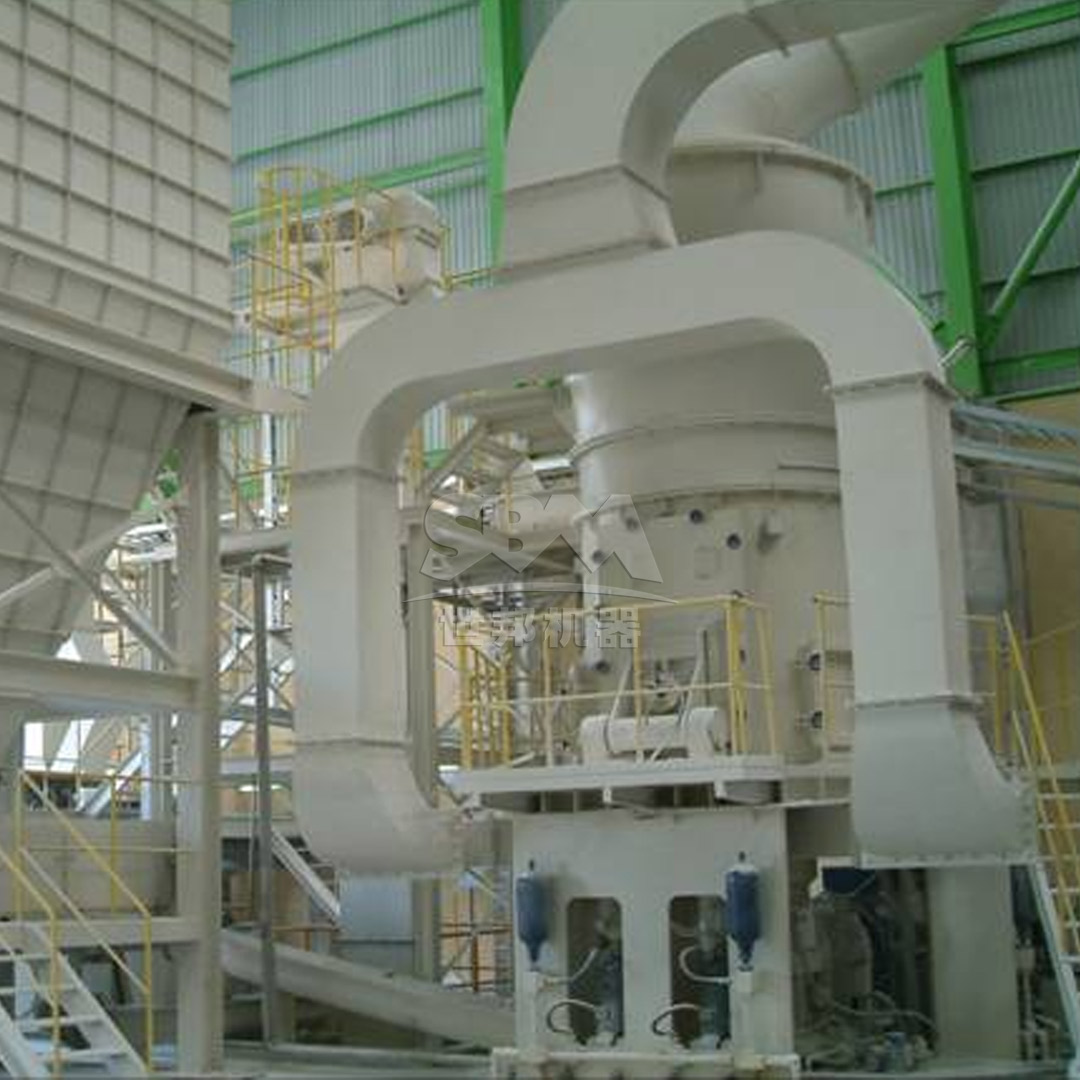
To achieve these demanding specifications, high-efficiency grinding mills are paramount. Traditional ball mills, while robust, often suffer from high energy consumption and can produce a wide, uncontrolled particle size distribution. This is where advanced milling technology, such as that offered by our company, becomes indispensable. For the processing of calcined kaolin to a fine and uniform product, we highly recommend our SCM Series Ultrafine Mill (45-5μm). Its advanced vertical turbine classifier achieves precise particle size cutting, ensuring no coarse powder is mixed with the finished product, which is crucial for the uniformity of refractory mixes. With a capacity up to 25 t/h and an output fineness ranging from 325 to 2500 mesh, the SCM mill is perfectly suited for large-scale production of high-value, ultrafine calcined kaolin.
Key Properties of Refractory-Grade Calcined Kaolin
The exceptional performance of calcined kaolin in high-temperature environments is attributed to a unique combination of properties:
- High Refractoriness: After calcination, the material achieves a PCE (Pyrometric Cone Equivalent) value of 34-36, corresponding to temperatures around 1750-1850°C. This makes it suitable for both ferrous and non-ferrous metal casting and glass melting furnaces.
- Low Thermal Expansion and Conductivity: The mullite phase has a relatively low coefficient of thermal expansion (approx. 5.0 ×10⁻⁶ /°C). This gives the final refractory product excellent thermal shock resistance. Its low thermal conductivity also provides superior insulation, reducing heat loss in industrial furnaces.
- Chemical Inertness: It is highly resistant to attack by acids, alkalis, and molten slags, except for highly basic slags. This chemical stability is vital for applications in metal contact linings and in the chemical processing industry.
- High Hardness (Scratch Hardness 6-7 on Mohs Scale): The hard, dense particles contribute excellent abrasion resistance to wear liners and other refractory components.
- Platelet-like Shape: The calcined kaolin particles often retain a platy morphology, which improves the packing density and reduces the water demand in castable and gunning mixes, leading to denser and stronger final products.
Applications in High-Temperature Industrial Materials
The unique property set of calcined kaolin makes it a critical raw material across a broad spectrum of industries:
- Refractory Castables and Mortars: It is a primary component in low-cement, ultra-low cement, and conventional castables used in linings of steel ladles, tundishes, and blast furnace troughs. The fine mullite particles fill the voids between larger aggregates, enhancing density and strength.
- Kiln Furniture: Used extensively in the manufacturing of kiln furniture such as saggars, shelves, and pusher plates for the firing of ceramics, ferrites, and electronics. Its thermal shock resistance ensures a long service life under rapid heating and cooling cycles.
- Investment Casting (Lost Wax Process): It serves as the primary refractory filler for the primary and secondary slurries used to build ceramic shells. Its fine particle size creates a smooth surface finish on the final metal castings, while its high refractoriness withstands high pouring temperatures of superalloys.
- Wear-Resistant Liners and Coatings: The high hardness of calcined kaolin makes it an excellent filler for wear-resistant epoxy-based liners applied to chutes, hoppers, and cyclone separators in mining and power generation.
- Ceramic Fiber Products: It can be incorporated into alumino-silicate ceramic fiber blankets, boards, and modules used for insulation in furnaces up to 1430°C, improving the fiber’s resilience and thermal stability.
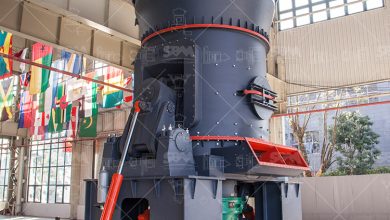
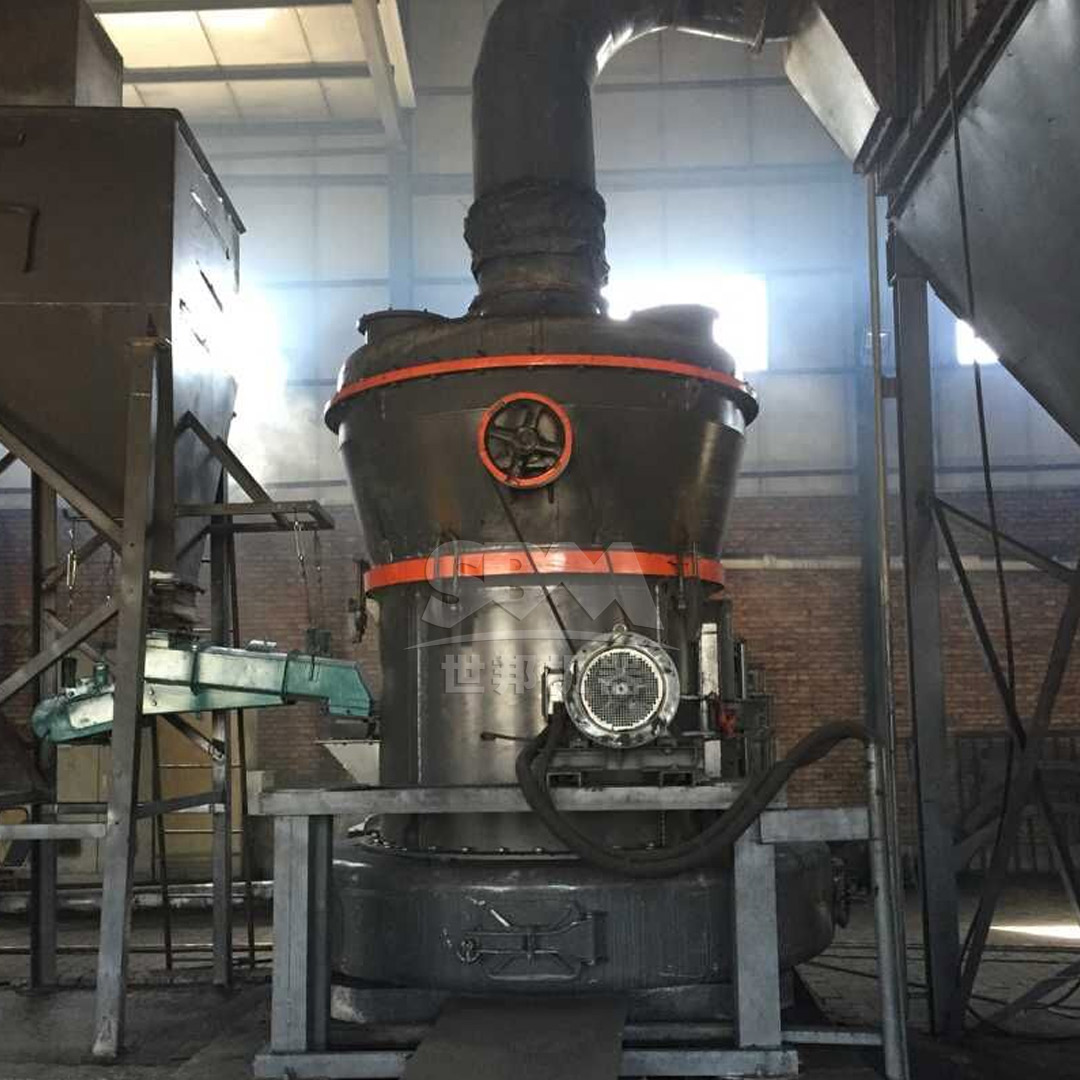
For applications requiring coarser or intermediate fineness grades of calcined kaolin or other refractory raw materials, our MTW Series European Trapezium Mill (600-45μm) provides an equally robust and efficient solution. Its integral bevel gear drive boasts a transmission efficiency of up to 98%, and the anti-wear shovel design significantly reduces maintenance costs, making it ideal for high-capacity processing of feed materials up to 50mm. Whether the target is 200 mesh or 500 mesh, the MTW mill ensures consistent, high-quality output.
Conclusion
Refractory-grade calcined kaolin remains an indispensable material for pushing the boundaries of high-temperature industrial processes. Its unique combination of refractoriness, thermal shock resistance, and chemical inertness ensures the reliability and longevity of critical furnace equipment. The key to unlocking its full potential lies in the processing—specifically, achieving the correct particle size distribution with minimal energy consumption. Advanced milling technologies from our company, such as the SCM Ultrafine Mill for fine and ultra-fine applications and the MTW European Trapezium Mill for high-capacity intermediate grinding, empower refractory manufacturers to produce materials that meet the most demanding specifications, driving efficiency and innovation in the global metallurgical, ceramic, and chemical industries.