Titanium Dioxide Production Process Explained by an Air-Swept Mill Manufacturer
Introduction
Titanium Dioxide (TiO₂) is a critical white pigment used extensively in paints, coatings, plastics, paper, and cosmetics. Its production requires precise control over particle size, purity, and crystalline structure. As a leading air-swept mill manufacturer, we specialize in providing advanced grinding solutions that optimize the TiO₂ production process. This article explains the key stages of TiO₂ manufacturing and how our mills enhance efficiency, quality, and sustainability.
1. Raw Material Preparation
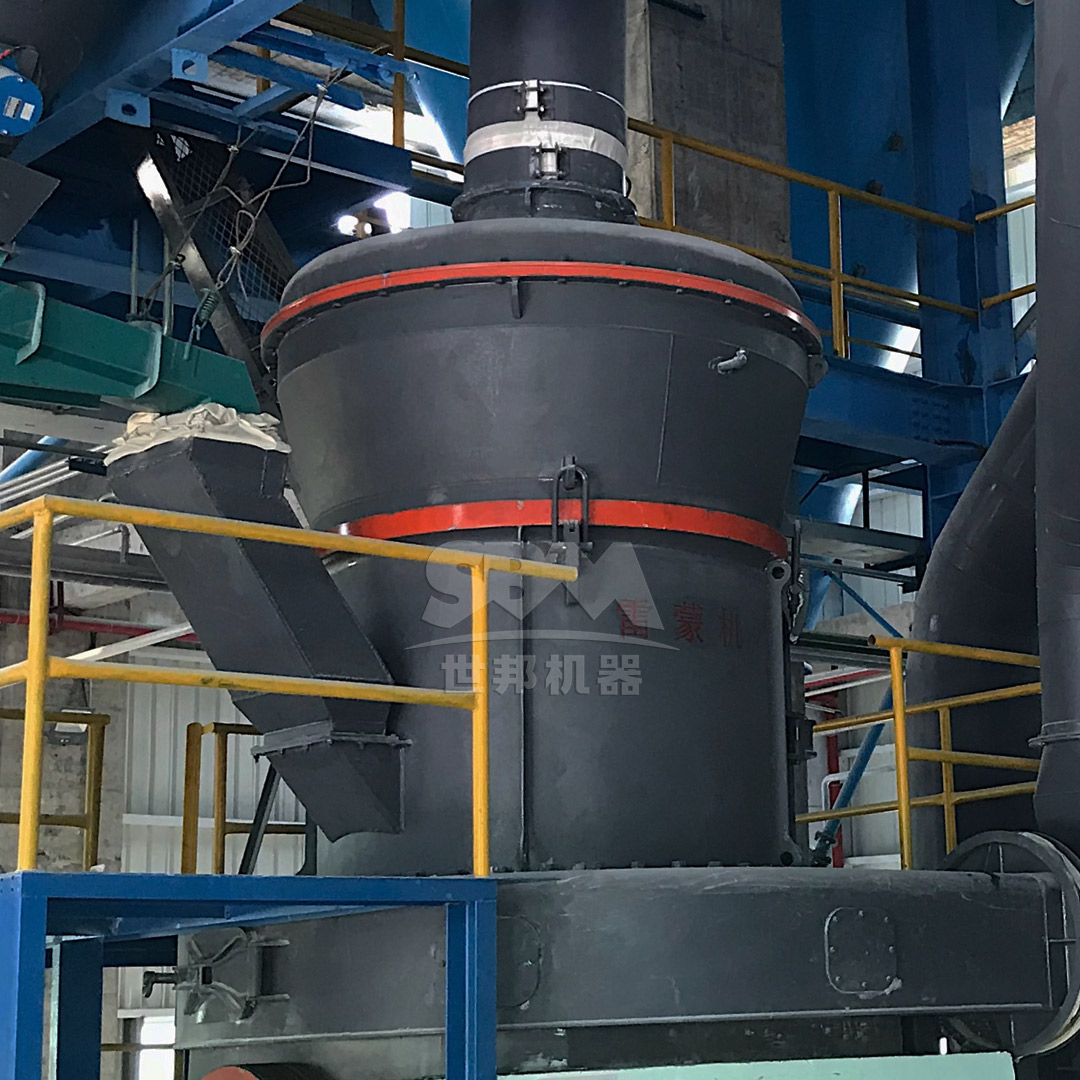
The TiO₂ process begins with ilmenite (FeTiO₃) or rutile ore. In the sulfate process, the ore is digested with sulfuric acid. In the chloride process, it is chlorinated to produce TiCl₄. Both methods require the raw materials to be ground to a fine powder to maximize reaction surface area. Our MTW Series European Trapezium Mill is ideal for this stage, handling feed sizes up to 50mm and producing fineness down to 45 microns with capacities up to 45 tons per hour. The optimized arc air duct and integral bevel gear drive ensure energy-efficient operation, reducing overall processing costs.
2. Primary Grinding for Pigment Base
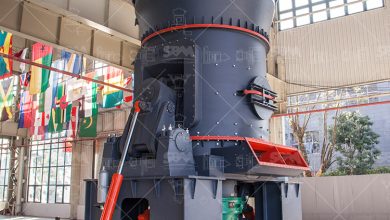
After chemical conversion, the crude TiO₂ undergoes primary grinding to break down agglomerates. This step typically targets a fineness of 10-45 microns. Our LM Series Vertical Roller Mill excels here, offering an integrated design that combines crushing, grinding, and classification. With a capacity range of 3-250 tons per hour and energy consumption 30-40% lower than ball mill systems, it significantly reduces operating expenses. The non-contact design between rollers and table extends wear part life by three times, ensuring consistent performance over extended production runs.
3. Ultrafine Grinding for Finished Pigment
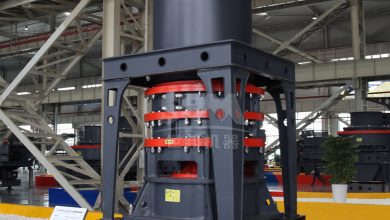
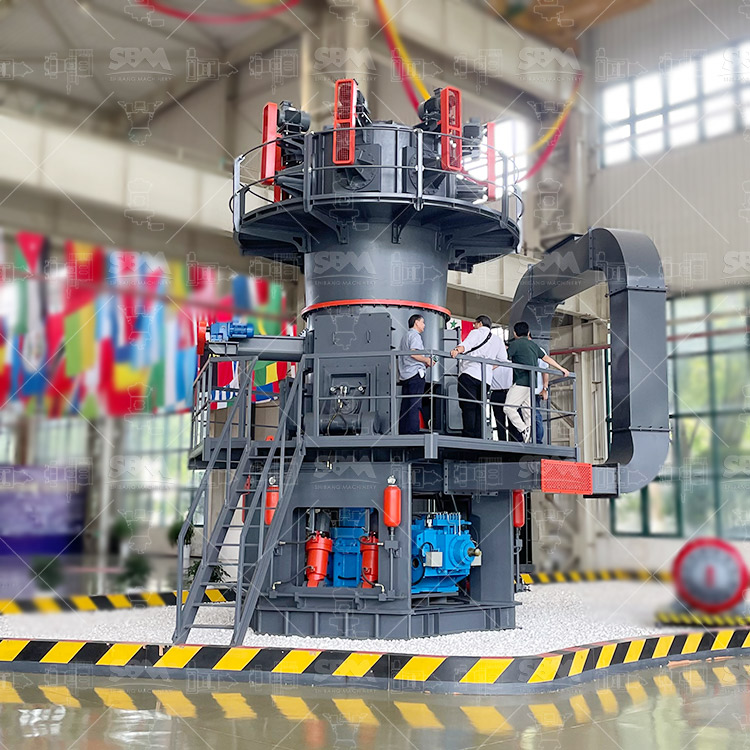
The most critical step in TiO₂ production is ultrafine grinding to achieve the final particle size of 325-2500 mesh (5-45 microns). This determines the pigment’s opacity, brightness, and dispersibility. Our SCM Series Ultrafine Mill is specifically designed for this application. With a capacity two times that of jet mills and 30% lower energy consumption, it offers exceptional efficiency. The vertical turbine classifier ensures precise particle size cutting with no coarse powder mixing, delivering uniform finished products. Special material rollers and rings extend service life, while the pulse dust collection system ensures eco-friendly operation with noise levels below 85dB.
| Model | Capacity (t/h) | Main Power (kW) | Feed Size (mm) | Fineness (mesh) |
|---|---|---|---|---|
| SCM800 | 0.5-4.5 | 75 | 0-20 | 325-2500 |
| SCM900 | 0.8-6.5 | 90 | 0-20 | 325-2500 |
| SCM1000 | 1.0-8.5 | 132 | 0-20 | 325-2500 |
| SCM1250 | 2.5-14 | 185 | 0-20 | 325-2500 |
| SCM1680 | 5.0-25 | 315 | 0-20 | 325-2500 |
4. Classification and Particle Size Control
Precise classification is essential to separate over-sized particles and ensure consistent product quality. Air-swept mills inherently integrate classification within the grinding chamber. The SCM Series uses a vertical turbine classifier that achieves sharp cut points, while the MTW Series features an optimized arc air duct with high-strength guard plates. Our LUM Ultrafine Vertical Roller Mill employs multi-rotor technology for even finer classification, suitable for 325-2500 mesh products. This integrated approach eliminates the need for separate classifiers, reducing equipment footprint and capital investment.
5. Surface Treatment and Finishing
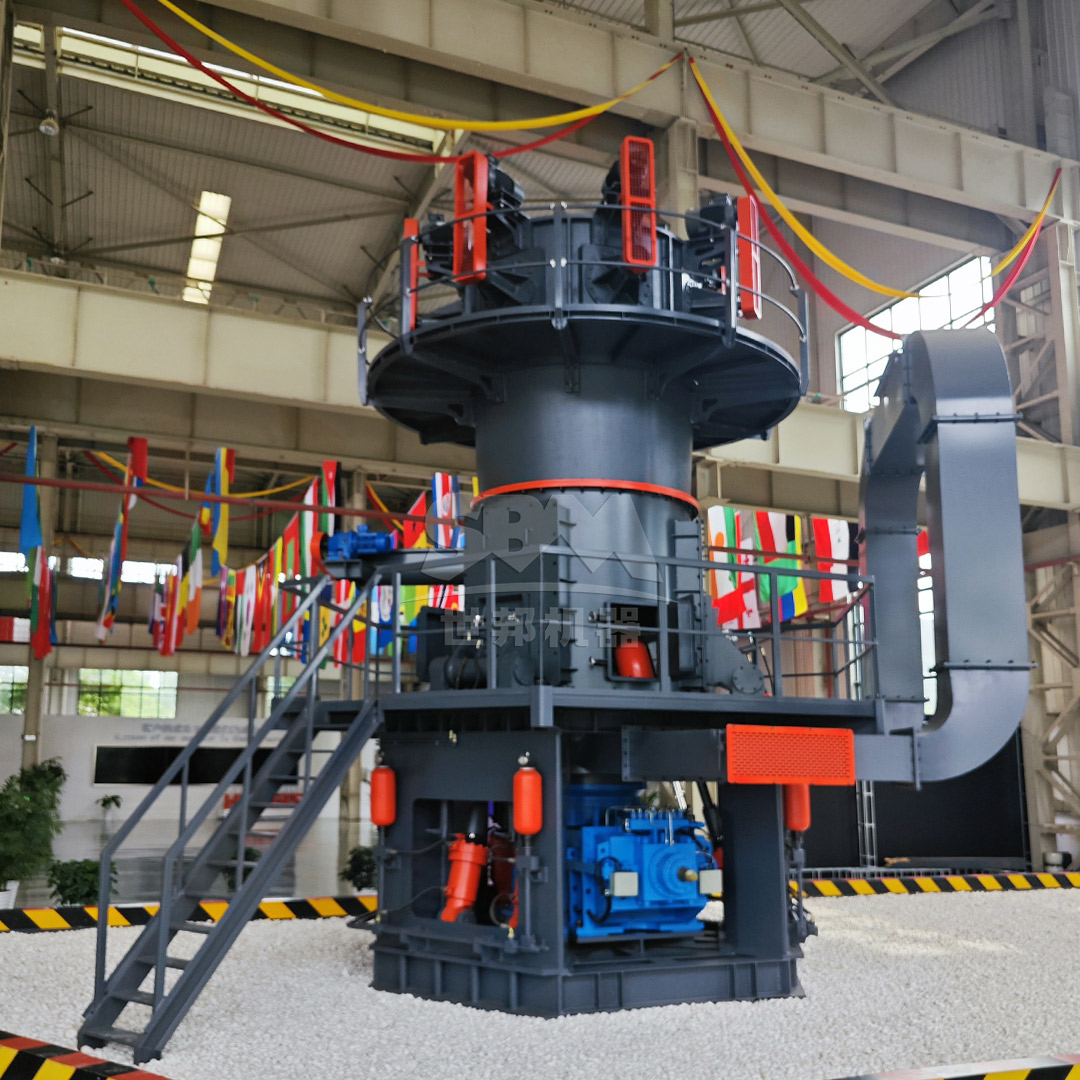
After grinding, TiO₂ pigment often undergoes surface treatment with inorganic coatings (e.g., silica, alumina) to improve durability and dispersibility. While this is a chemical process, the mill used in the preceding step must produce a consistent particle size distribution to facilitate uniform coating. Our mills’ intelligent control systems provide automatic finished product granularity feedback, maintaining stable output quality. The SCM Series’ shaftless screw grinding chamber ensures stable operation even during continuous high-capacity production, minimizing downtime.
6. Environmental and Economic Benefits
TiO₂ production is energy-intensive, but modern air-swept mills significantly reduce environmental impact. Our mills feature pulse dust collection efficiency exceeding international standards, with emissions below 20mg/Nm³. Soundproof room design keeps noise levels under 85dB, meeting strict workplace regulations. Energy savings of 30-50% compared to traditional ball mills translate directly to lower carbon emissions and operating costs. For example, using an SCM1680 instead of a jet mill for 25 t/h production saves approximately 1.2 MW of power annually.
Conclusion
From raw material preparation to ultrafine pigment finishing, air-swept mills play a pivotal role in TiO₂ production. As a manufacturer with over decades of experience, we offer a complete range of mills—MTW for coarse grinding, LM for primary grinding, and SCM for ultrafine finishing—each optimized for efficiency, durability, and precision. Our patented technologies, including internal suction oil lubrication and dynamic classifier multi-stage adjustment, ensure reliable operation and consistent product quality. For TiO₂ producers seeking to maximize output while minimizing costs and environmental impact, our air-swept mills provide the ideal solution.