Complete Equipment List for Producing Building Gypsum Powder from Phosphogypsum
Introduction
Phosphogypsum, a by-product of the phosphoric acid industry, presents both an environmental challenge and a valuable resource opportunity. Transforming this material into high-quality building gypsum powder requires a meticulously designed and robust processing line. The key to success lies in selecting the right equipment for each stage: crushing, drying, grinding, and classification. This article provides a comprehensive overview of the complete equipment required for a phosphogypsum-to-building-gypsum project, highlighting the critical role of efficient grinding technology.
Stage 1: Pre-processing and Drying Equipment
Before grinding, phosphogypsum must be pre-treated to remove moisture and impurities. The typical moisture content of phosphogypsum can range from 15% to 30%.
- Belt Conveyors and Bucket Elevators: For efficient material transport.
- Rotary Dryer or Fluidized Bed Dryer: To reduce moisture content to below 2%, which is essential for effective grinding. Hot air generators or waste heat recovery systems are often integrated.
- Hammer Mill (Model PC): Our Hammer Mill series (e.g., PC4015-132) is ideal for preliminary crushing of phosphogypsum cakes or large lumps down to 0-3mm, ensuring consistent feed for the main grinding mill. Its wear-resistant manganese steel liners are perfect for handling abrasive materials.
Stage 2: The Core Grinding System
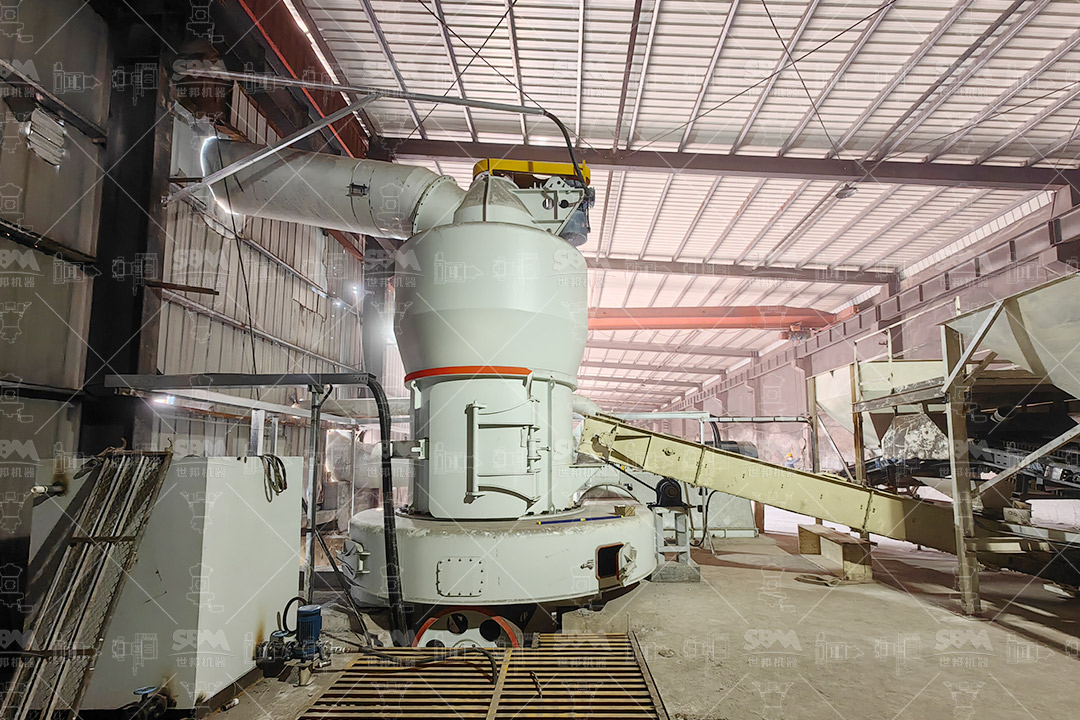
The grinding mill is the heart of the production line. The choice depends on the desired final fineness (typically 100-325 mesh for building gypsum) and capacity requirements.
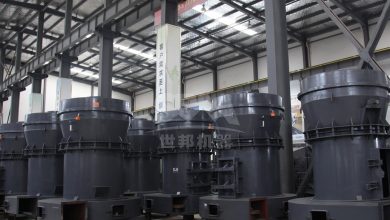
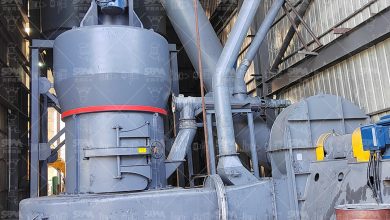
- SCM Series Ultrafine Mill (45-5μm): For producing high-value, ultra-fine gypsum powders, our SCM Series Ultrafine Mill is unmatched. It offers a capacity 2x that of jet mills with 30% lower energy consumption. Its intelligent control system and vertical turbine classifier ensure a precise, uniform product without coarse powder mixing.
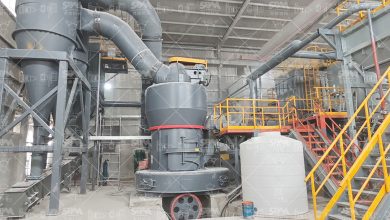
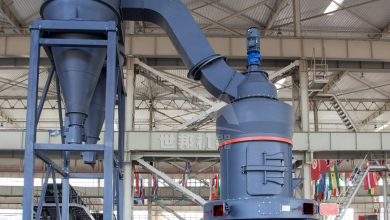
- MTW Series European Trapezium Mill (600-45μm): For standard building gypsum production with high efficiency, the MTW Mill is a workhorse. Its integral bevel gear drive achieves 98% transmission efficiency, and the anti-wear shovel design keeps maintenance costs low.
Recommended Product for Standard Production: MTW Series European Trapezium Mill
For a typical phosphogypsum project targeting standard building gypsum (fineness 80-325 mesh), we highly recommend the MTW138Z or MTW175G models. With a capacity of 6-25 t/h and robust wear parts, they provide the best balance of cost, efficiency, and reliability. For customers needing a finer product or working with harder calcined gypsum, the SCM1000 Ultrafine Mill is the optimal choice, offering capacities up to 8.5 t/h and fineness down to 2500 mesh (5μm).
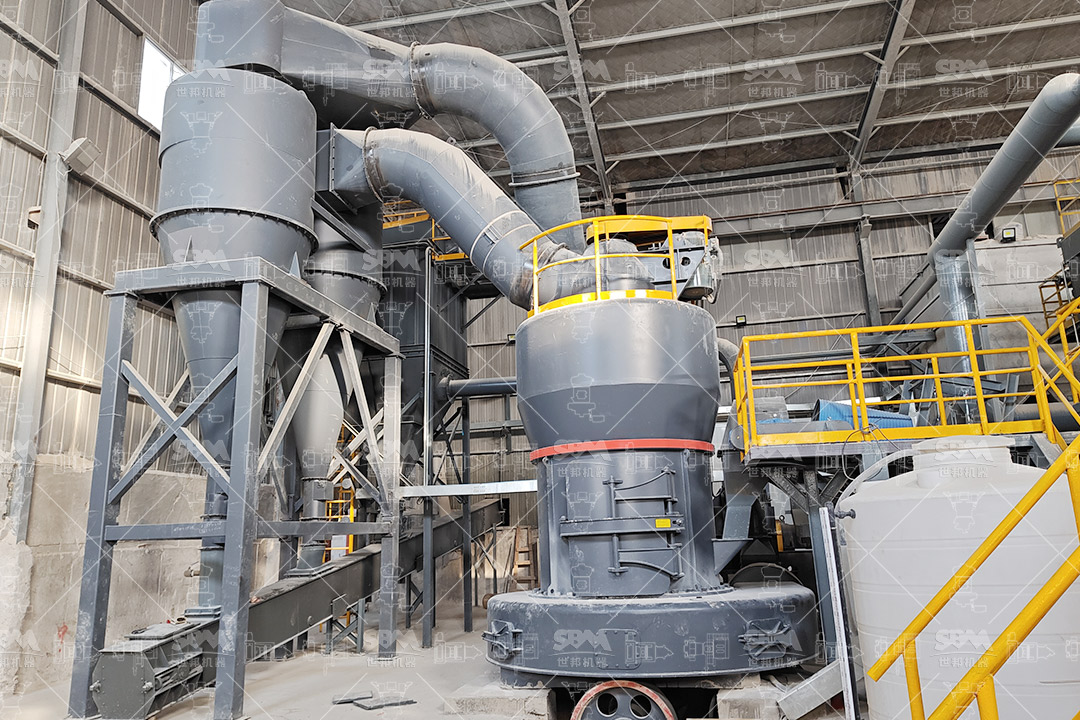
Stage 3: Classification and Dust Collection System
After grinding, the powder is classified and collected.
- Dynamic Classifier: Our vertical turbine classifier (integrated into the MTW and SCM mills) ensures precise particle size cutting.
- Cyclone Collector: For primary powder collection, our optimized cyclone design minimizes resistance and improves collection efficiency by 15%.
- Pulse Jet Bag Filter: This is critical for environmental compliance. Our system ensures dust emission concentrations are well below 20mg/Nm³, meeting the strictest international standards.
Stage 4: Auxiliary Equipment
- Conveying System: Air chutes and bucket elevators for closed, dust-free transport.
- Storage Silos: For finished product storage, typically with a capacity of 500-5000 tons.
- Packing Machine: Rotary or valve-type packers for bagging (25kg or 50kg bags).
- Control System: A central PLC system to monitor and control all parameters, reducing manual labor and ensuring consistent product quality.
Why Choose Our Grinding Mills for Your Gypsum Project?
Decades of experience in the mineral grinding industry have taught us that phosphogypsum presents unique challenges: it is sticky, corrosive, and has variable moisture. Our equipment is designed to overcome these issues. The MTW Series features a special volute structure and optimized airflow that prevents material build-up, while the SCM Series uses special alloy rollers that extend service life several times over standard models.
Whether you are planning a small-scale plant (5-10 t/h) or a large industrial operation (50-250 t/h), we have a complete equipment list and a proven solution to transform your phosphogypsum into a valuable, sellable product.
Conclusion
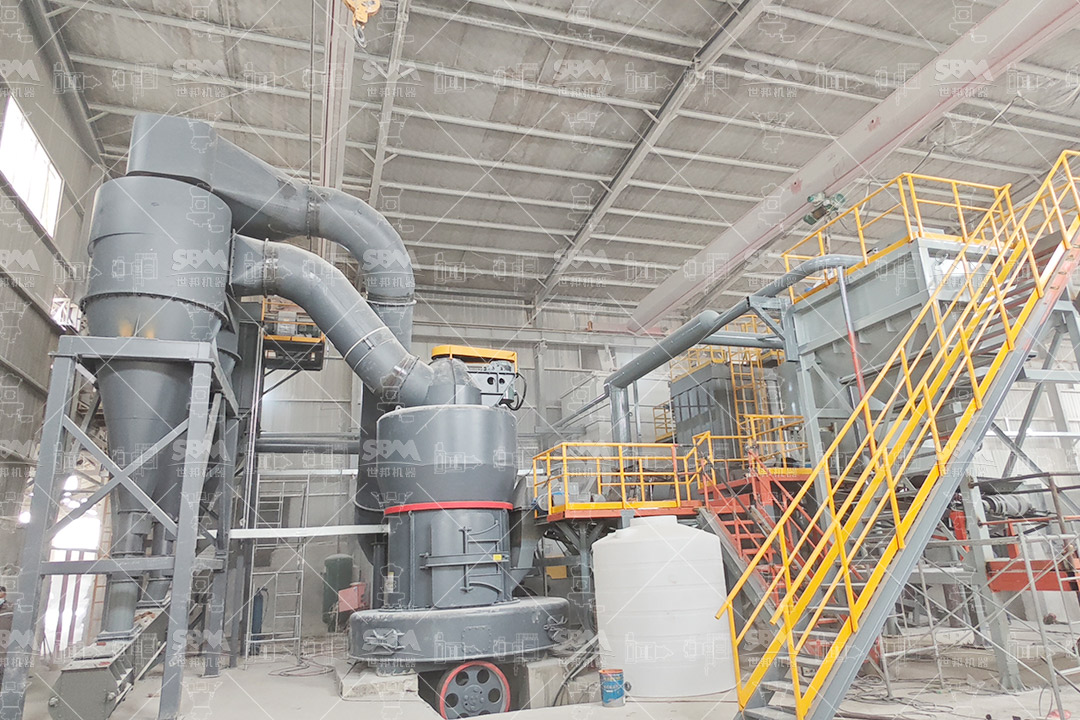
Building a gypsum powder line from phosphogypsum is a technically advanced process that demands high-quality machinery. From the initial hammer mill crushing to the final classification in our state-of-the-art mills, every piece of equipment plays a vital role. By selecting the MTW Series for standard applications or the SCM Series for ultra-fine requirements, you ensure high output, low operating costs, and a product that meets the highest construction industry standards. Contact our engineering team today for a custom equipment list and layout tailored to your specific raw material and capacity needs.