Dry Method High-Strength Gypsum Powder Production Equipment: Key Features and Selection Guide
Introduction
The production of high-strength gypsum powder via the dry method requires precision grinding equipment capable of achieving specific particle size distributions while maintaining energy efficiency and product purity. Unlike wet processes, dry methods eliminate the need for subsequent drying stages, making them more cost-effective and environmentally friendly. This article explores the key features of modern dry method gypsum powder production equipment and provides a comprehensive selection guide to help manufacturers optimize their operations.
High-strength gypsum, often used in construction materials, molds, and medical applications, demands precise control over fineness (typically 100-325 mesh for standard applications and 600-2500 mesh for ultrafine grades) and consistent quality. The right equipment can significantly impact production capacity, operational costs, and final product quality.
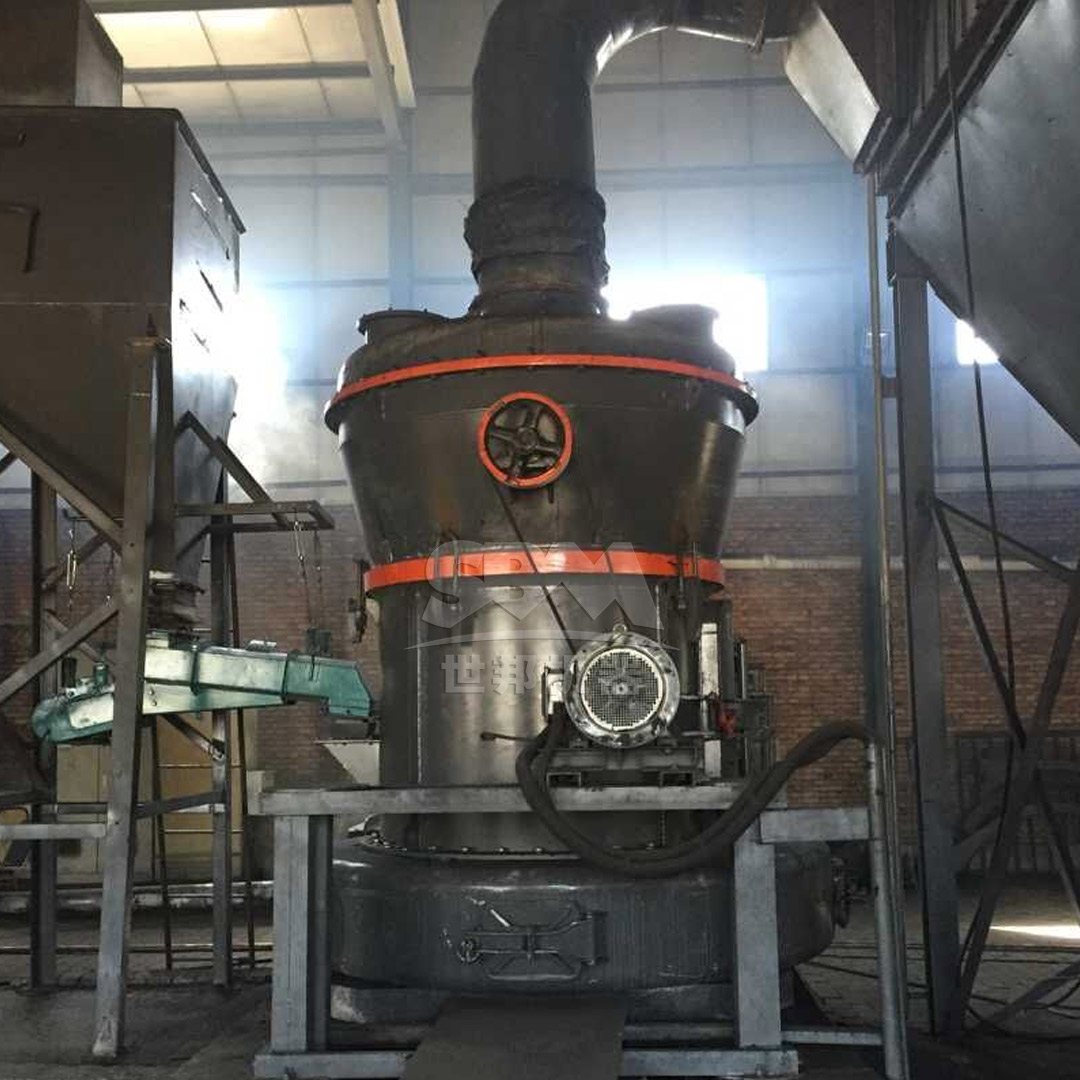
Key Features of Dry Method Gypsum Grinding Equipment
1. High Efficiency and Energy Savings
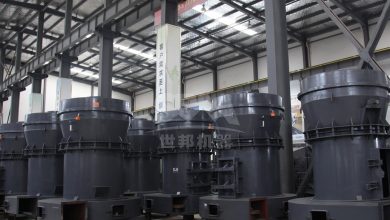
Modern dry grinding mills employ advanced grinding principles that maximize energy utilization. Compared to traditional ball mills, vertical roller mills and ultrafine mills can achieve 30-40% lower energy consumption. Our SCM Series Ultrafine Mill, for example, delivers twice the capacity of jet mills while consuming 30% less energy—a critical advantage for large-scale gypsum powder production.
The key to this efficiency lies in the layered grinding principle. Instead of random impact, materials are subjected to controlled compression between rollers and grinding rings, creating a stable material bed that optimizes the crushing process. Intelligent control systems with automatic finished product granularity feedback further enhance efficiency by maintaining optimal operating parameters in real time.
2. High-Precision Classification
Gypsum powder quality depends heavily on particle size uniformity. Modern equipment integrates vertical turbine classifiers or multi-rotor classifiers that achieve precise particle size cutting without coarse powder mixing. This ensures that every particle meets the specified fineness requirement, which is crucial for high-strength gypsum applications where even slight variations can affect setting time and final strength.
For example, the SCM Series Ultrafine Mill produces finishes from 325 to 2500 mesh (45-5μm) with exceptional uniformity. The classifier system continuously monitors and adjusts airflow to maintain the desired cut point, eliminating the need for downstream sieving in most applications.
3. Durable and Low-Maintenance Design
Gypsum is mildly abrasive, and equipment wear can significantly impact operating costs. Leading mills feature special material rollers and rings that extend service life several times over. The use of alloy steel with high chromium content, combined with surface hardening treatments, ensures that wear parts withstand continuous operation.
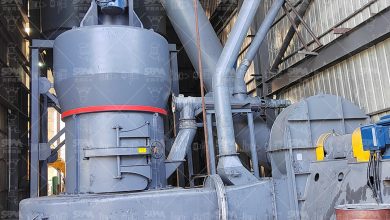
Additionally, shaftless screw grinding chambers and non-contact roller-table designs (found in LM Series Vertical Roller Mills) eliminate metal-to-metal contact during normal operation. This reduces friction, heat generation, and wear, resulting in longer maintenance intervals and lower spare parts costs. The MTW Series European Trapezium Mill, with its anti-wear shovel design and wear-resistant volute structure, reduces maintenance costs by 30% compared to conventional mills.
4. Eco-Friendly and Low Noise Operation
Environmental compliance is increasingly important in mineral processing. Dry method gypsum equipment should incorporate pulse dust collection systems that achieve emission levels below 10mg/Nm³, exceeding international standards. Fully sealed negative pressure operation prevents dust leakage, while soundproof room designs keep noise levels below 85dB(A).
Modern mills also feature intelligent control systems that optimize fan speed and classification parameters based on real-time load conditions, reducing unnecessary energy consumption during low-demand periods.
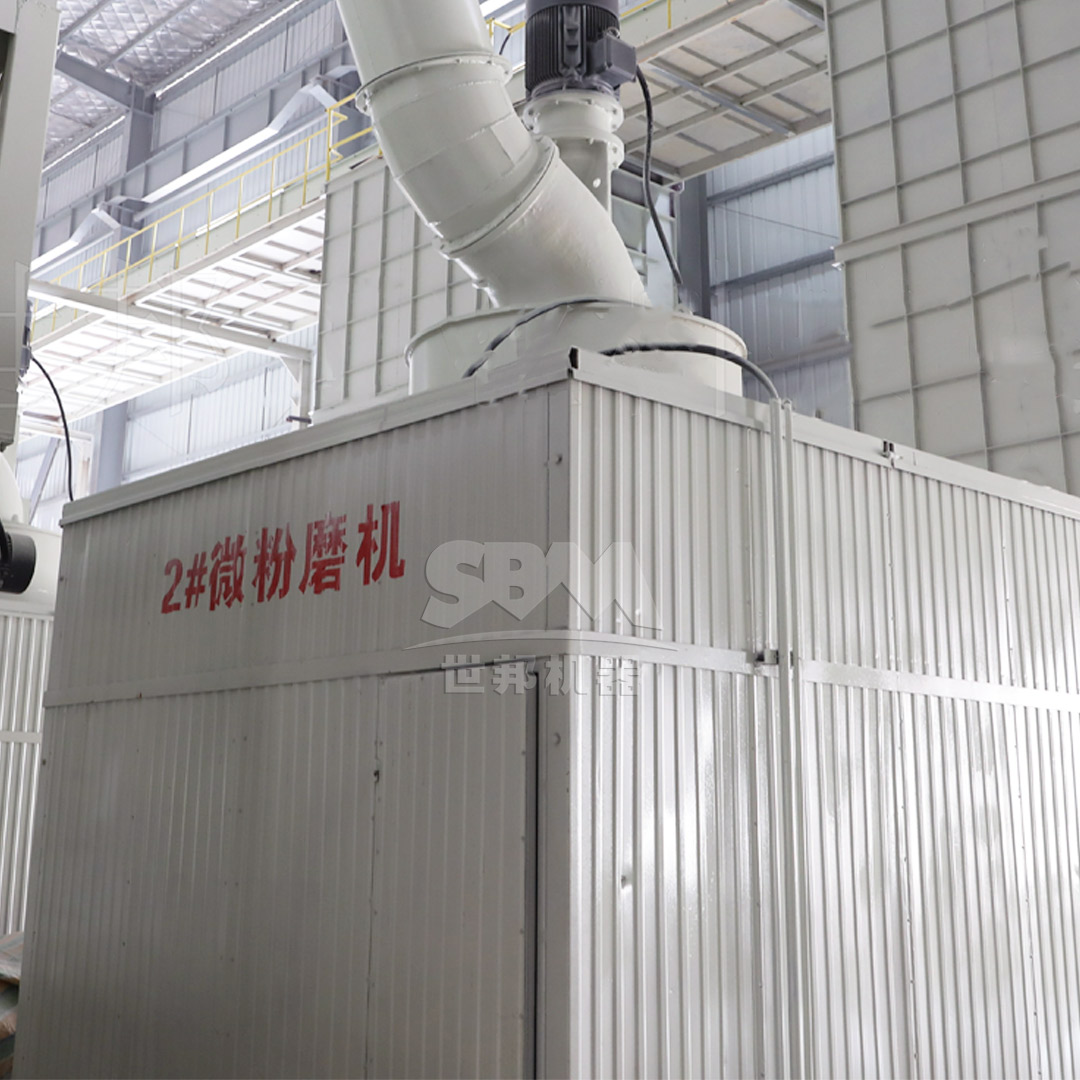
Selection Guide for Dry Method Gypsum Production
1. Determine Target Fineness and Capacity
The first step in equipment selection is defining the required product fineness and production capacity. For standard gypsum powder (100-325 mesh), medium-speed mills like the MTW Series or LM Series Vertical Roller Mill are ideal, offering capacities from 3 to 250 ton/h. For ultrafine gypsum powder (325-2500 mesh) used in high-end applications such as dental molds or precision casting, the SCM Series Ultrafine Mill or LUM Ultrafine Vertical Roller Mill is the better choice, delivering 0.5-25 ton/h with exceptional fineness control.
Consider future expansion needs. Selecting equipment with a slightly higher capacity than current requirements can accommodate production growth without requiring complete system replacement.
2. Evaluate Feed Material Characteristics
Gypsum feed size and moisture content influence equipment choice. Most dry mills can handle feed sizes up to 20-50mm, but larger feed requires pre-crushing with a hammer mill or jaw crusher. If moisture content exceeds 5%, consider equipment that can handle slight moisture or incorporate a drying system. The LM Series Vertical Roller Mill can process materials with up to 15% moisture when equipped with hot air, making it versatile for variable-quality gypsum.
Hardness is another factor. Gypsum has a Mohs hardness of 2, making it relatively soft. However, if the feed contains impurities like silica or limestone, harder grinding elements may be needed.
3. Compare Grinding Technologies
| Parameter | SCM Ultrafine Mill | MTW Trapezium Mill | LM Vertical Roller Mill |
|---|---|---|---|
| Fineness (mesh) | 325-2500 | 30-325 | 30-600 |
| Capacity (t/h) | 0.5-25 | 3-45 | 3-250 |
| Feed Size (mm) | ≤20 | ≤50 | ≤50 |
| Energy Efficiency | Excellent | Good | Excellent |
| Maintenance Cost | Low | Very Low | Low |
| Application | Ultrafine grinding | Standard grinding | Large-capacity grinding |
4. Consider System Integration
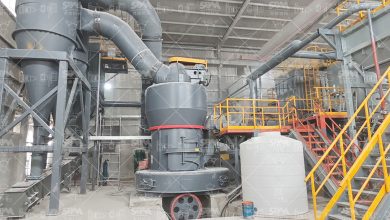
Modern gypsum production lines benefit from integrated systems that combine crushing, grinding, classification, and dust collection in a single footprint. Equipment with integrated design—like the LM Series—reduces floor space by up to 50% and infrastructure costs by 40%, as outdoor installation is possible. This is particularly advantageous in space-constrained facilities or new greenfield projects.
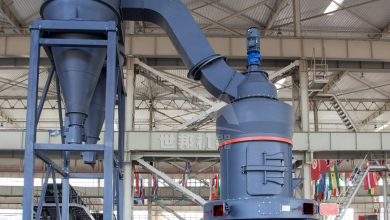
Also evaluate control systems. Equipment with intelligent control (PLC-based with remote monitoring) reduces manual intervention and ensures consistent product quality. The MTW Series features an internal suction oil lubrication system and internationally advanced pulse dust removal technology, making it a turnkey solution for medium-scale producers.
5. Analyze Total Cost of Ownership (TCO)
Beyond initial purchase price, consider energy consumption, wear part life, maintenance labor, and downtime costs. While ultrafine mills typically have higher initial costs than conventional mills, their energy savings and lower maintenance requirements often result in a lower TCO over 5-10 years.
For example, the SCM Series Ultrafine Mill consumes 30% less energy than jet mills while delivering 2x capacity. With wear parts lasting several times longer than standard rollers, the payback period is typically 12-18 months for continuous operations.
Similarly, the MTW Series European Trapezium Mill, with its optimized arc air duct and integral bevel gear drive achieving 98% transmission efficiency, offers a 30% reduction in maintenance costs. Combined with its anti-wear shovel design, this mill provides excellent ROI for producers requiring 3-45 ton/h of standard gypsum powder.
6. Verify After-Sales Support
Equipment reliability depends on timely spare parts availability and technical support. Choose manufacturers with local service centers, remote diagnostic capabilities, and comprehensive warranties. Our company provides full lifecycle support, including installation supervision, operator training, and preventive maintenance programs tailored to your production schedule.
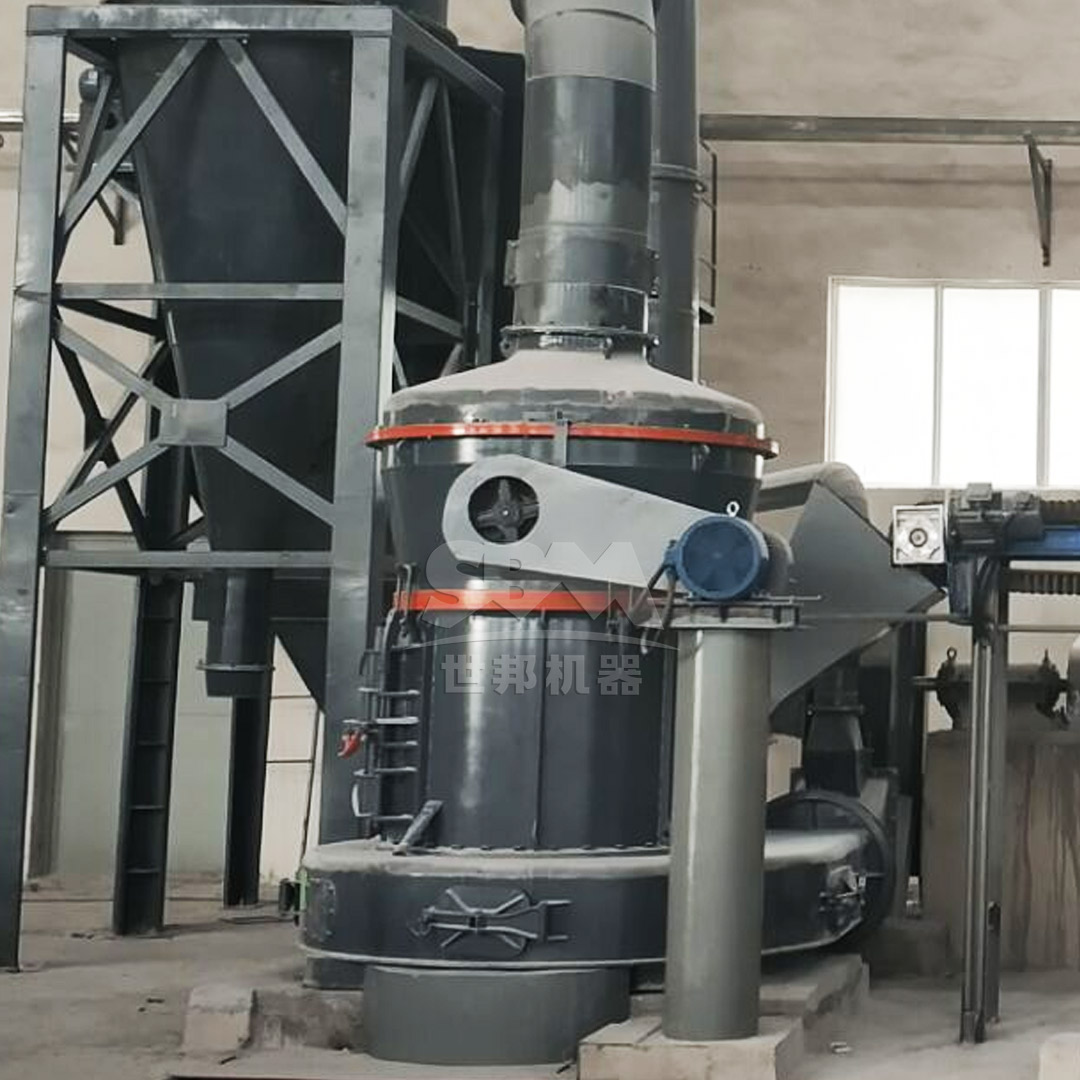
Conclusion
Selecting the right dry method high-strength gypsum powder production equipment requires careful evaluation of fineness requirements, capacity needs, feed characteristics, and total cost of ownership. Modern mills like the SCM Series Ultrafine Mill (ideal for 325-2500 mesh applications) and the MTW Series European Trapezium Mill (for 30-325 mesh standard production) offer proven solutions with high efficiency, durability, and environmental compliance.
By following this selection guide and leveraging our technical expertise, you can build a gypsum powder production line that maximizes productivity, minimizes operating costs, and delivers consistent product quality. Contact our engineers today for a free consultation and equipment recommendation tailored to your specific requirements.