Method for Producing High-Grade Titanium Slag from Vanadium-Titanium Magnetite Using Vertical Mill
1. Introduction
The efficient utilization of vanadium-titanium magnetite (V-Ti magnetite) is a critical challenge in the metallurgical industry. Traditional blast furnace processes often fail to recover titanium resources effectively, resulting in significant waste. A promising alternative involves producing high-grade titanium slag through a pre-reduction and electric furnace smelting process. A key step in this flowsheet is the fine grinding of the pre-reduced material to liberate metallic iron from the titanium-rich slag phase. This article presents a robust method for producing high-grade titanium slag (>85% TiO2) using advanced vertical roller mill technology, specifically tailored to handle the abrasive and high-density characteristics of pre-reduced V-Ti magnetite concentrates.
2. Raw Material Characteristics and Process Requirements
The feed material for the titanium slag process is typically a pre-reduced pellet or briquette with a particle size of P80 < 20mm. This material has a complex mineralogy consisting of metallic iron (Fe), titanomagnetite (Fe2TiO4), and various gangue minerals (MgO, Al2O3, SiO2). The hardness and abrasiveness of these components are high, with a Bond Work Index often exceeding 20 kWh/t. The objective of the grinding stage is to achieve a product fineness of approximately 80% passing 74μm (200 mesh) to ensure optimal magnetic separation efficiency. This requires a mill that offers high capacity, low energy consumption, and superior wear resistance.
3. Recommended Equipment: The SCM Series Ultrafine Mill
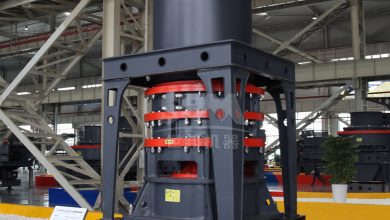
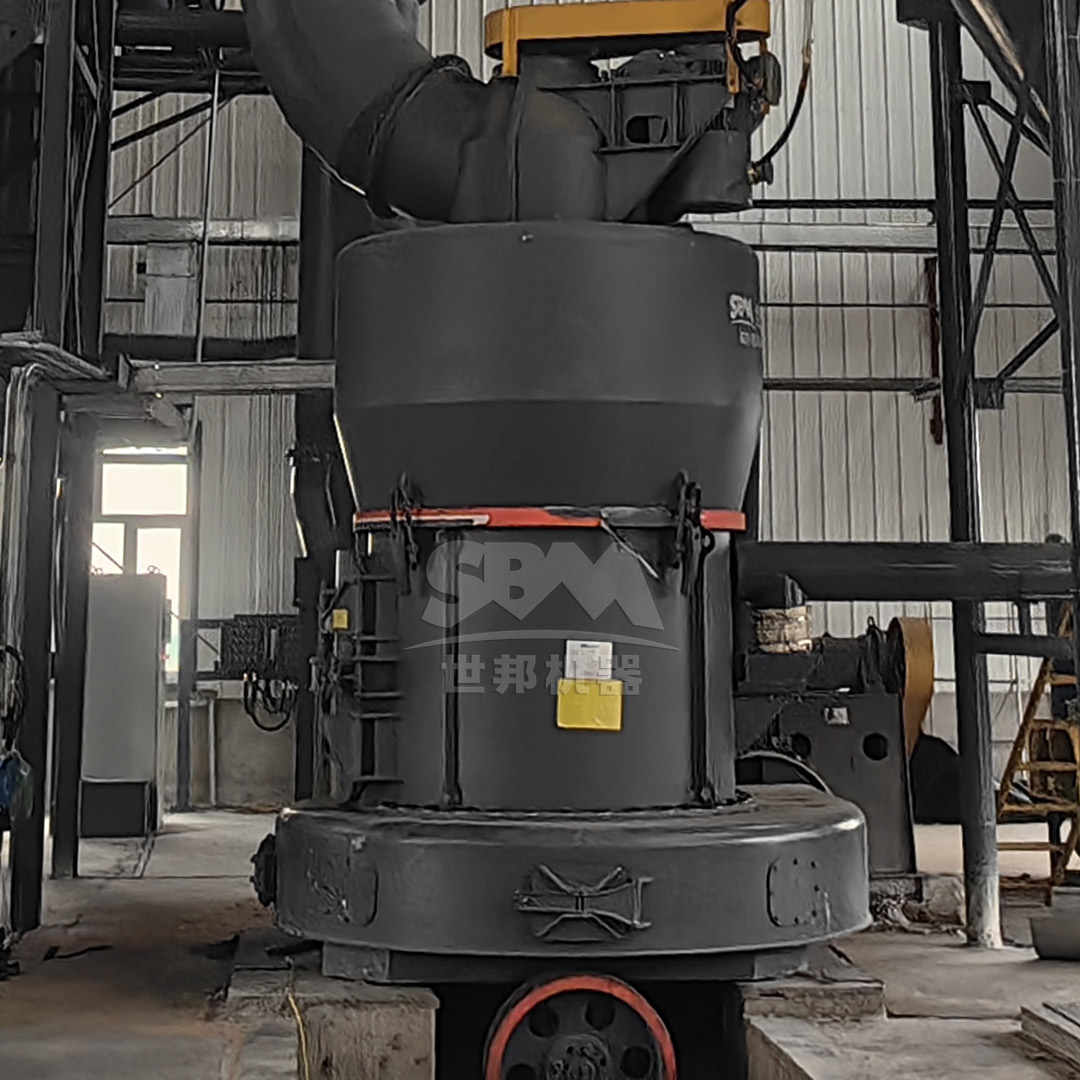
For the grinding stage requiring a final product fineness of 45-5μm (325-2500 mesh), we highly recommend the SCM Series Ultrafine Mill. This mill is the ideal solution for high-grade titanium slag production when the target fineness is extremely fine. With an input size of ≤20mm and a capacity ranging from 0.5 to 25 tons per hour, the SCM series offers unparalleled efficiency for this demanding application.
Technical Advantages for This Application:
- High Efficiency & Energy Saving: The SCM series achieves a capacity twice that of jet mills while consuming 30% less energy, a critical factor in the energy-intensive titanium slag process.
- High-Precision Classification: Its vertical turbine classifier ensures a precise and uniform finished product cut, eliminating coarse powder contamination. This is vital for producing a consistent slag product.
- Durable Design: The special material rollers and rings extend service life significantly, minimizing downtime and maintenance in this high-wear environment.
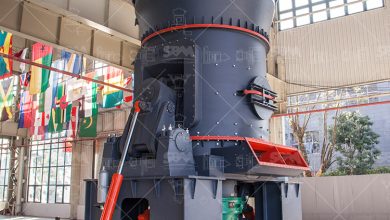
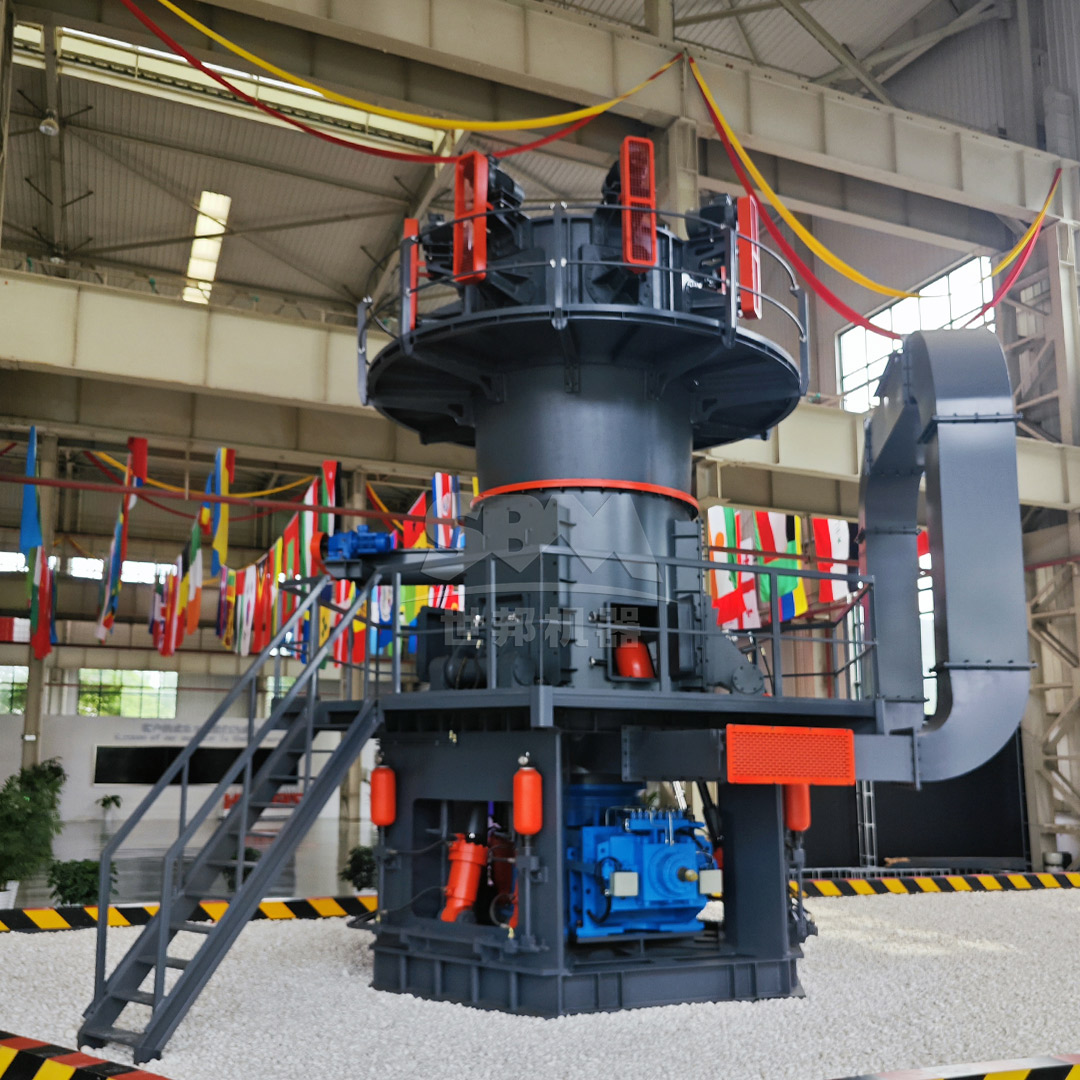
For less demanding fineness requirements (30-325 mesh), the LM Series Vertical Roller Mill is also an excellent choice due to its high capacity (up to 250 t/h) and low operational costs.
4. The Grinding Process and Working Principle
In the vertical mill system, pre-reduced V-Ti material is fed into the mill via a vibrating feeder. Inside the grinding chamber, the material is distributed evenly across the grinding table by centrifugal force. The rollers apply sufficient pressure to crush the material layer, grinding it layer by layer. The fine powder is then carried upwards by an air stream to the high-efficiency classifier. The classifier rejects coarse particles, returning them to the grinding table for further size reduction, while the qualified fines are collected in a cyclone collector and a pulse dust removal system, ensuring an eco-friendly and low-noise operation.
5. Case Study: Flowsheet for High-Grade Slag (TiO2 >85%)
- Pre-Reduction: V-Ti magnetite concentrate is pelletized and pre-reduced in a rotary kiln to convert iron oxides to metallic iron.
- Fine Grinding: The pre-reduced pellets are ground in an SCM1000 Ultrafine Mill to a fineness of d90 < 45μm.
- Magnetic Separation: A low-intensity magnetic separator removes the metallic iron powder, leaving a non-magnetic titanium-rich slag.
- Final Processing: The titanium slag is further processed through leaching or smelting to achieve the desired TiO2 grade.
6. Models and Specifications
We offer a range of SCM models to fit varying capacity and fineness requirements:
- SCM800: Capacity 0.5-4.5 t/h, Main Power 75kW.
- SCM1000: Capacity 1.0-8.5 t/h, Main Power 132kW.
- SCM1250: Capacity 2.5-14 t/h, Main Power 185kW.
- SCM1680: Capacity 5.0-25 t/h, Main Power 315kW.
All models can process feed sizes up to 20mm and achieve a fineness range of 325-2500 mesh.
7. Patented Technology and Environmental Compliance
Our mills incorporate patented technology like modular grinding roller assemblies and dynamic classifier multi-stage adjustment. The entire system operates under a sealed negative pressure, with a pulse dust collection efficiency exceeding international standards, guaranteeing dust emissions of <30mg/Nm³ and operating noise levels of <85dB.
8. Conclusion
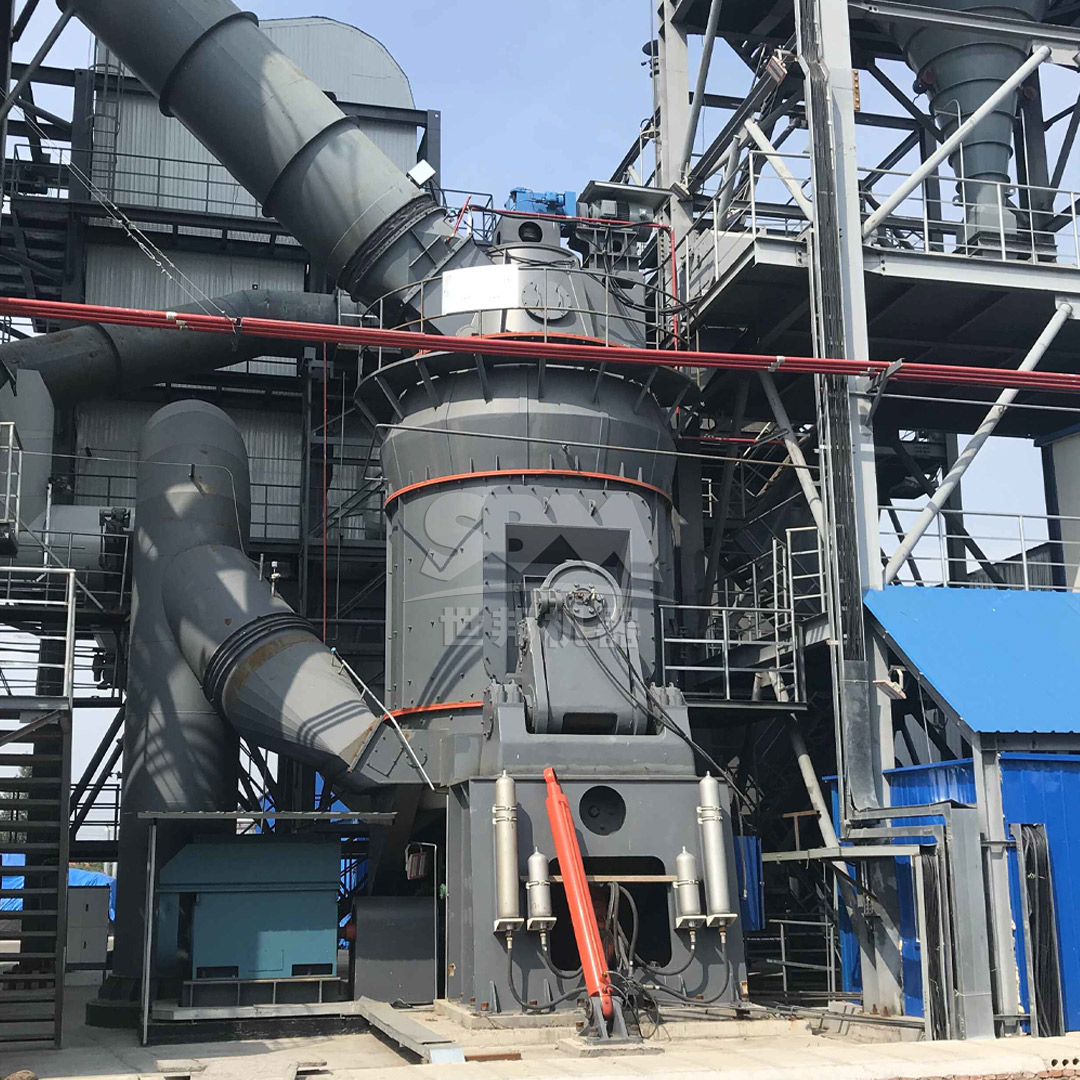
The use of a vertical mill, particularly the SCM Series Ultrafine Mill or LM Series Vertical Roller Mill, provides an efficient and economical method for producing high-grade titanium slag from vanadium-titanium magnetite. Its high capacity, low energy consumption, and precise classification capabilities make it the ideal equipment for this complex and abrasive material, enabling the sustainable and profitable recovery of titanium resources.