
The Role of Mineral Fillers in Coatings: Functions, Benefits, and Selection Guide
Introduction
Mineral fillers are indispensable components in modern coatings formulations. Far from being simple extenders, they significantly influence the rheological, mechanical, optical, and barrier properties of paint and coating systems. As the coatings industry moves toward higher performance, sustainability, and cost efficiency, the strategic selection of mineral fillers has become a critical formulating skill. This article explores the functions of mineral fillers, their benefits, and provides a practical selection guide, with reference to advanced grinding equipment that ensures consistent filler quality.
Functions of Mineral Fillers in Coatings
Mineral fillers serve multiple functions in a coating film. Physically, they occupy volume, reducing the amount of binder required and lowering raw material costs. Rheologically, fillers control viscosity, sag resistance, and leveling. Optically, they can influence gloss, opacity, and color. Mechanically, they enhance hardness, abrasion resistance, and tensile strength. Barrier properties are improved by extending the diffusion path for moisture and corrosive species. Additionally, certain fillers provide flame retardancy, anti-settling behavior, and UV stabilization. The particle size distribution (PSD) of the filler is paramount—it determines packing density, surface area, and the balance between hiding power and gloss.
Key Benefits of Optimized Filler Selection
Properly selected mineral fillers deliver cost reduction without sacrificing performance. High packing density fillers lower binder demand, reducing volatile organic compounds (VOC) and carbon footprint. Controlled fine particles improve film smoothness and opacity, while coarse grades enhance scrub resistance and texture. In industrial coatings, fillers such as calcium carbonate, talc, kaolin, and barytes improve corrosion resistance and weathering. In architectural paints, they provide sheen control and tint retention. The use of ultrafine fillers (e.g., 5–45 μm) enables high gloss and superior dispersion, critical for automotive and coil coatings.
Selection Guide: Matching Filler Properties to Coating Requirements
Selecting the right mineral filler requires balancing several parameters: particle size and distribution, oil absorption, refractive index, hardness, and chemical inertness. For high-gloss coatings, fine fillers with narrow PSD and low oil absorption are preferred. For matte finishes, coarser grades or silica-based fillers are used. In anti-corrosion primers, lamellar fillers like talc and mica enhance barrier effects. In exterior paints, weather-resistant fillers such as barium sulfate and calcium carbonate with high brightness are suitable. The grinding method profoundly affects filler quality—particle shape, surface roughness, and contamination level. Advanced mills that achieve precise top-cut and minimal coarse particles are essential for premium fillers.
Advanced Grinding Technology for High-Quality Mineral Fillers
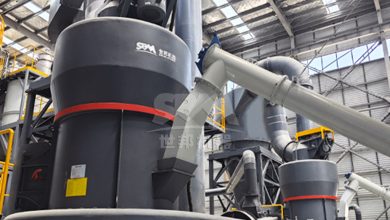
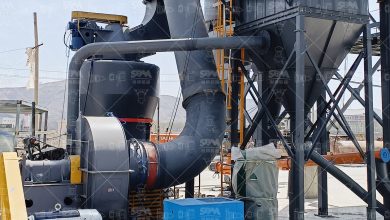
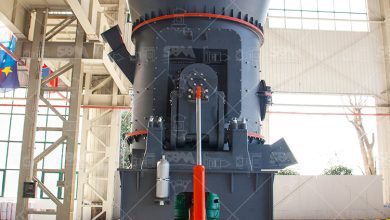
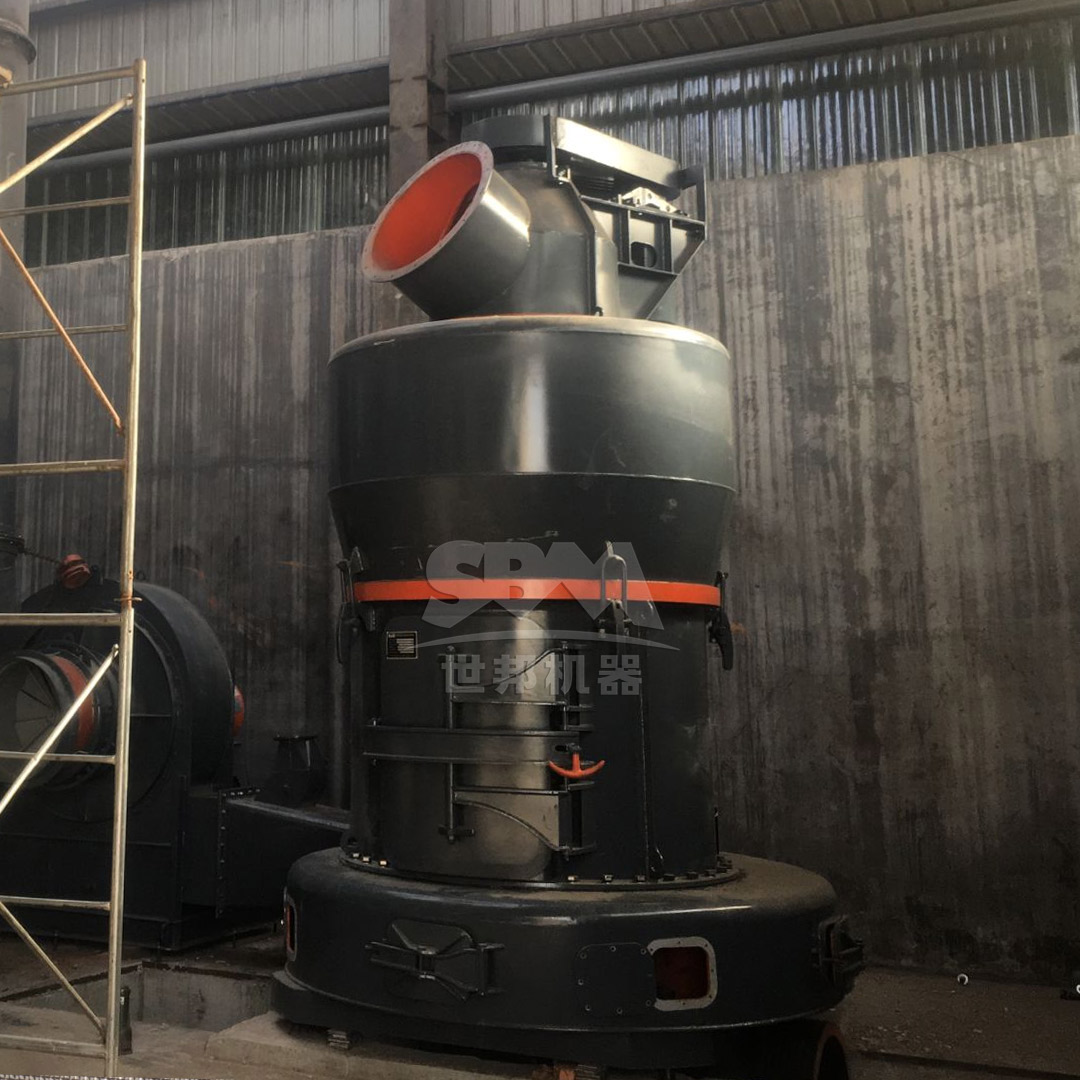
To produce fillers that meet stringent coating specifications, manufacturers rely on efficient and precise grinding systems. Two products from our company excel in this domain: the SCM Series Ultrafine Mill and the MTW Series European Trapezium Mill.
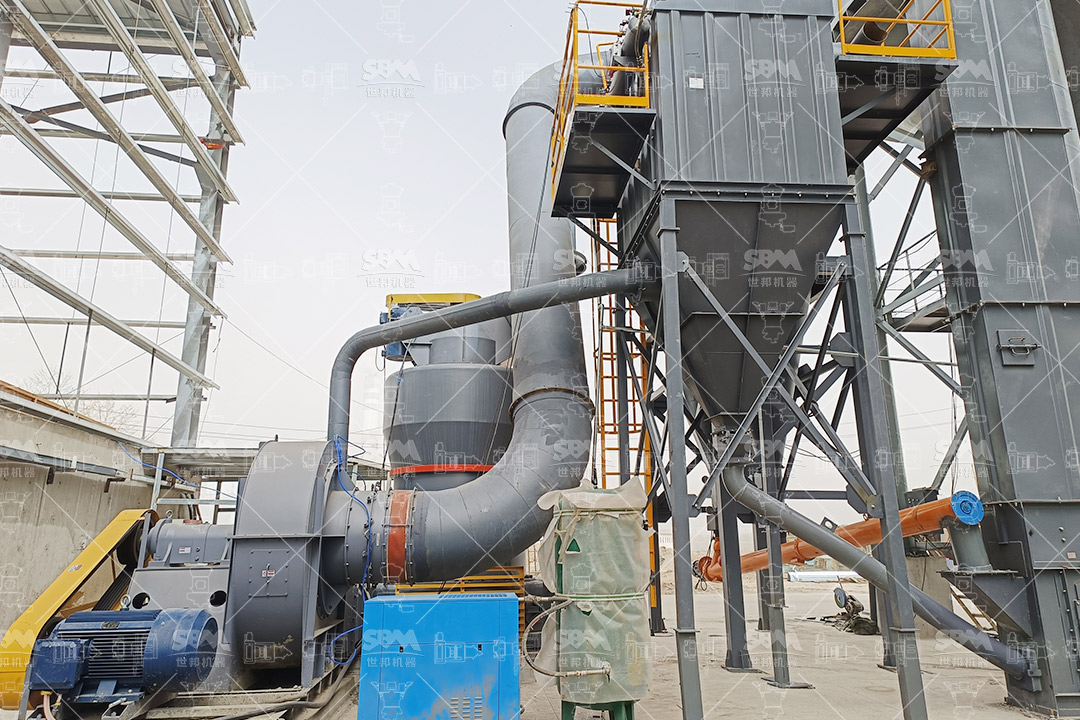
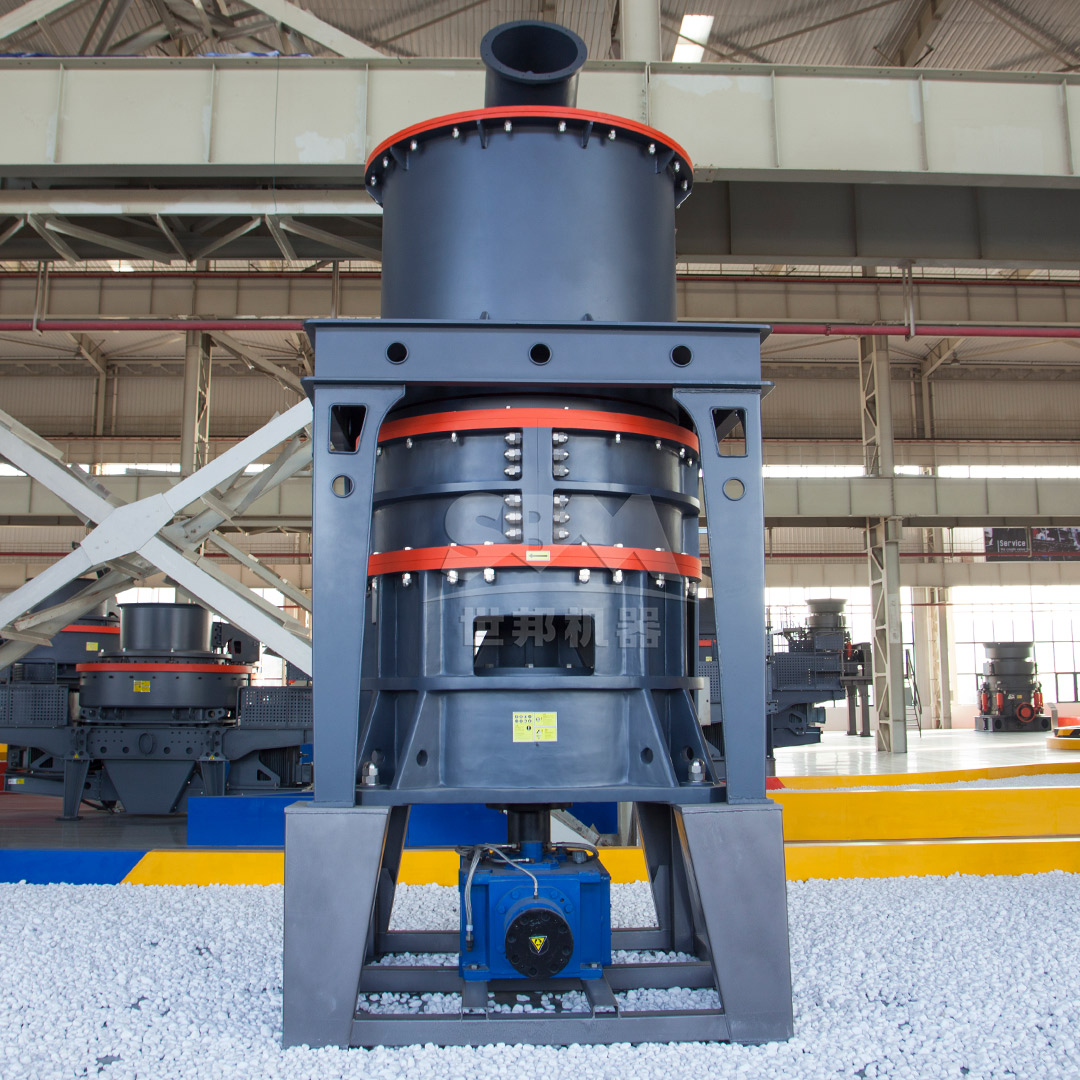
The SCM Series Ultrafine Mill is engineered for ultrafine grinding (325–2500 mesh) with output fineness down to 5 μm. Its vertical turbine classifier ensures precise particle size cutting, eliminating coarse powder contamination—a critical factor for high-gloss coatings. With capacity up to 25 t/h and 30% lower energy consumption than jet mills, it delivers both productivity and sustainability. The intelligent control system provides automatic feedback on finished product granularity, ensuring batch-to-batch consistency.
For medium-fine fillers (30–325 mesh), the MTW Series European Trapezium Mill offers exceptional efficiency. Its optimized arc air duct reduces airflow energy loss, and the integral bevel gear drive achieves 98% transmission efficiency. The wear-resistant volute structure lowers maintenance costs by 30%. With capacities from 3 to 45 t/h, the MTW mill is ideal for producing fillers for architectural and industrial coatings where consistent PSD and low contamination are required.
Case Applications and Formulation Tips
In a typical interior emulsion paint, a blend of 10–15 μm calcium carbonate and 2–5 μm talc provides opacity, scrub resistance, and cost efficiency. For an automotive clearcoat, ultrafine barium sulfate (< 5 μm) with narrow PSD ensures gloss and DOI (distinctness of image). In epoxy floor coatings, silica flour (325 mesh) improves abrasion resistance. When formulating with fillers, always consider critical pigment volume concentration (CPVC)—exceeding it leads to insufficient binder and poor film integrity. Using well-classified fillers from SCM or MTW mills helps maintain consistent CPVC and avoid defects.
Conclusion
Mineral fillers are strategic ingredients that directly impact coating performance, cost, and environmental profile. By understanding their functions and selecting the right particle size and chemistry, formulators can achieve optimal balance. Investing in advanced grinding equipment such as the SCM Ultrafine Mill and MTW European Trapezium Mill ensures fillers with precise PSD, low contamination, and high consistency—essential for competitive coatings. As regulations tighten and performance demands rise, the role of engineered mineral fillers will only grow, and so will the importance of reliable grinding technology.