
Quartz Sand Grinding Mill Manufacturer: Understanding the Applications of Quartz Sand in the Foundry Industry
Introduction: The Indispensable Role of Quartz Sand in Modern Foundries
In the complex and demanding world of metal casting, the selection of raw materials is not merely a logistical choice; it is a critical determinant of product quality, production efficiency, and operational cost. Among the pantheon of essential foundry materials, quartz sand stands as a cornerstone. Its unique physical and chemical properties make it the most widely used molding material in foundries globally. For any quartz sand grinding mill manufacturer, understanding the precise requirements of the foundry industry is paramount to delivering solutions that enhance the entire casting process. This article explores the multifaceted applications of quartz sand in foundries and demonstrates how advanced grinding technology is essential for unlocking its full potential.
Quartz sand, primarily composed of silicon dioxide (SiO₂), is valued for its high refractoriness, excellent thermal stability, and superior mechanical properties. However, raw quartz sand extracted from natural deposits rarely meets the stringent specifications required for high-quality mold and core production. It must undergo a precise processing journey, with grinding being a pivotal stage. The particle size distribution, grain shape, and surface characteristics—all of which can be meticulously controlled by advanced milling equipment—directly influence mold strength, permeability, and the surface finish of the final casting.
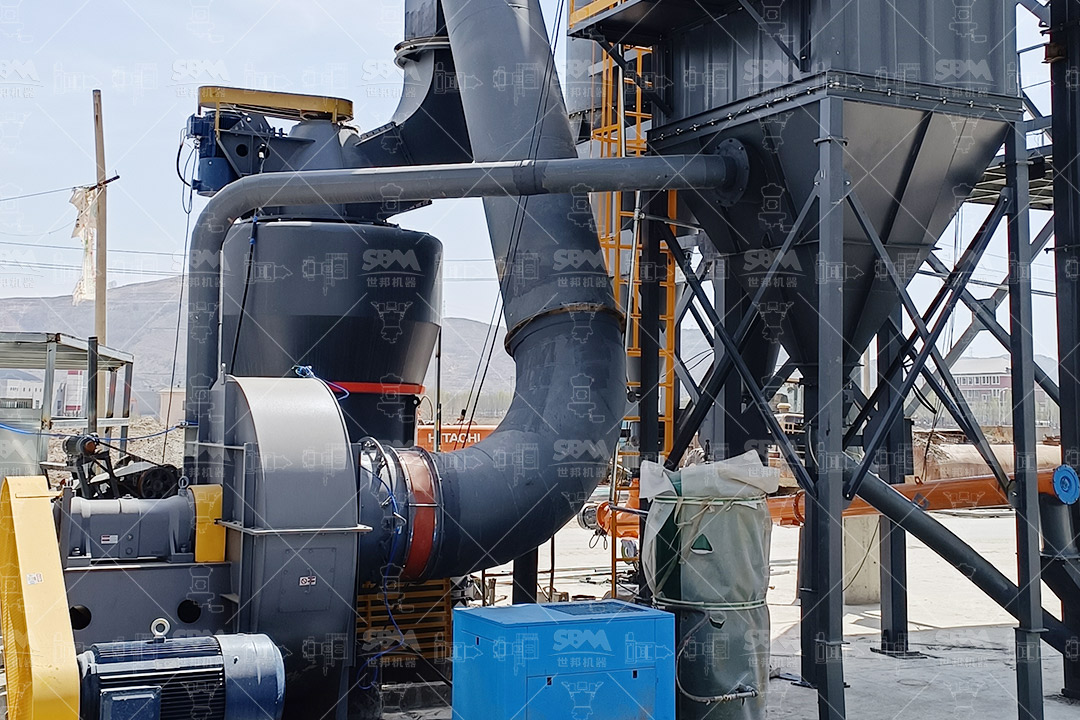
As a leading innovator in powder processing technology, we provide a comprehensive suite of industrial mills designed to process quartz sand for the most demanding foundry applications. Our expertise as a quartz sand grinding mill manufacturer allows foundries to achieve unprecedented control over their sand preparation, leading to superior castings and optimized operational workflows.
Core Applications of Quartz Sand in the Foundry Industry
Quartz sand serves several critical functions within a foundry, each demanding specific material characteristics. Its applications can be broadly categorized into molding, core-making, and other specialized uses.
1. Molding Sand: The Foundation of Every Casting
The most significant application of quartz sand is in the creation of molds into which molten metal is poured. The mold must withstand extreme thermal shock, possess sufficient green strength to hold its shape, and exhibit high permeability to allow gases and steam to escape during pouring. These properties are directly linked to the quality of the sand.
- Green Sand Molds: This is the most common and cost-effective method. It consists of a mixture of quartz sand, a clay binder (like bentonite), water, and other additives. The role of the quartz sand is to provide the refractory skeleton. The grain size and distribution are critical: a well-graded sand with a specific mix of coarse and fine particles (controlled by grinding) ensures high packing density, reducing porosity and increasing mold strength.
- Resin-Bonded Sand Molds: For higher-precision castings with superior surface finish, resin-coated quartz sand is used. A thermosetting resin is mixed with the sand. The sand’s surface chemistry and cleanliness are vital for the resin to adhere effectively. Grinding processes that create clean, angular sand grains can enhance the mechanical interlocking between sand and resin, leading to stronger molds.
2. Core Sand: Creating Internal Cavities
Cores are used to form the internal passages and cavities within a casting. They are typically made from quartz sand bonded with resins or other binders, similar to resin-bonded molds. The demands on core sand are even more stringent than on molding sand. It must have high strength to resist the pressure of molten metal, excellent collapsibility for easy removal after casting, and high thermal stability to prevent distortion.
Controlling the particle size of quartz sand for cores is paramount. A finer, more uniform sand, often achieved through ultrafine grinding and precise classification, produces cores with a smoother surface. This directly translates to a smoother internal surface in the final casting, reducing the need for post-casting machining. Our advanced mills are engineered to provide the exact fineness and consistency required for high-performance core sand.
3. Specialized Applications
Beyond molds and cores, quartz sand is used in other foundry processes:
- Refractory Coatings: A slurry of fine quartz sand and other refractory materials is often applied to the surface of molds and cores. This ‘wash’ creates a thermal barrier, preventing the molten metal from reacting with the sand and improving the surface finish. The fineness of the quartz sand in these coatings is crucial for a smooth application.
- Lost Foam Casting: In this process, a foam pattern is coated with a refractory slurry and embedded in unbonded quartz sand. The sand supports the pattern as it is vaporized by the molten metal. The sand’s flowability and permeability are key, which are influenced by its particle shape and size distribution.
How Advanced Grinding Technology Optimizes Quartz Sand
Raw quartz sand is not a one-size-fits-all material. The journey from raw sand to a high-performance foundry material requires controlled comminution and classification. This is where the expertise of a quartz sand grinding mill manufacturer becomes indispensable. The right milling technology can transform quartz sand by:
- Controlling Particle Size Distribution (PSD): Foundry-grade sand requires a specific PSD (e.g., AFS GFN). Our mills can be precisely adjusted to produce a targeted PSD, ensuring optimal packing density, permeability, and strength in the final mold or core.
- Optimizing Grain Shape: Round grains are generally preferred for flowability, while angular grains can enhance interlocking and bonding. Advanced grinding techniques can produce the desired grain morphology for specific applications.
- Increasing Surface Area: For resin-bonded systems, a higher surface area allows for better binder coating, resulting in stronger molds and cores with lower binder content. Ultrafine grinding significantly increases the surface area of quartz sand particles.
- Ensuring Purity: Our equipment incorporates efficient dust collection and material handling systems to prevent contamination, ensuring the final product remains chemically inert.
Introducing Our Solutions for the Foundry Industry
As a premier quartz sand grinding mill manufacturer, we understand the critical nature of sand preparation. To meet the diverse needs of the foundry industry, we offer two highly advanced milling solutions designed to produce premium quartz sand.
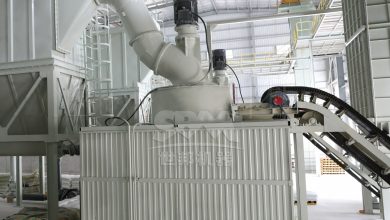
SCM Series Ultrafine Mill: The Key to High-Performance Core Sand
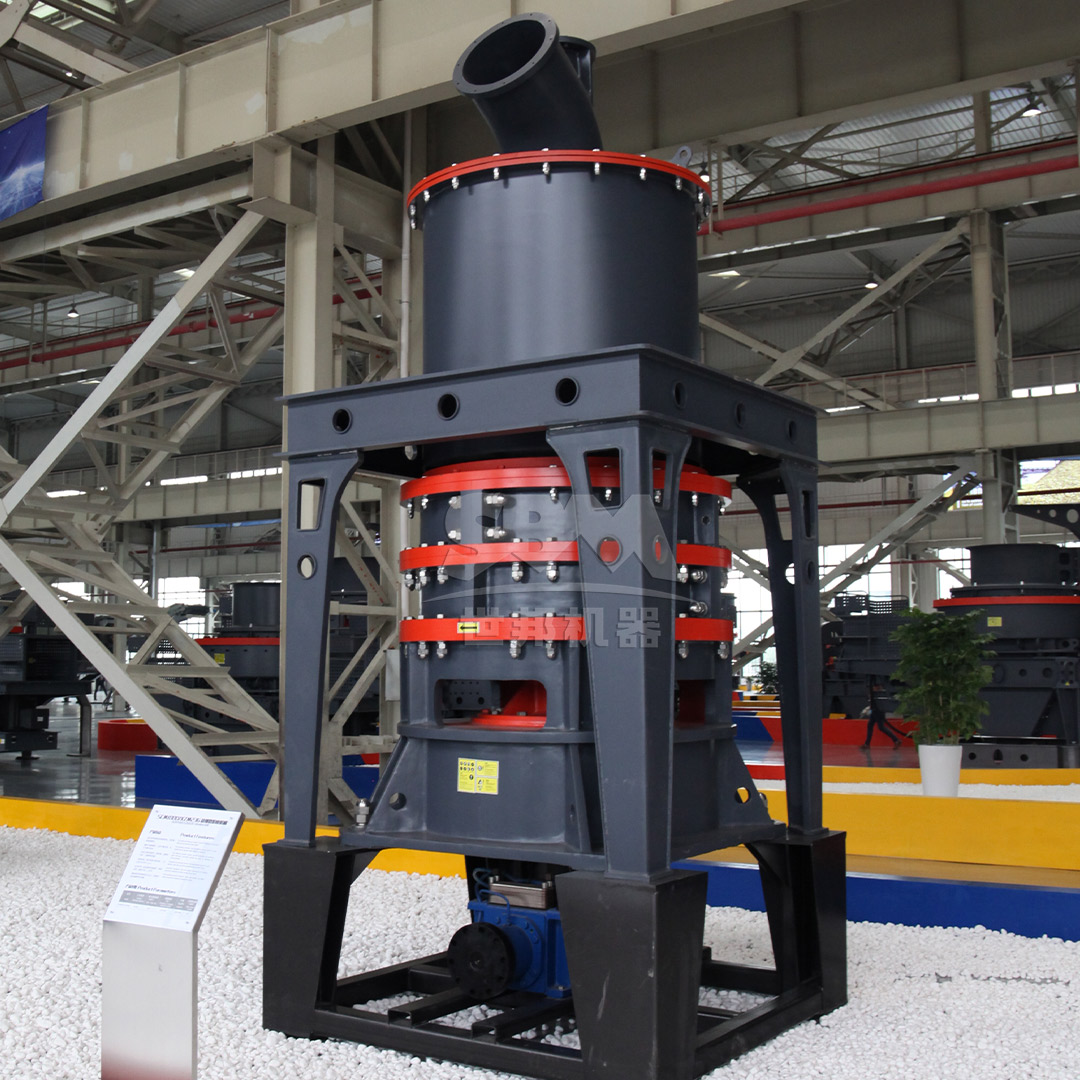
For foundries producing complex, high-precision castings, the quality of core sand is non-negotiable. The SCM Series Ultrafine Mill is engineered to produce quartz powder with exceptional fineness and consistency, making it an ideal choice for high-end resin-bonded core sand and refractory coatings.
With an output fineness ranging from 325 to 2500 mesh, this mill allows for the precise creation of ultrafine quartz powder. Its high-precision vertical turbine classifier ensures that there is no coarse powder mixing, resulting in a uniform finished product that leads to stronger, smoother cores and a superior casting surface. The intelligent control system with automatic granularity feedback provides unparalleled consistency, batch after batch. By investing in SCM Series Ultrafine Mill, foundries can significantly reduce defects related to core erosion and burn-on, while also improving the collapsibility of their cores. Furthermore, its energy-efficient design, consuming 30% less energy than jet mills, contributes to lower operational costs and a smaller environmental footprint.
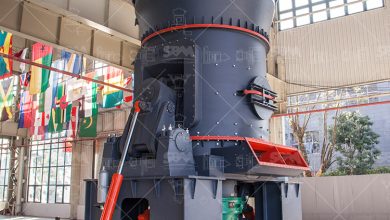
LM Series Vertical Roller Mill: The Workhorse for Large-Scale Sand Preparation
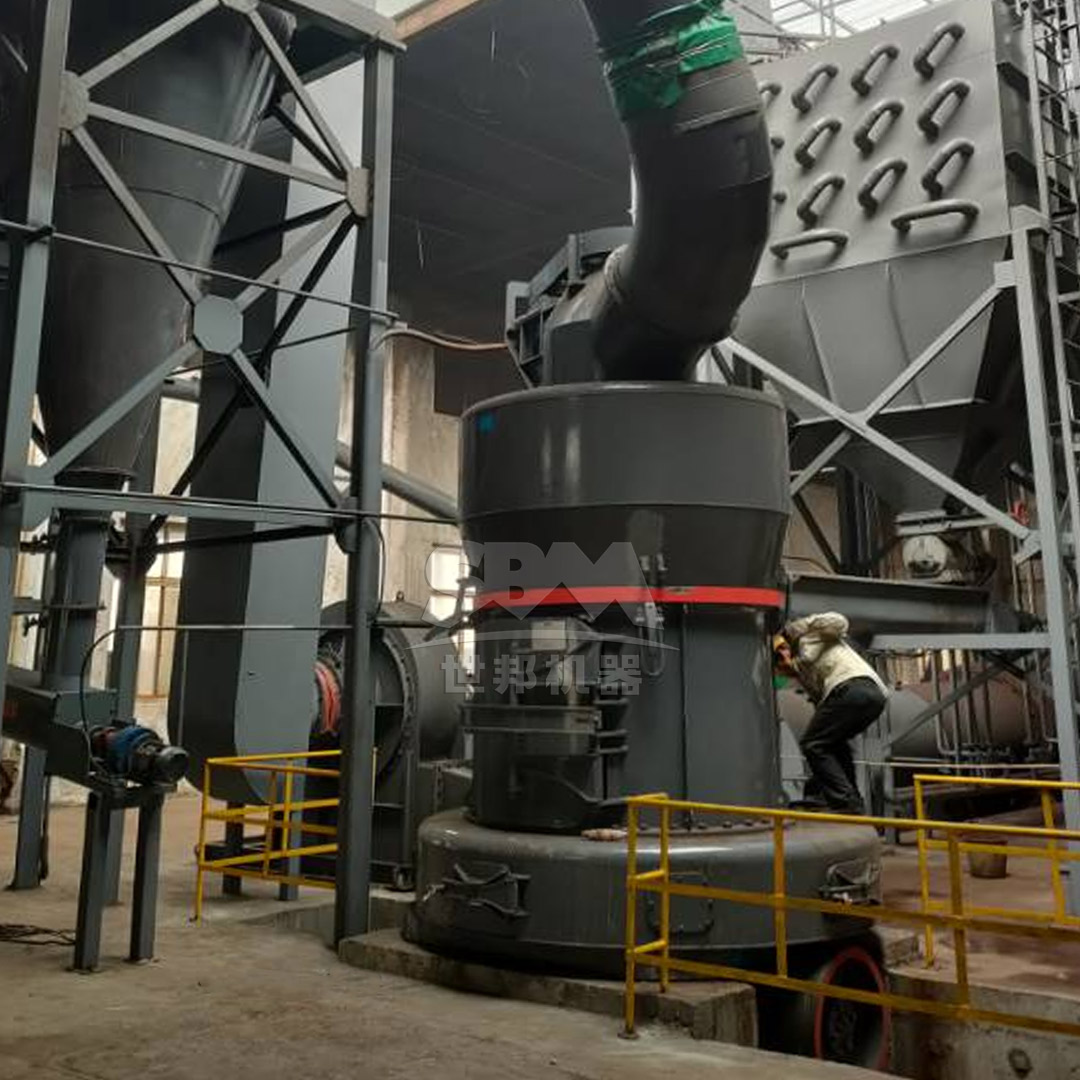
For foundries with high-volume production lines, particularly those using green sand or large-scale resin sand systems, efficiency and throughput are paramount. The LM Series Vertical Roller Mill is the ultimate solution for continuous, high-capacity quartz sand grinding.
With a massive capacity range of 3 to 250 tons per hour and an output fineness of 30 to 325 mesh, the LM Vertical Mill can effortlessly process the large quantities of sand required for a busy foundry. Its integrated design combines crushing, grinding, and classification into a single, compact unit, reducing the equipment footprint by up to 50% compared to traditional ball mill systems. The low operating cost is a significant advantage; its energy consumption is 30-40% lower than a ball mill system, and its wear parts last up to three times longer. The intelligent control system allows for real-time monitoring and automatic adjustments, ensuring a stable and reliable supply of high-quality foundry sand with minimal manual intervention. For any foundry looking to optimize its sand supply chain and reduce production costs, the LM Vertical Mill represents a strategic investment.
Conclusion: Partnering for Casting Excellence
The foundry industry’s reliance on quartz sand is absolute. It forms the very basis of mold and core production. The performance of this humble material, however, is not inherent; it is the result of careful processing. By partnering with a knowledgeable and innovative quartz sand grinding mill manufacturer like us, foundries can move beyond simply sourcing sand and begin engineering a superior raw material.
From the ultrafine precision of our SCM Series for critical core applications to the massive throughput and efficiency of our LM Series for large-scale sand preparation, we provide the tools to elevate every aspect of the casting process. By investing in advanced grinding technology, foundries can achieve superior casting quality, boost productivity, reduce waste, and secure a decisive competitive advantage in a global market. The journey to casting excellence begins with the perfect sand, and the perfect sand begins with the right partner and the right mill.