What Mill Is Used for Grinding Talcum Powder?
Introduction to Talcum Powder Grinding
Talcum powder, derived from the mineral talc, is widely used in industries such as cosmetics, ceramics, paper manufacturing, and plastics. The grinding process is critical to achieving the fine, uniform particle size required for these applications. Talc is a soft mineral with a Mohs hardness of 1, making it relatively easy to grind, but the equipment selection must consider factors like fineness, capacity, energy efficiency, and contamination control. This article explores the various types of mills used for grinding talcum powder, highlighting their working principles, advantages, and suitability for different production scales.
Factors to Consider When Selecting a Mill for Talc
Before diving into specific mill types, it is essential to understand the key parameters that influence the choice of grinding equipment for talcum powder:
- Fineness Requirement: Talcum powder is often required to be as fine as 325 mesh (44 microns) for industrial use or up to 2500 mesh (5 microns) for premium cosmetic grades.
- Throughput Capacity: Production needs can range from small-scale batches of a few tons per hour to large-scale operations exceeding 50 tons per hour.
- Energy Consumption: Operating costs are heavily influenced by the mill’s power efficiency, especially in continuous production.
- Contamination Control: Iron and other metal contamination must be minimized to maintain the purity and whiteness of the talc.
- Moisture Content: Talc can contain inherent moisture, and some mills offer integrated drying capabilities.
Common Mill Types for Talcum Powder
1. Raymond Mill (Trapezium Mill)
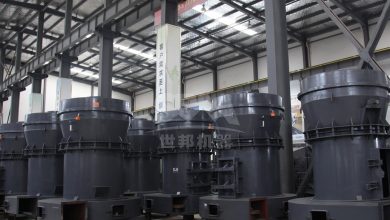
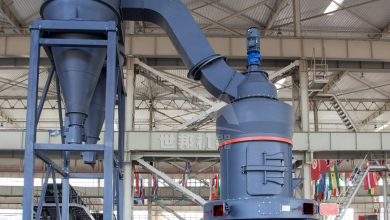
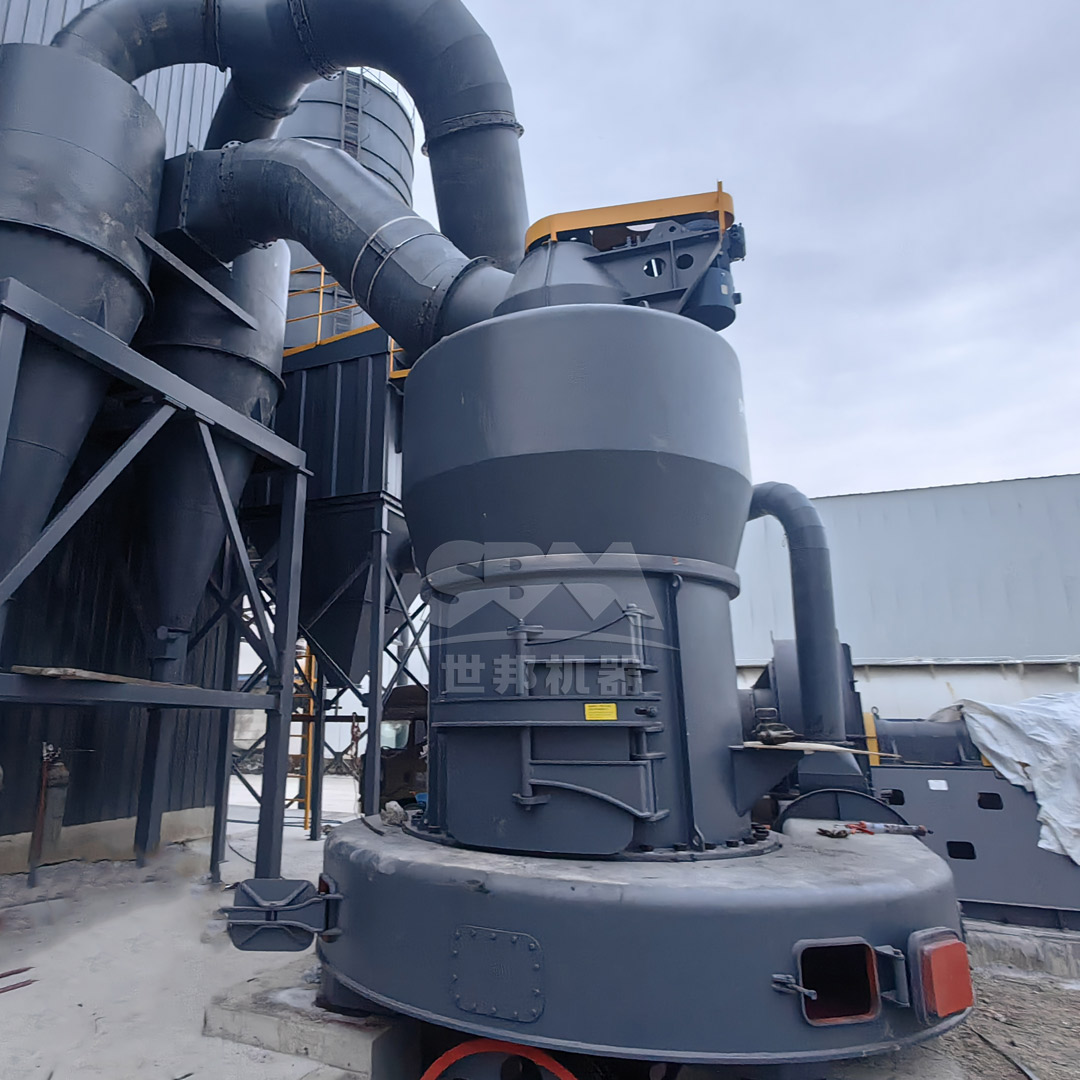
The Raymond mill, often designed as a European Trapezium mill, is a traditional and widely used option for grinding talc to medium fineness (typically 30-325 mesh). These mills use a grinding roller and ring mechanism. Materials are shoveled between the roller and the ring, where pressure crushes them into powder. The MTW Series European Trapezium Mill is a prime example, featuring anti-wear shovel designs and optimized arc air ducts that improve transmission efficiency and reduce maintenance. With a feed size up to 50mm and capacity ranging from 3 to 45 t/h, it is ideal for large-scale talc processing where the target fineness is between 45 and 600 microns.
2. Ultrafine Grinding Mills
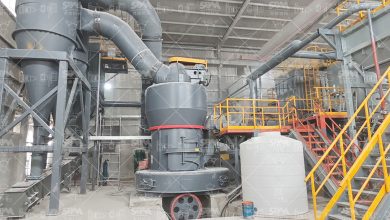
For the production of ultra-fine talcum powder (325-2500 mesh), high-pressure mills or vertical roller mills with air classifiers are necessary. These mills operate on the principle of high-speed rotation and centrifugal force to achieve micron-level grinding. Among these, the SCM Series Ultrafine Mill stands out for its ability to produce powder between 45 and 5 microns. It uses three layers of grinding rings and intelligent control systems to automatically adjust the fineness, ensuring consistent quality. Its capacity is double that of jet mills, with 30% lower energy consumption, making it a highly efficient solution for cosmetic and pharmaceutical-grade talc.
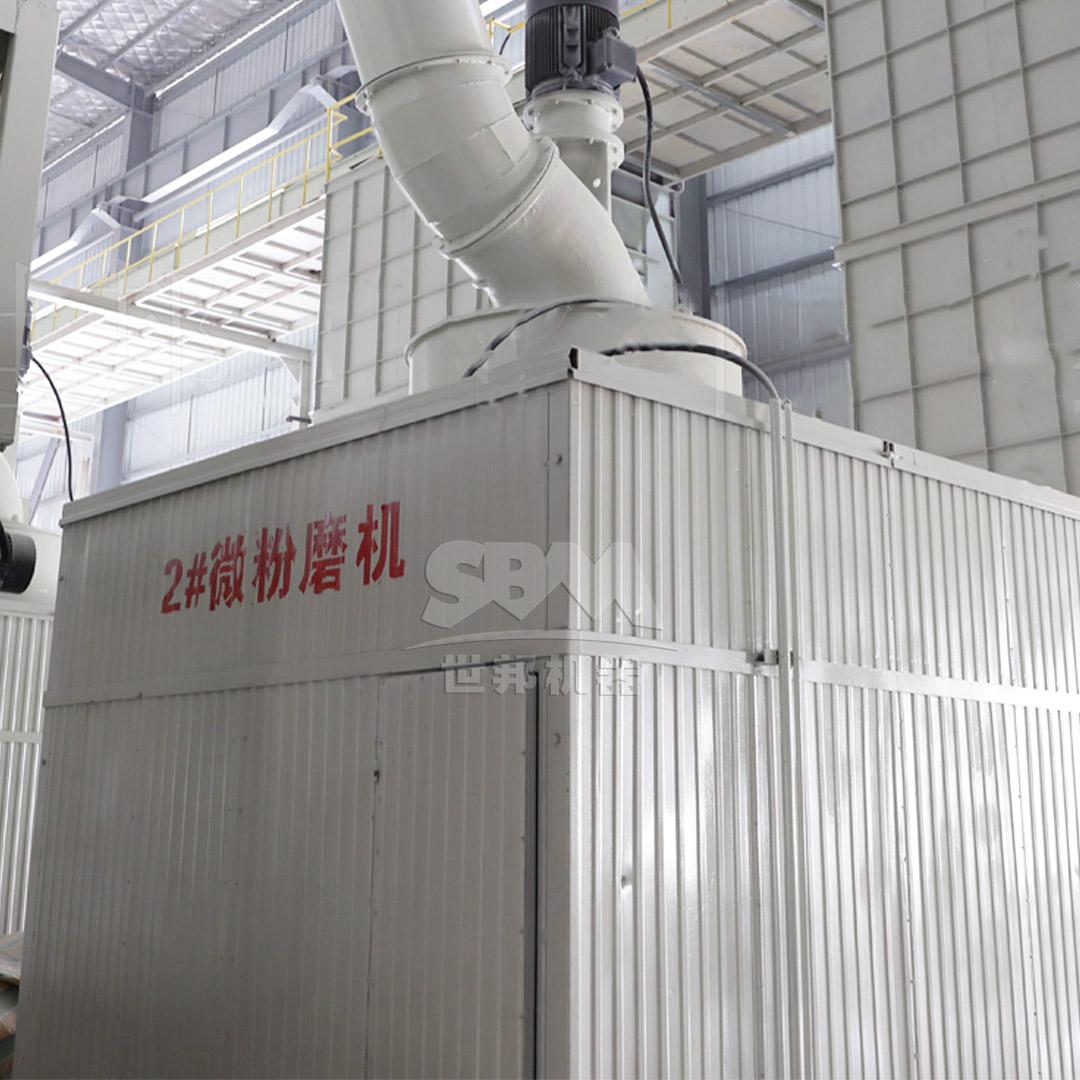
We recommend the SCM Series Ultrafine Mill for high-precision talcum powder production. This mill delivers a fineness of 325-2500 mesh and integrates a vertical turbine classifier that prevents coarse powder mixing, ensuring your talc product meets the strictest standards. The special material rollers and rings extend service life, while the soundproof room design keeps noise levels low, creating an eco-friendly working environment.
3. Vertical Roller Mill (VRM)
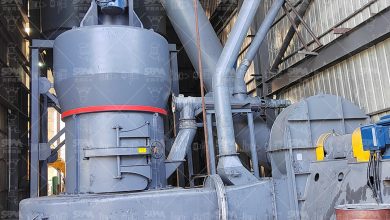
The LM Series Vertical Roller Mill is another excellent choice, particularly when high capacity and low operating costs are priorities. This mill integrates crushing, grinding, and selection into a single unit, reducing the floor space by up to 50%. For talcum powder, the LM series can handle feed sizes up to 50mm and produce fineness down to 45 microns (325 mesh). The non-contact design between the rollers and the table minimizes wear, and its energy consumption is 30-40% lower than ball mill systems. Models like the LM130K and LM150K are suitable for medium to large operations.
4. Ball Mills
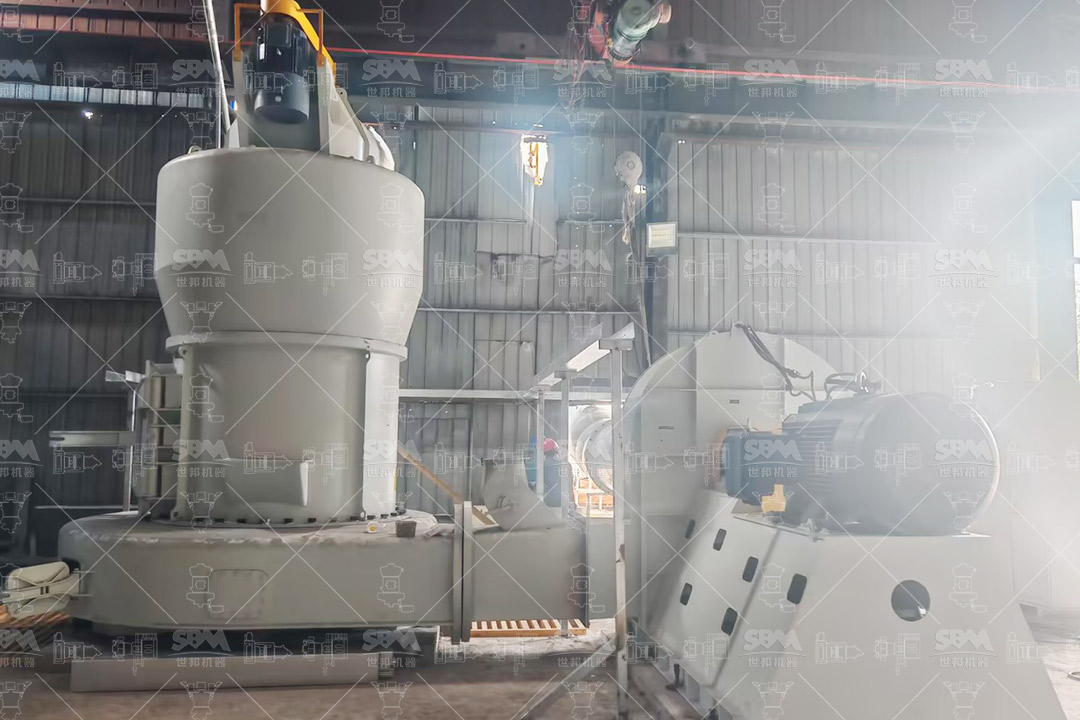
Ball mills are robust and reliable for grinding talc, especially when the target fineness is relatively coarse (0.074 mm to 0.8 mm). They operate by rotating a cylinder filled with steel balls, which crush the talc through impact and attrition. While ball mills offer high crushing ratios and can handle large capacities (up to 450 t/h), they are generally less energy-efficient than VRMs or ultrafine mills for fine talc production. They are suitable for primary grinding or applications where ultra-fine powder is not required.
5. Hammer Mills
Hammer mills are used for preliminary grinding or when a coarser talc powder (0-3 mm) is acceptable. They crush materials using high-speed rotating hammers. While hammer mills are compact and have a high capacity for coarse reduction, they are not suitable for fine talcum powder applications due to their limited ability to achieve particle sizes below 200 mesh without significant wear.
Detailed Analysis of the SCM Series Ultrafine Mill for Talc
Given the growing demand for ultra-fine talc in the cosmetics and high-end plastics industries, the SCM Series Ultrafine Mill deserves special attention. Its working principle involves the main motor driving three layers of grinding rings. Materials are dispersed by centrifugal force and crushed by roller pressure layer by layer. The key technical advantages include:
- High-Precision Classification: The vertical turbine classifier achieves precise particle size cutting, ensuring that the final talcum powder has a narrow particle size distribution without coarse particle contamination.
- Energy Efficiency: Its capacity is twice that of jet mills, with energy consumption reduced by 30%, making it cost-effective for continuous production.
- Durable Components: The rollers and rings are made from special wear-resistant materials, extending their service life several times compared to standard mills.
- Environmental Performance: The pulse dust collection system exceeds international standards, and the sealed design ensures dust-free operation.
For example, the SCM1000 model offers a capacity of 1.0-8.5 t/h with a main power of 132 kW, capable of producing talc powder that is 100% passing 1250 mesh.
How to Choose the Right Mill for Your Talc Project
The selection process should follow a step-by-step approach:
- Define the Product: Determine the required particle size. If you need 300 mesh, an MTW trapezium mill might be ideal. If you need 1250 mesh or finer, the SCM ultrafine mill is the better choice.
- Evaluate Capacity: Estimate the daily or hourly throughput. For capacities below 10 t/h, SCM or smaller LM models work well. For very large volumes (over 50 t/h), consider the LM series vertical mill.
- Assess Power and Cost: Compare energy costs. The LM series and SCM series offer significant savings over traditional ball mills.
- Consider Ancillary Equipment: Look for mills with integrated classifiers, dust collectors, and intelligent control systems to simplify operation and maintenance.
Additionally, the MTW Series European Trapezium Mill is an excellent option for standard fineness requirements. With its integral bevel gear drive achieving 98% transmission efficiency and wear-resistant volute structure, it reduces maintenance costs by 30% while delivering stable performance.
Conclusion
Grinding talcum powder requires a careful balance between fineness, capacity, and operational costs. For ultra-fine applications, the SCM Series Ultrafine Mill provides unmatched precision and efficiency, making it the top recommendation for cosmetic and high-value industrial talc. For medium fineness or large-scale production, the MTW Series European Trapezium Mill and LM Series Vertical Roller Mill offer robust, cost-effective solutions. By matching the mill’s capabilities with your specific talc processing needs, you can achieve optimal product quality and profitability.