Vertical Coal Mill Structure: A Comprehensive Guide to Components and Working Mechanism
Introduction
The vertical coal mill is a critical piece of equipment in the cement, power generation, and steel industries, primarily used for grinding and drying coal of various hardnesses. Its design integrates crushing, grinding, drying, and powder classification into a single, efficient unit. Understanding the structure and working mechanism of a vertical coal mill is essential for optimizing performance, reducing energy consumption, and ensuring long-term operational reliability. This comprehensive guide delves into the core components and working principles of modern vertical coal mills, with a focus on our advanced product series.
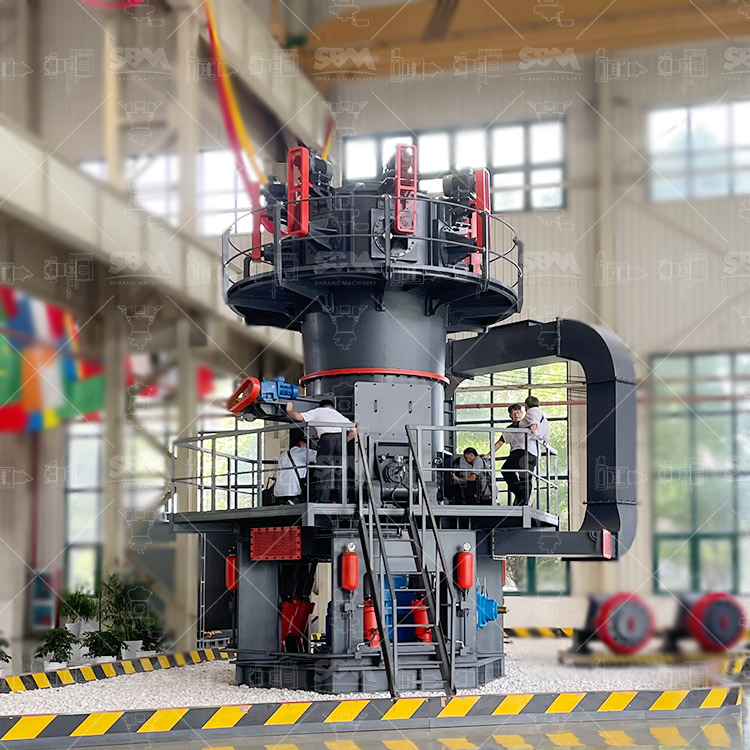
Core Components of a Vertical Coal Mill
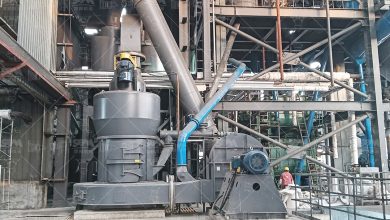
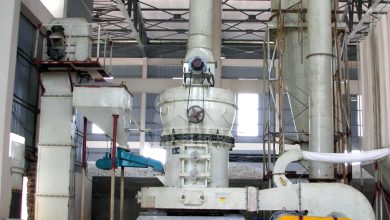
A typical vertical coal mill consists of several key components that work in harmony to achieve efficient grinding and classification.
1. Separator (Classifier)
The separator, or classifier, is located at the top of the mill. Its primary function is to separate fine coal particles from coarse particles. The rotating classifier wheel creates a centrifugal force field. Fine particles that meet the fineness requirement pass through the classifier blades and are carried out by the gas stream, while coarse particles are rejected and fall back to the grinding table for further grinding. Modern classifiers, such as our dynamic V-type and high-efficiency classifiers, allow for precise adjustment of product fineness.
2. Grinding Roller and Grinding Table
These are the heart of the mill. The grinding table rotates driven by a motor and reducer. The grinding rollers are mounted on a rocker arm assembly. The rollers are pressed against the material bed on the grinding table by a hydraulic system or mechanical spring system. The material is crushed and ground between the roller and table surfaces. Our products feature special material rollers and liners that extend service life and reduce maintenance intervals.
3. Hydraulic System
The hydraulic system provides the necessary grinding pressure. It typically includes a hydraulic station, accumulator, and cylinders. The system not only applies the force to press the rollers against the table but also allows for the rollers to be lifted away from the table during mill start-up or when tramp metal passes through. This system is crucial for protecting the mill from damage.
4. Mill Housing and Inlet
The mill housing encloses the grinding chamber and supports the internal components. The inlet is where raw coal and hot drying gases enter the mill. The angled design of the inlet ensures proper distribution of material and gas flow across the grinding table.
5. Reducer (Gearbox)
The reducer transmits power from the main motor to the grinding table. It is designed to handle high vertical loads and torsional forces. Many modern reducers come with integral lubrication and cooling systems. For example, our integral bevel gear drive ensures high transmission efficiency of up to 98%.
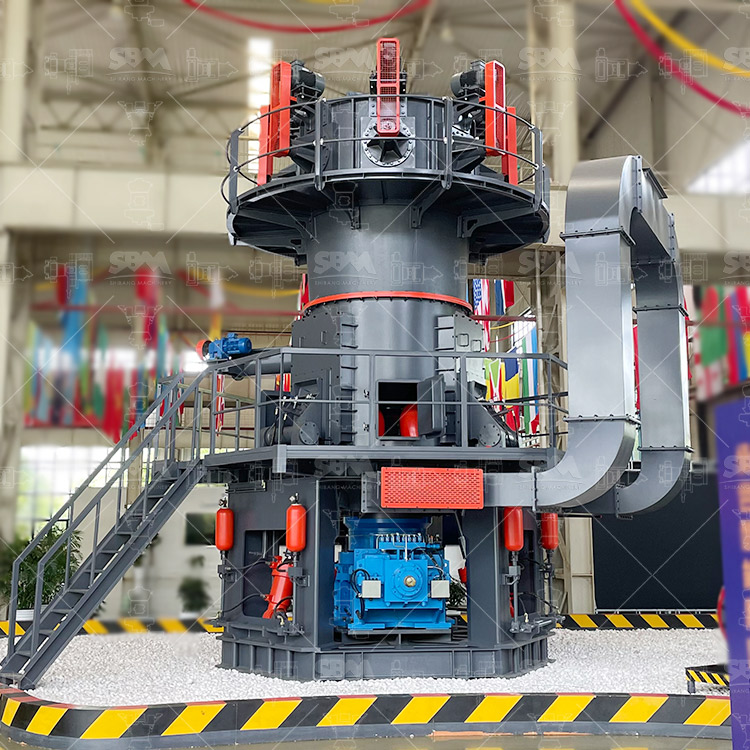
Working Mechanism Explained
The operation of a vertical coal mill can be broken down into several stages.
Stage 1: Feeding and Drying
Raw coal is fed into the mill through a central feed pipe and falls onto the center of the rotating grinding table. At the same time, hot gas (often from a kiln or hot air generator) enters the mill through the angled ring nozzle around the table. This hot gas immediately begins to evaporate surface moisture from the coal.
Stage 2: Grinding and Centrifugal Spreading
As the grinding table rotates, centrifugal force flings the coal outward from the center towards the grinding track. The grinding rollers, which are pressed down by the hydraulic system, rotate over the coal bed. The coal particles are crushed and ground between the rollers and the table, forming a thin, even bed of material. The fineness of the grind is controlled by the hydraulic pressure and the retention time.
Stage 3: Classification and Gas Flow
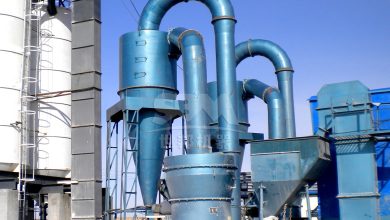
The hot gas stream, which has been carrying the ground coal upward, enters the classifier. The rotating classifier blades perform a final separation. Coarse particles are returned to the grinding table for further processing, while the fine, pulverized coal particles pass through and are transported out of the mill by the gas stream to a dust collector. This negative pressure operation ensures no dust leakage.
Technological Innovations in Modern Vertical Mills
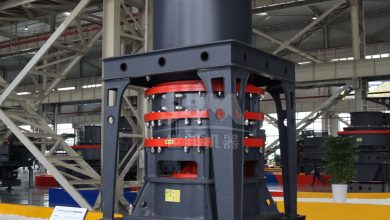
Today’s vertical coal mills are highly sophisticated. They incorporate intelligent control systems that automatically adjust grinding pressure and classifier speed based on real-time feedback about the product fineness. Energy consumption has been reduced significantly compared to traditional ball mills. For example, our LM Series Vertical Roller Mill integrates crushing, grinding, and selection, reducing floor space by 50% and energy consumption by 30-40% compared to ball mill systems. The non-contact design between rollers and table in this series extends wear part life dramatically.
Furthermore, our SCM Series Ultrafine Mill (45-5μm) offers a capacity two times that of jet mills with 30% lower energy consumption. It utilizes a vertical turbine classifier for precise particle size cutting, ensuring no coarse powder mixing. The shaftless screw grinding chamber ensures stable operation, making it ideal for fine grinding applications.
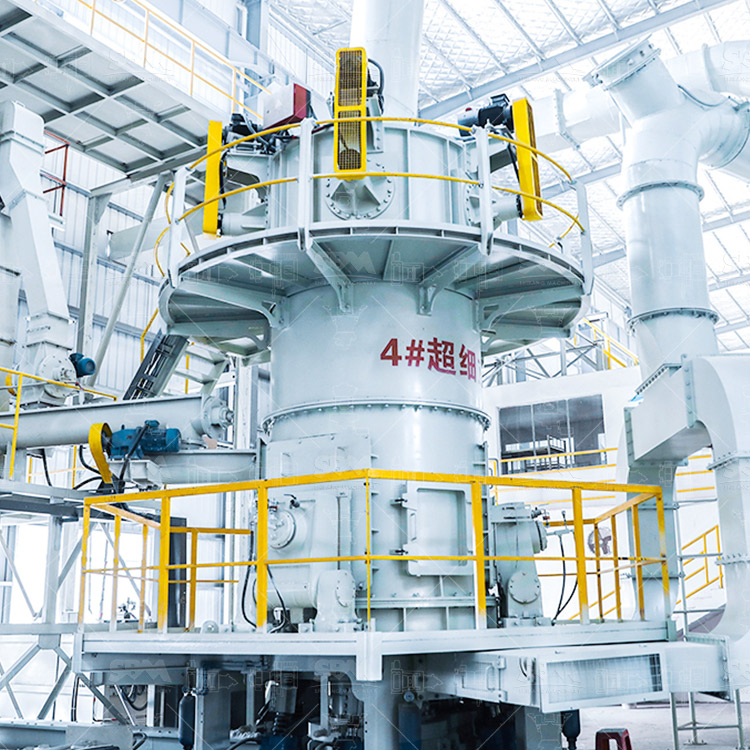
Maintenance and Durability
Durability is a key concern in coal grinding. Our mills feature anti-wear shovel designs and special material rollers and rings that extend service life several times over. The use of high-strength guard plates protects the air duct working surface. A fully sealed negative pressure operation and soundproof room design ensure that noise levels remain low and environmental compliance is easily achieved.
For high-capacity requirements, the LM Series offers models that can handle up to 250 ton/h, while the SCM Series provides exceptional efficiency for finer outputs. Both product lines are backed by patented technologies and proven in the field.
Conclusion
The vertical coal mill is a marvel of engineering, combining a robust mechanical structure with advanced process control. From the durable grinding rollers and table to the high-efficiency classifier and intelligent hydraulic system, every component is designed for optimal performance and longevity. By selecting the right mill for your specific material and capacity requirements, you can achieve significant energy savings and operational efficiency.