Titanium Sponge Powder Milling: Which Grinding Machine Works Best & Where to Find It?
Introduction: The Unique Challenge of Titanium Sponge Powder
Titanium sponge, the porous and brittle intermediate product in the titanium production chain, presents a formidable challenge in powder processing. Its characteristics—high reactivity, extreme toughness, and irregular, sponge-like morphology—demand grinding equipment that goes beyond conventional performance standards. The goal is not merely to reduce particle size but to achieve a narrow distribution, control oxide contamination, and do so with energy efficiency. For manufacturers in aerospace, medical, automotive, and additive manufacturing sectors, selecting the right pulverizer is a critical decision that directly impacts product quality and operational profitability. This article provides an expert analysis of the best grinding technologies for titanium sponge powder, addressing their strengths and limitations, and guides you toward high-performance solutions readily available in the market.
Understanding the metallurgical properties is the first step. Titanium sponge is highly ductile yet work-hardens rapidly. This combination means a mill must use compression or shear forces for effective fracturing, rather than solely relying on high-speed impact which can generate excessive heat and cause surface oxidation. Furthermore, the pyrophoric nature of fine titanium dust necessitates systems operating under inert gas or with strict oxygen control. The ideal machine must therefore be robust, capable of precise classification, offer a controlled atmosphere, and feature wear-resistant components to minimize iron contamination.
Comparative Analysis: Common Milling Technologies for Titanium Sponge
When evaluating grinding solutions, engineers typically consider several established technologies. Each offers a unique approach with distinct trade-offs between throughput, fineness, and operational cost.
Jet Mills: High Purity but High Energy Consumption
Jet mills, or fluid energy mills, are often the default choice for ultra-fine materials like titanium. They operate by accelerating particles in high-speed air or steam streams, causing them to collide and fracture. The key advantage is the absence of moving grinding media, which essentially eliminates the risk of metallic contamination—a critical factor for high-performance titanium alloys. However, their drawback is significant: energy consumption is notoriously high. To produce particles in the sub-10 micron range, the specific energy requirement can be several times higher than other methods. Additionally, the classifier’s efficiency can be lower for brittle, porous materials, making the process slower and less productive compared to mechanical mills.
Ball Mills: High Throughput, Low Precision
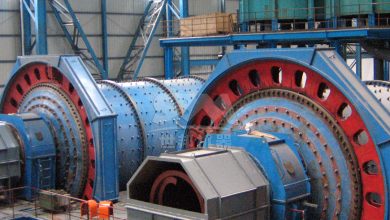
On the other hand, traditional ball mills offer high throughput and handle large feed sizes. Yet, they are fundamentally unsuitable for titanium sponge powder. The high-impact tumbling action generates substantial heat, risking oxidation and even combustion of the fine titanium. The grinding media itself (steel balls) introduces unacceptable iron contamination, compromising the material’s corrosive resistance and mechanical properties. While they remain viable for less sensitive materials, their operational costs in terms of energy and media replacement are prohibitive for titanium, making them a poor economical and technical choice for this specific application.
Horizontal & Vertical Roller Mills: The Industrial Workhorses
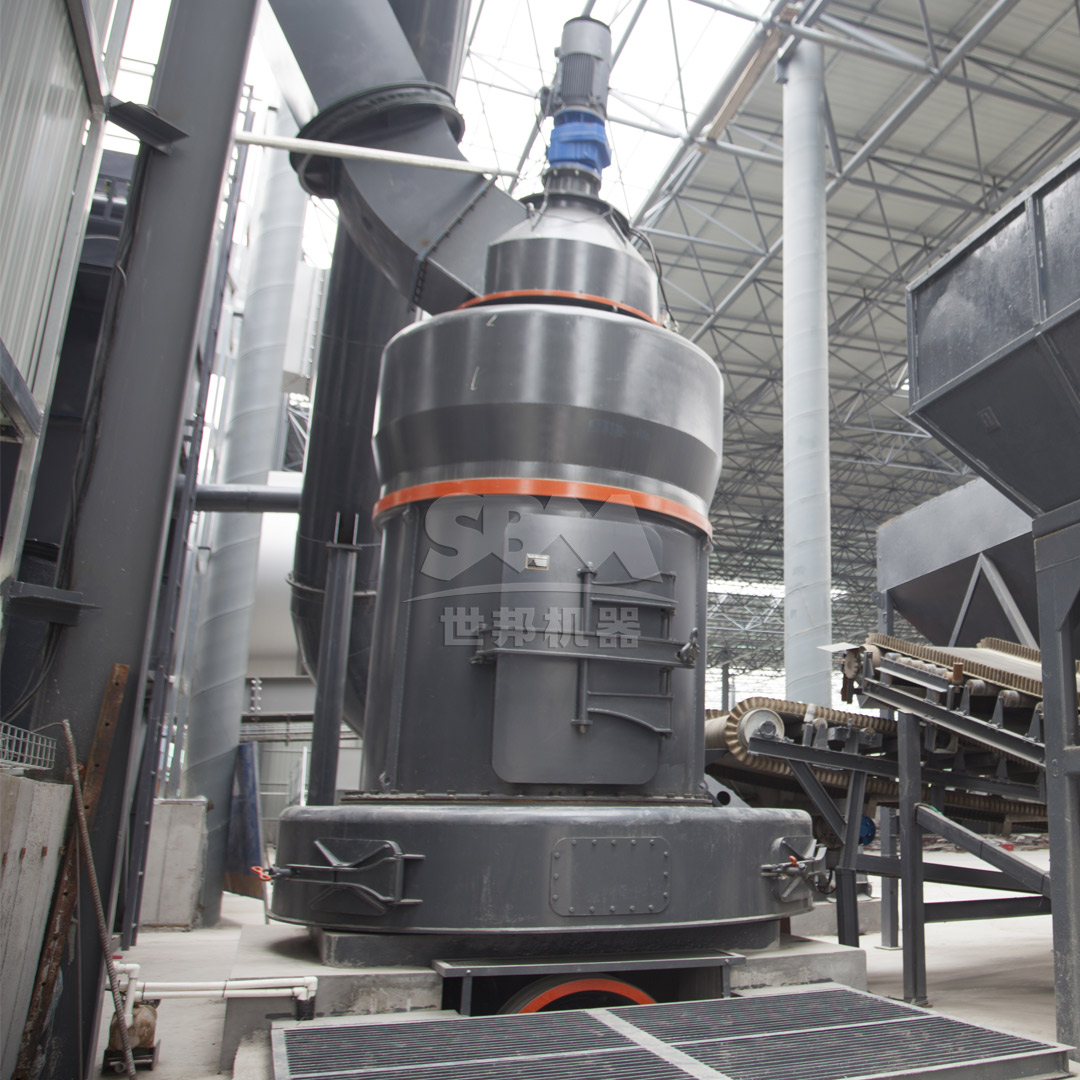
Roller mills, which grind by compressing a material bed between a rotating table and grinding rollers, have emerged as superior alternatives. They are incredibly energy-efficient, often consuming 30-40% less energy than ball mills. The grinding mechanism, which uses compression and shear on a pressure bed, is perfectly suited for the brittle nature of titanium sponge, minimizing heat generation and work hardening. Moreover, modern vertical roller mills (VRMs) and trapezium mills are equipped with integral dynamic classifiers. This allows for precise on-demand control of finished fineness, ensuring a uniform product without the need for external screening. This combination of low energy use, high capacity, and precise classification makes them increasingly attractive for titanium sponge milling. The primary concern—roller and table wear—is addressed with advanced composite materials and optimized designs such as curved shovel blades and wear-resistant liners.
The Ideal Solution: Our SCM Series Ultrafine Mill
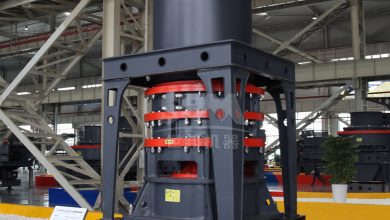
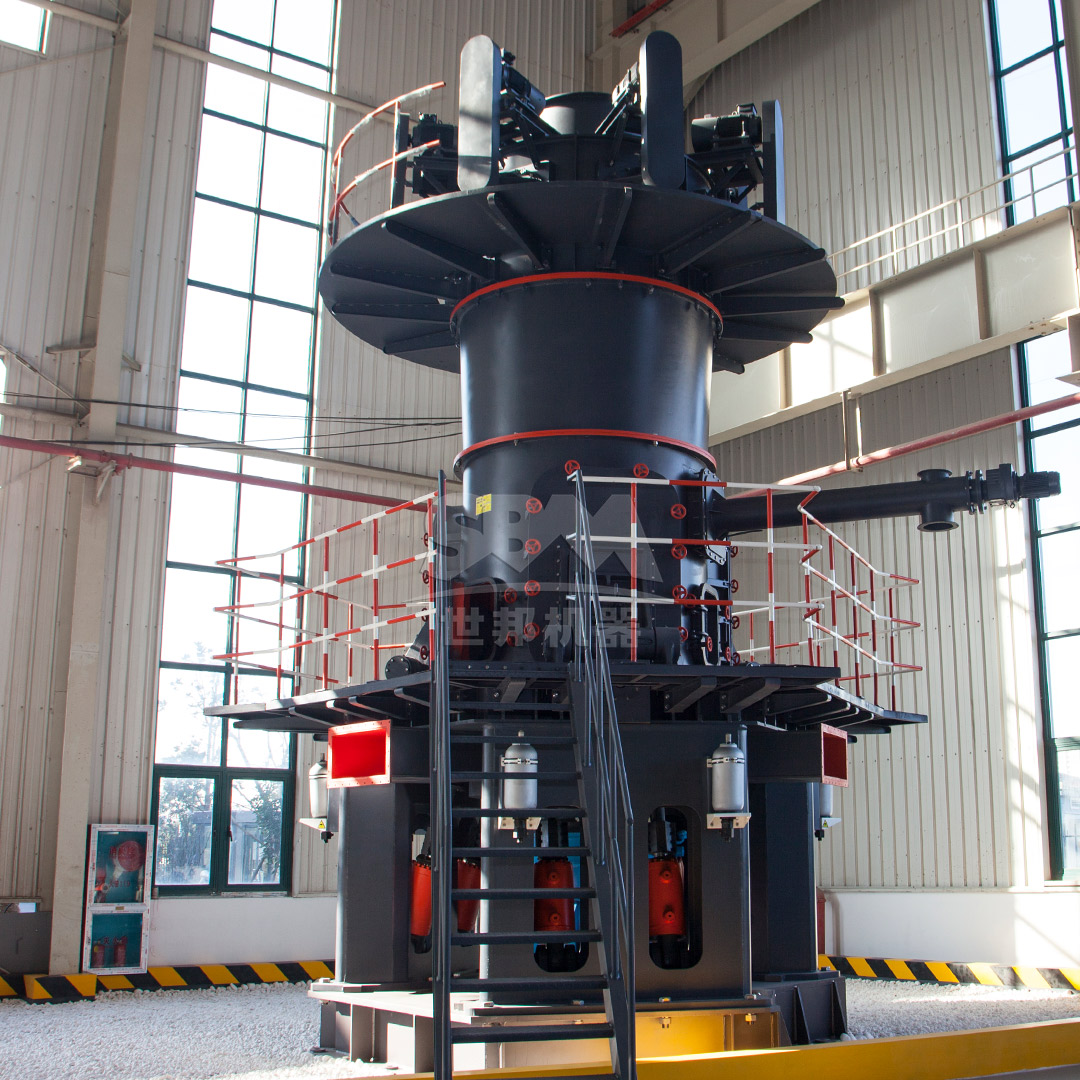
For titanium sponge powder, particularly when targeting a fine to ultrafine product (45-5 μm) for demanding applications like Metal Injection Molding (MIM) or Additive Manufacturing, the SCM Series Ultrafine Mill stands out as a leading technological solution. Its design is a masterclass in adapting the energy-efficient principles of a roller mill for ultra-fine output. The machine utilizes multiple layers of grinding rings; material is dispersed by centrifugal force and crushed under immense roller pressure, achieving a high-precision grind.
What truly distinguishes the SCM mill is its vertical turbine classifier. This component is paramount for titanium sponge, ensuring a sharp cut-off with absolutely no coarse powder mixing. This guarantees uniformity essential for sintering and final part density. Furthermore, the intelligent control system automatically adjusts settings based on finished product granularity feedback, optimizing throughput and minimizing operator intervention. From an operational perspective, its capacity is double that of a jet mill for the same power input, with 30% lower energy consumption, translating to a significantly lower cost per ton of finished powder. The special material used in the rollers and rings extends service life several times over, a necessity for the abrasive nature of titanium.
Recommended Model: SCM1250
We strongly recommend the SCM1250 for medium to large-scale titanium sponge powder producers. With a capacity range of 2.5 to 14 tons per hour and a main power of 185kW, it effortlessly handles commercial production volumes. Its feed size of up to 20mm integrates directly with upstream crushing stages, and its fineness adjustment range of 325-2500 mesh (45 to 5 μm) covers all critical specifications for high-end powder metallurgy. The SCM1250 delivers the perfect nexus of high throughput, micronized fineness, and industrial-grade durability that the titanium industry demands.
Alternative Approach: The MTW Series for Coarser Titanium Powders
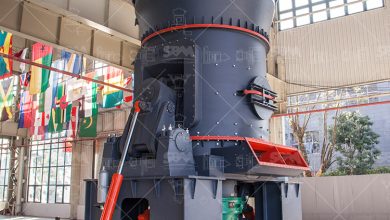
In cases where the target application requires a slightly coarser powder (e.g., 600-45 μm) for standard Powder Metallurgy processes, Thermal Spraying, or as a feedstock for further milling, the MTW Series European Trapezium Mill offers an exceptionally robust and economical alternative. Its patented technology, including an integral bevel gear drive with transmission efficiency up to 98% and a wear-resistant volute structure, ensures low operating costs and high availability.
The MTW mill excels at primary and secondary milling stages where maximizing throughput at a lower energy cost is more critical than reaching sub-10 micron sizes. Its anti-wear shovel design and optimized arc air duct reduce maintenance frequency and protect the working surfaces, making it a highly reliable workhorse under continuous operation. The ability to accept feed sizes up to 50mm allows for a simpler, more energy-efficient front-end process. Therefore, if your downstream process doesn’t require extreme fineness, the MTW175G or MTW215G models offer capacities of 9.5-25 t/h and 15-45 t/h respectively, making them unbeatable for large-volume, coarse-to-medium titanium powder production.
Where to Find the Right Grinding Machine
Identifying the optimal machine is only half the battle. The true challenge lies in partnering with a manufacturer who provides not just the hardware but also the process engineering expertise to handle a hazardous material like titanium. You should seek vendors with a global footprint, a proven track record in non-ferrous metal processing, and the capacity to offer turnkey solutions, including inert gas blanketing systems, and efficient dust collection.
The search for such high-specification milling equipment often leads to specialized industrial milling manufacturers. However, these machines are not typically found on general e-commerce platforms. They are sourced through:
- Direct Industrial Manufacturers: Leading engineering companies in China and Europe, such as the one we represent, often have dedicated sales teams for mineral and metal powder processing.
- Industry Trade Shows: Events like the International Powder & Bulk Solids Processing Conference & Exhibition provide an excellent platform to see machinery in action and engage with technical experts directly.
- B2B Portals and Direct Inquiry: Professional platforms like Alibaba or Made-in-China have verified supplier sections. Yet, the most effective method remains a direct search for reputable mill manufacturers with specific case studies in non-ferrous metals. Search for companies with documentation on grinding brittle metals like titanium, tungsten, or silicon.
When evaluating a supplier, ask for detailed technical documents, particle size distribution data from test milling on titanium, and references from existing titanium powder producers. A comprehensive service agreement covering installation, commissioning, and after-sales support is crucial, given the specialized nature of the equipment.
Conclusion: Maximizing Efficiency and Safety
Milling titanium sponge powder is not a one-size-fits-all process. The selection of the grinding machine hinges on your specific target output fineness, production capacity, and operational budget. For high-end, ultrafine applications, the SCM Ultrafine Mill is the clear winner due to its energy efficiency and superior classification precision. For coarser, high-throughput applications, the MTW Trapezium Mill provides an unrivalled combination of reliability and low operating cost.
We invite you to engage with our expert engineering team to discuss your specific titanium powder specifications. We can conduct grinding tests on your material to provide you with empirical data on particle size distribution, capacity, and energy consumption, ensuring you invest in a solution that offers the highest return on investment and the lowest environmental impact. Your success in titanium powder production begins with the right grinding technology—let us help you make that choice.