Phosphorite Powder Grinding Mill Equipment: A Comprehensive Guide to Selecting the Right Micro-Powder Processing Machine
1. Introduction to Phosphorite Powder Processing
Phosphorite, also known as phosphate rock, is a critical mineral resource primarily used in the production of phosphate fertilizers, phosphoric acid, and various phosphorus-based chemicals. The processing of phosphorite into fine or ultra-fine powder is an essential step in maximizing its agricultural and industrial value. As the demand for high-efficiency and environmentally friendly grinding solutions grows, selecting the appropriate micro-powder processing machinery becomes a decision of paramount importance. The choice of equipment affects not only the fineness and quality of the final product but also the operational cost, energy consumption, and overall project profitability. This comprehensive guide aims to provide an in-depth analysis of phosphorite powder grinding technologies, focusing on key selection criteria and highlighting advanced equipment solutions tailored for this demanding application.
2. Key Considerations in Choosing a Phosphorite Grinding Mill
When venturing into phosphorite micro-powder processing, several critical technical parameters must be evaluated to ensure the equipment aligns with production goals. First, the feed size dictates whether pre-crushing is required before the main grinding mill. Second, the required output fineness determines the type of mill and classification system needed, ranging from coarse powders around 100 mesh to ultra-fine powders exceeding 1250 mesh. Third, capacity must match the expected throughput, usually measured in tons per hour, to justify capital investment. Fourth, the hardness and abrasiveness of phosphorite (typically Mohs hardness of 3-5) necessitates the use of wear-resistant materials in the grinding components. Finally, environmental regulations concerning dust emission and noise levels are now a decisive factor in equipment selection, pushing the industry towards negative-pressure systems and advanced pulse dust collectors.
3. The Ultra-Fine Grinding Solution: SCM Series Ultrafine Mill
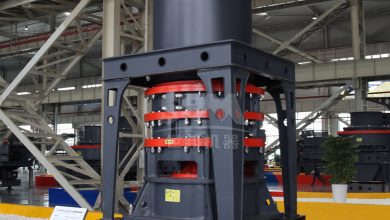
For manufacturers aiming to produce high-value phosphorite powder with fineness ranging from 325 mesh down to 5 microns (2500 mesh), traditional grinding mills often fall short of efficiency and precision. This is where the SCM Series Ultrafine Mill emerges as a market leader. Engineered specifically for micro-powder production, this machine offers distinct advantages that directly address the challenges of phosphorite processing. One of the standout features is its high efficiency and energy saving; the SCM mill boasts a capacity twice that of jet mills while consuming 30% less energy. This is achieved through intelligent control systems that automatically adjust parameters based on real-time finished product granularity feedback, ensuring optimal operation at all times.
The SCM Series is renowned for its high-precision classification, utilizing a vertical turbine classifier that guarantees precise particle size cutting without coarse powder mixing. This ensures uniform fineness, which is crucial for fertilizer applications. For durability, the rollers and rings are manufactured from special materials, extending their service life several times over compared to standard components. The shaftless screw grinding chamber design ensures stable operation even under demanding conditions. With models ranging from the SCM800 (0.5-4.5 t/h) to the SCM1680 (5.0-25 t/h), the SCM series provides a scalable solution for various production scales.
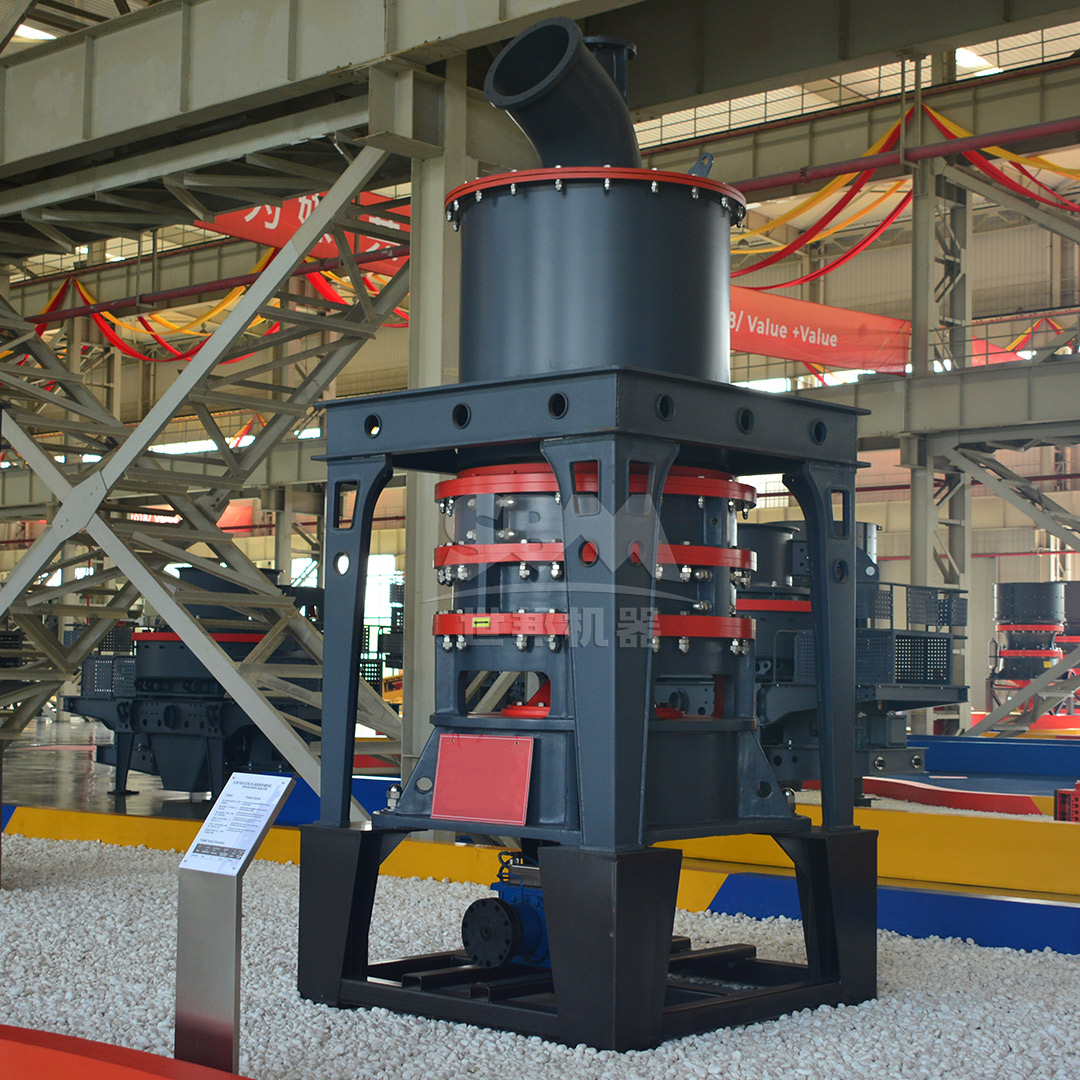
Recommended Product: SCM1250 Ultrafine Mill – For medium to large-scale phosphorite processing operations, the SCM1250 offers an ideal balance of performance and throughput. Capable of producing 2.5 to 14 tons per hour with a fineness range of 325-2500 mesh, it is powered by a 185kW main motor. This model ensures that even the most demanding ultra-fine powder specifications are met with reliability and high efficiency, making it the go-to choice for premium phosphorite powder manufacturers seeking to enhance their product value.
4. Versatile and Cost-Effective Options for Various Fineness Needs
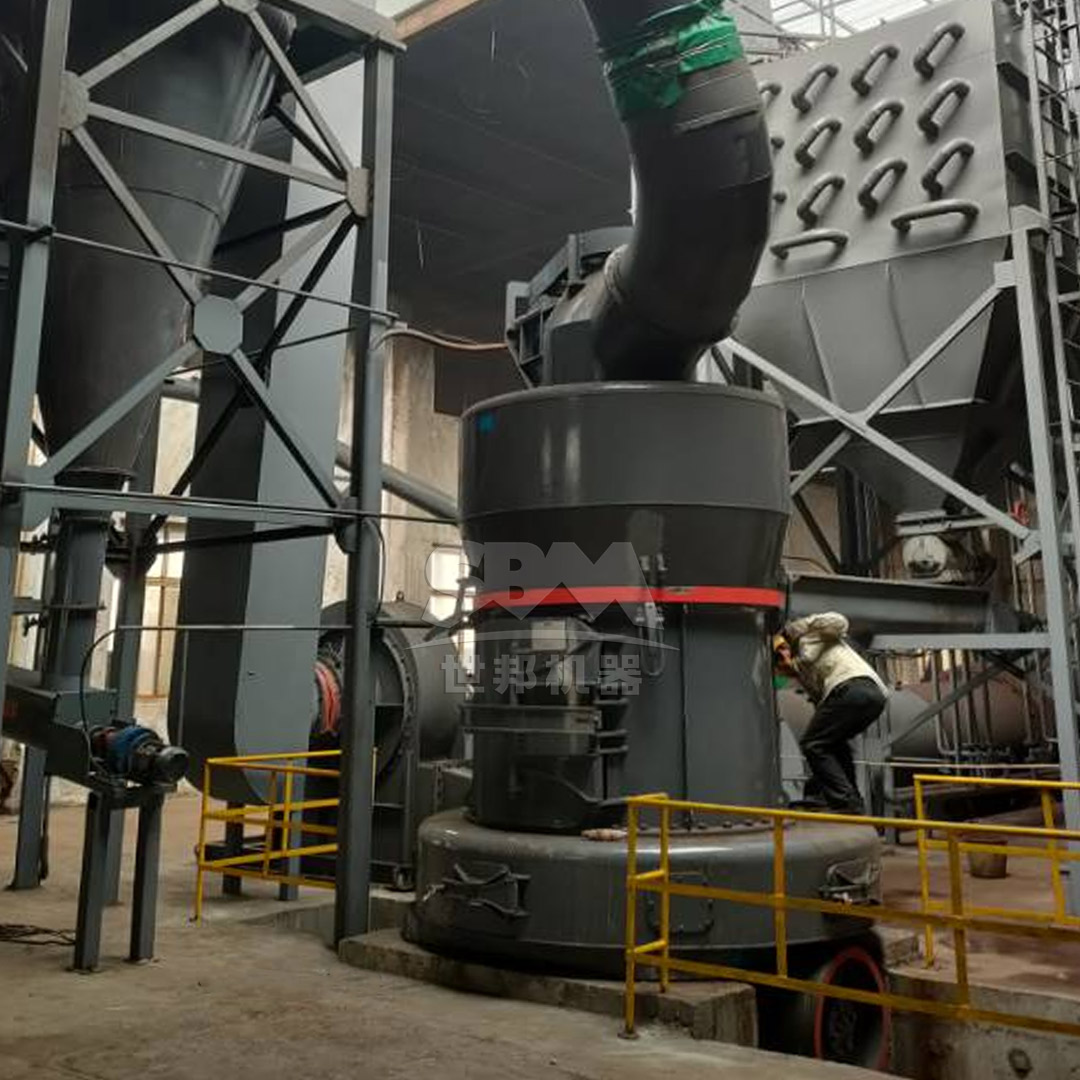
Not all phosphorite applications require ultra-fine particles; many uses, such as direct soil amendments or standard fertilizer blends, require a fineness of 30 to 325 mesh. In these cases, the MTW Series European Trapezium Mill presents an unrivaled combination of robustness, efficiency, and low operating costs. This mill features an anti-wear shovel design with combined blades that reduce maintenance costs and extend grinding roller life. Its optimized arc air duct reduces airflow energy loss, directly translating to lower energy bills. Furthermore, the integral bevel gear drive system achieves a transmission efficiency of up to 98%, saving space and reducing installation costs.
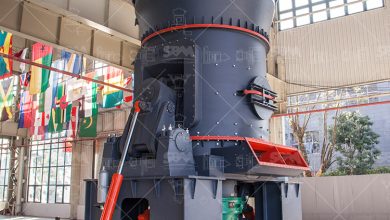
Another outstanding option for this fineness bracket is the LM Series Vertical Roller Mill. Its integrated design combines crushing, grinding, and selection into a single system, reducing floor space by 50% and infrastructure costs by 40%. The non-contact design between rollers and table increases wear part life by threefold and reduces energy consumption by 30-40% compared to ball mill systems. For large-scale operations requiring high throughput, the LM series offers significant benefits in terms of operational stability and intelligent control, supporting real-time monitoring to minimize manual intervention.
Recommended Product: MTW Series European Trapezium Mill (MTW138Z) – For clients looking for a reliable, high-capacity mill to process phosphorite to a fineness of 10-325 mesh, the MTW138Z is an excellent choice. With a capacity of 6-17 t/h and a main power of 90kW, this model delivers high grinding efficiency with lower investment costs. Its wear-resistant volute structure reduces maintenance costs by 30%, ensuring long-term profitability for the grinding plant. This machine is particularly suitable for producers who require versatility and consistent performance for standard phosphorite powder.
5. Technological Innovations Driving the Industry Forward
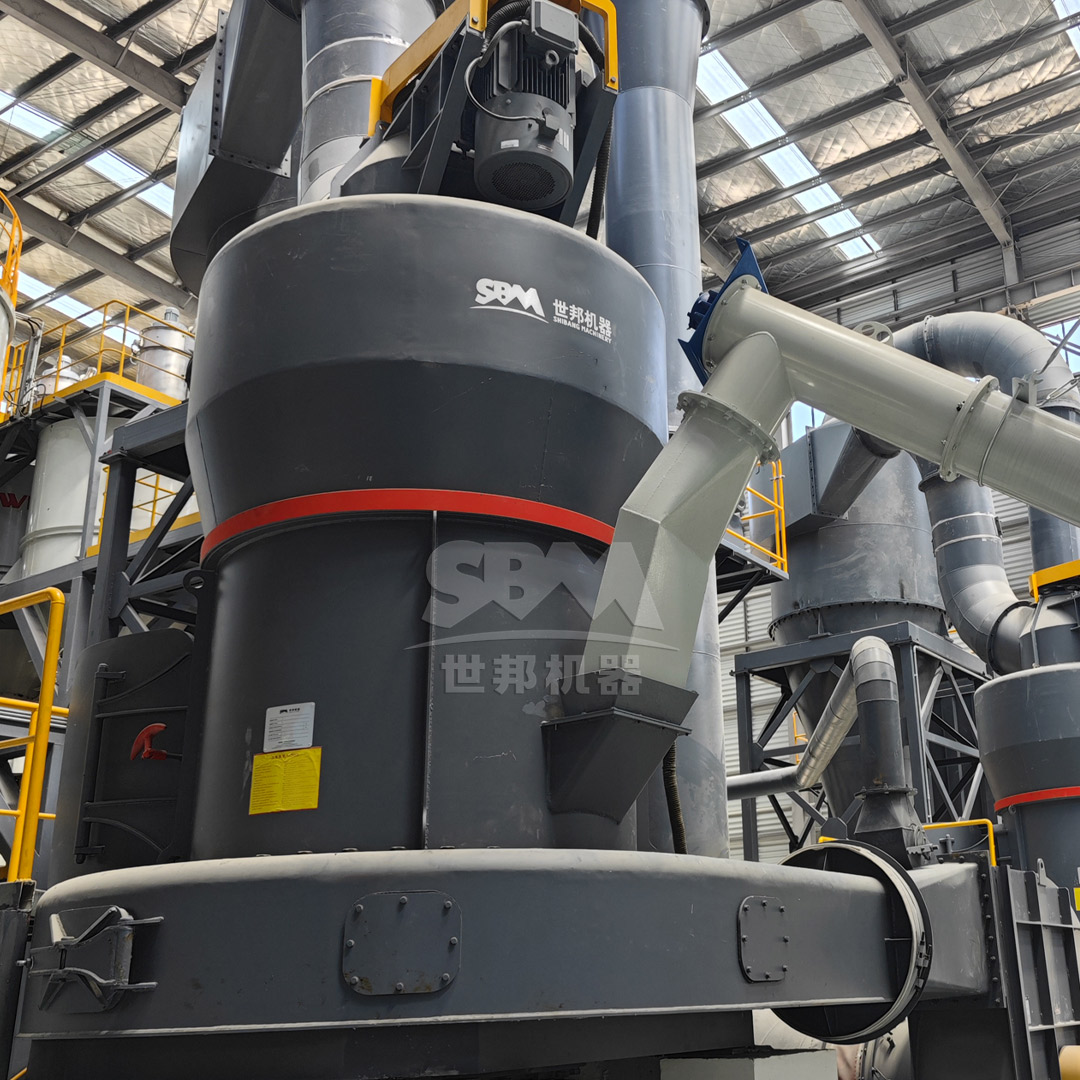
The modern phosphorite grinding industry is increasingly defined by advancements that reduce environmental impact and operational hurdles. Leading manufacturers, such as those producing the SCM, MTW, and LM series, are integrating pulse dust collection systems that exceed international environmental standards, ensuring a clean and safe working environment. The use of soundproof rooms and damping designs effectively lowers noise levels. Furthermore, the patent-pending technology in these machines, such as the thinnest oil lubrication systems or modular roller assembly quick-change systems, significantly reduces downtime and maintenance costs. Automation is another cornerstone of innovation, with expert-level auto-control systems capable of remote and local switching, allowing for expert operation even in remote locations. This not only improves safety but also ensures that the processing of phosphorite is sustainable, efficient, and economically viable in the long term.