How to Produce α-Hemihydrate Gypsum from Phosphogypsum: Methods, Process Flow, and Equipment
1. Introduction: The Challenge and Opportunity of Phosphogypsum Recycling
Phosphogypsum (PG) is a major industrial by-product generated during the wet-process production of phosphoric acid, a key ingredient in fertilizers. For every ton of phosphoric acid produced, approximately 4.5 to 5 tons of phosphogypsum are generated. This massive volume presents significant environmental challenges, including land occupation, soil and water pollution from fluorides, phosphates, and heavy metals, as well as the management of radioactive impurities. For decades, the utilization rate of phosphogypsum has remained low in many regions, with a large portion being stockpiled in huge waste dumps.
However, phosphogypsum is not merely waste; it is a potential resource with high economic value. It primarily consists of calcium sulfate dihydrate (CaSO₄·2H₂O). Through specific thermal and chemical processing, it can be converted into valuable building materials and industrial products. Among the most promising transformation routes is the production of α-hemihydrate gypsum (α-CaSO₄·½H₂O). This material boasts superior performance compared to its β- counterpart, including higher compressive and flexural strength, lower water demand, and better workability. These properties make α-hemihydrate gypsum an ideal raw material for high-end applications such as precision casting molds, decorative arts, high-strength building blocks, and medical applications.
This article provides a comprehensive technical overview of the methods, process flow, and critical equipment required to produce high-quality α-hemihydrate gypsum from phosphogypsum. We will delve into the primary production methods, illustrate a state-of-the-art process flow, and highlight how advanced milling technology from companies like SBM is essential for optimizing the product’s final performance and purity. By turning a problematic waste stream into a premium product, this process not only creates economic value but also contributes significantly to the sustainable development of the chemical and construction industries.
2. The Core Principles of α-Hemihydrate Gypsum Production
The fundamental goal in producing α-hemihydrate gypsum is to control the dehydration of the calcium sulfate dihydrate crystals. The key difference between α- and β-hemihydrate forms lies in their crystal structure, which dictates their physical properties. β-hemihydrate is produced through a ‘dry’ calcination process, involving rapid heating in an open environment. This results in a porous, irregular crystal structure with high internal surface area and high water demand. Conversely, α-hemihydrate is typically produced in a ‘wet’ environment, under pressure or in the presence of specific salts or acids. This process yields dense, well-formed, and regular prismatic crystals with lower specific surface area, leading to lower water demand and, consequently, much higher mechanical strength.
The transformation follows the chemical equation: CaSO₄·2H₂O → CaSO₄·½H₂O + 1.5 H₂O. The challenge lies in determining the exact process parameters to consistently achieve the alpha crystal form, which is typically done in one of three ways: autoclave (steam pressure) method, concentrated acid solution method, and atmospheric salt solution method. All methods require precise control of temperature, pressure, and chemical environment to ensure crystal growth. The chosen process is adapted based on the initial purity of the phosphogypsum, especially its levels of phosphorus, fluorine, and organic matter which act as harmful impurities that can inhibit crystal development and affect the final product’s strength.
3. Key Production Methods for α-Hemihydrate Gypsum
[Feedstock Pre-treatment] Regardless of the primary method, a critical upstream step is the preparation of phosphogypsum. The raw material must be purified and neutralized. Common pre-treatment processes include water washing to remove soluble P₂O₅ and fluorine compounds, followed by lime (CaO) neutralization to convert residual water-soluble impurities into inert, insoluble salts. This pre-treatment enhances the purity and consistency of the feed material, which is vital for stable crystal growth. Once purified, the gypsum slurry or powder is ready for the transformation step.Method 1: Autoclave Method. This is the most widely used industrial method. The purified phosphogypsum is slurried with water and transferred to a large autoclave reactor. The mixture is then heated under controlled steam pressure, typically between 0.2 to 0.3 MPa, maintaining a temperature of around 130-150°C. Under these conditions, the dihydrate crystals dissolve and recrystallize into α-hemihydrate crystals. The residence time and temperature are carefully controlled. The resulting thick slurry is then discharged, filtered, and dried to obtain the final α-hemihydrate gypsum powder. The advantages are high productivity and relatively short process times.
Method 2: Atmospheric Salt Solution Method (Semi-Dry). This alternative method operates at atmospheric pressure, reducing initial capital investment. The principle involves boiling a high-concentration salt solution involving inorganic salts, such as CaCl₂, MgCl₂, or NaCl, combined with sulfuric acid. The water is maintained at boiling point (approx. 110-120°C) via salt addition. Phosphogypsum is added to this hot, highly acidic solution, and due to the decreased water activity, dehydration occurs, forming α-hemihydrate crystals. This process generates a significant amount of mother liquor which must be recycled back into the system. While more energy-efficient than the autoclave, it involves more complex handling of corrosive salt solutions.
Method 3: Concentrated Acid Solution Method. This method involves dispersing phosphogypsum in a highly concentrated sulfuric acid and/or phosphoric acid solution at elevated temperatures. The strong acidic environment forces the dehydration of the dihydrate phase and promotes alpha-crystal growth. This is often preferred in facilities that already have a supply of concentrated acids, as it simplifies the material flow within an existing phosphoric acid complex. However, it requires highly corrosion-resistant equipment and careful management of acid recovery and recycling to be economically and environmentally feasible.
4. Detailed Process Flow and Key Stages
While the chemical conversion is the heart of the process, producing a market-ready product involves a sequence of physical stages. A complete industrial line typically integrates re-pulping, reaction, filtration, and drying, with sophisticated controls in place to ensure quality. The process is designed to handle large throughputs of material, making the reliability of equipment critical for continuous operation.
The final stage of drying is particularly important. The filter cake from the crystallization vessel contains residual free water. This moisture must be removed to a target level, usually under 5%, to prevent rehydration back to gypsum and to ensure the product’s storage stability and grinding characteristics. Drying must be carried out under carefully controlled temperature conditions, as excessive heat can dehydrate the alpha crystals into undesirable anhydrite. Following drying, the material is often agglomerated or lumpy and requires a final milling step to achieve the desired particle size distribution for end-use applications. This is where specialized high-efficiency grinding equipment becomes indispensable.
5. The Crucial Role of Advanced Milling and Classifying Equipment
After the thermal conversion and drying stages, the particles of α-hemihydrate gypsum are not uniform and require further processing to meet the specific fineness demanded by end customers. The particle size distribution (PSD) of the hemihydrate powder is a critical quality parameter. For instance, in dental applications, a very fine and uniform powder is required for mold precision, while in construction, a slightly coarser distribution might be acceptable for setting time and strength development. Therefore, the selection of the right grinding and classification system is instrumental in defining the product grade and market value.
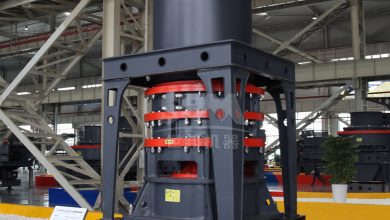
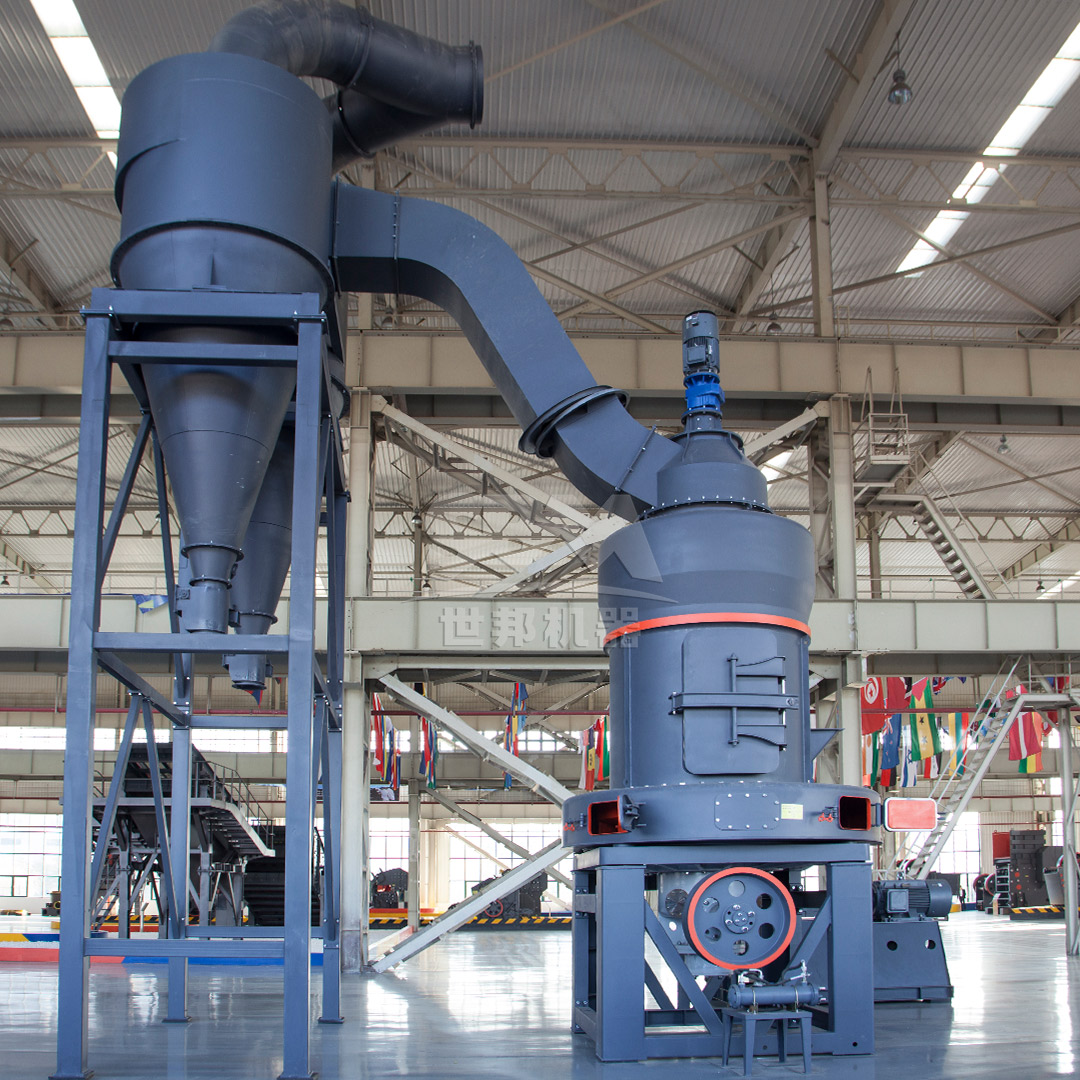
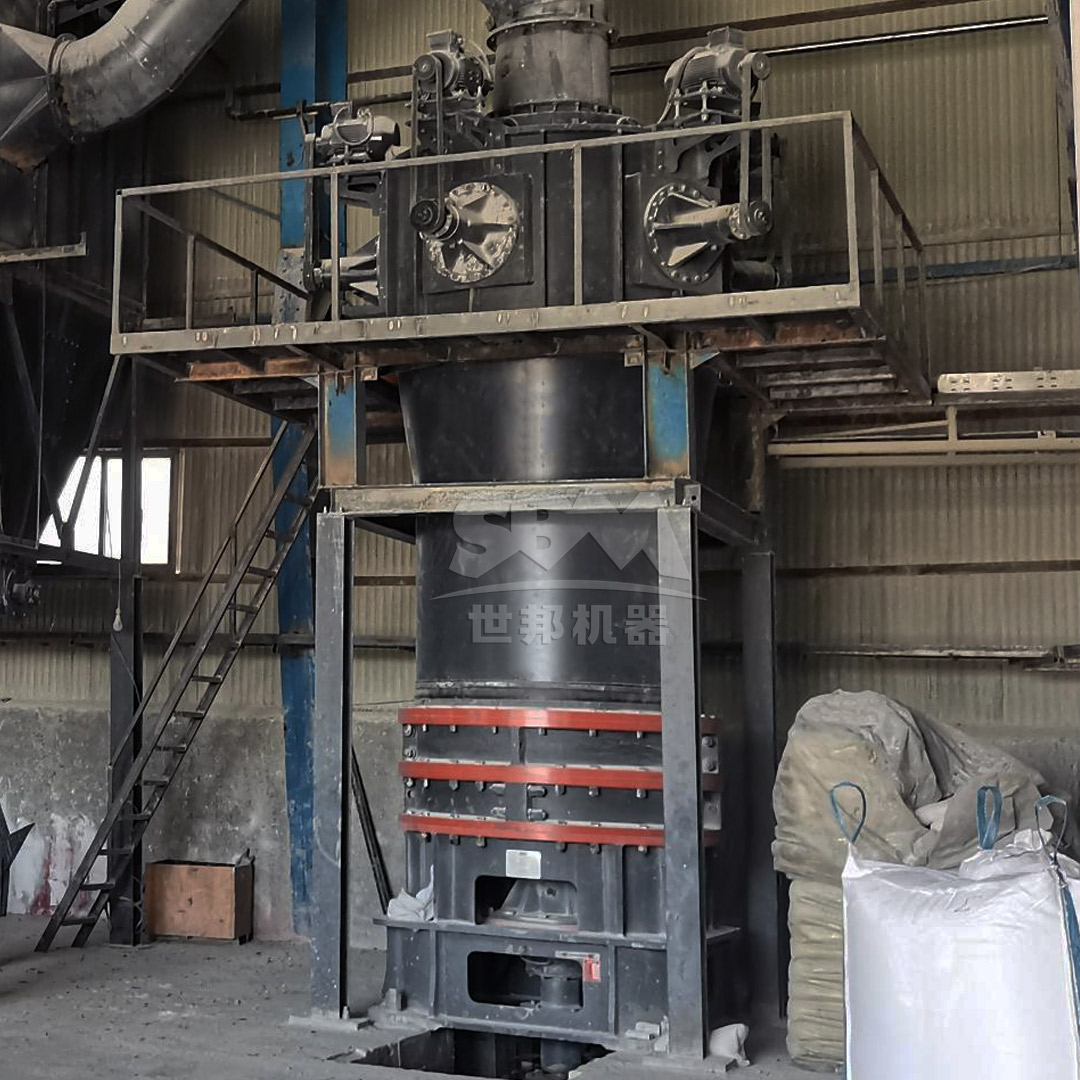
To ensure a premium product with high value and consistency, we recommend integrating a top-tier industrial grinding mill into your production line. SBM’s SCM Series Ultrafine Mill is the ideal solution for this critical stage. Its key advantages include high efficiency and energy savings, delivering twice the capacity of traditional jet mills with 30% lower energy consumption, making it an economical choice for large-scale production. The high-precision vertical turbine classifier ensures that the final α-hemihydrate powder is free from coarse mixing, guaranteeing uniform and sharp particle size distributions. For producing premium α-hemihydrate gypsum powder, the SCM1000 or SCM1250 models are excellent choices, capable of achieving a fineness range of 325 to 2500 mesh with capacities matching industrial scale-up.
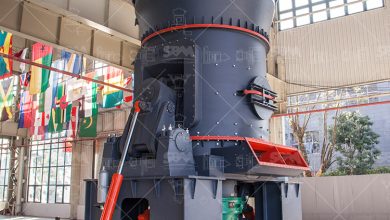
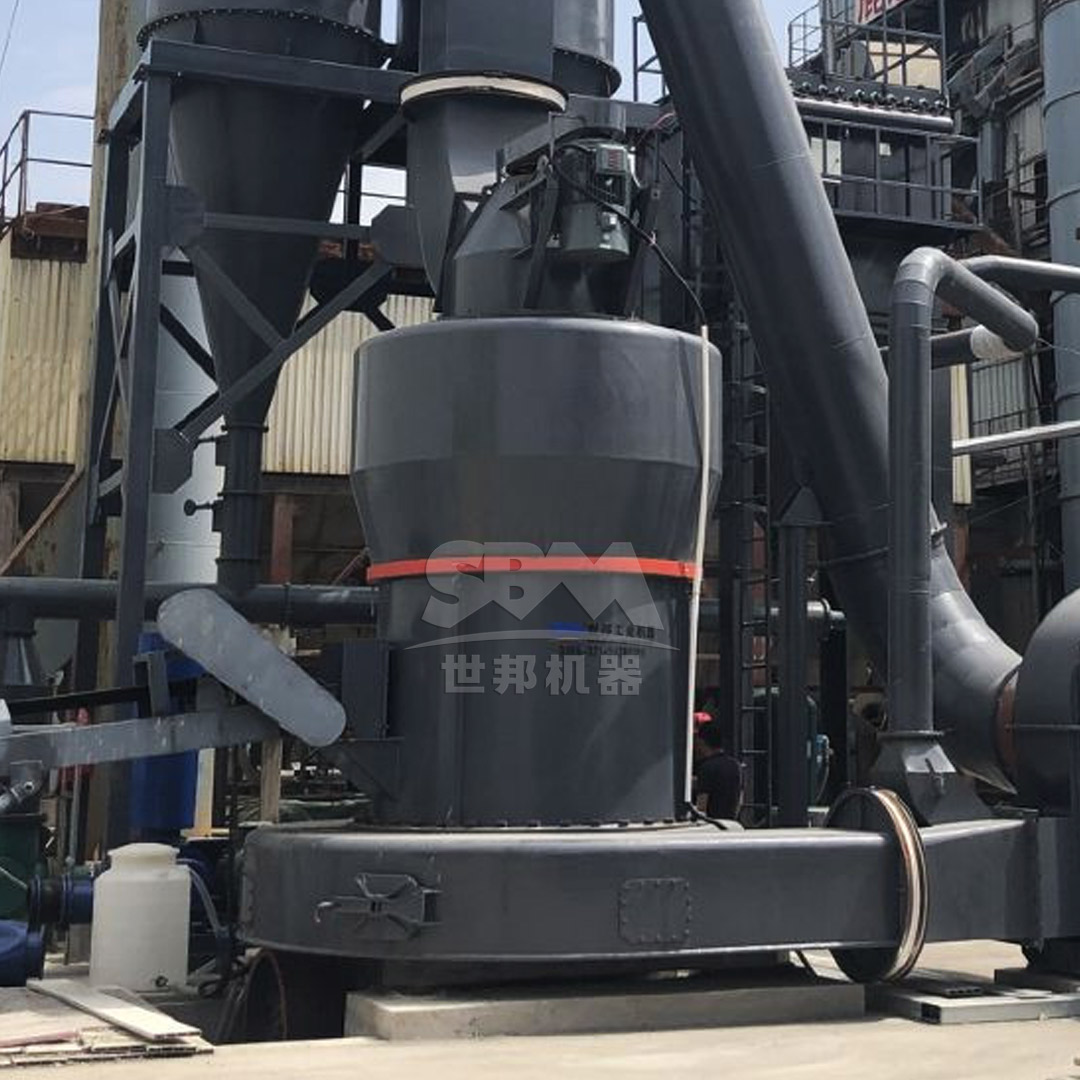
For slightly coarser applications, such as general-purpose building gypsum, the MTW Series European Trapezium Mill offers a robust and proven solution. With a fineness range of 30-325 mesh and high capacity up to 45 t/h, it provides exceptional wear resistance and transmission efficiency. The MTW175G and MTW215G models are specifically designed for high-output operations, ensuring reliable performance in a demanding industrial environment. The choice between these two mills depends on the target market: use the SCM for super-fine, high-strength products and the MTW for standard construction material. These milling technologies do not just crush material; they meticulously shape the final powder’s characteristics, ensuring that the commercial value of the α-hemihydrate gypsum is maximized.
6. Comprehensive Process Flow Overview
To summarize the entire journey from waste to high-value product, the following flow chart outlines the sequential stages in a typical industrial plant:
[1. Raw Material Handling] > [2. Pre-treatment & Purification: Water washing, flotation, lime neutralization] > [3. Dehydration Reaction: (Autoclave, Salt solution, or Acid method) to form α-HH slurry] > [4. Solid-Liquid Separation: Filtration and washing to obtain a filter cake] > [5. Drying: Rotary/double-drum dryers to remove free water, monitoring temp control] > [6. Grinding & Classification: Milling bulk solids to a specific particle size, e.g. via SCM or MTW mills] > [7. Storage, Packaging & Load-out: Storing in silos and dispatching bulk or bagged product].Each step is crucial. The pre-treatment stage determines the chemical purity of feedstock, impacting reaction kinetics. The reaction stage determines the crystal form. Drying prevents product reversion. The final milling stage is the ‘value-add’ step which transforms the crystal into a usable powder standard. It enables producers to offer tailored products that command premium prices in specialized market segments. Modern process control systems monitor parameters across each stage, from temperature and residence time at the reactor to the classifier’s rotational speed at the mill, ensuring end-to-end quality consistency.
7. Economic and Environmental Benefits
Investing in an α-hemihydrate gypsum plant provides significant returns beyond mere profit. From an economic standpoint, it transforms a costly waste disposal liability into a profitable revenue stream. α-hemihydrate gypsum commands significantly higher prices (often 50-100% more) than standard β-hemihydrate gypsum. It finds lucrative applications in high-end construction (self-leveling floors, high-strength partitions), industrial sectors (ceramic molds, glass fiber reinforced gypsum), and even niche areas like automotive and electronic model casting. By utilizing phosphogypsum as a raw material, producers also become eligible for various green energy and environmental subsidies in many jurisdictions.
From an environmental perspective, the technology is a cornerstone of the circular economy. It significantly reduces the need for natural gypsum mining (conserving natural resources) and alleviates the environmental hazards associated with phosphogypsum stockpiling. The solid waste is valorized, and the process water is often recycled in a closed loop after treatment, minimizing water consumption. The result is a cleaner, more sustainable operation that aligns perfectly with global ESG (Environmental, Social, and Governance) mandates. It effectively turns a “problem material” into a green building solution, proving that industrial symbiosis is attainable.
8. Conclusion and Choosing the Right Partner
Producing α-hemihydrate gypsum from phosphogypsum is a technologically mature and highly attractive venture for any forward-thinking company in the fertilizer or building materials sectors. It mitigates environmental liabilities, utilizes a waste resource, and generates a high-margin product. The success of the venture hinges on the reliable performance of its processing equipment, particularly the grinding and classification systems required for the final product. Inefficient grinding leads to higher energy costs, poor powder quality, and reduced market competitiveness.
Choosing the right equipment partner is paramount. With over 30 years of experience in the mineral processing industry, SBM Machinery offers the complete suite of mills needed for this exact purpose. Whether you require the ultra-fine capabilities of the SCM Series for premium casting gypsum or the high-capacity robustness of the MTW Series for construction-grade gypsum, our engineers have the expertise to design a complete solution tailored to your specific raw material characteristics and target fineness. We ensure that your venture not only meets production targets but also adheres to the highest environmental standards. Contact SBM today to explore how we can help you turn a waste challenge into a lucrative, sustainable business opportunity.