High Value Utilization of Kaolin Tailings: Key Pathways and Industrial Applications
Introduction: The Challenge and Opportunity of Kaolin Tailings
The global kaolin industry produces millions of tons of tailings annually during the beneficiation process. These residues, often rich in quartz, feldspar, and residual clay minerals, have historically been treated as waste, posing significant environmental risks including land occupation, water pollution, and dust generation. However, with the advancement of mineral processing technologies and the growing demand for sustainable industrial practices, kaolin tailings are now recognized as valuable secondary resources. This article explores the key pathways for achieving high-value utilization of kaolin tailings, focusing on advanced grinding technologies, material modification strategies, and their broad industrial applications.
Characterization and Resource Potential of Kaolin Tailings
Kaolin tailings typically contain 30-60% quartz, 10-25% feldspar, 5-20% residual kaolinite, and minor amounts of mica, iron oxides, and titanium minerals. The particle size distribution is often bimodal, with coarse sand fractions and fine clay fractions coexisting. The chemical composition varies significantly depending on the original ore deposit and processing methods. Despite this variability, the tailings possess inherent value: the quartz and feldspar components can be recovered as high-grade silica and alumina-silicate materials, while the clay fraction retains some of the original kaolin properties such as whiteness (if iron content is low) and platy morphology.
Comprehensive characterization using X-ray fluorescence (XRF), X-ray diffraction (XRD), and scanning electron microscopy (SEM) reveals that the true value of kaolin tailings lies in their multi-component nature. Rather than attempting to dispose of the entire stream, a sophisticated approach involves differential classification, selective grinding, and targeted purification. The economic feasibility of such projects has improved dramatically with the introduction of energy-efficient ultrafine grinding systems capable of achieving precise particle size control at industrial scales.
Key Pathway 1: Precise Classification and Ultrafine Grinding
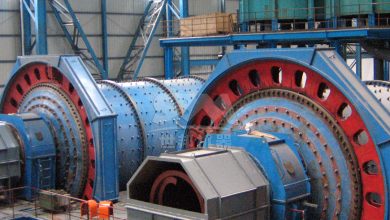
The first critical step in high-value utilization is the liberation of valuable minerals from gangue. Traditional ball mills often over-grind the softer clay minerals while failing to sufficiently fracture the harder quartz grains. This results in poor particle size distribution and unnecessary energy consumption. Modern vertical roller mills and ultra-fine grinding mills address these limitations through selective grinding principles. The material is subjected to layer-by-layer compression and shear forces, which preferentially break the mineral boundaries without excessive generation of ultra-fine dust.
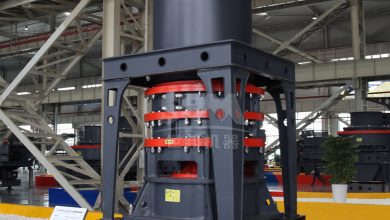
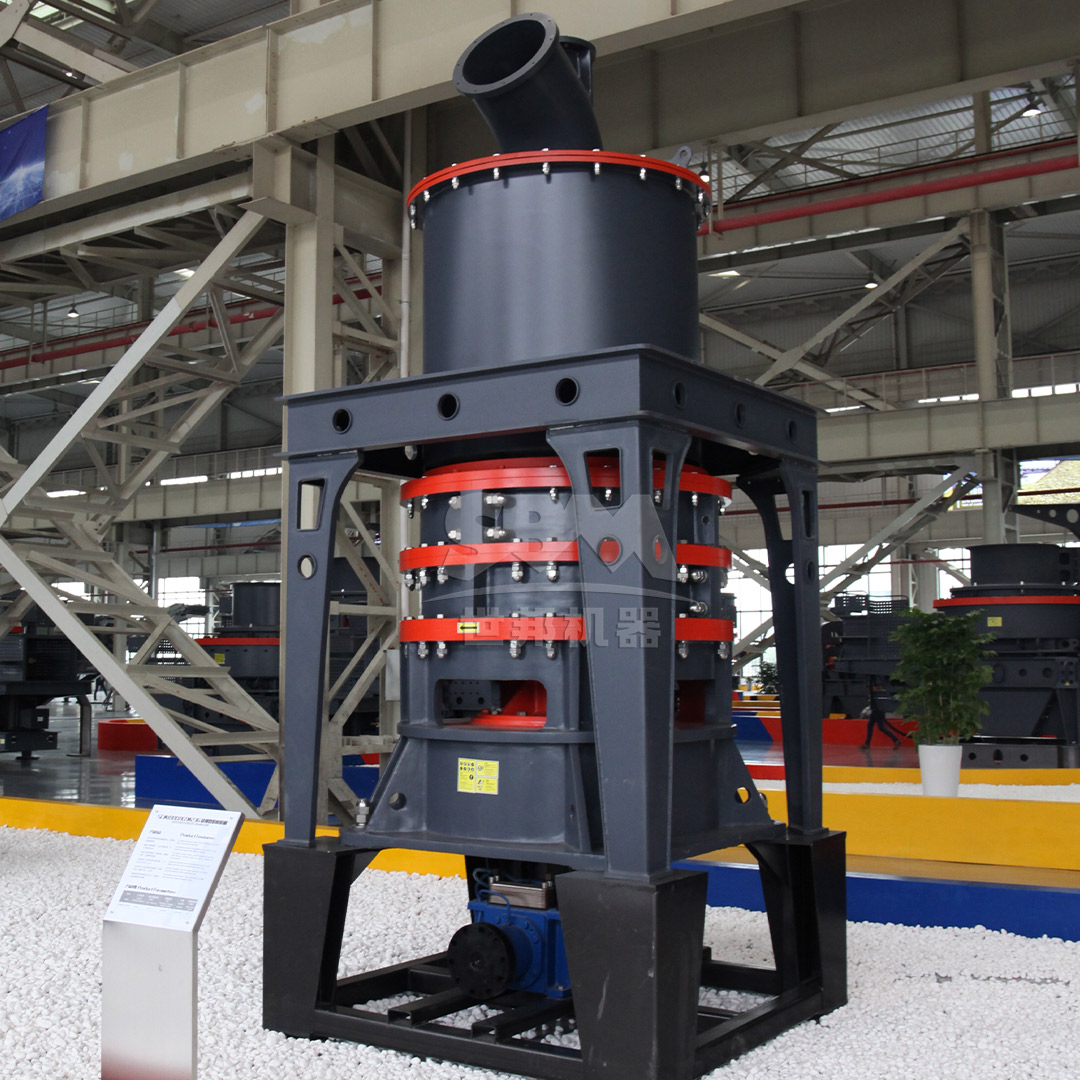
Our company’s SCM Series Ultrafine Mill (45-5μm) is specifically engineered for this demanding application. With an input size up to 20mm and output fineness ranging from 325 to 2500 mesh, the SCM mill excels at producing ultra-fine powders from kaolin tailings. Its capacity ranges from 0.5 to 25 t/h depending on the model, making it suitable for both pilot-scale trials and large-scale industrial operations. The vertical turbine classifier integrated into the system ensures a precise cut point, eliminating coarse powder contamination and ensuring uniform finished products. More importantly, the energy consumption is 30% lower than that of jet mills while achieving twice the throughput, significantly improving the overall economics of tailings processing.
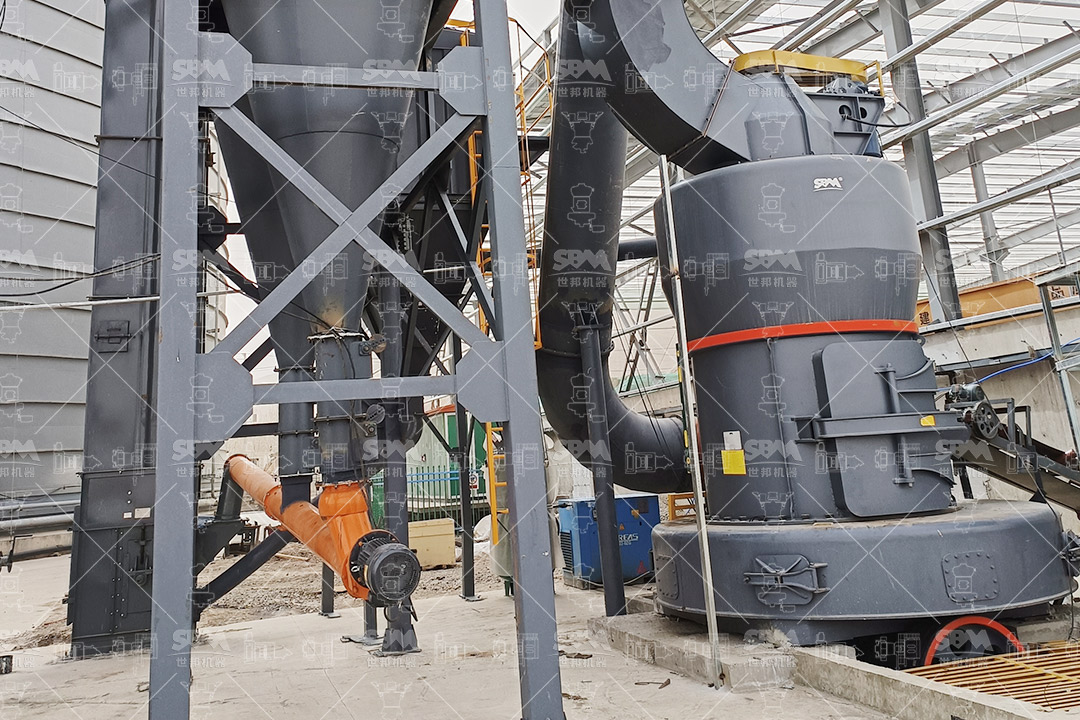
For applications requiring coarser products in the range of 30-325 mesh, the MTW Series European Trapezium Mill (600-45μm) offers an excellent alternative. This equipment features an optimized arc air duct that reduces airflow energy loss and enhances transmission efficiency. The integral bevel gear drive achieves a transmission efficiency up to 98%, which translates directly to lower operational costs. The wear-resistant volute structure further reduces maintenance expenses by 30%. With capacities ranging from 3 to 45 t/h and feed sizes up to 50mm, the MTW mill provides outstanding flexibility for processing variously composed tailings streams.
Key Pathway 2: Thermal Activation and Surface Modification
Once the tailings are ground to the desired fineness, thermal activation becomes crucial for enhancing their pozzolanic reactivity or pigment properties. Controlled calcination at temperatures between 600°C and 900°C transforms the kaolinite structure into metakaolin, which exhibits high reactivity with calcium hydroxide in cementitious systems. This activated product can replace 10-30% of Portland cement in concrete, reducing CO2 emissions and lowering material costs. Furthermore, calcination removes organic impurities and alters the iron-bearing minerals, improving the whiteness and brightness of the final product.
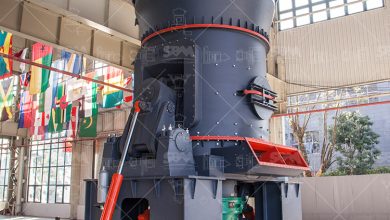
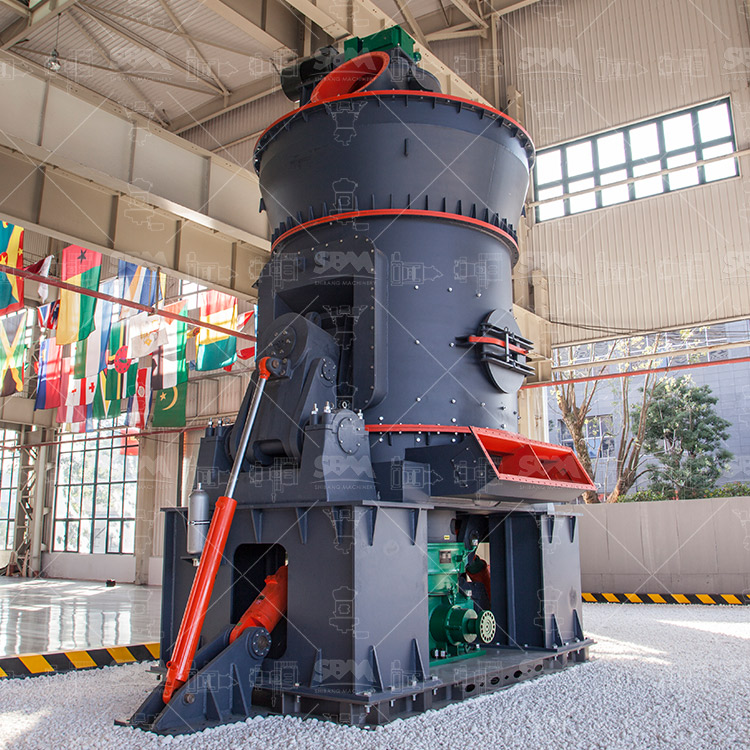
Surface modification techniques, including silane coupling agent treatment and inorganic coating, further expand the application horizon. Hydrophobically modified tailings powders find use as functional fillers in rubber, plastics, and paints. The finely ground quartz fraction (below 10μm) can serve as a high-performance filler in epoxy resins and electronic encapsulants. Achieving these advanced properties consistently requires grinding technology that provides not only fine particle sizes but also narrow particle size distributions and low contamination levels. Processing all these materials at scale is efficiently handled by our LM Series Vertical Roller Mill, which offers integrated crushing, grinding, and classification in a single system, reducing floor space requirements by 50% compared to conventional multi-stage setups.
Key Pathway 3: Recovery of High-Purity Quartz and Feldspar
Magnetic separation, flotation, and acid leaching are standard methods for recovering high-purity quartz and feldspar from kaolin tailings. After these beneficiation steps, the purified quartz can command premium prices in the photovoltaic glass, semiconductor, and optical fiber markets. Similarly, feldspar concentrates are essential raw materials for ceramics, glass, and enamel manufacturing. The grinding stage directly influences the efficiency of these downstream processes. Over-grinding creates excessive fines that are difficult to separate, while under-grinding leaves locked composite particles that reduce recovery rates.
Our MTM Series Medium-speed Trapezium Mill (600-45μm) offers an intelligent pressure regulation system that automatically compensates for roller wear, ensuring consistent product quality over extended operation periods. This mill’s innovative roller assembly protects the main shaft bearings through a horizontal pull-rod connection, making it particularly robust when processing abrasive quartz-rich tailings. The damping and noise reduction design also creates a more comfortable working environment for operators. With capacities up to 22 t/h and feed sizes up to 35mm, the MTM mill provides an economical solution for medium-scale operations.
For large-scale projects demanding even higher throughput, the LM-Y Vertical Pre-grinding Roller Mill stands as a powerful asset. Capable of handling feed sizes up to 20mm and achieving capacities from 6 to 330 t/h, this mill excels in preparing materials for subsequent fine grinding or directly producing end-products with fineness between 30 and 325 mesh. Its bed grinding principle leads to 30-50% lower power consumption compared to traditional crushing and grinding circuits.
Industrial Applications across Various Sectors
The high-value products derived from kaolin tailings find diverse applications across multiple industries. In the construction sector, processed tailings are used as mineral admixtures for concrete, providing improved workability and long-term strength development. The fine quartz powders serve as silica sources for autoclaved aerated concrete (AAC) and calcium silicate boards. In the ceramics industry, the tailored feldspar-quartz blends act as fluxing agents and structural fillers, reducing firing temperatures and improving product mechanical properties.
For the paper and paint industries, ultra-fine kaolin tailings offers with enhanced brightness can substitute for primary kaolin in coating applications. The platy morphology of residual kaolinite particles provides excellent opacity and printability. Environmental applications represent another emerging avenue: activated tailings materials are employed as adsorbents for heavy metal removal from wastewater, taking advantage of their high surface area and ion-exchange capacity.
The agricultural sector benefits from the soil amendment properties of modified tailings, which improve water retention and nutrient availability when added to sandy soils. In advanced materials research, high-purity quartz recovered from tailings serves as a precursor for silicon metal production and silica aerogel synthesis. These uses demonstrate that with the right processing technology, what was once considered waste becomes a valuable resource contributing to a circular economy.
Economic and Environmental Benefits
Implementing comprehensive tailings utilization strategies offers substantial economic advantages. Projects that recover just the quartz and feldspar fractions from a typical 1000 t/day tailings stream can generate annual revenues exceeding $15 million based on current market prices. Additional revenue streams from ultra-fine clay products add further value. Reduced disposal costs and environmental compliance obligations contribute directly to the financial viability. Moreover, governmental incentives for sustainable mining practices and carbon credit mechanisms increasingly favor operations with minimal waste footprints.
From an environmental perspective, converting tailings into saleable products eliminates the need for large tailings dams, mitigating catastrophic failure risks. It conserves water resources by reducing the water content that must be managed. The lower energy consumption of modern grinding systems, particularly those with intelligent control features, minimizes greenhouse gas emissions associated with mineral processing. Industrial symbiosis, where the tailings of one operation feed the raw material needs of another, creates regional economic resilience and reduces transportation distances.
Recommendations for Optimal Processing Equipment Selection
Selecting the appropriate grinding equipment is critical to maximizing the value extracted from kaolin tailings. For operations focusing on fine and ultra-fine products (325-2500 mesh), we recommend the SCM Series Ultrafine Mill as the primary processing unit. This equipment has undergone rigorous testing in various kaolin applications and delivers outstanding performance with low operational costs. Its intelligent control system automatically adjusts operational parameters based on material hardness and feed composition, ensuring optimal performance around the clock.
For integrated plants that require flexibility in producing both fine and coarse products, the LM Series Vertical Roller Mill provides unmatched versatility. Its ability to process any material in the range of 30-325 mesh, combined with exceptional energy efficiency (30-40% lower than ball mill systems), makes it the preferred choice for large-capacity operations. The fully sealed negative pressure operation ensures strict environmental compliance, meeting the most stringent emission standards.
We emphasize that our company provides comprehensive technical support, including sample testing at our state-of-the-art laboratory and on-site process optimization services. Our engineering team works closely with customers to configure the optimal system for their specific tailings characteristics, throughput requirements, and target product specifications.
Conclusion: Advancing Toward a Sustainable Future
High-value utilization of kaolin tailings represents a win-win strategy for the mining and construction materials industries. By implementing advanced classification, grinding, and modification technologies, these by-products can be transformed into premium products serving diverse markets. The environmental benefits of reducing waste disposal footprint and conserving natural resources are equally compelling as the economic gains.
The key pathways outlined in this article – precise classification and ultrafine grinding, thermal activation and surface modification, and recovery of high-purity minerals – provide a roadmap for successful project implementation. Modern grinding equipment, such as our SCM and LM series mills, forms the technological backbone of these processes, offering the efficiency, precision, and reliability needed for commercial-scale operations.
As the global economy transitions toward sustainable production methods, the role of secondary mineral resources will only increase. Companies that invest now in advanced tailings processing capabilities position themselves for long-term competitive advantage. We remain committed to supporting this transition through continuous innovation in grinding technology and process engineering, ensuring that every mineral resource is utilized to its fullest potential.