High-Temperature Blast Furnace Coal Injection Mill Working Process & Best Model Recommendations
1. Introduction to Blast Furnace Coal Injection (BFCI)
In modern ironmaking, the injection of pulverized coal into blast furnaces (BFCI) has become an essential practice for replacing coke, reducing operational costs, and lowering carbon emissions. The process requires the grinding of raw coal into extremely fine powder, typically with a fineness of 80% passing 200 mesh (74 μm), to ensure complete combustion and high replacement ratio. However, the operation places severe demands on the grinding equipment: high temperature resistance, wear durability, and thermal stability. This article explores the working process of high-temperature blast furnace coal injection mills and provides the best model recommendations for a wide range of production capacities.
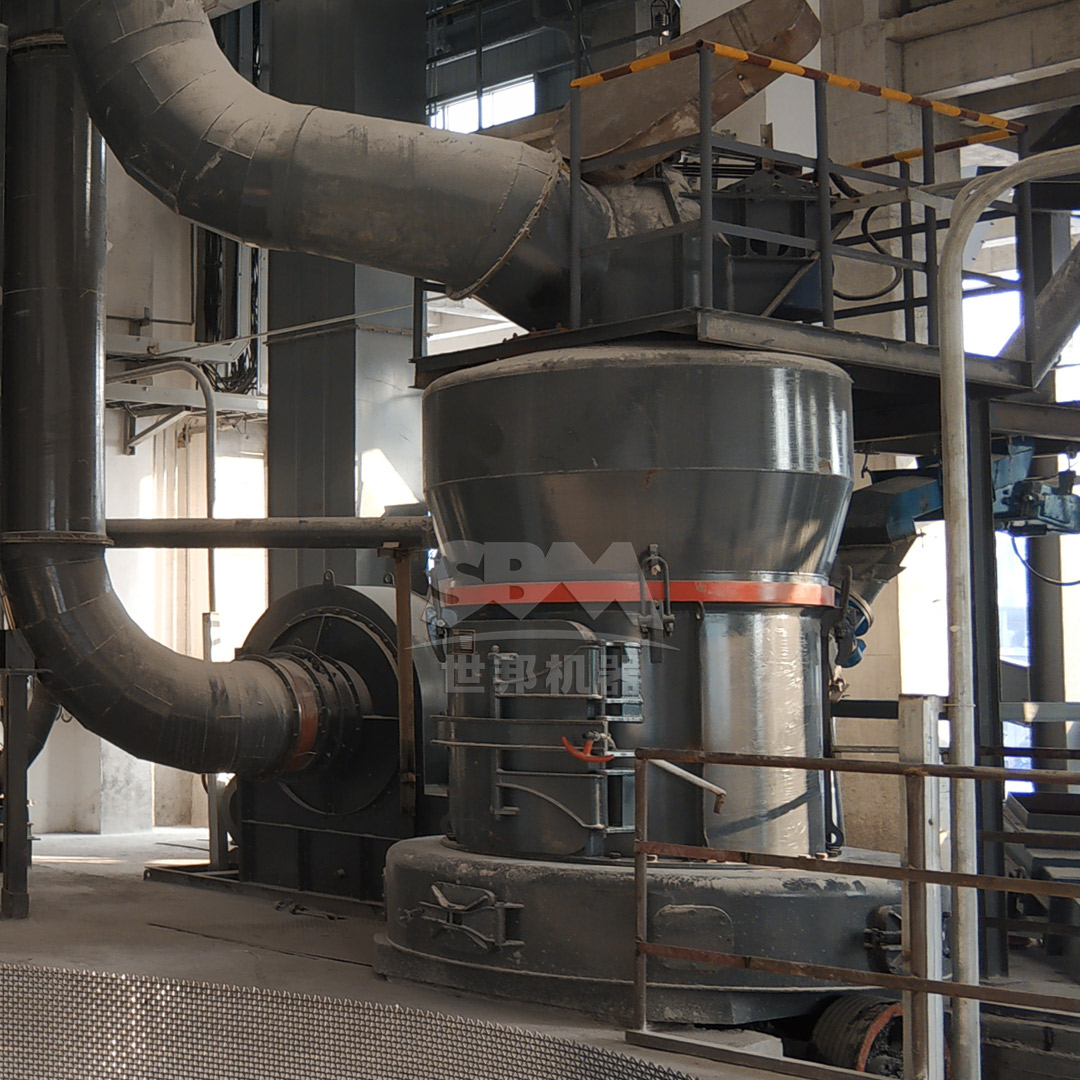
2. Working Process of High-Temperature Coal Injection Mills
The grinding process in a BFCI system is a thermal-mechanical coupled operation. Unlike conventional grinding, the mill operates with hot air (typically 300-350°C) used as the drying and conveying medium. The detailed working process is as follows:
2.1 Feed and Spreading
Raw coal (≤50 mm) is fed into the mill through a rotary feeder. If the moisture content is high, it is pre-dried. Inside the mill, the material falls onto a rotating grinding table. Centrifugal force distributes the coal evenly across the table surface, forming a stable bed.
2.2 Grinding Zone Classification
In vertical roller mills (VRM), the grinding rollers, which are hydraulically pressed, crush the coal layer against the table. The pressure is tuned to the coal hardness and product fineness. As the rollers pass over the bed, coal particles are crushed and ground. Hot air entering from the bottom of the mill aerates the fine particles, lifting them towards the dynamic classifier. Coarse and heavy particles fall back onto the table for further grinding, while fine particles continue to the classifier.
2.3 High-Temperature Drying
The hot air flow inside the mill chamber evaporates surface and internal moisture instantly. This drying process improves combustion efficiency downstream. The temperature is carefully controlled to prevent coal ignition inside the mill. Our advanced mills feature a unique hot air duct layout for uniform drying without dead zones.
2.4 Dynamic Classification
The dynamic classifier is a high-speed vertical turbine. It sets the cut point for particle size. In our models, the classifier speed is automatically adjusted by an intelligent control system to maintain a stable product fineness (typically 5-20% residue on 200 mesh). Rejected coarse particles fall back for re-grinding, ensuring zero over-grinding and high classification efficiency.
2.5 Pneumatic Conveying
Finally, the fine coal powder is carried by the air stream into a baghouse or pulse-jet collector. Here, clean air is separated from the powder. The collected coal powder is transported to the pulverized coal tank via a dense-phase pneumatic conveyor for injection into the blast furnace through multiple lances.
3. Challenges in High-Temperature Grinding
The primary challenges in BFCI mills are: 1) Wear resistance – coal is abrasive, and at high temperatures, wear accelerates. 2) Thermal expansion – mill internals must be able to expand without mechanical failure. 3) Explosion safety – fine coal dust mixed with hot air can be explosive; mills must include inert gas injection ports and explosion relief valves. 4) Energy efficiency – high production rate with moderate power consumption.
4. Best Model Recommendations
Based on the required capacity, moisture content, and energy constraints, we recommend two distinct models from our LM series for blast furnace applications.
4.1 Recommendation 1: LM150M Vertical Coal Mill
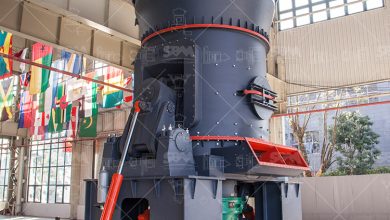
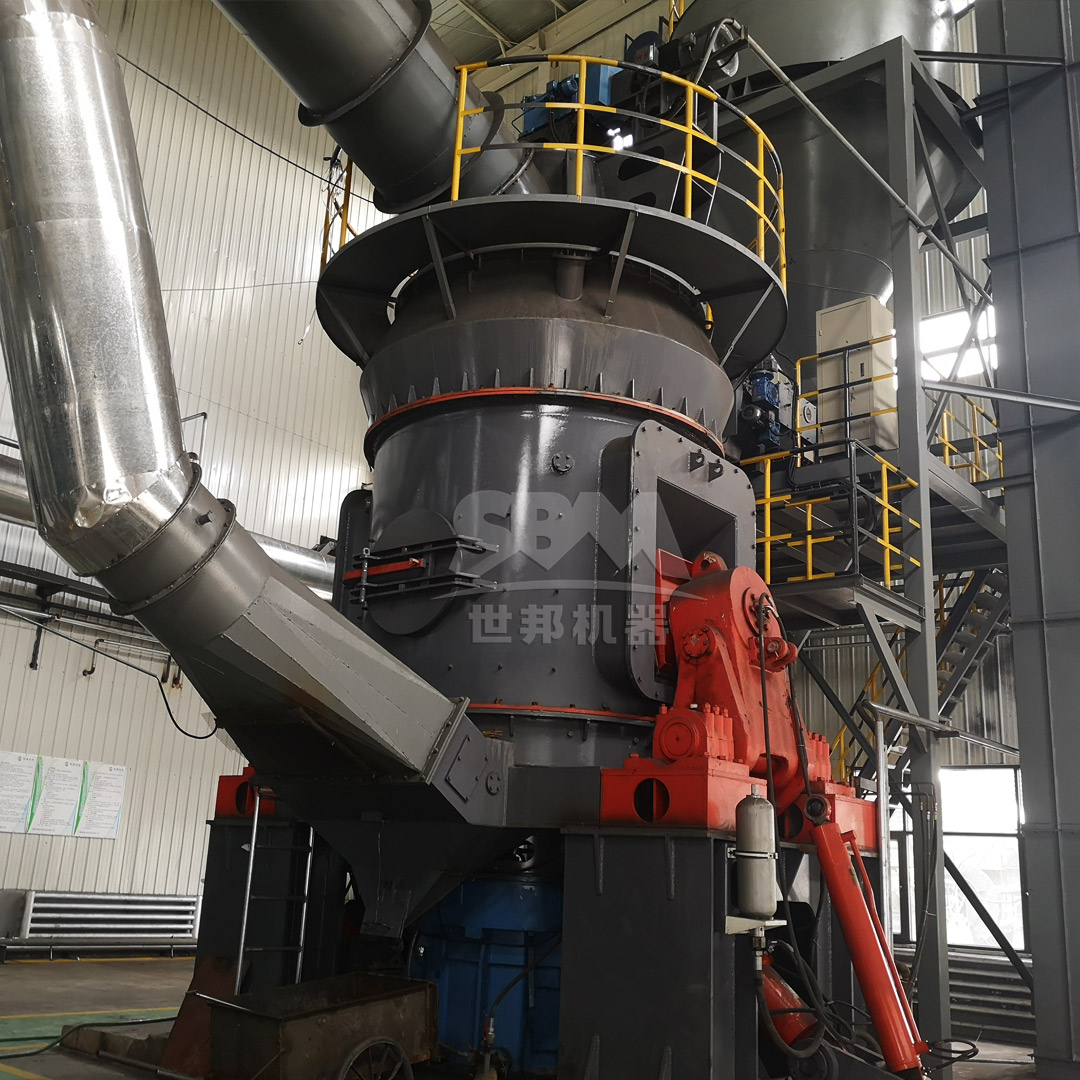
For medium-scale blast furnaces (typically 1200-2500 m³), the LM150M is an ideal choice. The LM130M to LM280M vertical coal mill series is specifically designed for pulverized coal grinding with fineness regulation in the range of 5-20% (residue on 80-100 mesh). With a feed size of up to 50 mm, the LM150M has a capacity of 16-25 t/h (model dependent) and operates with a main power of just 280 kW. The mill features a modular grinding roller assembly quick-change system and a hot air circulation energy-saving system, reducing energy consumption by 30% over traditional ball mills. Its non-contact design between rollers and table increases wear part life by 3 times, a crucial advantage when grinding high-abrasion anthracite.
4.2 Recommendation 2: LM190M / LM220M Vertical Coal Mill
For large blast furnaces (>2500 m³) requiring massive coal injection rates, the LM190M or LM220M are the market standards. The LM series can achieve a capacity of up to 70 tons per hour for lignite and 45 t/h for bituminous coal. The mill integrates crushing, drying, and classification in a single unit. We recommend the LM220M for capacities up to 45 t/h, operating at 800 kW.
For superior classifier precision, both models can be equipped with a dynamic classifier with multi-stage adjustment technology. This allows automatic adjustment from 200 mesh to 325 mesh. The grinding process on these models is optimized for high-temperature operation, where the intake hot air can be up to 350℃, allowing for high-moisture coal processing.
| Parameter | LM130M | LM150M | LM190M | LM220M |
|---|---|---|---|---|
| Capacity (t/h) | 3-8 | 16-25 | 30-40 | 45-90 |
| Fineness (R0.08) | 5-20% | 5-20% | 5-20% | 5-20% |
| Main Power (kW) | 55-90 | 280 | 400-500 | 800-900 |
| Hot Air Temp (℃) | 330 | 350 | 350 | 350 |
5. Feasibility of Alternative Machines
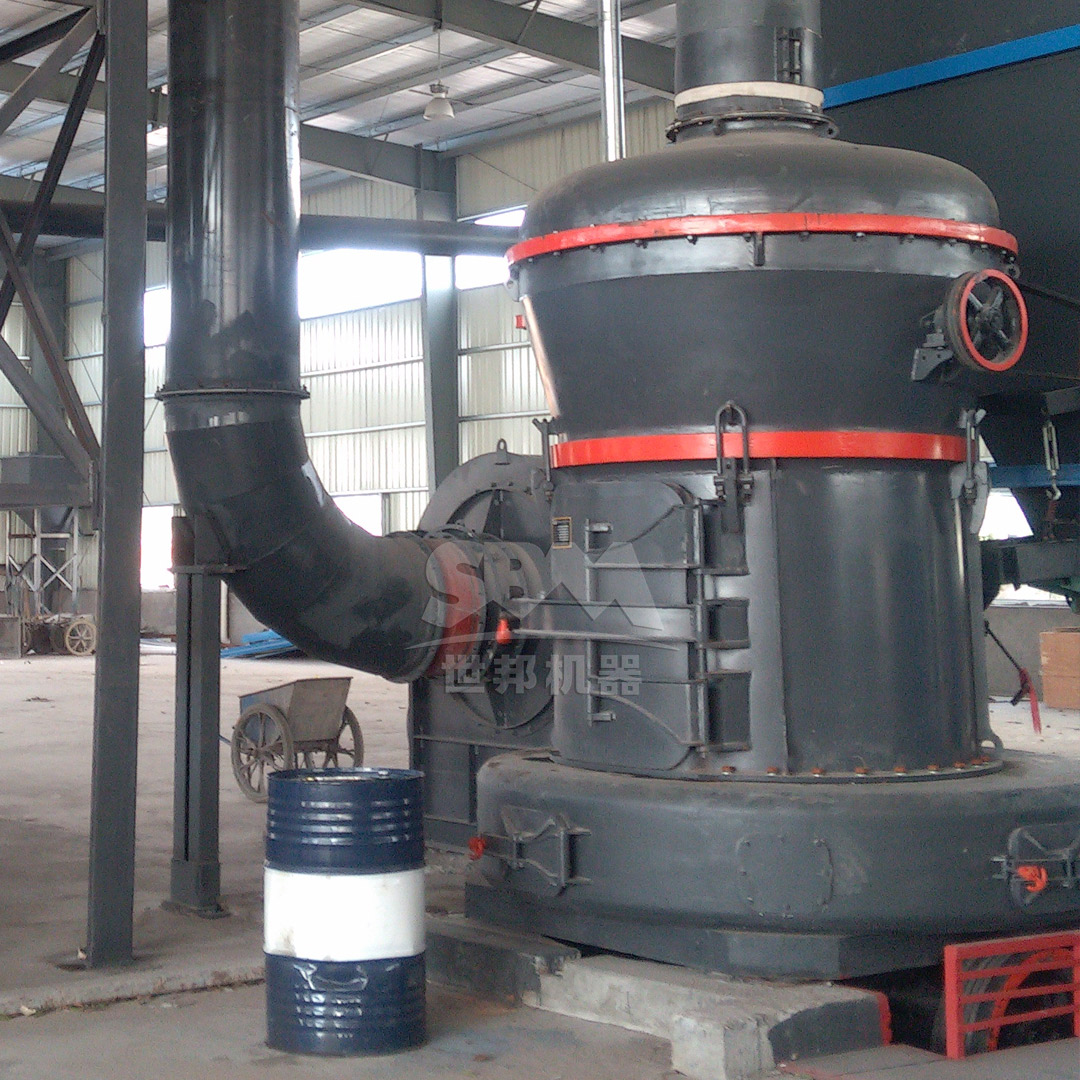
While the LM series is optimized heavily, for small-scale blast furnaces or simple injection stations, the MTW Series European Trapezium Mill can also be utilized. The MTW175G, operating at 160 kW, can process up to 25 t/h, allowing a fine mesh of 80 mesh to 250 mesh. However, its primary focus is on general ore milling; for strictly BFCI, the vertical roller mill is superior because it handles high volumes and high temperatures more effectively. We also produce the SCM Ultrafine Mill for ultra-fine injection, but this is more applicable for micro-fine grinding applications outside the standard blast furnace efficiency scope.
6. Process Control and Safety
The entire mil system is operated safely using an automated system that determines the optimum hot gas temperature and coal flow rate. Our LM series includes an inert gas (N2) spraying system that is triggered if the CO concentration risings above a safe threshold. The negative pressure system ensures no coal dust leaks into the atmosphere, complying with environmental laws.
7. Conclusion
For the high-temperature blast furnace coal injection process, implementing an optimal grinding solution is non-negotiable. The LM series vertical roller mills represent a high-efficiency, safe, and reliable recommendation. For plants demanding high throughput with extremely low power consumption and high drying capability, the LM150M and LM220M are the best industrial solutions. We strongly endorse the LM series for its proven track record of low operational costs, reduced mechanical wear, and fool-proof safety systems.