
Coal Vertical Mill System Process Flow: A Complete Guide to Working Principle and Operation
Introduction
In the modern industrial landscape, the coal vertical mill system plays a pivotal role in the efficient and environmentally responsible processing of coal for various applications, including cement production, power generation, and steel manufacturing. As global demand for energy efficiency and strict environmental compliance intensifies, understanding the complete process flow, working principle, and operational nuances of the coal vertical mill system becomes indispensable for plant managers, engineers, and operators. This comprehensive guide delves into every aspect of the coal vertical mill system, from raw material handling to finished product collection, providing a deep understanding of its mechanics and advantages. At the heart of this system lies the vertical roller mill, a sophisticated piece of equipment designed to grind, dry, and classify coal in a single, continuous operation. Whether you are seeking to optimize your existing setup or invest in new technology, this guide will equip you with the essential knowledge to make informed decisions. For instance, our LM Series Vertical Roller Mill is specifically engineered for pulverized coal applications, offering capacities from 3 to 90 tons per hour with fineness levels reaching 5-20% R0.08mm. We will also highlight the specialized LUM Ultrafine Vertical Roller Mill for applications requiring ultra-fine coal powder.
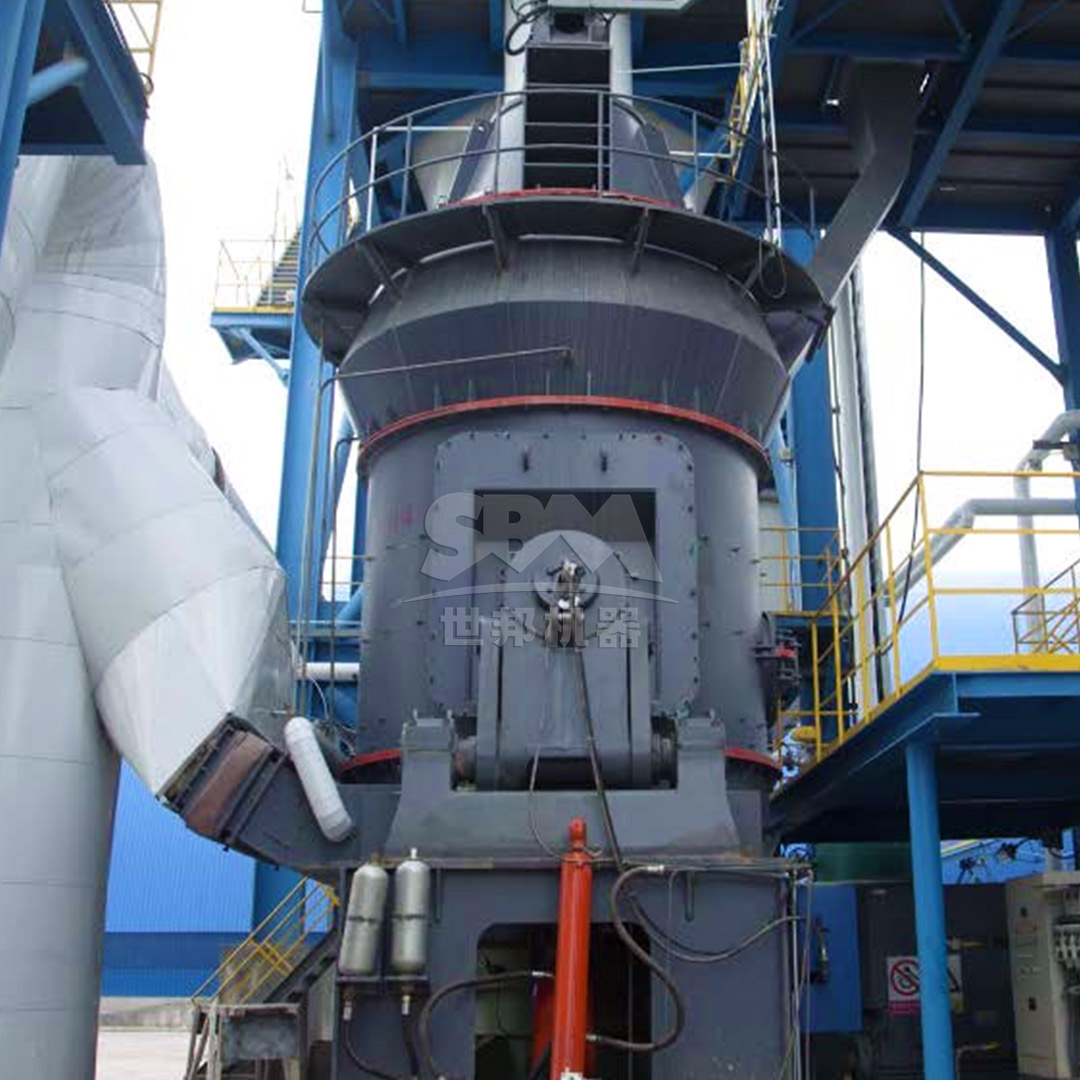
System Overview and Key Components
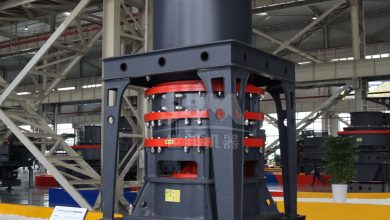
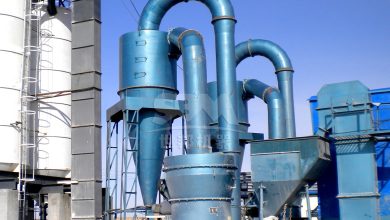
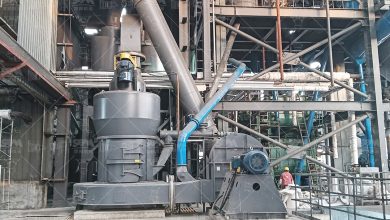
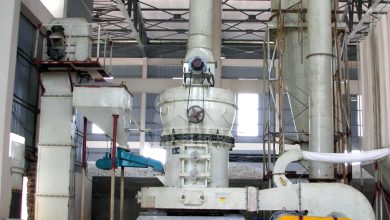
A typical coal vertical mill system is a closed-circuit, integrated system designed for high-efficiency grinding and drying. The primary components include the feeding system, the vertical mill itself, a grit separator, a baghouse dust collector, and a fan system. The process begins with raw coal being transported from a stockpile to the mill hopper via a belt conveyor. An essential auxiliary system is the hot air generator (often using coal or gas) or a hot gas source from a clinker cooler in a cement plant, which provides the necessary heat for drying the coal during the grinding process. The entire system operates under negative pressure, which is maintained by the main exhaust fan. This ensures zero dust leakage, making it an environmentally friendly solution. The mill body is the core of the system. In our LM Series Vertical Coal Mill, the grinding table is driven by a gearbox, grinding rollers exert pressure on the material layer, and the integrated classifier ensures precise particle size control. This integrated design reduces the floor space by up to 50% compared to traditional ball mill systems, a critical advantage for plant upgrades or new installations where space is at a premium.
Working Principle of the Coal Vertical Mill
The working principle of the coal vertical mill is based on the principle of bed grinding, where material is crushed between a rotating grinding table and stationary or rotating grinding rollers. The process can be broken down into four primary stages: feeding, grinding, separation, and transportation.
1. Feeding and Material Spreading: Pre-crushed coal (typically <50mm) enters the mill through a central feed chute located above the rotating grinding table. The material falls onto the center of the table and is then dispersed outward towards the grinding track by centrifugal force generated by the table’s rotation. The rotation speed of the table is carefully controlled to ensure even distribution of the material layer.
2. Grinding and Drying: As the material moves across the grinding table, it enters the grinding zone where the grinding rollers are in contact with the table. The rollers are either fixed in place with a hydraulic-pneumatic system applying pressure, or they swing into position. The pressure exerted by the rollers crushes the coal particles against the table. Simultaneously, hot drying gas (air or kiln exhaust) enters the mill from a concentric ring nozzle surrounding the table. This high-velocity gas stream lifts the ground material away from the table and begins the drying process. The intense contact between the hot gas and the fine coal particles ensures rapid evaporation of surface moisture.
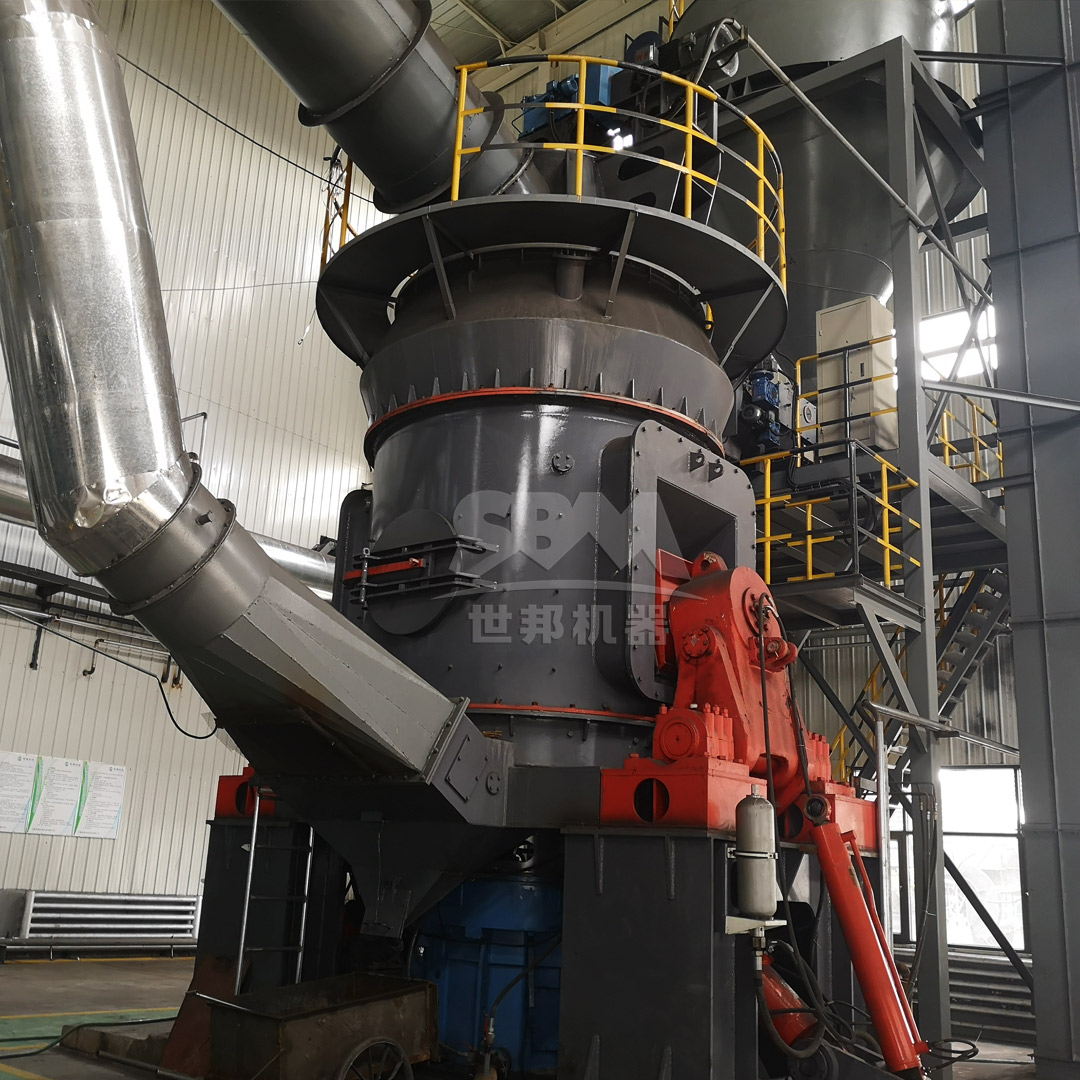
3. Classification and Separation: The gas stream carries the ground, dried coal particles upward into the dynamic classifier (also known as a grit separator). The classifier is a rotating cage with vanes. The rotational speed of the classifier dictates the cut point for particle size. Coarser particles are spun outwards by centrifugal force and fall back onto the grinding table for further grinding. Finer particles (the finished product) pass through the classifier and are carried out of the mill by the gas stream. This classification process is highly efficient, ensuring a uniform final product size and eliminating the need for external screening.
4. Transportation and Collection: The gas stream laden with fine coal powder exits the top of the classifier and is transported to a high-efficiency baghouse dust collector or a cyclone collector. In the baghouse, the fine coal powder is collected on filter bags, while the cleaned air is exhausted to the atmosphere via the main fan. The collected coal powder is then discharged via a rotary airlock valve to a storage silo. The system’s negative pressure operation and the efficiency of modern pulse-jet dust collectors ensure that emissions are minimal, often below 20mg/Nm³, far exceeding standard environmental regulations.
Process Optimization and Operation
Efficient operation of a coal vertical mill system relies on precise control of several key parameters. The main control variables include: Grinding Pressure: This is set by the hydraulic system. Higher pressure increases grinding efficiency but also increases energy consumption and wear. Optimal pressure is found through testing. Table Speed: This affects material retention time and the thickness of the grinding bed. Gas Flow and Temperature: The primary fan speed and damper positions control the gas flow, which affects material transport and drying rate. The inlet gas temperature is adjusted based on the moisture content of the raw coal. Classifier Speed: This is the primary control for product fineness. Increasing speed yields a finer product. Material Bed Thickness: Maintaining a stable and proper material bed is critical. Too thin a bed leads to metal-to-metal contact and high vibration; too thick a bed reduces grinding efficiency and increases power draw.
Modern mills, such as those in the LM Series, feature intelligent auto-control systems that monitor these variables in real-time and adjust them to maintain optimal performance with minimal manual intervention. The system can also detect abnormal conditions like mill vibration or high differential pressure and take corrective action or safely shut down the mill. For specialized applications requiring ultra-fine coal powder (325-2500 mesh), our LUM Ultrafine Vertical Roller Mill is the ideal solution. It incorporates multi-rotor classification technology for precise particle size cutting and a unique roller and liner curve design to maximize grinding efficiency while maintaining a low energy consumption profile. Its PLC-based smart control ensures consistent product quality.
Technical Specifications and Product Recommendations
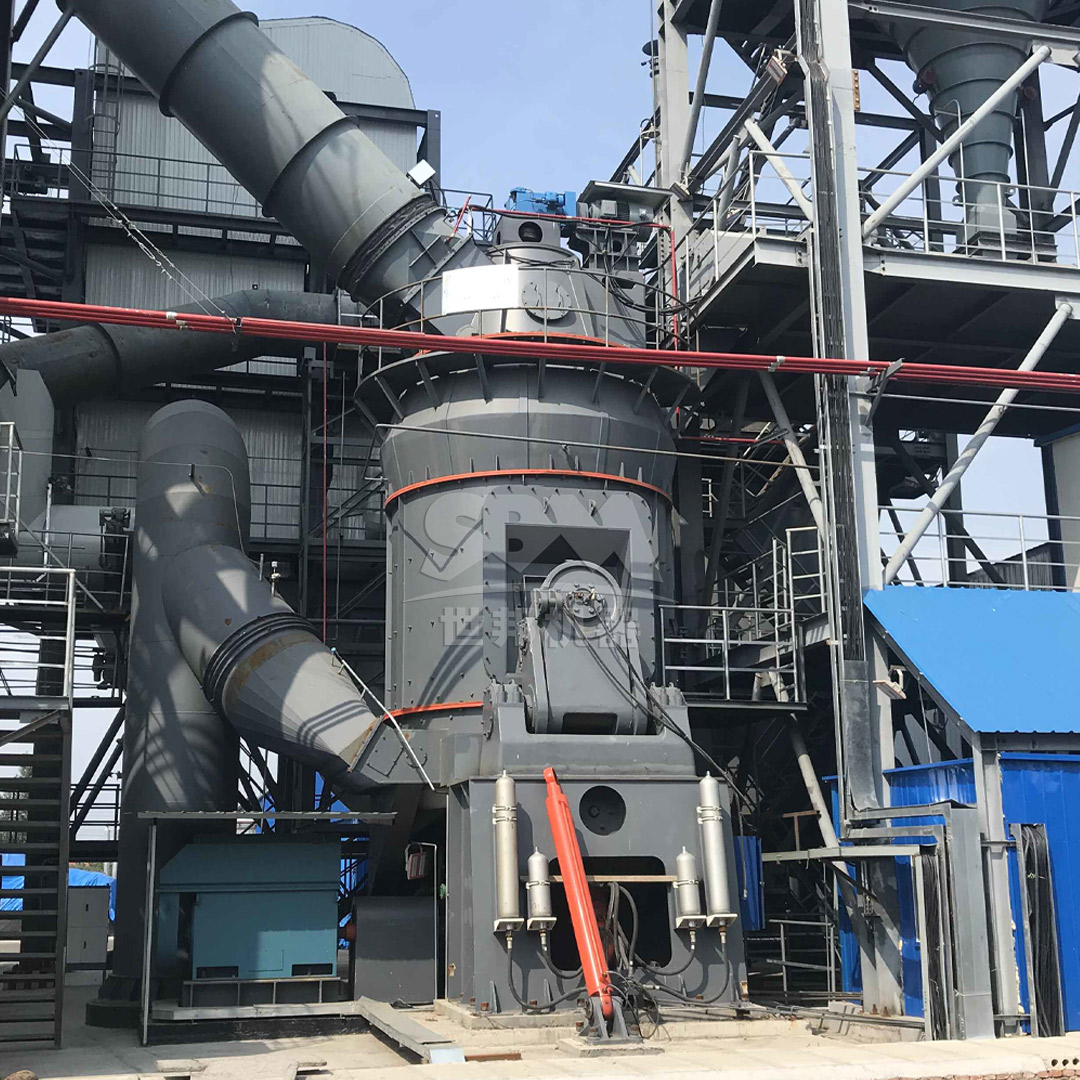
Our LM Series Vertical Roller Mill is renowned for its robust design and high capacity. For coal grinding, the LM Series comes in models from LM80M to LM280M, with capacities ranging from 3 to 90 tons per hour. The integrated design can reduce floor space by half compared to ball mills, and the energy consumption is 30-40% lower. The non-contact design between rollers and table significantly extends wear part life. The LUM Ultrafine Vertical Roller Mill, on the other hand, is our premier choice for ultra-fine powder processing. With a feed size of <20mm, it can produce finished products in the range of 325-2500 mesh. Models like the LUM1525 (220-250kW) and LUM1632 (280-315kW) offer capacities suitable for specialized chemical and mineral applications. The SCM Series Ultrafine Mill is another alternative for capacities between 0.5-25 ton/h and a fineness of 325-2500 mesh, offering a two-fold capacity increase over jet mills with 30% lower energy consumption. For standard coal grinding applications, the MTW Series European Trapezium Mill is also a powerful option, processing materials <50mm down to 30-325 mesh with capacities up to 45 t/h. Choosing the right mill depends on your specific requirements for capacity, fineness, material moisture, and available space. Our engineering team is available to help you select the optimal solution for your project, ensuring you achieve maximum productivity, lowest cost of ownership, and full environmental compliance.