Applications of Ground Calcium Carbonate in Industrial Coatings
Introduction
Ground Calcium Carbonate (GCC) is one of the most versatile and widely used mineral fillers in the industrial coatings industry. Derived from natural limestone, marble, or chalk, GCC offers a unique combination of properties that make it indispensable for paint and coating formulations. Its applications range from architectural decorative paints to heavy-duty industrial protective coatings. This article explores the critical role of GCC in modern industrial coatings, focusing on its functional benefits, processing requirements, and how advanced milling technology from leading manufacturers is enabling superior product performance.
Why GCC is Essential for Industrial Coatings
In industrial coatings, GCC serves multiple purposes. It acts as a functional extender, reducing the overall formulation cost without compromising key properties. More importantly, it contributes to the coating’s mechanical strength, opacity, and rheological behavior. The particle size distribution and surface treatment of GCC are critical factors that determine its performance in a specific coating system. For high-gloss coatings, ultrafine particles (down to 2-5 microns) are required, while matte finishes may utilize coarser grades. The consistent quality of GCC, particularly its brightness and low impurity levels, directly impacts the final color and hiding power of the paint.
The Demand for Precision Grinding
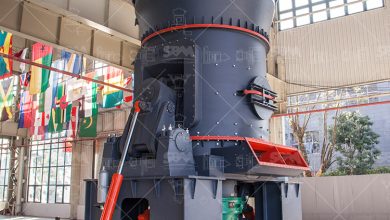
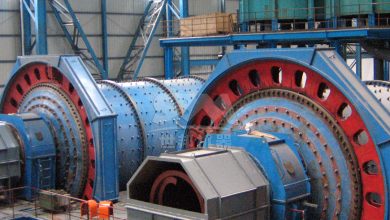
The coatings industry increasingly demands higher performance from raw materials. For GCC, this translates to a need for extremely fine and precisely classified powders. A particle size of D97 < 10μm (equivalent to 1250 mesh) or even D97 < 5μm (2500 mesh) is becoming standard for high-end applications like automotive primers, coil coatings, and powder coatings. Achieving this level of fineness with high efficiency and low contamination requires specialized grinding equipment. Traditional ball mills often fall short in energy efficiency and precision classification. This is where advanced vertical roller mills and ultrafine mills excel.
Optimizing GCC for Superior Flow and Dispersion
The dispersion of GCC in a liquid resin system is a key challenge. Poorly dispersed agglomerates lead to surface defects, reduced gloss, and lower mechanical properties. Modern coating formulations often utilize surface-modified GCC, where a fatty acid (like stearic acid) is coated onto the particle surface. This treatment makes the particles hydrophobic and improves their compatibility with organic binders, significantly reducing dispersion time and energy. However, the base powder must be extremely uniform in particle size to ensure even coating. Mills with high-precision classifiers, which can achieve sharp cut points without coarse particle contamination, are essential for producing premium coated GCC.
Recommended Solution: SCM Series Ultrafine Mill
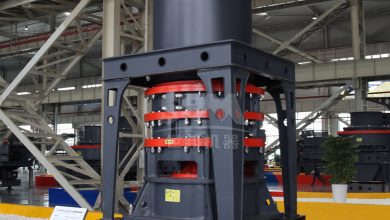
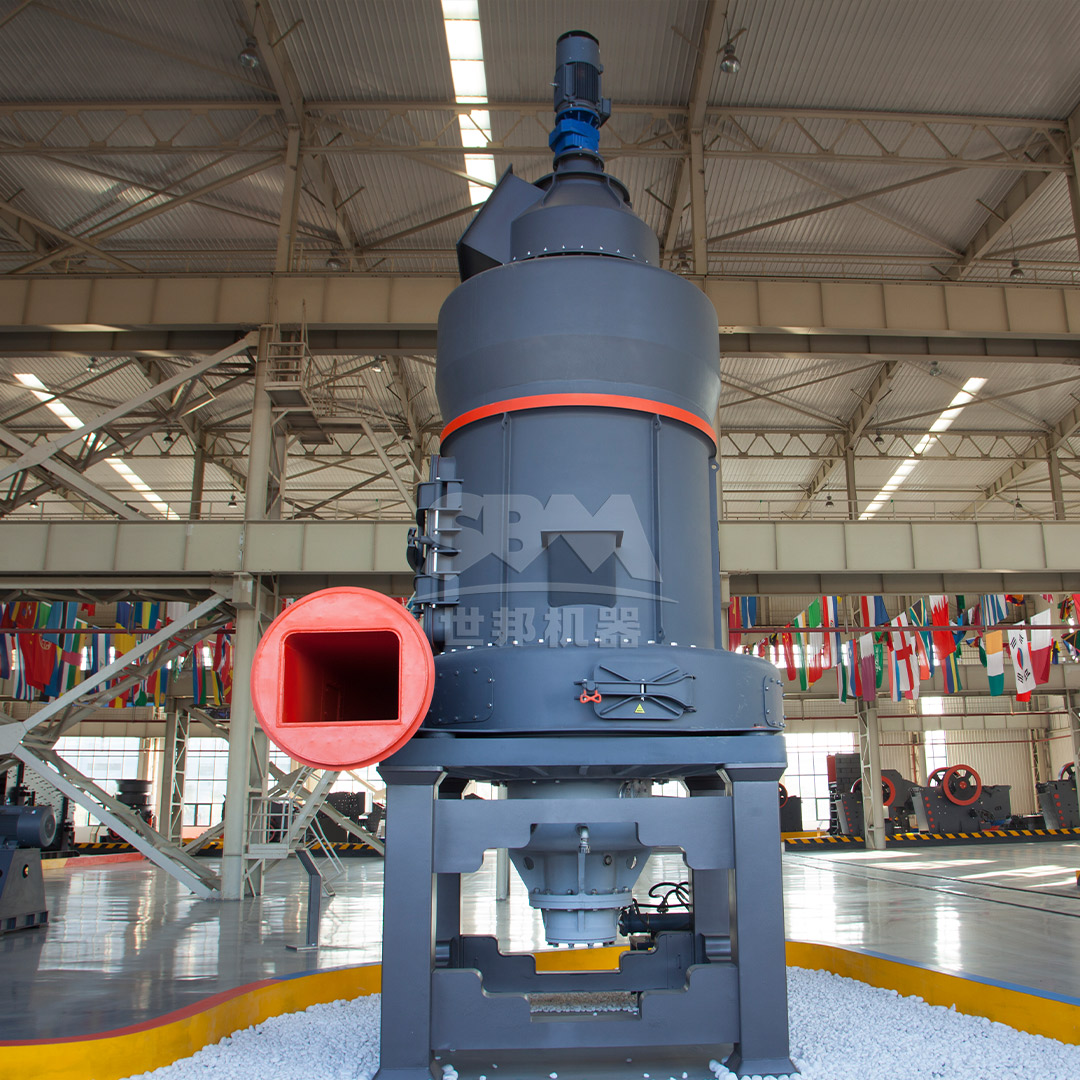
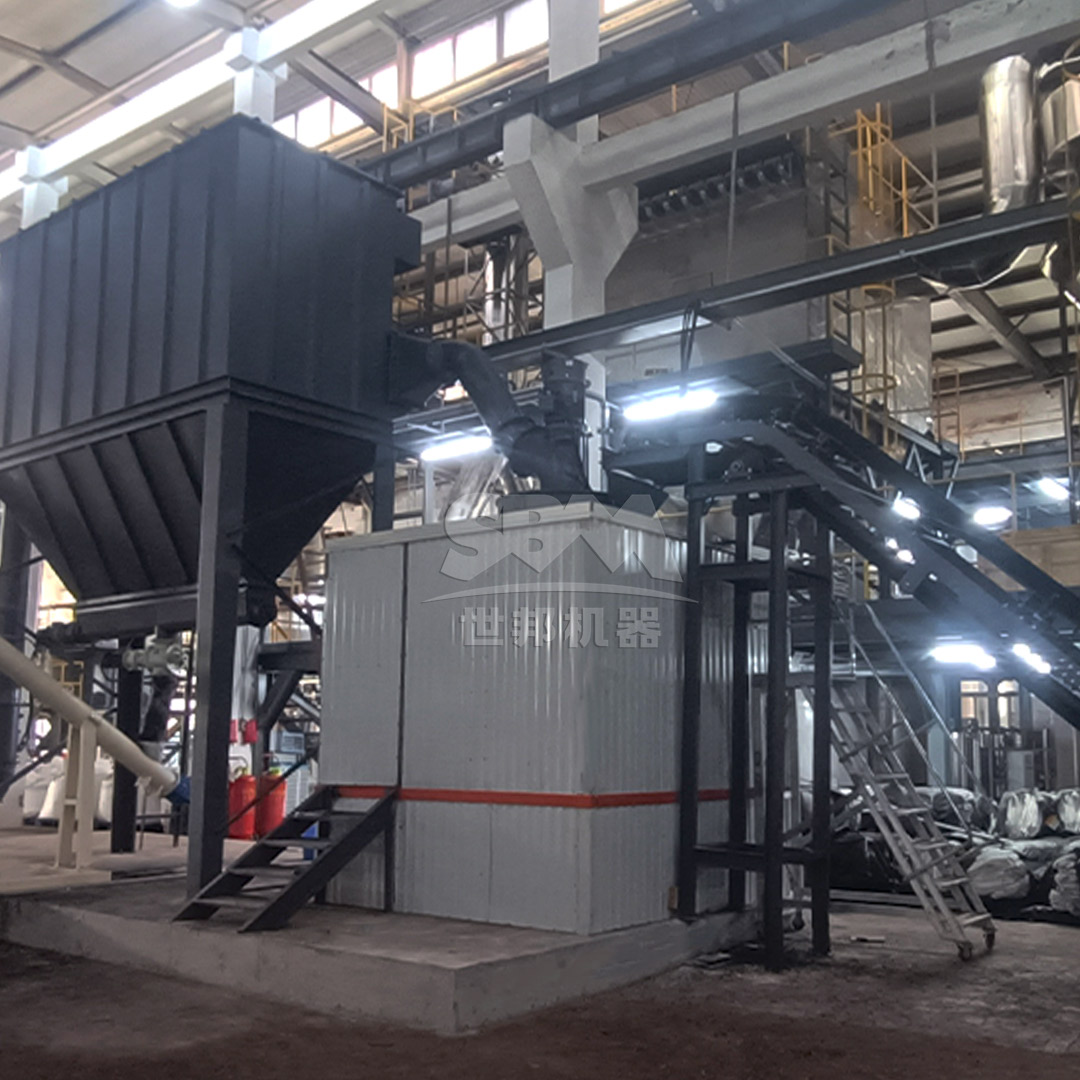
For manufacturers looking to produce high-quality GCC for the industrial coatings market, the SCM Series Ultrafine Mill stands out as a premier solution. Designed to produce powders from 325 mesh (45μm) down to 2500 mesh (5μm), this mill is perfectly aligned with the requirements of the coatings industry. Its core technical advantages directly translate to better GCC product quality:
- High Efficiency & Energy Saving: Compared to jet mills, the SCM series offers double the capacity while consuming 30% less energy. For a coating plant producing 10 tons of GCC per day, this could represent significant operational savings.
- High-Precision Classification: The vertical turbine classifier ensures that no coarse powder mixes into the final product. This guarantees a consistent particle size distribution, which is crucial for maintaining stable viscosity and gloss in paint formulations.
- Durable Design: Special material rollers and rings extend the service life several times over, minimizing downtime and maintenance costs.
Recommended Model: SCM1000 – With a capacity of 1.0-8.5 t/h and a main power of 132kW, this model is ideal for medium to large-scale GCC production lines. It can easily handle feed sizes up to 20mm and output the ultrafine grades required for premium industrial coatings.
The Role of Coarser Grades in Primer and Putty
Not all coatings require ultrafine powders. For industrial primers, anti-corrosion coatings, and fillers (putties), coarser grades of GCC (e.g., 200-400 mesh, or 75-38μm) are often preferred. These grades provide higher bulk density, improved sanding properties, and better crack resistance in thick films. For these applications, high-capacity, robust milling solutions are needed to keep production costs low. The European trapezium mill technology is particularly well-suited for this task, offering excellent throughput and reliability for mid-range fineness requirements.
Recommended Solution: MTW Series European Trapezium Mill
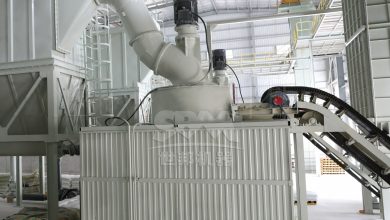
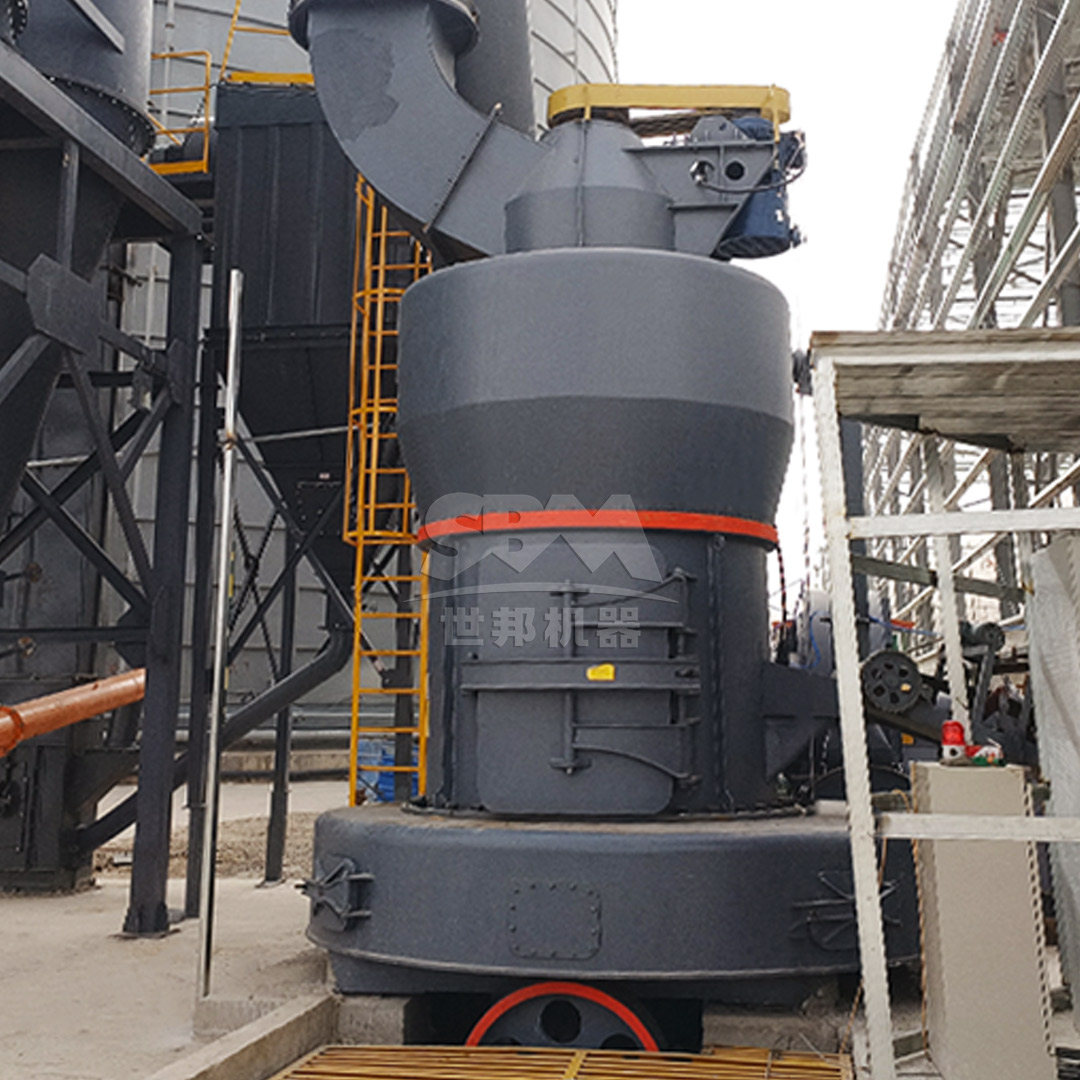
For high-volume production of GCC in the 30-325 mesh range (600-45μm), the MTW Series European Trapezium Mill is an outstanding choice. Its design is optimized for durability and low maintenance. Key features that benefit a coating raw material producer include:
- Anti-wear Shovel Design: Combined shovel blades reduce maintenance costs and extend wear part life, which is critical for handling abrasive limestone.
- Integral Bevel Gear Drive: With transmission efficiency up to 98%, this system saves energy and space, reducing both operational and installation costs.
- Wear-resistant Volute Structure: This non-resistance design improves air selection efficiency, ensuring a consistent product quality while reducing maintenance costs by 30%.
Recommended Model: MTW138Z – This model offers a balanced capacity of 6-17 t/h with a main power of 90kW. It is perfectly designed for producing standard GCC grades that are widely used in industrial putties, primers, and flat paints.
Conclusion
Ground Calcium Carbonate remains a cornerstone of the industrial coatings industry, providing cost-effectiveness and essential performance characteristics. The trend towards higher solid content, low VOC formulations, and superior finish quality demands GCC with tighter specifications and finer particle sizes. By investing in advanced grinding technology like the SCM Series Ultrafine Mill for premium grades and the robust MTW Series European Trapezium Mill for standard grades, producers can ensure they meet the stringent demands of the modern coating formulator. These advanced mills not only guarantee product quality but also improve production efficiency and reduce energy consumption, providing a significant competitive advantage in the global market.