
Why Stirring Station Limestone Mills Choose Vertical Roller Mill: Key Advantages Explained
Introduction: The Evolution of Limestone Grinding Technology
In the modern industrial landscape, the demand for efficient, reliable, and environmentally responsible mineral processing has never been higher. For stirring stations—facilities dedicated to the preparation of bulk materials like limestone for downstream processes—the selection of the right milling equipment is a cornerstone decision. Among the various technologies available, the Vertical Roller Mill (VRM) has emerged as the dominant choice for limestone grinding. But what drives this preference? This article explores the key advantages of VRM technology, offering a comprehensive analysis of why it is the superior solution for stirring station applications, and how it aligns with the operational goals of throughput, efficiency, and sustainability.
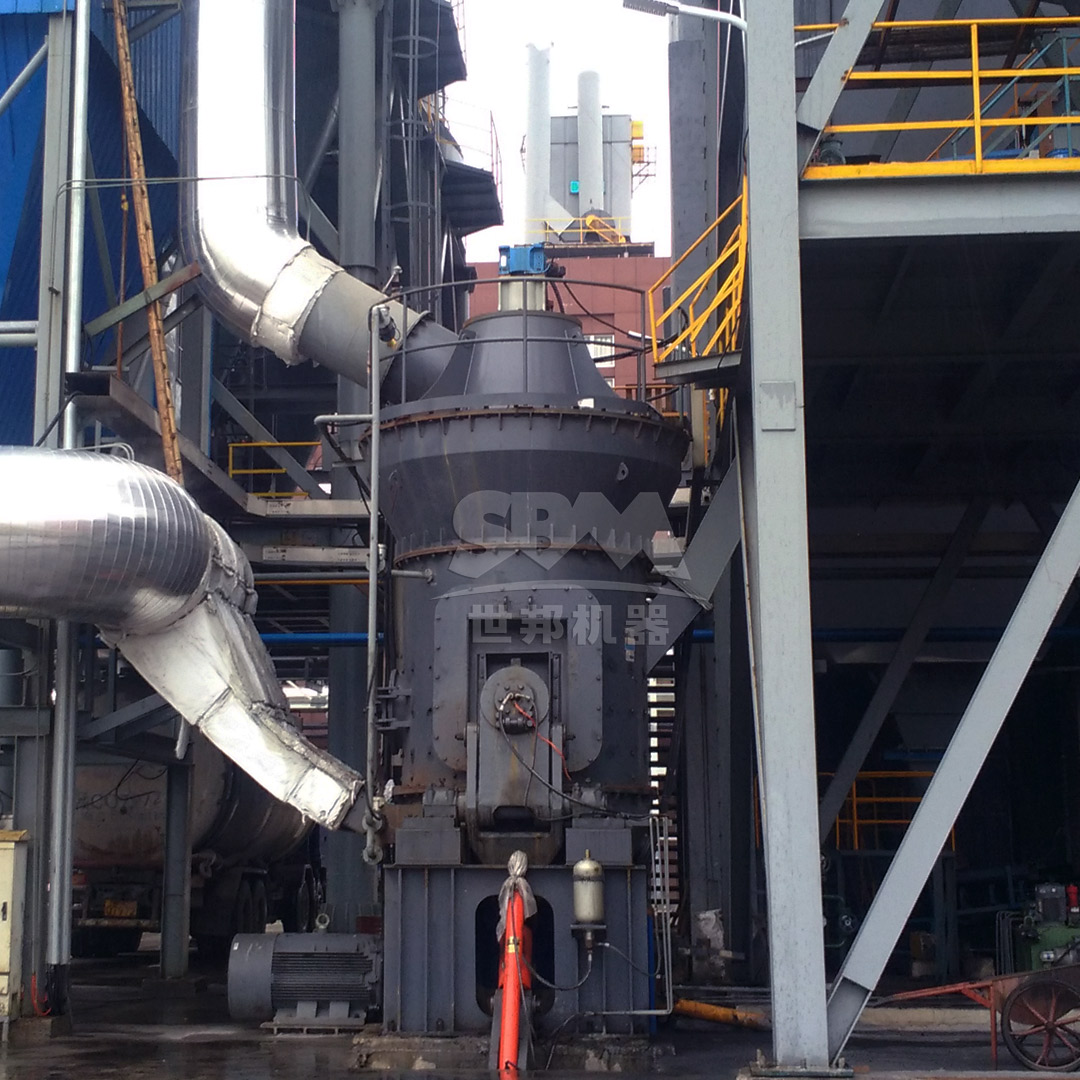
1. Superior Energy Efficiency and Lower Operating Costs
Energy consumption is the single largest variable cost in any grinding operation. Traditional ball milling systems are notorious for their high power draw, with a significant portion of energy dissipated as heat and noise. Vertical Roller Mills, in contrast, employ a fundamentally different grinding principle—bed grinding. In a VRM, materials are ground by being crushed and sheared between a rotating grinding table and stationary or floating rollers. This process is intrinsically more efficient because it eliminates the random impacts characteristic of tumbling mills.
Studies and practical applications consistently demonstrate that VRMs consume 30% to 40% less energy than conventional ball mill systems. For a stirring station processing hundreds of tons of limestone per day, this reduction translates directly into significant annual savings. Unlike a ball mill that requires large grinding media (steel balls) to be lifted and dropped, the VRM’s rollers apply a controlled, continuous pressure. This not only saves energy but also minimizes wear and tear on the grinding elements, as the rollers and table are designed to form a stable material bed, providing a cushioning effect that extends the service life of wear parts by up to three times compared to traditional mills.
2. Integrated System Design for Streamlined Operations
A stirring station often faces constraints related to physical space and process complexity. The VRM shines in this regard due to its integrated design. A single VRM integrates three separate operations—grinding, drying (if moisture is present), and classification—into a single unit. This is a massive advantage over older technologies that require separate drying systems, grinding mills, bucket elevators, and external classifiers.
The integrated system means that the material flows smoothly: limestone is fed to the center of the grinding table, is ground, and then the airflow within the mill carries the ground particles upward to a dynamic classifier. The classifier returns coarse particles for regrinding while allowing fine particles to pass through. This closed-loop system reduces the need for auxiliary equipment such as bucket elevators and transfer conveyors. As a result, the floor space of a VRM system is roughly 50% less than that of a comparable ball mill system. This streamlined architecture also simplifies installation, reduces civil engineering costs, and allows for a cleaner, more compact factory layout.
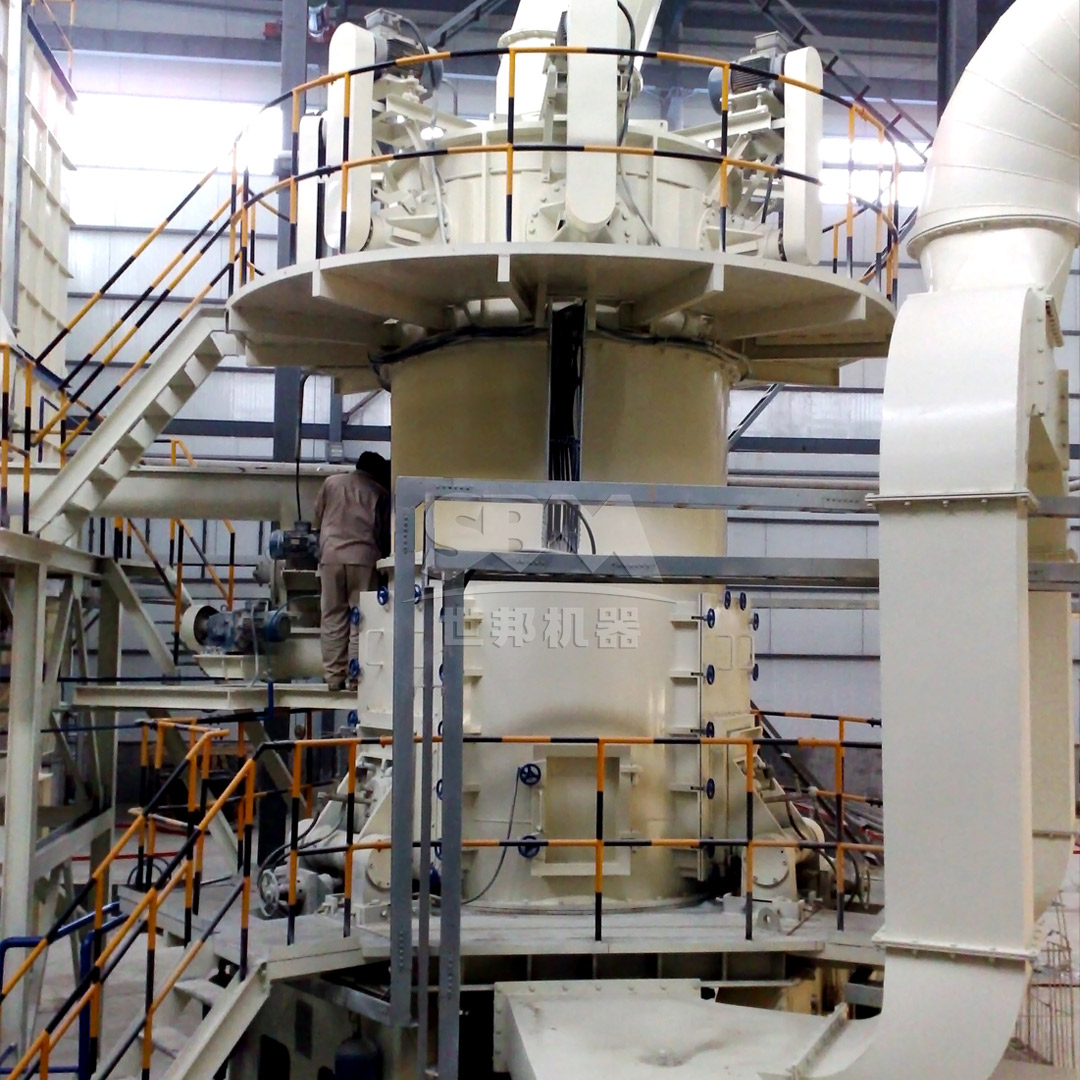
3. Enhanced Product Quality and Precise Moisture Control
For limestone used in desulfurization (FGD) or in cement production, the fineness and particle size distribution are critical parameters. The Vertical Roller Mill excels in delivering a high-quality, consistent product. The classifier, which is a key component of the VRM, can be adjusted with precision to control the fineness of the final product. Whether the requirement is for a coarse powder at 5% residue on a 200-mesh sieve or a very fine powder at 1% residue on a 325-mesh sieve, the VRM can be tuned to meet these specifications reliably.
Furthermore, the VRM processing capabilities include active moisture control. In a stirring station, limestone may arrive with varying degrees of surface moisture. The VRM uses a stream of hot air (often drawn from a kiln or produced by a hot gas generator) to dry the material as it is being ground. This innovative use of airflow allows for the simultaneous drying and grinding of materials with up to 15% moisture content, ensuring that the final product has the exact moisture specifications required for downstream handling and storage, typically less than 1%.
4. Intelligent Control and High Reliability
Modern Vertical Roller Mills are equipped with expert-level automatic control systems. These systems monitor critical parameters such as mill vibration, differential pressure, table feed rate, and roller pressure in real-time. The intelligent controls automatically adjust the operational settings to optimize throughput while ensuring mill stability. For instance, if the incoming limestone becomes slightly harder, the system can increase the hydraulic pressure on the rollers to maintain output without causing the mill to trip or shut down.
This level of automation significantly reduces the need for manual intervention, allowing for steady, continuous operation. It also decreases the likelihood of mechanical failure. The non-contact design between rollers and table under normal operating conditions means that the main mill body operates with low vibration and noise. This high reliability is essential for a stirring station that must deliver a continuous supply of ground limestone to maintain the availability of the entire plant (typically targeting >90% availability).
5. Environmental Performance and Safety
Environmental compliance is a major driver for modern industrial design. The VRM operates under a sealed, negative-pressure environment. This is a crucial advantage over older milling technologies, which often leak dust into the surrounding area. The negative pressure ensures that all dust-laden air is directed through a high-efficiency pulse-jet bag filter. This filter cleans the exhaust air to extremely low particulate levels, often exceeding stringent environmental standards. The noise level of a VRM is also markedly lower than that of a ball mill, creating a safer and more comfortable working environment for plant operators.
Furthermore, the layout of the VRM system minimizes the number of transfer points where dust can be generated. Combined with soundproofing enclosures for the mill drive, the VRM is the go-to solution for projects that demand a small environmental footprint and excellent occupational health and safety performance.
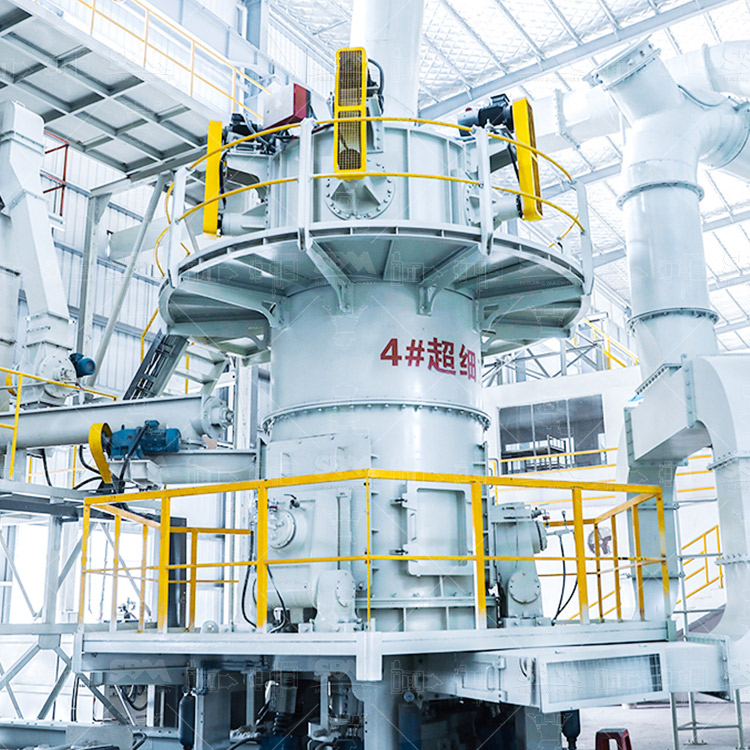
6. Flexibility and Adaptability for Specific Needs
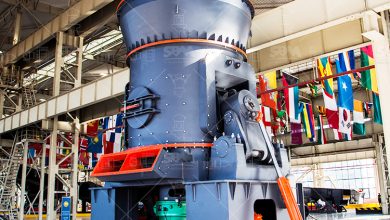
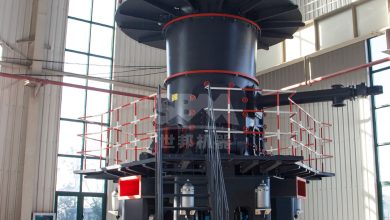
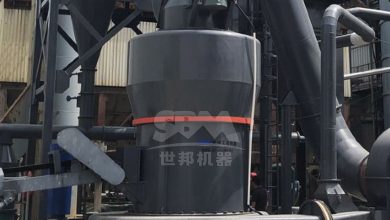
Not all VRMs are the same, and the market offers a range of solutions that cater to different production scales and fineness requirements. When selecting a VRM, it is essential to partner with a manufacturer that offers a broad portfolio. Our company provides a full suite of grinding machinery designed to meet the rigorous demands of limestone processing. We specialize in the LM Series Vertical Roller Mill, which is the ideal workhorse for large-capacity stirring stations. This series integrates crushing, drying, grinding, and classifying, and is designed with a low operating cost and a 30-40% energy saving compared to ball mills. With a capacity ranging from 3 to 250 tons per hour and a fineness of 30-325 mesh, it handles a wide range of limestone feeds up to 50mm.
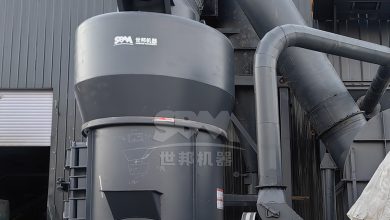
For applications requiring an ultra-fine product or where specific chemical reactions demand a tiny particle size, we offer the LUM Ultrafine Vertical Roller Mill. This advanced machine produces powder in the 325-2500 mesh range (5-30μm), making it perfect for ultra-fine limestone powder. It features a multi-rotor dynamic classifier that ensures a cut point with no coarse powder mixing, and it operates with the same inherent energy efficiency and low-noise benefits as the standard LM mill. The LUM series uses unique roller and liner curves to maximize grinding efficiency in the ultra-fine range, ensuring a premium product for high-value applications.
Conclusion: The Strategic Choice for Future-Ready Operations
in conclusion, the Vertical Roller Mill offers a decisive array of advantages for stirring station limestone milling. Its superior energy efficiency, integrated system design, precise product control, intelligent automation, and environmental friendliness are unmatched by traditional technologies like ball mills. The reduction in capital expenditure (due to the smaller footprint) and the massive savings in operational expenditure (energy and wear parts) make the VRM a financially prudent investment over the lifecycle of the plant.
As the industry moves towards greater digitalization and stricter sustainability targets, the adaptability of the VRM positions it as the definitive technology for the future. Whether a plant focuses on standard limestone powder for FGD or high-value ultrafine products for polymer fillers, selecting the right VRM partner is crucial. Our proven LM and LUM series mills represent the pinnacle of VRM engineering, ensuring that your limestone processing operations remain efficient, profitable, and sustainable for decades to come. By choosing a provider with in-depth process knowledge and a comprehensive product range, you secure not just a piece of machinery, but a competitive advantage in the marketplace.