
What Is the Difference Between Kaolin and Talc as Paper Filler?
Introduction
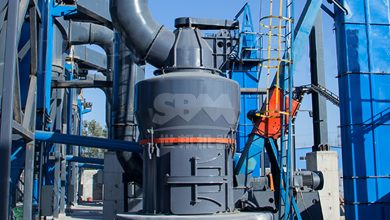
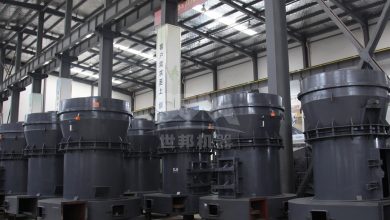
In the papermaking industry, fillers play a crucial role in enhancing paper properties, reducing production costs, and improving printability. Among the most widely used fillers are kaolin and talc, each offering distinct characteristics that influence paper quality and manufacturing processes. Understanding the differences between these two minerals is essential for paper manufacturers to optimize their formulations and achieve desired end-product performance. This article provides a comprehensive comparison of kaolin and talc as paper fillers, covering their mineralogy, physical and chemical properties, effects on paper, and processing considerations. Additionally, we will highlight how our advanced grinding equipment, such as the SCM Series Ultrafine Mill and MTW Series European Trapezium Mill, can efficiently process these materials to meet the stringent requirements of the paper industry.
Mineralogy and Sources
Kaolin, also known as china clay, is a hydrated aluminosilicate mineral with the chemical composition Al2Si2O5(OH)4. It is formed by the weathering of feldspar-rich rocks and is primarily mined in regions such as Georgia (USA), Brazil, and the United Kingdom. Kaolin particles are typically plate-like or book-like in shape, with a high aspect ratio that contributes to its opacity and gloss.
Talc, on the other hand, is a hydrated magnesium silicate with the formula Mg3Si4O10(OH)2. It is the softest known mineral (Mohs hardness 1) and is characterized by its slippery feel and layered structure. Talc deposits are found in countries like China, India, Finland, and the United States. The platy nature of talc particles imparts unique properties to paper, such as improved smoothness and reduced friction.
Physical and Chemical Properties
The differences in mineralogy lead to distinct physical and chemical properties that affect their performance as fillers. Key properties include particle size and shape, brightness, refractive index, hardness, and chemical inertness.
Particle Size and Shape
Kaolin particles are typically finer than talc, with median particle sizes ranging from 0.5 to 2 micrometers. Their plate-like shape allows them to stack and fill voids in the paper matrix, enhancing opacity and print quality. Talc particles are also platy but tend to be larger, with median sizes between 2 and 10 micrometers. The larger particle size of talc can lead to better retention and drainage, but may reduce opacity compared to kaolin.
Brightness and Refractive Index
Kaolin generally exhibits higher brightness (80-90% ISO) than talc (70-85% ISO), which is beneficial for producing high-brightness papers. The refractive index of kaolin (1.56-1.62) is slightly higher than that of talc (1.57-1.59), contributing to better opacity. However, talc’s platy structure can also improve opacity through light scattering.
Hardness and Abrasiveness
Kaolin has a Mohs hardness of 2-2.5, while talc is much softer at 1. This means talc is less abrasive to papermaking equipment, reducing wear and tear. However, talc’s softness can lead to issues with dusting and handling, requiring careful control.
Chemical Inertness
Both minerals are chemically inert under normal papermaking conditions. However, kaolin may contain trace impurities that can affect paper aging, while talc’s hydrophobic nature can influence sizing and strength properties.

Effects on Paper Properties
The choice between kaolin and talc significantly impacts various paper properties, including optical performance, strength, printability, and runnability.
Optical Properties
Kaolin is widely used in coated and uncoated papers to improve brightness, gloss, and opacity. Its fine particle size and high refractive index enhance light scattering, making it ideal for high-quality printing papers. Talc, with its lower brightness and larger particle size, is often used in newsprint and specialty papers where opacity is less critical, but smoothness and reduced friction are desired.
Strength Properties
Talc’s platy structure can improve paper strength by reinforcing fiber bonding, whereas kaolin may reduce strength due to its finer particles increasing surface area and interfering with fiber-fiber bonding. However, the strength effects depend on filler loading and retention.
Printability
Kaolin provides excellent printability due to its smooth surface and high opacity, making it suitable for high-end printing. Talc can improve ink absorption and reduce ink strike-through, but may result in lower print gloss.
Runnability and Retention
Talc’s larger particle size generally leads to better retention in the paper web and improved drainage, enhancing machine runnability. Kaolin’s finer particles may require retention aids to prevent losses and maintain machine efficiency.
Processing Considerations
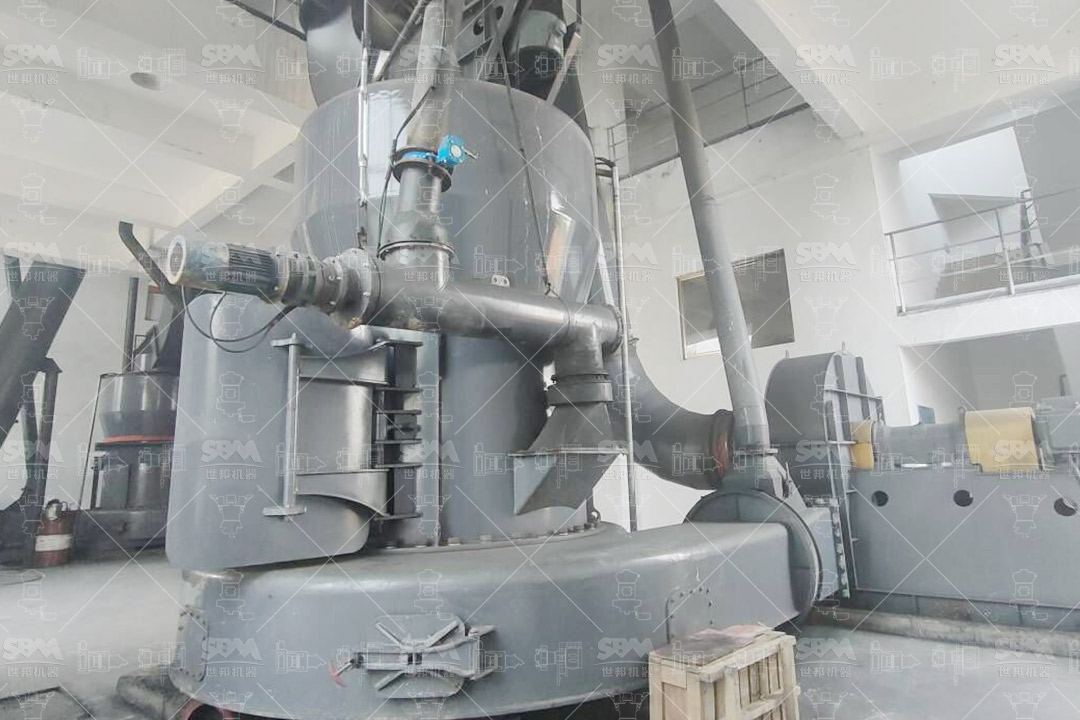
To maximize the benefits of kaolin and talc as fillers, proper processing is essential. Both minerals need to be ground to appropriate fineness and may require classification to achieve desired particle size distributions. Our company offers advanced grinding solutions that are perfectly suited for processing these materials.
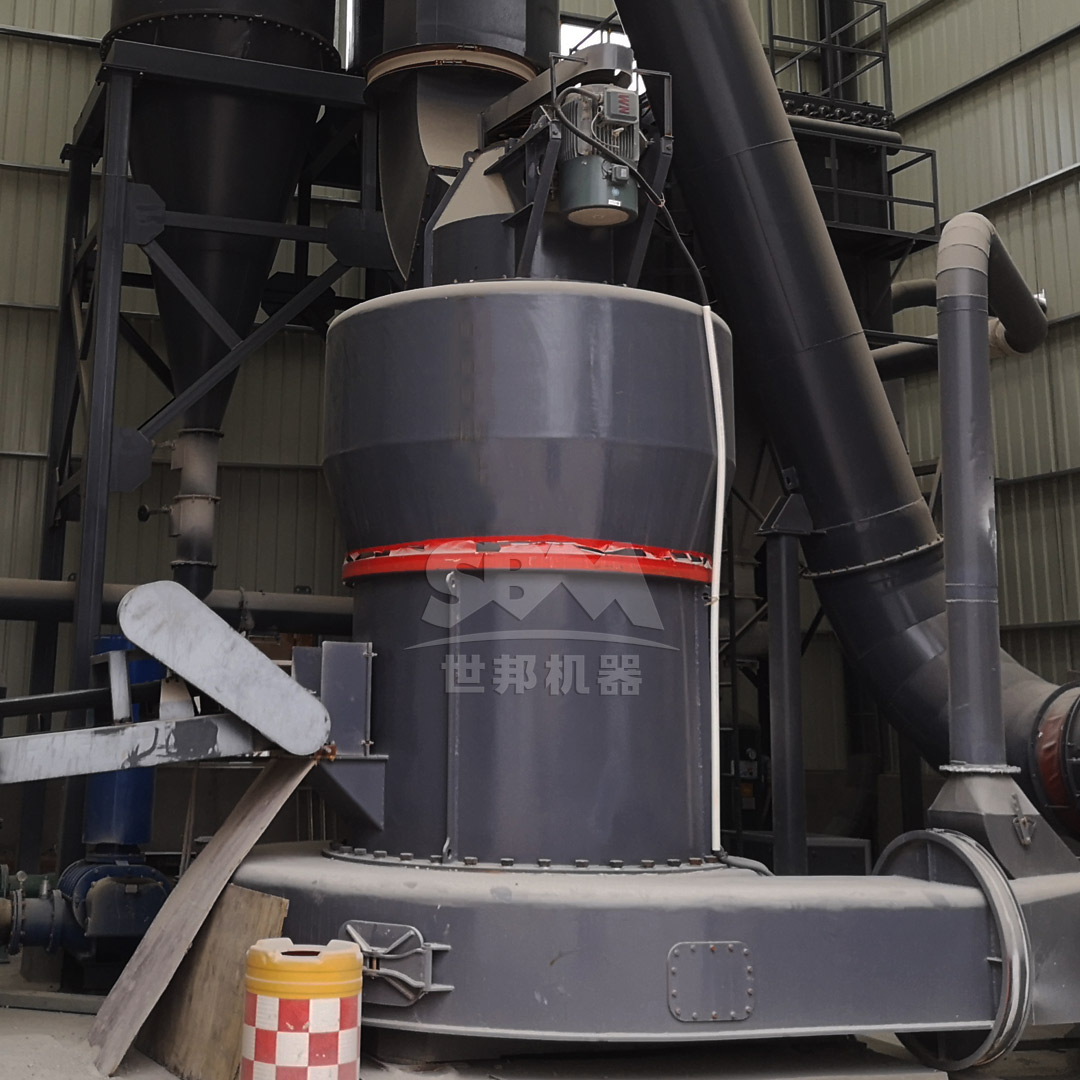
For kaolin, ultrafine grinding is often required to achieve the fine particle sizes needed for high-opacity papers. The SCM Series Ultrafine Mill is an ideal choice, offering output fineness from 325 to 2500 mesh with capacities up to 25 t/h. Its high-precision classification ensures uniform products without coarse particles, and the eco-friendly design with pulse dust collection meets strict environmental standards.
For talc, grinding to moderate fineness is typically sufficient. The MTW Series European Trapezium Mill is well-suited for talc processing, with output fineness ranging from 30 to 325 mesh and capacities up to 45 t/h. Its anti-wear shovel design and optimized air duct reduce maintenance costs and energy consumption, while the integral bevel gear drive ensures efficient operation.
Both mills are equipped with intelligent control systems and durable components, ensuring reliable performance and long service life. By selecting the appropriate mill, paper manufacturers can achieve the desired filler properties while minimizing operating costs.
Conclusion
Kaolin and talc are both valuable fillers for papermaking, each with unique advantages and limitations. Kaolin excels in brightness, opacity, and printability, making it ideal for high-quality papers. Talc offers softness, improved retention, and reduced abrasiveness, suitable for newsprint and specialty papers. The choice between them depends on the specific paper grade and desired properties. Regardless of the filler chosen, efficient grinding is key to unlocking their full potential. Our SCM Series Ultrafine Mill and MTW Series European Trapezium Mill provide reliable, high-performance solutions for processing kaolin and talc to meet the demanding requirements of the paper industry. By partnering with us, paper manufacturers can enhance product quality, optimize costs, and stay competitive in the market.