
What Grinding Mill Is Used to Process Clay Minerals?
Introduction to Clay Minerals and Their Processing Challenges
Clay minerals are a group of hydrous aluminum phyllosilicates, including kaolinite, montmorillonite, illite, and chlorite, which are widely distributed in nature. They are essential industrial raw materials used in ceramics, refractories, paper coating, drilling mud, paints, plastics, rubber, and many other applications. The processing of clay minerals typically involves crushing, grinding, and sometimes ultrafine pulverization to achieve the desired particle size distribution. Due to their layered structure, high moisture content, and varying hardness, clay minerals present unique challenges for grinding equipment. Selecting the right grinding mill is crucial for achieving high efficiency, product quality, and operational economy.
In this article, we will explore the characteristics of clay minerals, the requirements for their grinding, and recommend suitable grinding mills from our company’s product portfolio. We will focus on two advanced mills: the SCM Series Ultrafine Mill and the MTW Series European Trapezium Mill, both of which are highly effective for processing clay minerals.
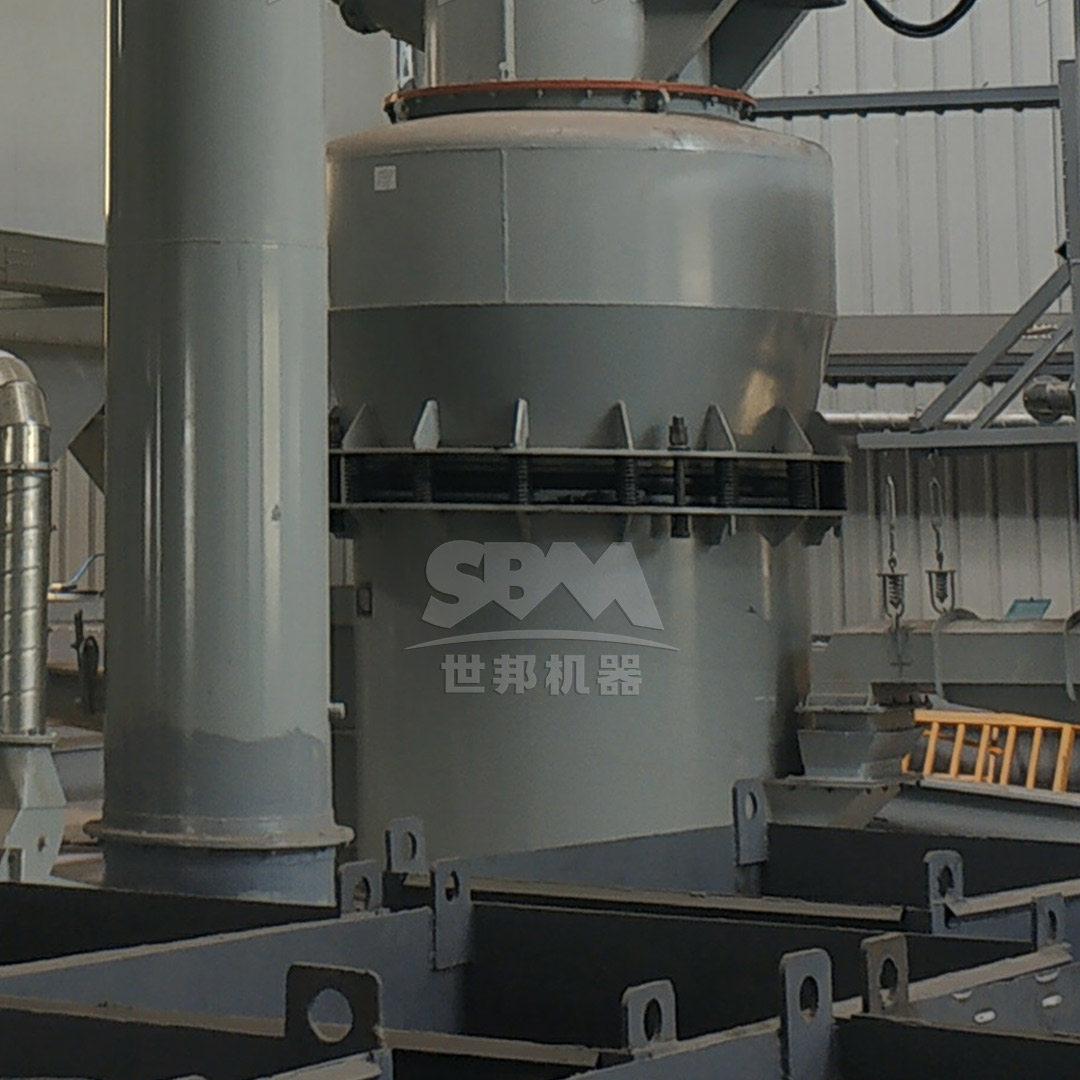
Characteristics of Clay Minerals Affecting Grinding
Clay minerals are generally soft to medium-hard, with Mohs hardness ranging from 2 to 3.5 for kaolinite and up to 2.5 for montmorillonite. However, some associated minerals like quartz and feldspar can increase the overall hardness. The moisture content of raw clay can be high, sometimes exceeding 20%, which can cause agglomeration and clogging in grinding equipment. Additionally, clay minerals tend to be sticky and plastic when wet, making them difficult to grind in conventional mills. Therefore, the ideal grinding mill for clay should be capable of handling high moisture, preventing sticking, and providing efficient drying and classification.
Furthermore, the required fineness for clay products varies widely. For example, ceramic raw materials often require 200-325 mesh, while paper coating and high-performance fillers may need ultrafine powders down to 2-5 microns (2500 mesh). This necessitates grinding mills with adjustable fineness and precise classification systems. Energy consumption and wear part life are also critical factors, as clay processing can be abrasive depending on the impurities present.
Grinding Mill Options for Clay Minerals
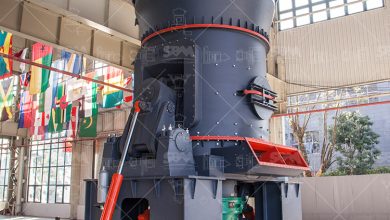
Our company offers a range of grinding mills suitable for clay processing, including the SCM Series Ultrafine Mill, MTW Series European Trapezium Mill, LM Series Vertical Roller Mill, and MTM Series Medium-speed Trapezium Mill. Among these, the SCM Series Ultrafine Mill and the MTW Series European Trapezium Mill stand out for their superior performance in clay grinding.
SCM Series Ultrafine Mill: Ideal for Ultrafine Clay Powder
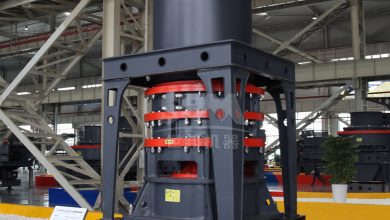
The SCM Series Ultrafine Mill is a highly efficient and energy-saving mill designed for producing ultrafine powders from 325 to 2500 mesh. It is particularly suitable for processing clay minerals that require high whiteness, narrow particle size distribution, and no contamination. With its advanced vertical turbine classifier, the SCM mill achieves precise particle size cutting, ensuring uniform finished products without coarse powder mixing. The grinding chamber features a shaftless screw design, which prevents material sticking and ensures stable operation even with moist clay.
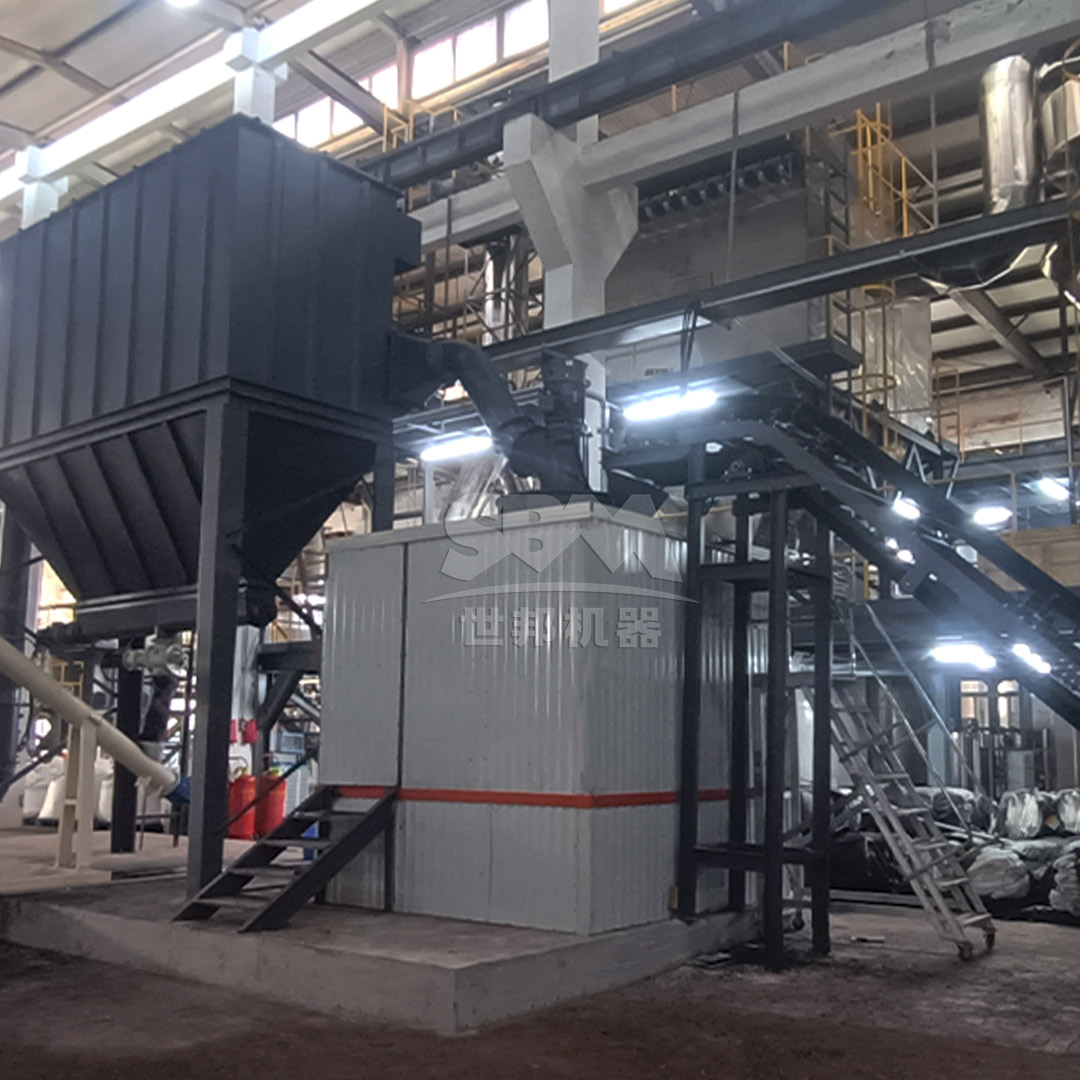
Key technical advantages of the SCM Series Ultrafine Mill include:
- High Efficiency & Energy Saving: Capacity is twice that of jet mills, with 30% lower energy consumption. Intelligent control with automatic finished product granularity feedback.
- High-Precision Classification: Vertical turbine classifier achieves precise particle size cutting, ensuring uniform finished products.
- Durable Design: Special material rollers and rings extend service life several times over. Shaftless screw grinding chamber ensures stable operation.
- Eco-friendly & Low Noise: Pulse dust collection efficiency exceeds international standards. Soundproof room design ensures noise levels are low.
The SCM Series includes models from SCM800 to SCM1680, with capacities ranging from 0.5 to 25 t/h, depending on the model. For clay processing, the SCM1250 or SCM1680 are often chosen for large-scale production of ultrafine clay powders for paper coating and high-end fillers.
Working Principle: The main motor drives three layers of grinding rings to rotate. Materials are dispersed into the grinding path by centrifugal force, crushed by roller pressure, and ground layer by layer. Finally, powder collection is completed by a cyclone collector and a pulse dust removal system.
MTW Series European Trapezium Mill: Versatile for Medium to Fine Clay Grinding
The MTW Series European Trapezium Mill is a robust and versatile mill capable of grinding clay minerals to fineness between 30 and 325 mesh (down to 0.038mm). It is an excellent choice for producing ceramic raw materials, refractory clays, and fillers for various industries. The MTW mill features an optimized arc air duct, integral bevel gear drive, and wear-resistant volute structure, ensuring high transmission efficiency and low maintenance costs.
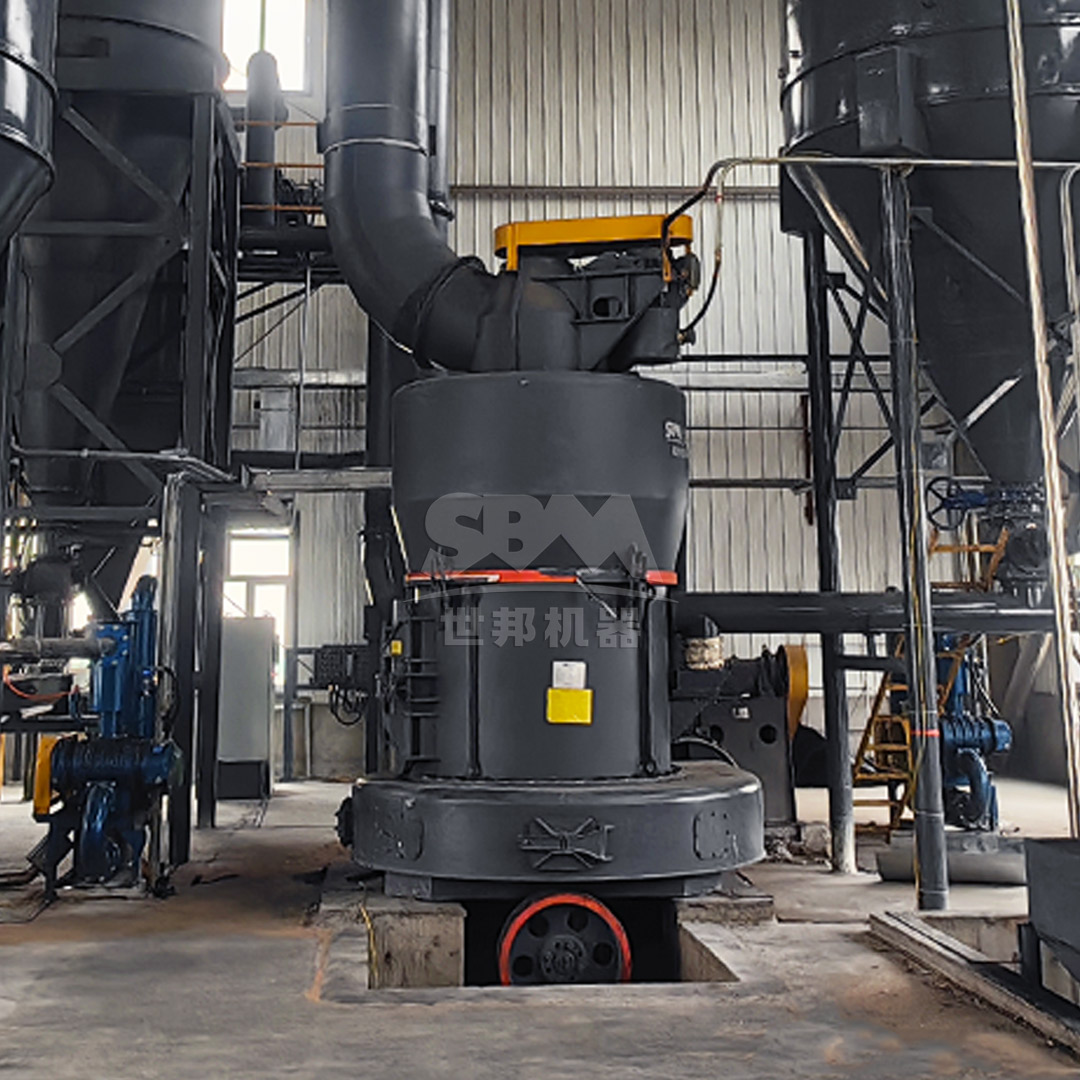
Key technical advantages of the MTW Series European Trapezium Mill include:
- Anti-wear Shovel Design: Combined shovel blades reduce maintenance costs. Curved design extends grinding roller life.
- Optimized Arc Air Duct: Reduces airflow energy loss and improves transmission efficiency. High-strength guard plates protect the air duct working surface.
- Integral Bevel Gear Drive: Transmission efficiency up to 98%. Saves space and reduces installation costs.
- Wear-resistant Volute Structure: Non-resistance flow design improves air selection efficiency. Maintenance costs reduced by 30%.
The MTW Series offers a wide range of models, from MTW110 to MTW215G, with capacities from 3 to 45 t/h. For clay grinding, the MTW138Z or MTW175G are popular choices for medium-scale production. The mill can handle feed sizes up to 50mm and is equipped with an efficient classifier to control product fineness.
Working Principle: The main motor drives the grinding rollers to revolve around the central axis while self-rotating to generate centrifugal force. Shovels throw materials between the ring and rollers to form a material layer, achieving efficient crushing through extrusion. The classification system precisely controls the finished product size.
Conclusion
Choosing the right grinding mill for clay minerals depends on the required fineness, capacity, moisture content, and specific application. For ultrafine clay powders (325-2500 mesh), the SCM Series Ultrafine Mill is the optimal choice due to its high efficiency, precise classification, and ability to handle moist materials. For medium to fine grinding (30-325 mesh) with higher capacity requirements, the MTW Series European Trapezium Mill offers robust performance, low maintenance, and excellent energy efficiency. Both mills are backed by our company’s extensive experience and patented technologies, ensuring reliable operation and high-quality end products.
When selecting a mill, it is advisable to consult with our engineers to determine the most suitable model based on your specific clay characteristics and production targets. With the right grinding solution, you can achieve optimal product quality and operational profitability.